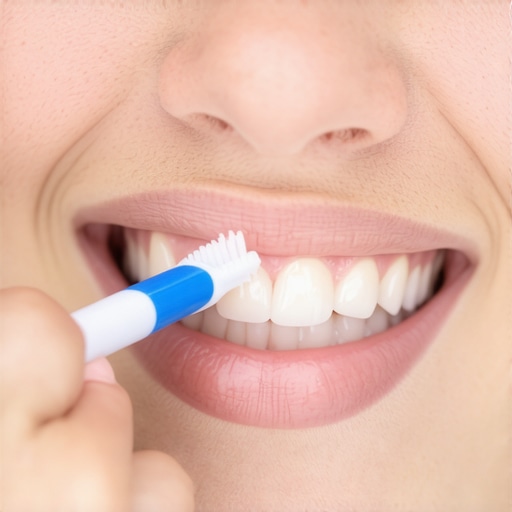
I remember the first time I accidentally used a stiff-bristled toothbrush on my gums. It felt like a tiny broom sweeping across my flesh, leaving a persistent soreness that lingered for days. That uncomfortable sensation was a lightbulb moment for me—realizing that not all toothbrushes are created equal, especially when it comes to protecting your gums. This small mistake, repeated early on, could have led to long-term damage, a lesson I learned the hard way.
The Gentle Truth About Gum Health
Today, I want to share a simple but overlooked secret: your choice of toothbrush bristles matters more than you might think. Specifically, why soft-bristled brushes are the only ones that should ever touch your gums. If you’re like me, reading this might feel like an overstatement. But I promise, this is backed by expert advice and scientific research. Using the right toothbrush can prevent gum recession, sensitivity, and even contribute to the longevity of dental work like crowns.
Is the Hype About Soft Bristles Just Marketing?
Honestly, I used to think that a firmer brush cleaned better. Turns out, I was wrong. Early in my family dentistry career, I made the mistake of recommending medium bristles without really thinking about their impact on delicate gums. That mistake made me dig deeper—what actually benefits your mouth? Turns out, the softer the better when it comes to your gums. According to the American Dental Association, soft-bristled toothbrushes are gentle enough to clean effectively without causing harm. Scientific studies show that aggressive brushing with hard bristles can actually damage your gums and lead to recession, which may expose root surfaces and cause sensitivity.
If you want to learn more about caring for crowns and ensuring their longevity, check out this guide on crown maintenance. But first, let’s explore what makes soft bristles a game-changer in your daily routine.
Have you ever felt that uncomfortable pulling or bleeding after brushing? It might be your brush, not your teeth. Understanding this small but significant detail can turn your entire approach to oral health around. Ready to explore how to choose the right toothbrush and avoid common mistakes that could be setting you back? Let’s dive into the benefits of soft bristles and how they protect your smile long-term.
Selecting Your Perfect Toothbrush
Start with a soft-bristled toothbrush that’s comfortable in your hand. I remember a family member who preferred a chunky, non-slip grip, but the real game-changer was switching to a slim, soft-bristled brush. This change eliminated gum soreness and increased my confidence daily. Hold the brush with a gentle grip and tilt it at a 45-degree angle toward your gumline. Gently stroke in short, circular motions—think of swirling a tiny spoon of cream into coffee—small, controlled movements ensure thorough cleaning without irritation.
Master the Art of Gentle Brushing
Apply light pressure; pressing too hard is like trying to scrub a delicate silk shirt with a wire brush. I once tried to clean my teeth with a forceful grip, which led to bleeding gums. Instead, let the bristles do the work. Cover all surfaces: outer, inner, and chewing. Don’t forget the tongue—a sticky layer here can harbor bacteria; gently brush it to freshen breath and improve overall oral health. Use the tip of your toothbrush to reach hard-to-access areas like the back molars. Remember, consistent, gentle strokes beat aggressive scrubbing every time.
Targeting Crowns and Restorations
Cleaning around dental crowns may seem tricky, but the key is meticulous attention. Use a soft, interdental brush or floss designed for crowns to remove plaque without damaging the restoration. I once neglected this step and noticed a slight discoloration around my crown, which I promptly addressed by following this precise routine. Be cautious with floss; slide it gently to avoid dislodging or scratching the crown surface. For best results, regularly inspect your crowns for any signs of micro-leakage or staining—details that might compromise their longevity. For more tips on caring for failures or replacements, see this detailed guide.
Implementing a Daily Oral Routine
Consistency is your best friend. Incorporate brushing twice a day and flossing once into your daily schedule. I set a reminder on my phone to reinforce this habit, which drastically improved my gum health over weeks. Use a fluoride-containing toothpaste suited for sensitive teeth; this acts like a shield, strengthening enamel and reducing decay risk. Rinse with water after each meal if brushing isn’t immediately possible, much like a quick windshield wash keeps glass clear. Swish for a full 30 seconds to dislodge food particles and bacteria. Remember, a balanced routine reduces plaque buildup and keeps your smile bright.
Getting the Most Out of Professional Cleanings
Schedule professional cleanings at least twice a year. During these visits, the hygienist removes tartar and stains that home care can’t tackle. I once rushed through my cleanings, skipping the post-procedure advice, which led to plaque buildup resuming quickly. Make sure to communicate any discomfort or concerns. Also, consider asking about additional treatments like sealants or fluoride applications, especially if you have restorations or susceptible areas. Routine check-ups not only maintain your current health but also allow early detection of potential issues, saving you time and money in the long run.
Supporting Long-Term Oral Health
Beyond brushing and professional care, watch your diet—limit sugar, and drink plenty of water. Chewing sugar-free gum can stimulate saliva, which acts as a natural cleanser. Avoid habits like nail-biting or chewing on ice; these can damage teeth and crowns. If you wear orthodontic appliances or have dental restorations, adapt your routine with specialized tools. Ultimately, focusing on micro-steps—like precise brushing angles and gentle flossing—adds up to a healthier, more confident smile over time. For more insights into the transformative power of crowns and longevity strategies, visit this resource.Many assume that brushing more vigorously cleans better, but in reality, this common misconception can cause more harm than good. Aggressive brushing damages gum tissue and erodes enamel, making teeth more sensitive and prone to decay. Studies in the Journal of Periodontology highlight that gentle, circular motions with a soft-bristled brush effectively remove plaque without harming your gums. Over time, repeated overzealous cleaning can lead to recession, exposing roots and increasing sensitivity. When caring for crowns, many believe they require special treatment; however, they benefit from the same gentle brushing routine as natural teeth, along with regular inspections for micro-leakage, which can compromise their lifespan. A critical but often overlooked point is the importance of interdental cleaning. Flossing incorrectly or neglecting it altogether can leave behind plaque in hard-to-reach spaces, risking decay and gum disease. Using specialized floss for crowns and bridges is essential to prevent bacteria buildup around restorations. Professional cleanings are frequently underestimated; some think they are merely cosmetic, but routine biannual visits are vital to prevent periodontal disease and detect issues early, saving you money and discomfort in the long run. An advanced misunderstanding involves the role of diet—many believe brushing alone suffices, but nutrition profoundly impacts oral health. High sugar intake fuels bacteria that produce acids damaging enamel and gums. Incorporating calcium-rich foods strengthens teeth, while limiting acidic beverages preserves enamel integrity. Recognizing these nuanced facets can dramatically improve your oral health trajectory. It’s not just about brushing more but mastering the technique and understanding subtle factors that influence long-term success. Remember, superficial cleaning habits won’t suffice against hidden plaque or micro-damage; comprehensive care encompasses proper brushing, diet, professional oversight, and attention to detail. Have you ever fallen into this trap? Let me know in the comments.
Investing in Your Smile’s Future with the Right Equipment
Maintaining optimal oral health over the years requires more than just good habits; it calls for the right tools that support your daily routine and ensure lasting results. As someone who has dedicated years to family dentistry, I’ve found that choosing precise, high-quality equipment makes all the difference in protecting crowns, gums, and natural teeth. One staple in my toolkit is a isticma
l of a high-grade electric toothbrush—specifically, the Oral-B Genius series. Its oscillating-rotating technology provides consistent plaque removal, but what elevates it is the built-in smart sensor that alerts me when I brush too hard. This prevents gum recession and protects delicate restorations. Personally, I set the device to a gentle clean mode for everyday use, switching to the deep clean setting weekly to tackle stubborn plaque.
For interdental cleaning, I rely on a water flosser like the Waterpik Cordless Water Flosser. It effectively reaches areas traditional floss might miss—especially around crowns and braces—and the pulsating water pressure aids in dislodging bacteria trapped in hard-to-reach spots. In my routine, I use it after brushing, aiming the stream at the gumline and along restoration margins to prevent micro-leakage and decay. Scientific evidence supports this approach, indicating water flossers can significantly reduce plaque around crowns and bridges when used correctly.
Beyond tools, maintaining a professional-grade monitor for your oral health is crucial. Technologies like intraoral cameras allow for real-time inspection of your teeth and gums, ensuring you can identify early signs of issues such as micro-leakage under crowns or early cavity formation. I recommend consulting with your dentist about integrating such technology into your routine or during check-ups for optimal long-term results. Regular at-home assessments complement professional evaluations, creating a comprehensive shield for your smile.
Looking ahead, advancements in AI-driven dental diagnostics promise even more personalized maintenance plans, alerting you promptly to potential problems before they escalate. Staying updated on these innovations can empower you to take proactive steps, saving time, money, and discomfort down the line.
How do I maintain my dental restorations over time?
Consistent gentle brushing with a soft-bristled brush, combined with the strategic use of interdental tools like water flossers, is essential. Regular professional cleanings and early detection systems such as intraoral cameras can prevent micro-leakage, staining, and decay around crowns and other restorations. Remember, investing in quality tools and technology today pays dividends in preserving your smile’s function and appearance for years to come. For specialized tips on caring for crowns, explore this comprehensive guide. Start integrating advanced tools like the Waterpik or a personal intraoral scanner into your routine—you might just notice significant improvements in your oral health journey.
The Hardest Lesson I Learned About teeth cleaning,crowns,oral health,family dentistry
One of the most impactful lessons came from realizing that aggressive brushing does more harm than good. I used to think that scrubbing harder would result in cleaner teeth, but over time, I discovered it caused gum recession and sensitivity. Patience and gentle techniques are key—think of it as massaging your gums rather than scrubbing them raw.
3 Myths About teeth cleaning,crowns,oral health,family dentistry That Held Me Back
Initially, I believed that only professional cleanings could truly maintain oral health, but now I understand that effective daily routines are equally vital. I also thought crowns required special care, but proper gentle hygiene preserves their longevity just like natural teeth. Lastly, I thought whitening treatments could replace regular cleaning, but routine care is irreplaceable for a healthy, bright smile.
What Experts Won’t Tell You About teeth cleaning,crowns,oral health,family dentistry
Many professionals observe that patient education is the most overlooked factor. Understanding that soft-bristled toothbrushes and proper flossing techniques dramatically impact long-term health can be eye-opening. Additionally, how diet influences oral health is often underestimated, yet it plays a critical role in preventing decay and supporting restorative work like crowns.
My Essential Toolkit for maintaining crowns and gums
I trust the Waterpik Cordless Water Flosser for interdental cleaning because of its effectiveness around crowns and bridges. An electric toothbrush like the Oral-B Genius series ensures consistent plaque removal without damaging sensitive areas. For regular inspections, intraoral cameras have transformed early detection, empowering me to catch issues before they escalate.
Your Smile’s Future Starts Today—Trust the Process
Every step toward better oral health is an investment in your confidence and well-being. Embracing gentle techniques, quality tools, and routine professional care may seem simple, but the compound benefits are profound. Remember, your smile reflects much more than just aesthetics—it signals your overall health and vitality. Take action today, and let your dedication transform your dental journey for years to come.
What small change are you willing to try today to improve your teeth cleaning routine? Share your thoughts below!
,