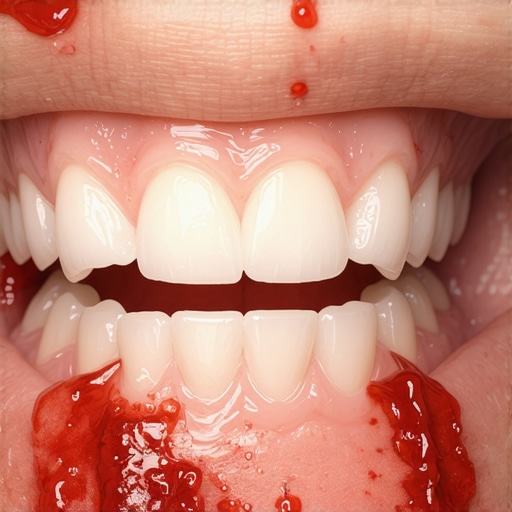
I remember the first time I noticed blood on my toothbrush after a routine brush. It was alarming—like a red flag waving at me during what I thought was a simple daily habit. I was diligent, brushing twice daily without skipping, yet my gums kept bleeding. That moment was a lightbulb for me; I realized there’s more to oral health than just brushing regularly. If you’re experience the same, you’re not alone, and the good news is, understanding the root causes can help you turn things around.
Why Do My Gums Bleed Even If I Brush Daily?
This is one of the most common questions I hear from friends and family. The simple answer? Bleeding gums can stem from various factors—not just poor brushing habits. Sometimes, it’s a sign of early gum disease, while other times, it might be linked to your brushing technique, vitamin deficiencies, or underlying health issues. The key is not to dismiss the bleeding as normal; it’s your body signaling that something needs attention.
Early on, I made a mistake by brushing too hard, thinking that a vigorous scrub would improve my oral health. But I soon learned that aggressive brushing can damage gum tissue, causing it to bleed and become inflamed. Proper technique, using a soft-bristled toothbrush and gentle circles, is critical. For more tips on strengthening your routine, check out this oral health routine guide.
Another overlooked cause is plaque buildup beneath the gum line, which can cause irritation and bleeding. Regular professional cleanings are essential, but many overlook the importance of effective home care. If bleeding persists despite diligent brushing, it might be a sign of gum disease or other issues that require expert attention. Addressing these concerns early can prevent more serious problems like periodontal disease, which affects not only your mouth but your overall health, as noted in recent research highlighting the link between gum disease and cardiovascular health.
Is It Just Brushing Technique, or Could It Be Something More?
I used to believe that all bleeding gums were simply the result of brushing too hard, but that wasn’t the case for everyone. Sometimes, bleeding gums are a symptom of underlying conditions such as vitamin deficiencies, hormonal changes, or even stress. For example, a deficiency in vitamin C can make your gums more fragile, leading to bleeding. Recognizing these signals and consulting your dentist can make a significant difference.
Early mistakes like neglecting to see a professional when bleeding occurs can lead to more severe issues. That’s why I urge everyone to pay attention to these signs and seek expert advice if bleeding persists. A dental professional can help diagnose the cause accurately and recommend tailored treatments or lifestyle changes.
Curious if your bleeding gums are a common problem? Or perhaps you’re wondering about preventive measures? Well, understanding the causes is half the battle, and in the sections to come, I’ll walk you through practical steps to improve your oral health effectively. Let’s demystify this frustrating experience and work toward a healthier, bleeding-free smile together.
Master Your Daily Oral Hygiene Routine
Start by choosing a soft-bristled toothbrush that can gently clean your gums without causing irritation. Apply a pea-sized amount of fluoride toothpaste and brush in circular motions, focusing on the gum line where plaque tends to accumulate. I remember a time I accidentally used an old, firm brush, which caused bleeding—switching to softer brushes made an immediate difference. For consistent results, schedule brushing for at least two minutes each session. Discover more about strengthening your routine.
Efficiently Remove Plaque and Tartar
Integrate flossing into your daily routine to access areas your toothbrush can’t reach. Use gentle, sliding motion to clean between teeth and beneath the gum line. I once neglected floss for a few days, and my gums became inflamed; after adopting proper flossing, the bleeding reduced significantly. Consider using interdental brushes or water flossers if traditional floss irritates your gums. Regular professional cleanings, ideally twice a year, are crucial—think of it as a deep spring cleaning for your mouth. Learn about professional cleanings.
Adjust Your Technique to Prevent Damage
Remember, aggressive brushing is a common mistake that harms gum tissue—think of it like scrubbing a delicate fabric; too harsh, and it frays. Use a gentle, circular motion and let the toothbrush do the work. I initially pressed too hard, causing my gums to bleed; switching to a softer touch preserved my gum health. Replace your toothbrush every three months or sooner if bristles fray. Proper technique is vital for prevention; check out this guide for more tips.
Tackle Underlying Causes Immediately
If bleeding persists despite good habits, it may be linked to nutritional deficiencies or hormonal changes. For instance, vitamin C deficiency can weaken gums—like rust compromising iron structures. Incorporate vitamin-rich foods or supplements as advised by your healthcare provider. Consult your dentist promptly; early diagnosis can prevent progression to gum disease. Don’t overlook signs that could indicate deeper issues, such as persistent bleeding or swelling of the gums. For targeted advice, visit expert guidance on dental health issues.
Implement Regular Professional Care
Schedule professional cleanings and checkups regularly—think of it as a routine car service to keep everything running smoothly. During visits, your dentist can remove tartar build-up that you can’t manage at home. This step helps catch problems early, saving you discomfort and expense later. I remember a cleaning appointment that revealed early signs of gum inflammation, allowing prompt treatment. For more on maintaining your dental work, see caring for your crowns.
While many believe that regular visits to the dentist and routine teeth cleaning are enough to maintain oral health, the reality is far more nuanced. A common myth is that if your teeth look clean, your mouth is healthy. However, advanced issues like hidden plaque beneath gums or early-stage gum disease can lurk undetected, especially if dental examinations aren’t thorough enough or if patients underestimate the importance of specialist care. Moreover, many assume that all crowns are created equal, but the choice of materials like zirconia versus porcelain significantly impacts longevity and function. For example, zirconia crowns are known to be more durable and resistant to chipping, which is crucial for back molars subjected to heavy chewing. Neglecting these intricacies can lead to premature restorations or the need for replacements sooner than expected.
Are There Hidden Risks in Routine Crowns and Cleanings That Experts Know About?
Absolutely. One overlooked aspect is the bonding technique used during crowns placement; improper bonding can lead to micro-leakage, causing decay beneath the crown and eventual failure. Additionally, some patients ignore the importance of follow-up care, such as regular checkups and proper cleaning around crowns, which can trap food particles and promote plaque buildup. According to a study published in the Journal of Prosthetic Dentistry, inadequate maintenance of crowned teeth increases the risk of secondary caries by as much as 30%. Therefore, personalized maintenance plans and professional guidance become essential to ensure long-term success of restorations. It’s also common to underestimate the importance of selecting the right material for your specific bite and lifestyle, as each material has its own benefits and limitations discussed in detail on the comprehensive guide on crowns.
To truly optimize your family’s oral health, knowing these subtle details helps you avoid costly mistakes and ensures your smile remains healthy and confident for years to come. Don’t forget—the routine is just the foundation; understanding the nuances makes all the difference. Have you ever fallen into this trap? Let me know in the comments or visit our contact page for personalized advice.Maintaining optimal oral health over the long term requires more than just good habits; it demands the right tools, regular assessments, and proactive strategies. Personally, I rely on specific equipment and software that elevate my practice and ensure my family’s teeth stay healthy and confident. One of my most valuable tools is the **oscillating-rotating electric toothbrush**. Unlike manual brushes, models like the Philips Sonicare DiamondClean offer superior plaque removal, especially around crowns and hard-to-reach areas, thanks to their advanced sonic technology. I use this device daily because it offers consistent cleaning power without risking gum damage when used in the recommended gentle mode, aligning with expert guidelines on effective home care.
Lessons Hidden in My Dental Journey That Changed Everything
One time, I learned the hard way that neglecting even small signs of bleeding can lead to bigger problems. I used to dismiss occasional gum bleeding as trivial, but I discovered that proactive care and early intervention are vital. Recognizing the subtle cues—like persistent bleeding or sensitivity—can be your best tools to prevent costly repairs later. My biggest eye-opener was realizing that professional expertise combined with consistent home habits creates a shield for your smile that’s hard to break.
Another lesson I wish I embraced sooner was the importance of personalized dental products and tailored advice. Not all toothbrushes or flosses suit everyone, especially if you have crowns or sensitive gums. Consulting your dental professional for recommendations makes a significant difference. I now see routine checkups—not just cleanings—as an opportunity to learn about specific risks unique to my mouth, like hidden plaque or crown integrity issues.
Lastly, I discovered that understanding the materials and techniques behind crowns and restorations helps maintain their longevity. Opting for high-quality crowns, like zirconia, coupled with diligent care, can extend their lifespan by years. This insight empowered me to ask better questions at my dentist’s office, ensuring I invest in solutions that truly last. If you’re curious about optimizing your crowns or family dentistry practices, explore this guide on crowns.
Tools and Resources That Made a Difference for My Family’s Oral Health
I rely on a **Philips Sonicare DiamondClean** for its superior plaque removal and gentle gum approach—it’s been a game-changer in preventing bleeding and maintaining crown surfaces. Learning to use your electric toothbrush correctly amplifies its benefits, and my dentist recommended a technique that works wonders. For tips on brushing right, I suggest visiting this routine guide.
To complement brushing, I started using interdental brushes, which clean those tricky spots where floss might miss, especially around crowns. They’re affordable and effective, reducing plaque buildup that can cause inflammation. Additionally, I swear by regular professional cleanings—twice a year ensures that hidden tartar and early signs of gum issues don’t go unnoticed. Discover why routine professional care is essential at this article.
For ongoing education, I turn to trusted sources like teeth cleaning secrets and the comprehensive family dentistry](https://periodontistcare.com/family-dentistry-focus-building-a-lifetime-of-healthy-smiles) guides that keep me informed and motivated.
Seize Your Smile: Because Your Family Deserves the Best
Your journey to a healthier, more confident smile is within reach. Every brush, floss, or checkup is a step toward preventing problems before they start. Remember, your teeth and gums are lifelong companions—they require love, understanding, and regular care. Don’t wait for discomfort or bleeding to become urgent; act proactively and equip yourself with knowledge and the right tools.
Now, I challenge you: When was the last time you truly evaluated your oral health routine? What small change could make a big difference for your family’s smiles? Share your thoughts below, and let’s motivate each other on this path to lasting dental happiness!