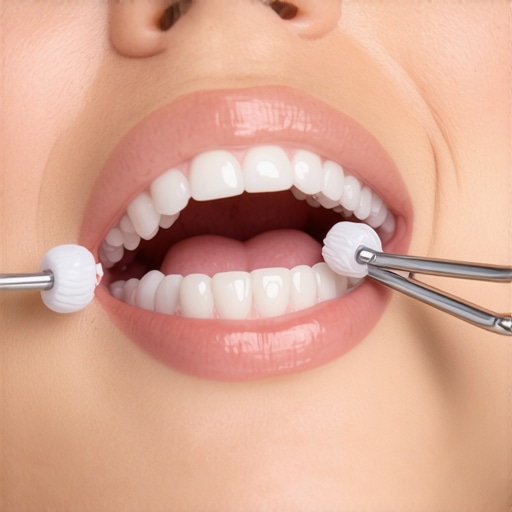
I remember the first time I realized I was neglecting my new permanent retainer’s cleaning. It was late at night, and I could feel that sticky, uncomfortable film on my teeth, especially around the wire. Despite brushing diligently before bed, I woke up the next morning with a stubborn plaque build-up and irritated gums. That lightbulb moment made me realize how much I had underestimated the challenges of maintaining oral hygiene with a retainer.
Why Proper Cleaning Matters More Than Ever
Having a permanent retainer is a fantastic solution to keep your teeth aligned, but it comes with its own set of cleaning hurdles. Unlike regular braces, the wire behind your teeth can trap food and plaque that traditional brushing might miss. If you’re like me, struggling to get every nook and cranny clean, you’re not alone—and more importantly, you’re not helpless.
Failing to clean these hard-to-reach spots can lead to cavities, gum disease, or even detachment of the retainer itself. According to recent studies, persistent plaque buildup around orthodontic appliances can increase the risk of dental issues significantly (source). That’s why developing an effective cleaning routine isn’t just about fresh breath—it’s about protecting your long-term smile.
Do You Face This Problem?
If you’ve ever felt frustrated that your usual brushing isn’t enough—or worse, you’ve noticed gum discomfort or bad breath despite brushing—you know exactly what I mean. Trust me, I’ve been there. But don’t worry; with some practical tips and a bit of patience, cleaning your teeth with a permanent retainer can become second nature.
Getting Ready for Better Oral Hygiene
Before diving into the detailed steps, let’s start with the essentials. You need the right tools—special floss, interdental brushes, and perhaps a water flosser—to reach all those tricky spots. Stay tuned, because soon I’ll share the techniques that turned my morning routine into a breeze and helped me keep my teeth healthy and bright. Ready to take control of your oral health? Let’s go!
Choose the Right Tools for Deep Cleaning
Start by gathering essential supplies: waxed floss designed for tight spaces, interdental brushes with thin, flexible bristles, and a water flosser for rinsing out stubborn debris. I remember once trying to use regular floss and struggling to get it beneath my wire—I ended up using an interdental brush, which made a noticeable difference in dislodging trapped food.
Utilize Flossing Techniques That Reach Every Nook
Slide a piece of waxed floss gently beneath the wire, hugging the tooth surface to remove plaque without damaging the retainer. I found that angling the floss slightly upward helped me slip it under the wire more easily. Moving methodically, I avoided snapping the floss, which prevented unnecessary discomfort. This meticulous approach ensures you clean between teeth and around the wire, much like threading a needle through a small loop.
Clean Around the Wire with Small Brushes
Interdental brushes are like tiny paintbrushes for your teeth. Gently insert them between the wire and tooth, sweeping back and forth. I once used a thin wire brush, but a rubber-tip stimulator proved gentler and more effective for my gums. Regular use of these tools dislodges plaque buildup that brushing alone can’t reach, preserving gum health and preventing irritation.
Incorporate Water Flossing for Extra Attention
Remember how I struggled with traditional floss? A water flosser became my game-changer—massaging and flushing out debris from hard-to-reach areas. Set your water pressure to a gentle yet effective level, aiming at the gumline and wire attachments. This step mimics a mini orthodontic irrigation, significantly reducing plaque and preventing bad breath.
Regularly Check and Maintain Your Retainer
Inspect your retainer daily for any damage or buildup. As I learned during a messy morning, neglecting this can lead to stubborn plaque, brightening the importance of routine checks. Clean your retainer separately with a soft toothbrush and non-abrasive toothpaste or a designated cleaner. This prevents the transfer of bacteria and maintains the shiny appearance aligned with long-term care guidelines.
Establish a Consistent Routine for Lasting Results
Consistency is key. Set a daily schedule—preferably morning and night—that integrates these steps seamlessly. Over time, I noticed my gums felt healthier, and the lingering discomfort vanished. Developing this routine not only keeps your teeth bright but also boosts your confidence by safeguarding your investment in your smile.
Schedule Professional Cleanings Regularly
Even with diligent home care, a professional cleaning every six months is vital. Dentists and hygienists can access those hidden spots and perform comprehensive care. During one of my visits, they removed stubborn calculus buildup that I could not reach, preventing future complications. Think of it as a tune-up for your smile, ensuring everything stays in top condition.
 While many believe they understand the basics of crowned teeth and routine cleanings, a deeper dive reveals common myths and overlooked pitfalls that can compromise long-term oral health. One widespread misconception is that dental crowns are invincible and require no special care, but in reality, improper maintenance can lead to premature failure or staining. For example, neglecting the importance of avoiding sticky or hard foods can cause chipping or loosening of the crown, underscoring the need for tailored dietary adjustments, as detailed in caring for crowns.
Many patients also underestimate the significance of correct teeth cleaning techniques around crowns. Brushing too aggressively can damage the cement bond or even crack the porcelain veneer, which is a nuanced difference from natural teeth care that often trips people up. Technique matters—gentle circular motions with a soft-bristled brush effectively remove plaque without harming the restoration, which is why consulting with a family dentist for personalized advice can be invaluable.
Contrary to popular belief, regular flossing around crowns isn’t just about aesthetics but critical for preventing decay at the margins. Some assume that once a crown is in place, flossing becomes optional, but bacteria can accumulate at the junction point if not diligently cleaned, increasing the risk of secondary caries. A common mistake is using waxed floss and pulling too hard, which can destabilize the cement. Instead, carefully sliding the floss underneath the crown’s edge — a technique that requires finesse — helps preserve both the crown and surrounding tissue.
What Advanced Signs Might Indicate a Crown Is Failing Even When Nothing Seems Wrong
From an expert standpoint, subtle signs like persistent sensitivity, slight mobility, or minor discoloration at the edges should not be ignored. These can be early indicators of cement degradation or underlying decay, which only a professional can accurately diagnose. Recent research emphasizes the importance of regular professional evaluations to detect these hidden issues before they escalate. Skipping routine checkups can turn minor problems into costly repairs, so staying proactive is key.
Another nuance often missed involves the impact of grinding or clenching habits. Bruxism applies undue stress on crowns, causing microfractures that may not be visible immediately but weaken the restoration over time. Using a night guard and consulting with a family dentist about bite adjustments can significantly extend the lifespan of crowns—something I learned through years of experience working with such cases.
Lastly, understanding the role of saliva in protecting crowns can dramatically influence your maintenance strategy. Saliva acts as a natural cleanser and buffer against acids, but conditions like dry mouth diminish this defense, increasing decay risks around crowns. Staying hydrated and discussing any medication-related dry mouth with your dentist is crucial, as highlighted in family oral health guidelines.
In summary, achieving longevity with crowns isn’t merely about avoiding overt damage but involves nuanced care, keen observation, and regular professional assessments. Break the myth that crowns require no special attention—think of them as investments in your smile that demand consistent, informed upkeep. Have you ever fallen into this trap? Let me know in the comments and share your experiences or questions. Staying aware of these hidden nuances ensures your dental restorations serve you well for years to come.
Keeping It Working: Tools That Make a Difference
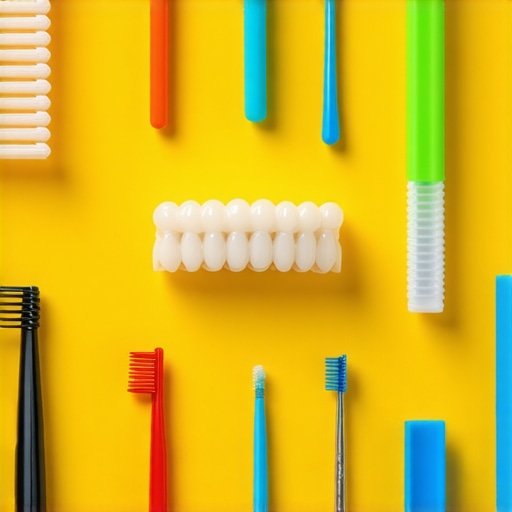
To ensure your oral health remains optimal over the years, having the right tools is essential. I personally rely on a combination of advanced equipment and smart techniques to maintain my crowns, teeth, and gums effectively. For instance, I swear by an interdental brush with ultra-fine bristles, which allows me to clean around my crown margins precisely without risking damage. Unlike regular floss, these tiny brushes penetrate tight spaces and dislodge plaque that might otherwise be overlooked, helping to prevent decay and gum issues. Caring for crowns becomes significantly easier when you incorporate this in your daily routine.
Another invaluable tool in my arsenal is a high-quality water flosser. I prefer models with customizable pressure settings, which allow gentle yet thorough rinsing around difficult spots, especially post-treatment or after meals involving sticky foods. Water flossers help wash away debris and reduce bacterial buildup, complementing traditional brushing and flossing. Regular use can decrease the risk of periodontal problems and extend the lifespan of dental restorations. Moreover, they are a game-changer for those with sensitive gums or braces, ensuring cleaning is both effective and comfortable.
Beyond hardware, I also employ targeted software to monitor my oral health. Digital apps that remind me to brush, floss, and schedule checkups help me stay consistent and avoid neglecting essential routines. The future of family dentistry points towards integrated care platforms—think of apps that sync with your dentist’s system, providing personalized tips based on your dental history, much like expert advice suggests. Staying proactive with these digital tools means catching potential issues early and maintaining the longevity of crowns, veneers, and natural teeth alike.
In terms of long-term results, regular professional evaluations are irreplaceable. Scheduling semi-annual cleanings ensures that hidden plaque or calculus—especially around intricate restorations—is managed before it causes damage. Dentists might also use innovative imaging techniques, like 3D scans, to detect micro-cracks or bone loss that are invisible to the naked eye. As research by clinical experts indicates, early detection truly makes a difference in preserving your smile’s integrity over time.
I recommend trying out a water flosser with adjustable pressure settings—it’s a small investment that pays off by giving you control over your cleaning intensity and comfort. Incorporate it into your evening routine and observe how much cleaner and fresher your mouth feels. Remember, staying consistent with these tools and routines today lays the groundwork for healthy teeth and gums decades down the line. For more tailored advice, don’t hesitate to consult with your family dentist and explore how digital innovations can support your oral health journey.
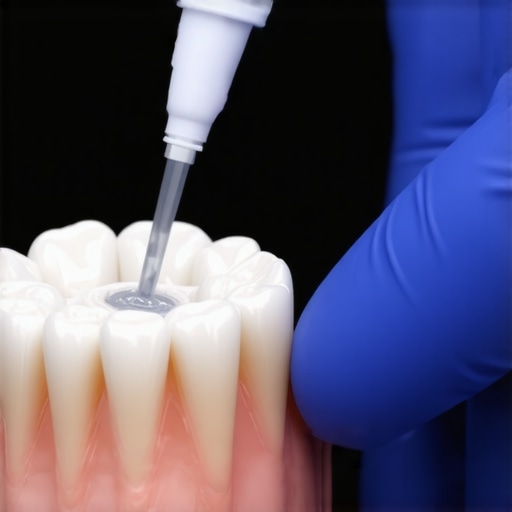
Image Prompt: Close-up of a hand using an advanced water flosser around a dental crown, emphasizing precision and modern dental tools.
Alt Text: Person using a water flosser around a dental crown for effective cleaning.
Title: Modern Tools for Long-Term Oral Health Maintenance
Why I Wished I Knew These Crown and Oral Care Secrets Earlier
- Realizing that even the most durable crowns need gentle handling was a game-changer; aggressive brushing can do more harm than good, a fact I overlooked for years.
- The importance of tailored cleaning tools became clear when I transitioned from basic flossing to specialized interdental brushes, dramatically improving my gum health.
- Understanding subtle warning signs like slight sensitivity or minor discoloration helped me catch potential issues early, saving me time and money.
- Recognizing that professional evaluations are crucial, especially for intricate restorations, reinforced the value of regular dental visits over DIY fixes.
- Adopting a proactive mindset about dry mouth and saliva’s role inspired me to incorporate hydration and saliva stimulants into my routine, preserving my restorations longer.
Tools and Resources That Changed My Approach
- Interdental brushes with ultra-fine bristles: These help me reach tight spaces around crowns without risking damage, making cleaning more effective.
- High-quality water flosser: Adjustable pressure settings allow me to rinse thoroughly without discomfort, especially after meals or treatments.
- Dental health monitoring apps: Digital reminders and tracking keep me consistent and aware of my routine, preventing neglect.
- Professional services like 3D imaging: Regular checkups incorporating advanced diagnostics help detect microcracks or decay early, protecting my smile’s longevity.
Embracing Action for a Healthier Smile
Taking charge of your oral health, especially with crowns and family dentistry in mind, is a journey worth starting today. Small, consistent steps—using the right tools, staying vigilant for warning signs, and scheduling regular professional visits—can extend the life of your restorations and keep your smile radiant. Remember, your proactive choices now will pay off in confidence and long-term oral wellness. Are you ready to prioritize your dental health and share your experiences or questions below? Let’s grow together in our quest for healthy, happy smiles!