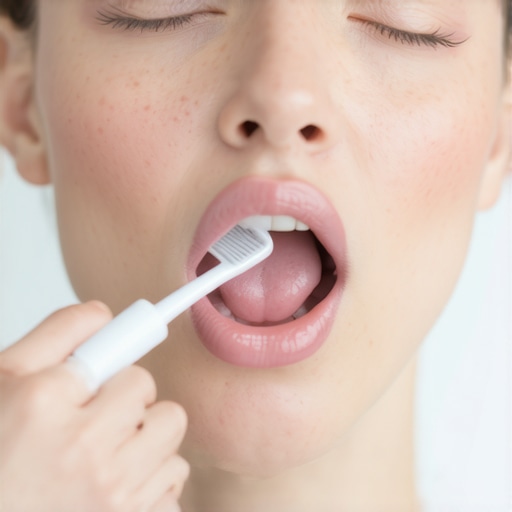
Imagine standing in front of your mirror, toothbrush in hand, ready to tackle that stubborn plaque on your tongue. But as soon as you reach back in your mouth, a familiar dread creeps in—your gag reflex kicks in hard, making the simple act of cleaning your tongue feel like a daunting obstacle. I’ve been there too, fumbling and avoiding because that uncomfortable gagging feeling seemed just too overwhelming. It was a lightbulb moment when I realized proper oral hygiene isn’t just about brushing your teeth; it’s about maintaining every part of your mouth—including that often-neglected tongue. If you’re tired of feeling trapped in this cycle, you’re in the right place. Today, I promise to share practical, easy techniques I’ve tested myself to help you clean your tongue effectively without triggering that gag reflex. So, if you’ve ever experienced that overwhelming feeling of choking or gagging when trying to clean your tongue, keep reading—you’re not alone, and there’s definitely a better way.
Why Gag Reflex Interrupts Your Oral Care Routine and What You Can Do About It
Dealing with a sensitive gag reflex can be incredibly frustrating. It often leads to skipping essential cleaning of the tongue, which is a vital part of freshening your breath and maintaining overall oral health. The gag reflex is a natural defense mechanism, a protective response to prevent choking, but it becomes problematic when it’s overly sensitive during routine care. Early on, I made the mistake of relying solely on aggressive scrapers or forcing the technique—this only made my gag reflex worse, creating a vicious cycle. According to dental experts, a gentle, gradual approach combined with the right tools can make all the difference. In fact, neglecting your tongue can contribute to *bad breath* and even impact your immune health, as bacteria like *Fusobacterium* thrive on the surface. Recognizing this, I set out to find foolproof ways to clean my tongue comfortably and effectively. If this sounds like a familiar challenge, don’t worry—I’ve compiled a list of strategies that transformed my routine and can do the same for you. Now, let’s get into the practical steps you can follow today to conquer your gag reflex and swallow your tongue cleaning worries once and for all.
Start with the Right Tools
Choose a soft, flexible tongue scraper or a gentle toothbrush. I recall the first time I used a silicone scraper; it slid smoothly and didn’t trigger the gag reflex as much as rigid metal tools. Remember, a comfortable grip and gentle pressure are key to avoiding discomfort and ensuring effective cleaning. Keep your tools clean and replace them regularly to maintain hygiene.
Position Yourself Strategically
Lean slightly over the sink to avoid splashing and maintain a comfortable head tilt. When I tried cleaning my tongue in a reclined position, I found it easier to control the scraper and minimized gagging. This position also allows you to rinse your mouth easily without having to bend over or strain.
Gradual Introduction of the Scraper
Start by lightly touching the tip of the scraper to the back of your tongue for just a few seconds. I remember gently dabbing the surface, gradually working further back each day. This slow approach helps desensitize your gag reflex over time. Repeat this gentle contact several times, increasing the distance only as you feel comfortable.
Use Short, Controlled Strokes
Press gently and sweep from the back to the front with short strokes—think of smoothing out a rough surface. During my first attempts, I found that rushing led to gagging, but slow, deliberate movements made a significant difference. Focus on collecting bacteria and debris, not on applying force.
Breathe Through Your Nose
Nasal breathing keeps your mouth relaxed and reduces gagging triggers. I discovered that inhaling deeply through my nose while cleaning helped calm my nervous system, making the process smoother. If nose congestion is an issue, consider nasal strips or consult a healthcare provider.
Incorporate Distraction Techniques
Focus on a calming image or count backwards slowly. During a messy cleaning session, I found humming or deep breathing genuinely helped keep my mind off the gagging sensation. This mental shift can reduce the gag reflex’s intensity and help you continue cleaning effectively.
Practice Regularly and Be Patient
Consistent gentle cleaning desensitizes the gag reflex over weeks. I committed to daily short sessions, and gradually, my tolerance increased. Every attempt improved my confidence and reduced discomfort, making it easier to maintain hygienic oral habits.
Address Specific Dental Considerations
If you wear crowns or have sensitive areas, be extra cautious near those spots. Proper cleaning extends to your dental crowns, which can accumulate plaque just like natural teeth. For tailored advice, visiting this resource provides insights on maintaining crowns effectively. Remember, avoiding aggressive scraping around crowns prevents damage and prolongs their lifespan.
Consistency Builds Comfort
Stick with your routine, even if progress seems slow. For me, persistence paid off—my gag reflex became less sensitive, and cleaning my tongue became a manageable part of my daily oral health routine. Over time, this consistent effort supports fresh breath and overall mouth wellness.
Many people believe they understand the basics of dental care, but even seasoned brushers often fall prey to misconceptions that can compromise their oral health. For instance, a widespread myth suggests that aggressive brushing and frequent flossing alone can guarantee a cavity-free mouth. In reality, overdoing it may damage your gums and enamel, leading to gum recession and increased sensitivity. According to a study published in the Journal of Clinical Periodontology, gentle, consistent cleaning combined with professional evaluations yields better long-term results than just scrubbing harder; you can learn more about maintaining your crowns and natural teeth effectively by visiting our expert advice page.
Another common oversight is neglecting the nuances of caring for dental crowns. Many believe that crowns require no special maintenance, but they are susceptible to plaque buildup just like natural teeth. Improper cleaning around crowns can lead to decay at the margin, compromising your restoration’s longevity. Many assume that regular brushing suffices; however, using interdental brushes or water flossers can reach those tricky areas more effectively. For tailored guidance, check out this detailed article.
When it comes to family dentistry, a common mistake is postponing routine checkups until discomfort arises. This reactive approach overlooks the value of preventive care. Regular exams can identify hidden issues like early cavities or gum disease, saving you pain and money in the long run. I often see patients who believe that as long as their teeth look fine, they’re healthy—which isn’t always the case. Studies indicate that early intervention improves prognosis and reduces invasive treatments later on. To understand more about building lifelong healthy habits, our family dentistry overview can be a helpful resource.
One advanced misconception is the idea that whitening or cosmetic procedures are incompatible with existing restorations like crowns or veneers. Many think that whitening gels will damage restorations or cause color mismatch, but in fact, most modern crowns are resistant to whitening agents, and combination treatments can enhance overall smile aesthetics. Professionals often suggest scheduling a comprehensive consultation before bleaching to ensure uniform results; more on this topic can be found at this expert guide.
Finally, ignore the subtle warning signs of oral health deterioration at your peril. For example, persistent bad breath might seem trivial, but it often signals underlying issues like plaque buildup around crowns or gum inflammation. Many fail to realize that daily routines are only part of the equation—professional assessments and targeted treatments are critical. Regular cleanings strengthen your mouth’s defenses, as highlighted in a recent study stating that consistent professional care reduces the risk of periodontal disease significantly. Find out more about how routine checkups can transform your oral health at this informative page.
Are you making any of these common mistakes? Share your experiences or questions in the comments below, and let’s keep your smile healthy and confident for years to come!
Keeping your dental health in top shape requires more than just good brushing habits; it involves the right tools, consistent maintenance routines, and understanding how to care for dental restorations like crowns. Personally, I find that investing in high-quality equipment and adopting proven techniques makes all the difference in ensuring these investments last and continue to serve their purpose effectively.
Among the various tools available, I recommend using a sonic toothbrush. Unlike traditional brushes, sonic models employ high-frequency vibrations that dislodge plaque more efficiently, especially around crowns and hard-to-reach areas. For example, I prefer the Oral-B Genius X because it offers real-time feedback and customizable settings, helping me maintain optimal brushing technique daily.
Complementing your toothbrush, a water flosser has become a game-changer in my routine. Devices like the Waterpik Water Flosser use a pressurized stream of water to clean interdental spaces and along the gum line, which is vital for preserving the integrity of crowns and preventing decay at the margins. Regular use not only maintains deep cleaning but also reduces inflammation—a key factor in long-term oral health.
For targeted cleaning around crowns, I use fine interdental brushes like the TePe Interdental Brushes. These small, soft brushes can reach tricky spots without damaging cement margins or the restorations themselves. Incorporating them into my routine, especially after meals, helps prevent plaque buildup that can compromise your restorations’ longevity.
Another essential aspect is monitoring your oral health with advanced diagnostic tools. Digital intraoral scanners, such as the ones by Cerec, provide precise 3D images of your mouth, enabling dentists to detect issues early and customize maintenance plans. Although primarily used during visits, being familiar with these technologies helps you understand the importance of regular professional evaluations.
How do I maintain my dental restorations over time?
Consistent cleaning techniques, using the appropriate tools, and scheduling routine checkups are key. For example, adhering to guidelines from this comprehensive resource, helps ensure your crowns stay shiny and functional. Remember, neglecting these steps can lead to decay at the margins or crown failure, requiring costly replacements.
Looking ahead, the trend in dental maintenance is moving toward smarter, connected devices that provide real-time feedback and personalized care. As technology advances, expect tools like smart toothbrushes and AI-driven diagnostics to become standard, making it even easier to preserve your smile for decades.
If you’re serious about long-term results, I suggest trying a combination of a sonic toothbrush and water flosser, complemented by regular professional cleanings—these simple yet effective steps will keep your teeth and crowns in excellent shape. Don’t forget to consult your dentist for tailored advice, especially if you have crowns or other restorations. Staying proactive now will save you time, money, and discomfort in the future.
The Hardest Lesson I Learned About Tongue Cleaning, Crowns, and Family Dentistry
One eye-opening experience was realizing that pressure and force only heightened my gag reflex, making tongue cleaning an endless battle. Light, deliberate touches combined with the right tools can transform your routine from uncomfortable to effortless. Patience isn’t just a virtue but a necessity—desensitizing your gag reflex takes time, but it’s worth every effort.
Uncover Secrets Dentists Might Not Reveal About Oral Maintenance
Many professionals recommend using interdental brushes around crowns because they reach places regular floss often misses. I once thought that brushing alone was enough—until I learned how specialized tools protect restorations and prevent decay more effectively. Investing in quality equipment tailored for crowns and implants is a game changer for longevity and health.
Why Overcoming Gag Reflex Opens Doors to Better Daily Care
Breaking free from the gag reflex isn’t just about cleaning your tongue; it means embracing a proactive attitude towards your entire oral health. Regularly practicing gentle techniques builds confidence, making future hygiene tasks more comfortable and less intimidating. It’s about empowering yourself to take charge of your smile’s future.
Top Picks for Elevating Your Oral Hygiene Game
My personal toolkit features a silicone tongue scraper, a water flosser like the Waterpik for deep cleaning, and interdental brushes for precise access. These tools, combined with consistent habits, help me maintain fresh breath and protect my crowns without discomfort. For comprehensive guidance, this resource offers expert tips on caring for your dental crowns effectively.
Keep Your Smile Radiant: The Journey Continues
Your effort to improve tongue cleaning and oral health isn’t a one-time fix but a lifelong commitment. Each small victory, like desensitizing your gag reflex or mastering your cleaning tools, brings you closer to a healthier, happier smile. Remember, your commitment today shapes your confidence tomorrow. So, take that step—your future self will thank you.
Which part of your dental routine do you find most challenging, and how are you planning to overcome it? Share your thoughts below—I’d love to hear about your journey towards better oral health!