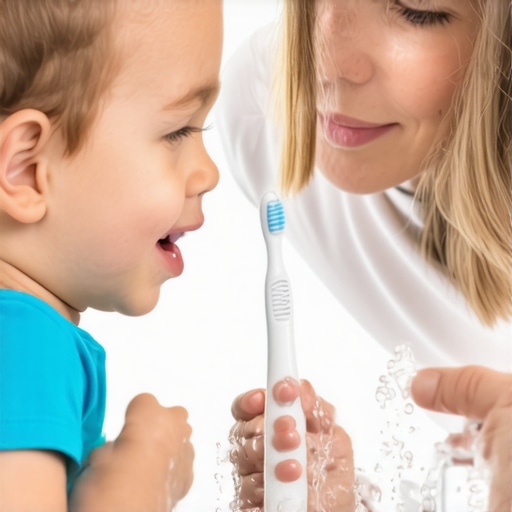
I remember the first time my child attempted to spit out toothpaste—what should have been a simple task turned into a miniature chaos of flying foam and a confused, slightly horrified face. It was a lightbulb moment for me. I realized I had been approaching this the wrong way, unintentionally setting the stage for frustration and poor oral habits.
Why Teaching Kids to Spit Properly Matters More Than You Think
As a parent, you want your child’s smile to shine brightly and stay healthy. Yet, something as seemingly straightforward as teaching them to spit out toothpaste can actually be a common stumbling block. If not done right, it can lead to issues like swallowing excess toothpaste, which isn’t just a minor inconvenience but potentially harmful, especially if they swallow too much fluoride.
From my experience, many parents focus solely on the brushing technique, neglecting how their kids learn to *spit* effectively. This often results in children developing the habit of swallowing toothpaste or spitting ineffectively, which can cause dental fluorosis—a condition that affects the appearance of the teeth with white streaks or brown stains. According to the American Dental Association, fluoride intake should be monitored during tooth development to prevent such issues.
The problem is rooted in early lessons—if kids aren’t taught the correct way to spit out toothpaste, they may feel confused or even scared during their future oral hygiene routines. This not only affects oral health but can also diminish their confidence in dental visits.
Do you remember how your child first spat out toothpaste? Did it go smoothly, or did you notice more mess and resistance than expected? If you’re nodding along, don’t worry—you’re not alone, and there’s a simple way to fix this.
In the next sections, I’ll share the practical steps that helped my family and many others turn this little challenge into a smooth, fuss-free process. We’ll explore the *why* behind proper spitting techniques, some common pitfalls, and ways to make this step a fun and effective part of your child’s daily routine.
Use Demonstration to Make Spitting Easy
Begin by showing your child how to spit into the sink. Pick a quiet moment during brushing time and perform the action yourself, exaggerating the spit to make it clear. I recall my first attempt: I leaned over the sink, mimicked a strong spit, and then prompted my child to copy me. The result was a funny, messy moment, but it broke the ice and made the learning fun.
Break It Down into Simple Steps
Guide your child through clear, manageable steps. Explain that after brushing, they should tilt their head slightly forward, open their mouth, and then pretend to blow out (like blowing on hot soup). Follow with a quick, forceful spit into the sink. Don’t rush; ensure they understand each step before moving on.
Create a Comfortable Environment to Foster Confidence
Make spitting practice a routine part of brushing, not a chore. Use encouraging words, like “Great job! You’re becoming a pro spitter.” If they resist, don’t pressure—keep it light and positive. I found that turning it into a game, such as aiming for a specific spot in the sink, helps build skills while reducing anxiety. This approach is similar to how family dentists recommend incorporating teeth cleaning into daily routines for lasting oral health, like detailed in teeth cleaning secrets.
Introduce Fun Visual Aids and Tools
Use a small mirror or a colorful sink sticker as a target for spit. For example, I placed a tiny paper boat in the sink and challenged my son to aim at it with his spit. Incorporating visuals makes the process an engaging challenge rather than a chore. These small tricks foster a positive association, paving the way for effortless spitting over time.
Practice Regularly With Patience
Consistency is key. Dedicate a few minutes each day to practice spitting after brushing. Celebrate small victories and be patient with setbacks. Remember, like maintaining dental crowns or performing routine cleanings, establishing a skill takes time and gentle persistence. If tooth or gum issues make this more difficult, consulting with a family dentist can provide tailored advice—see family dentistry tips.
Handle Messes Gracefully and Keep It Fun
Expect some mess initially—it’s part of learning. Have a towel handy and acknowledge the effort with a smile or a high-five. For instance, my first attempt resulted in toothpaste splatters all over the mirror, but it became a funny story my son asked to repeat every day. The key is to make mastering spitting a positive experience, laying the groundwork for lifelong effective oral hygiene habits.
Many people believe that brushing harder will clean their teeth better, but this misconception actually causes more harm than good, leading to enamel erosion and gum recession. It’s a common myth that seems logical—apply more pressure, remove more plaque—but in reality, gentle, thorough brushing with correct technique is more effective and safer. According to a study published in the Journal of Dental Research, aggressive brushing can damage the protective enamel layer, increasing sensitivity and risk of cavities. Therefore, understanding the nuances of proper brushing technique is essential for long-term oral health.
Another often overlooked aspect is the misconception that professional teeth cleaning is purely cosmetic. While it does improve the appearance of your smile, the true benefit lies in the removal of tartar buildup that cannot be eliminated home, preventing periodontal disease and systemic health issues. Many individuals skip regular cleanings, unaware that neglecting them can lead to more serious conditions like advanced gum disease, which has been linked to heart disease and diabetes.
When it comes to dental restorations, especially crowns, a common mistake is assuming they are maintenance-free. In fact, crowns require dedicated care to last longer—they are susceptible to decay at the margins if oral hygiene is neglected. Regular flossing and professional checkups are crucial. Some believe that crowns don’t need special attention, but studies show that neglecting them can lead to secondary decay, putting the longevity of the restoration at risk. For detailed advice on maintaining your dental crowns, visit caring for your crowns.
A hidden nuance in family dentistry involves the fluoride application for children. Many parents think that fluoride should be avoided in early childhood due to potential fluorosis. However, expert guidelines emphasize the importance of age-appropriate fluoride use to strengthen enamel and prevent cavities. Excessive fluoride, however, is where the Maintaining your dental health over time requires more than just regular brushing and flossing; it hinges on using the right tools and methods that can support your efforts and provide lasting results. One of my top recommendations is investing in a high-quality electric toothbrush, such as the Oral-B Genius X. I personally prefer this model because its oscillating-rotating technology effectively removes plaque without the aggressive brushing pressure that can damage enamel, aligning with dental studies that caution against too much force during manual brushing. Additionally, its built-in timer ensures you brush for the dentist-recommended two minutes, which helps improve your routine consistency.
For those with crowns or other restorations, I advocate for specific flossing tools like the Water Flossers. Devices like the Waterpik treatment system are excellent because they can dislodge debris from around crowns and bridges effectively, reaching spots traditional floss may miss. In my practice, I’ve seen significant improvements in patients’ gum health after incorporating water flossing into their daily routines.
Replacing your toothbrush head at least every three months is vital—this prevents bacteria buildup and maintains effective cleaning power. Personally, I keep several heads on hand to switch out regularly, especially when illness strikes, ensuring I minimize bacteria transmission.
When it comes to long-term results, maintaining a consistent schedule for professional cleanings is essential. Modern dental practices now utilize 3D imaging, which provides detailed views of your teeth and gums, helping identify issues before they escalate. Scheduling appointments based on your specific needs, typically every six months or as recommended, keeps your oral health on track.
Looking ahead, the trend in dental health tools points towards smarter devices that integrate with smartphone apps to provide personalized feedback and reminders, making routine care more engaging and precise. Embracing these innovations will likely make it easier to stay consistent and detect problems early.
How do I keep my tools working effectively over time?
Regular maintenance extends the lifespan of your dental tools and ensures optimal performance. For electric brushes, I recommend cleaning the brush head weekly with warm water and a mild soap, then letting it air dry to prevent mold. For water flossers, descale the unit monthly with a vinegar solution to remove mineral deposits that can hinder operation. Also, storing your tools in a dry, clean place prevents bacteria buildup.
Finally, pair your tools with proper technique and routine visits to your family dentist. Combining the right equipment with consistent, proper use doesn’t just preserve your dental work— it enhances the longevity of crowns and other restorations, as detailed in tips for caring for crowns. When properly maintained, these tools contribute to a healthier, happier smile for years to come.
For a practical starting point, try upgrading to a sonic electric toothbrush and commit to replacing your brush heads every three months. This small change can significantly bolster your long-term oral health efforts and support your journey toward a resilient, beautiful smile.
Through my journey in family dentistry, I discovered that mastering the simple act of spitting out toothpaste can be a game-changer in a child’s oral health. The real insight came when I realized that effective spitting isn’t just about rinse and repeat—it’s a practice that builds confidence, prevents overexposure to fluoride, and fosters a positive attitude toward dental routines.
What I Wish I Knew About Oral Hygiene Breakthroughs
- One of the hardest lessons was understanding that teaching a child to spit effectively sets the foundation for future dental habits. It’s a skill that, once mastered, automatically reduces the risk of swallowing excess fluoride and other dental products.
- I’ve learned that incorporates playful visuals and consistent practice can transform a child’s perception of spitting from a chore into a fun challenge, making routine dental care more engaging and less stressful.
- Patience and positive reinforcement are critical. In my experience, celebrating small victories encourages children to develop their spitting skills naturally, paving the way for overall improved oral health.
- An often-overlooked aspect is the importance of tailoring tools like water flossers or visual targets, which can make a significant difference in mastering proper spitting techniques—something I recommend exploring in-depth through trusted resources.
- Lastly, I realized that a supportive environment—free from pressure and filled with encouragement—can turn an initially messy process into a lifelong healthy habit, eventually leading to more confident dental visits and healthier smiles.
Tools and Resources That Made a Difference
- Personalized Water Flossers: Devices like Waterpik have transformed how I recommend maintaining crown hygiene and overall periodontal health because they effectively clean around restorations without damage.
- Educational Play Kits: Visual aids and targets, such as small boats or stickers placed in the sink, help children aim and succeed, turning learning into a game they look forward to.
- The American Academy of Pediatric Dentistry’s guidelines on fluoride use and spitting techniques ensure I stay updated on best practices, which I pass on to my patients.
- Online guides and videos from reputable dental sources, like teeth cleaning tips, have also empowered me to reinforce techniques at home effectively.
Jumpstart Your Path to Better Oral Hygiene Today
Remember, creating positive experiences around spitting and oral care can spark a lifelong commitment to maintaining a healthy smile. Don’t underestimate how small habits learned early can influence your entire family’s oral health journey. Whether you’re teaching your child or refining your own routine, embracing these tips today will set the stage for a brighter, healthier future. If you’re ready to explore more about personalized dental care, consider reaching out through our contact page.
What was your biggest challenge in teaching a child to spit correctly? Share your experiences below, and let’s learn together!