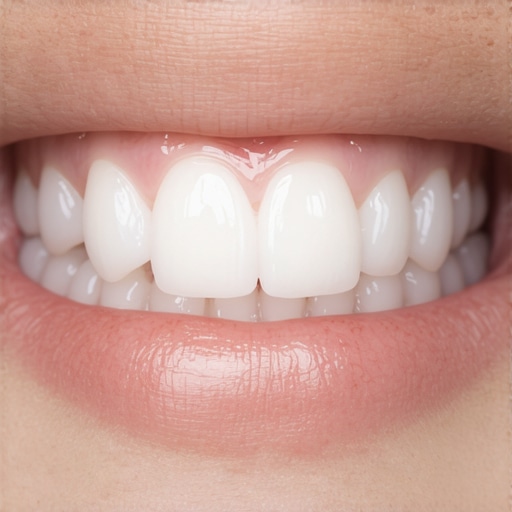
I still remember the shock I felt when I hit my mouth during a casual volleyball game and saw my smile in the mirror afterward—my front tooth looked darker, almost gray, and somehow even more unsettling than the initial pain. That moment was a wake-up call. Suddenly, I was faced with a question I hadn’t considered before: why does a dental injury sometimes leave your teeth looking darker or gray?
This isn’t just about aesthetics. It’s about what’s happening inside your tooth and how it affects your oral health and confidence. If you’ve experienced a sudden dental trauma and noticed a darkening or grayish hue, you’re not alone. Many people encounter this issue and feel confused, even worried, about what it means and what they can do.
In this post, I’ll share what I’ve learned from personal experience and professional insights. We’ll explore why teeth darken after a sudden injury, what it indicates about your tooth’s health, and most importantly, how you can address and fix the problem effectively. If you’re wondering whether this darkening is something to ignore or a sign to see your dentist right away, stick around. I promise, the solution might be closer than you think.
Decoding the Darkening: What’s Really Going on Inside Your Tooth
When a tooth is abruptly injured, especially when it’s hit hard or suffers a fracture, the internal pulp tissue can become damaged. The pulp contains nerves, blood vessels, and connective tissue that keep the tooth alive. If this area sustains trauma, it can lead to bleeding within the pulp chamber. Over time, this internal bleeding can cause the tooth to appear darker or gray.
This change isn’t just cosmetic—it’s a sign that the tooth may be dying or experiencing necrosis, meaning the pulp tissue is no longer healthy. According to research published by the American Association of Endodontists, pulp necrosis can develop rapidly after trauma, and early intervention is crucial to saving the tooth.
But here’s the thing—I’ve made the mistake early on of ignoring this discoloration, thinking it was just a superficial stain. That was a mistake. Delaying treatment can lead to infection, abscess formation, and even tooth loss. That’s why understanding the significance of a darkened tooth after injury is vital.
If you’ve faced this problem, the good news is that you can often preserve your tooth with prompt treatment, such as a root canal or other restorative procedures. And the sooner you act, the better your chances of reversing the damage and maintaining a healthy, beautiful smile.
Would you like to learn more about how to effectively treat a darkened or gray-looking tooth after trauma? Next, I’ll walk you through practical steps and share how professional dental care, like expert crown placement, can help restore your confidence and dental health. To get started, don’t hesitate to contact your dentist or visit [this page](https://periodontistcare.com/contact-us) for personalized advice.
Seek Professional Dental Evaluation Immediately
The first concrete step is to schedule an appointment with a qualified dentist without delay. When I experienced my own dental trauma, I contacted my dentist the next day and shared my concerns about the darkening. They examined my tooth to determine if pulp necrosis or internal bleeding was occurring, which required prompt treatment. Remember, early diagnosis can save your tooth from further damage or infection—avoid waiting or trying to self-diagnose.
Understand the Role of Diagnostics and Imaging
Your dentist will likely perform a series of diagnostics, including X-rays or 3D imaging, to assess the extent of damage inside the tooth. These images help visualize internal bleeding, fractures, or necrotic pulp tissue—factors that contribute to discoloration. Think of this process like a mechanic inspecting an engine to locate an unseen problem; the clearer the picture, the more accurate the repair plan. I once watched my dentist examine my X-ray, which revealed pulp decay invisible to the naked eye, leading to an immediate root canal decision.
Prepare for a Root Canal or Restorative Procedure
If internal damage has compromised the pulp, a root canal becomes necessary to remove the dead tissue, disinfect the canal, and seal it. During my own procedure, I appreciated how local anesthesia and gentle handling minimized discomfort. The process involves drilling into the tooth, removing infected pulp, and then sealing the space with a biocompatible material. It’s crucial not to delay this step, as untreated necrosis risks abscess formation and further darkening of the tooth.
Consider Restorative Options Like Crowns
Once the root canal is complete, restoring the tooth’s structure and color is essential. A dental crown, particularly a porcelain or zirconia one, can mask discoloration and provide strength. I chose a zirconia crown after the procedure, and the result was a natural-looking, durable finish. Think of it like putting a new cap on a worn-out jar; the crown not only covers the discoloration but also reinforces the tooth for normal function. I recommend visiting this page to learn how crowns can uplift your smile.
Implement a Regular Oral Hygiene Routine
Post-treatment, maintaining good oral hygiene prevents future issues and keeps your restored tooth looking its best. I adopted a diligent routine—brushing at least twice daily, flossing, and using an antiseptic mouthwash. Incorporating advice from this guide helped me stay proactive. Proper care can prevent plaque buildup that leads to staining or breakdown around the crown edges.
Schedule Routine Cleanings and Checkups
Adhering to professional cleaning appointments is vital. I set reminders and used gentle, family-friendly brushing techniques to ensure my teeth remained healthy. Professional cleanings remove calculus and surface stains that home brushing can miss, maintaining the aesthetic and health of your restoration. Think of it like tuning a musical instrument; regular adjustments keep everything functioning smoothly.
Monitor and Address Discoloration Early
If you notice further darkening or sensitivity, revisit your dentist promptly. Early intervention might include internal bleaching or other aesthetic procedures. I learned this lesson firsthand when minor discoloration reappeared six months later; early tooth whitening helped retain a natural appearance without invasive procedures.
Many people believe that dental crowns are a one-size-fits-all solution or that they last forever without maintenance, but the truth is far more nuanced. Contrary to popular belief, crowns require diligent care and regular check-ups to ensure longevity and optimal appearance. For instance, some assume that once a crown is placed, it can never chip or wear down, yet advancements in materials like zirconia have significantly improved durability, but neglecting proper oral hygiene can still lead to complications. A common myth in family dentistry is that children don’t need professional cleanings; however, early interventions and education on proper brushing habits are crucial for long-term oral health.
Are You Overlooking the Subtle Signs of Oral Disease?
Many advanced issues, such as gum recession or subtle cavities, can be easily missed if you’re only focusing on visible problems. Studies show that 70% of periodontal issues start below the gum line, emphasizing the importance of professional assessments beyond just visual inspection. Ignoring these signs and relying solely on home care can result in significant complications down the line. Regular professional cleanings are essential, not just for removing surface plaque but for detecting early disease indicators that could save your teeth. For comprehensive advice on maintaining healthy crowns and preventing issues, I recommend reading about expert tips for crowns and cleanings. It’s also easy to underestimate how habits like improper brushing or skipping flossing can undermine your efforts. Incorporating a routine that includes gentle yet thorough cleaning, along with periodic professional cleanings, is vital. Check out these effective home practices to stay ahead. Furthermore, many believe that brushing harder cleans better; in reality, aggressive brushing can damage enamel and gums, leading to sensitivity and recession. Learning proper technique through guidance can prevent this common mistake.
What Advanced Signs Indicate Your Oral Care Might Be Falling Short?
Beyond the usual discomfort or bleeding, look for subtle cues like persistent bad breath, changing gum color, or the sensation of teeth shifting—these often signal that your oral health needs professional assessment sooner rather than later. Regular dental visits and deep cleanings are designed to catch these issues early, avoiding costly restorations later. Have you ever fallen into this trap? Let me know in the comments. Prioritizing knowledge about these nuances helps you make informed decisions and maintain a healthy, confident smile for years to come.Maintaining your dental crowns and optimizing family oral health requires more than just good brushing habits. The right tools and techniques can make a significant difference over time. Personally, I swear by using an ultrasonic toothbrush like the Philips Sonicare DiamondClean, which effectively removes plaque without damaging delicate restorations. Its sonic technology oscillates at a high frequency, reaching areas that manual brushing often misses, preventing buildup that could compromise crowns. For interdental cleaning, I recommend Waterpik’s Water Flosser, which gently cleans between teeth and around crowns, reducing the risk of gum disease — a crucial aspect in family dentistry. I also rely on a high-quality dental mirror with LED illumination for better visibility during daily hygiene routines, ensuring I don’t miss areas prone to plaque accumulation.
How do I maintain crowns over time?
Regular professional cleanings are vital, ideally every six months. I schedule these appointments through my dentist, who uses advanced methods like 3D imaging to monitor crown integrity and surrounding tissue health. During cleaning, specialized instruments and ultrasonic scalers prevent surface damage while effectively removing calculus. For at-home maintenance, I use fluoride-rich toothpaste designed for sensitive teeth and enamel-friendly whitening gels to maintain both health and aesthetics. Staying vigilant about signs of wear or discoloration helps catch issues early, often before they become painful or costly. Additionally, I avoid hard foods and sticky candies that could chip or loosen crowns. As dental restoration materials, particularly zirconia, become more durable (see: https://periodontistcare.com/why-your-dental-crown-might-need-to-be-replaced-after-a-decade), consistent care extends their lifespan, often surpassing ten years with proper maintenance. The future of oral health lies in smart tools like biofeedback-enabled toothbrushes and AI-powered oral health apps that track your habits and provide personalized advice. These innovations will empower patients to take better control of their long-term dental wellness. Therefore, I encourage you to invest in high-quality tools and integrate routine professional evaluations into your family dental care. For example, try using an ultrasonic toothbrush daily to improve plaque removal and preserve your crown’s integrity. Want to learn more? Visit [this page](https://periodontistcare.com/maintaining-your-dental-crowns-dos-and-donts-for-best-results) for detailed tips on the do’s and don’ts of crown maintenance.
What I Wish I Learned About Crowns and Family Dental Care Early On
One of the most profound lessons I’ve had is that prevention and early action in dental health often save you from complex, costly procedures later. I used to believe that a darkened tooth after trauma was just a superficial issue, but I now realize it signals deeper internal damage that requires immediate attention. Recognizing subtle signs and trusting professional diagnostics can be the difference between saving or losing a tooth. It’s empowering to understand that routine family dental visits and proper hygiene can prevent many of these surprises.
Tools and Resources That Changed My Approach to Oral Health
Over the years, I’ve come to rely on certain tools and expert advice that truly make a difference. The Philips Sonicare DiamondClean electric toothbrush, for example, offers gentle yet thorough cleaning, which is gentle on crowns and restorative work. Additionally, the comprehensive guides available at this site helped me develop better daily habits. For deeper insights, I consult trusted expert advice to stay updated on what’s best for my family and me. Investing in the right tools and knowledge profoundly impacts long-term dental wellness.
Keep Your Smile Brighter Than Ever by Taking Action Today
Your dental health, especially after trauma leading to discoloration, isn’t something to postpone. Early intervention and consistent care can preserve your natural teeth and restore your confidence—a bright smile is as much about your health as your appearance. Don’t wait for problems to worsen; schedule a professional evaluation now at this page. Remember, knowing what to do can fundamentally change your dental future. Your journey towards lasting oral health and a vibrant smile starts today—take that first step now!