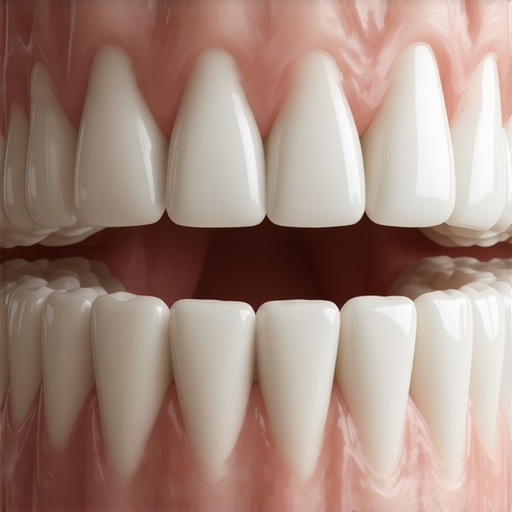
It was a morning just like any other, but as I reached for my coffee, a sharp jolt of pain shot through my tooth. I thought it was just temporary discomfort, maybe from biting into something cold or hot. But days passed, and the sensitivity didn’t fade; instead, it worsened. That was my lightbulb moment—realizing that those old fillings I’d overlooked might be the silent culprits behind my persistent tooth pain. If you’ve experienced similar discomfort, you’re not alone, and today I want to share what I discovered about the hidden dangers lurking in those aging dental restorations.
Why Your Old Fillings Could Be Causing Tooth Sensitivity
Many people assume that once a filling is in place, the job is done. But the reality is, dental fillings aren’t meant to last forever. Over time, they can develop tiny cracks, wear down, or even shrink, creating new vulnerabilities in your tooth. These imperfections allow air, hot, or cold to reach the nerves inside your tooth more easily, triggering sensitivity.
What I didn’t realize early on was that the decay process never truly stops beneath an old filling. It can continue to progress, leading to a weakened structure and increased nerve exposure. Sometimes, the pain you feel is a sign that bacteria have crept underneath, even if the filling looks intact externally. Recognizing this is crucial because ignoring it could result in more invasive procedures like root canals.
According to recent studies, failing to address compromised fillings significantly increases the risk of developing tooth infections and long-term damage. Regular dental check-ups are essential for catching these issues before they escalate. If you’re experiencing sensitivity, it might be time to consider having your fillings evaluated by a professional. For expert advice and tailored solutions, check out this guide on crowns and teeth cleaning.
Have you noticed a sudden increase in sensitivity around your fillings? It’s a common problem, but one that’s often overlooked. I learned the hard way that addressing these concerns early can save you from more extensive—and expensive—dental treatments down the line. So, stay tuned—next, I’ll share practical steps to identify if your fillings might be the root cause of your discomfort, and what you can do about it.
Inspect Your Fillings Like a Detective
Start by visually examining your teeth for cracks, chips, or discoloration around old fillings. Use a mirror in good lighting and gently check each tooth. I once took photos of my suspicious fillings and compared them over a few days—any changes or rough edges stood out. If anything looks uneven or worn, schedule a dental appointment to get it professionally evaluated.
Feel for Discomfort and Changes in Sensitivity
Next, pay attention to your sensations. Bite down gently on both sides of your mouth to see if you notice sharp pain, especially when chewing or with temperature changes. I noticed that biting certain areas caused quick discomfort, which was a clear sign I needed to see a professional. Keep a mental note or journal of when the pain occurs and share this info with your dentist.
Schedule a Professional Dental Check-Up
Don’t wait until pain worsens. Book an appointment with your family dentist, who can perform a thorough exam and possibly take X-rays to check beneath the fillings. Think of this step like using a flashlight in a dark room—it illuminates hidden issues that aren’t visible externally. Regular check-ups help catch problems early before they escalate.
Ask About Replacement or Repair Options
If your dentist spots deterioration, ask about filling replacement. Modern materials like composite resins or zirconia crowns offer durability and aesthetic benefits. During my visit, my dentist recommended replacing a cracked amalgam with a composite filling—an upgrade that boosted my confidence and reduced sensitivity. Remember, timely replacement prevents decay from progressing, saving you discomfort and costly treatments later.
Maintain Good Oral Hygiene Practices
Consistent cleaning extends the life of your restorations. Brush twice daily with fluoride toothpaste, floss gently around fillings, and consider mouth rinses that strengthen enamel. For my family, I implemented a daily routine using effective home practices, like the tips found here. This consistency helps prevent bacteria from seeping under compromised fillings, which can worsen sensitivity.
Stay Educated on Signs of Worsening Damage
Be alert for persistent pain, swelling, or a metallic taste. These could indicate infection or leakage beneath your filling. In my case, ignoring minor discomfort allowed decay to develop unnoticed. Regular dental visits are key to catching subtle changes early, much like inspecting your car for tiny leaks before a major breakdown.
Utilize Expert Resources for Ongoing Care
For additional tips on maintaining dental restorations, explore this guide on caring for crowns. Fortifying your oral health reduces vulnerability and ensures your fillings last longer. Remember, proactive steps now save you pain and money in the future, turning a simple check-up into a strategic move for your smile’s health.Many assume that oral health is straightforward, but even seasoned dental patients often get the nuances wrong. One common myth is that a shiny, smooth crown or filling indicates longevity, when in reality, careful maintenance and understanding material differences are crucial for durability. For instance, many believe all dental crowns are equal, but zirconia crowns, as discussed in this article, offer superior strength and longevity compared to traditional porcelain options, especially in back molars. Overlooking these differences can lead to premature failure or unnecessary replacements.
Another advanced mistake is underestimating the impact of oral hygiene routines. Regular brushing and flossing are vital, but neglecting proper techniques or using abrasive toothpaste can erode restorations and surrounding enamel. According to research published in the Journal of Oral Health, routine care tailored to your specific restorations significantly extends their lifespan.
A key misconception among many is that family dentistry sessions are only about checkups and cleanings. However, comprehensive family dental practices integrate personalized preventive strategies, advanced diagnostics, and education that adapt to each family member’s unique needs. An expert approach considers the subtleties, such as the effects of dietary acids on enamel around crowns and fillings. For in-depth advice on this, explore this guide on family oral health in 2025.
Interestingly, one of the most overlooked details is the significance of regular teeth cleaning beyond plaque removal. It’s a critical step in detecting early-stage issues like microcracks or marginal breakdowns that often go unnoticed. These small defects, if left untreated, could compromise the integrity of restorations, leading to more complex interventions. Think of professional cleaning as a diagnostic and preventative investment. For best practices, see effective home and professional cleaning tips.
So, what about advanced questions—why do some crowns require replacement after just a decade even with proper care? The answer lies in material fatigue and the micro-movements of your bite over years. Modern materials like zirconia resists chipping better than porcelain-fused-to-metal options, especially in high-stress areas, as detailed in this post. Understanding these factors can help you make informed decisions and avoid the trap of unnecessary replacements.
Have you ever fallen into this trap? Let me know in the comments. Usually, these misconceptions are subtle but can significantly impact your oral health and wallet. A nuanced understanding and proactive approach are your best tools for a healthy, long-lasting smile.Maintaining your dental work isn’t just about regular brushing and flossing; it also involves using the right tools and adopting effective routines that ensure longevity and health. One of the most critical aspects I prioritize is investing in a high-quality electric toothbrush, such as the Oral-B Genius X. Its oscillating-rotating technology provides superior plaque removal, especially around crowns and fillings, compared to manual brushing. I personally prefer models equipped with pressure sensors, which alert me if I brush too hard—protecting delicate restorations from unnecessary wear. Regularly replacing the brush head every three months is vital because worn bristles are less effective and can harbor bacteria, defeating the purpose of your oral hygiene routine. For completeness, I pair my brush with a fluoride-rich toothpaste, like Colgate Total, which strengthens enamel and helps ward off decay beneath restorations.
A consistent *flossing technique* complements daily brushing. I recommend a water flosser for family members with braces or those prone to gum issues. The water stream effectively clears debris from around crowns and bridges, reducing plaque buildup in hard-to-reach spots. Personally, I find that using an interdental brush on larger gaps—specifically tiny rubber-tip tools—helps keep these areas clean without causing damage.
Beyond manual tools, I use a smartphone app that reminds me to brush and floss, making routine maintenance engaging and habit-forming. For example, the Philips Sonicare app syncs with compatible toothbrushes, tracking your habits and offering personalized tips. Technology has progressed so much that I believe future dental care will involve AI-powered monitors that analyze saliva composition or detect early signs of deterioration in restorations, enabling preemptive action before problems become obvious.
To ensure these efforts pay off in the long run, regular professional cleanings are indispensable. During visits, my hygienist employs ultrasonic scalers, which are more effective at removing calculus and biofilm than traditional instruments, especially around crowns. Additionally, periodic dental exams allow the dentist to assess the integrity of restorations with advanced imaging like 3D scans, catching issues early. I make sure to schedule appointments at least twice a year, a standard recommended by experts.
**How do I maintain my restorations over time?** The key is combining daily effective cleaning with routine professional evaluations. Adopting tools like water flossers and electric toothbrushes not only saves time but also enhances the quality of hygiene around crowns and fillings. Remember, a proactive approach now can prevent costly repairs later. For more on this, see the [expert advice on crowns and teeth cleaning](https://periodontistcare.com/expert-advice-on-crowns-and-teeth-cleaning-for-lasting-results).
In the future, advancements like AI diagnostics and smarter oral care devices will likely make maintenance even easier and more precise, empowering you to maintain a healthy smile effortlessly. So, why not start by upgrading your toothbrush or adding a water flosser today? Your restorations will thank you, and you’ll enjoy their lasting benefits longer.
Looking back, I realized that the silent lessons about maintaining healthy dental restorations were hidden in my own experiences with persistent tooth sensitivity. The journey taught me that even the most ordinary-seeming issues can unveil profound insights about our oral health, especially when it comes to old fillings and how they impact our smile confidence.
Little Secrets That Transformed My Approach to Dental Care
- Patience is key: I learned that addressing minor discomforts early can prevent bigger problems, emphasizing the importance of regular check-ups rather than waiting for pain to spike.
- Visual vigilance matters: Regularly inspecting my fillings for cracks or discoloration revealed subtle changes that otherwise might be overlooked, reinforcing the value of being proactive.
- Choose quality over convenience: Upgrading to modern materials for replacement fillings not only boosted my confidence but also drastically reduced future sensitivity issues.
- Leverage technology wisely: Using dental apps and at-home tools elevated my ability to maintain oral health and stay in tune with my restorations’ condition, making daily routines more effective.
- Humility in seeking expert guidance: Listening to my dentist’s candid advice about when to replace aging fillings saved me from costly and invasive treatments later on.
Tools That Become Personal Allies in Dental Well-being
- Professional guidance – Critical for early detection and tailored solutions.
- Modern restorative materials – They’re my secret weapon against discomfort and loss of confidence.
- Effective oral hygiene routines – Daily habits that protect my investments in dental health.
- Regular check-ups – They’re like a yearly tune-up for my smile, catching issues before they become painful.
Your Smile’s Future Starts Today
Embarking on a committed journey of attentive dental care has been my story of transformation. The realization that my old fillings could be the hidden culprits behind sensitivity inspired me to take immediate action. I encourage you to examine your own dental health with the same curiosity and care. Together, through proactive measures, advanced tools, and expert advice, you can ensure your smile remains vibrant and resilient for years to come.
What step will you take today to better care for your dental restorations? Share your commitment below—I’d love to hear about your journey toward a healthier, more confident smile.