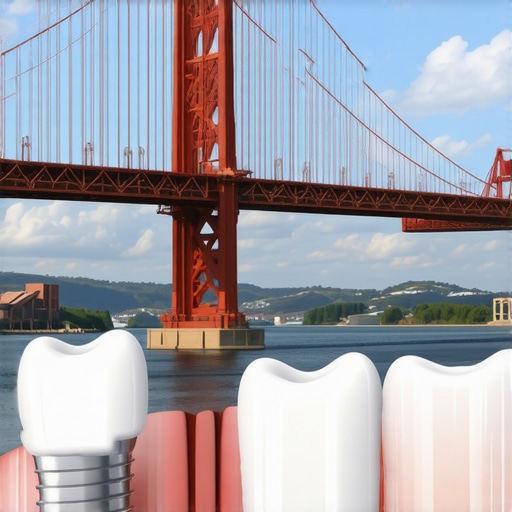
I remember the moment vividly. Sitting in my dentist’s chair, I realized I was faced with a decision that could shape my smile and confidence for years to come. My tooth had broken a bit after a nasty fall, and suddenly, I was navigating unfamiliar territory—what’s the difference between a dental bridge and a dental implant? It felt overwhelming, almost like being handed a foreign language. If you’re reading this and feeling just as lost, you’re not alone. Many people wrestle with the same confusion, unsure which option suits their needs best.
Today, I want to share my journey and, more importantly, provide clear, practical information that can help you make an informed choice. We’ll explore the differences between a dental bridge and an implant, breaking down the pros and cons seamlessly so you can decide with confidence.
Why Knowing Your Options Matters Right Now
In today’s world, dental health isn’t just about appearance; it’s about overall wellness, too. Missing teeth can affect your speech, eating habits, and even your self-esteem. The good news? Advances in dental technology have provided various solutions, but that also means deciding which route to take isn’t always straightforward. According to the American Association of Oral and Maxillofacial Surgeons, over 50% of adults aged 20-64 are missing at least one tooth, making this a common dilemma.
Choosing the right treatment can feel daunting, especially when you’re bombarded with marketing buzzwords and conflicting opinions. I’ve made mistakes early on—like rushing into a solution without understanding the long-term implications—and learned that a little knowledge goes a long way.
If you’ve ever hesitated, asking yourself, “Is a bridge really better than an implant?”, keep reading. We’ll uncover the reality behind these options, so you can avoid costly regrets and unnecessary discomfort.
Is the Hype Around Dental Implants Overblown?
Let me be honest: I initially thought dental implants sounded invasive and overly complicated. I almost settled for a bridge simply because I thought it was less intimidating. That was a mistake. Early in my research, I failed to realize that implants often offer a more durable and natural-feeling solution. As I’ve learned from experts, such as those shared on [this resource](https://periodontistcare.com/understanding-the-role-of-crowns-in-modern-smile-makeovers), implants integrate with your jawbone, providing a stability that bridges can’t always match.
Making the right choice requires understanding your unique situation, including your bone density, implant costs, and personal preferences. So, let’s dive into the specifics—what really differentiates these two options, and which one might be perfect for your smile?
Start with Your Bone Health
Before deciding, evaluate your jawbone density, which is crucial for implant stability. I personally booked a consultation with my dentist, who recommended a quick X-ray to assess my bone quality—you can’t skip this step. If your bone is weak, a bone graft might be necessary, or a bridge could be a better fit. Remember, a strong foundation is key, much like building a house: the better the foundation, the more durable the structure.
Compare Long-Term Durability and Maintenance
Implants mimic natural teeth and often last 20+ years with proper care. I learned that, unlike bridges, implants don’t compromise neighboring teeth and are easier to maintain. During my own treatment, I adopted a daily routine of thorough cleaning, including special tools like interdental brushes, to keep my implant healthy. For bridges, cleaning underneath the false tooth required some tricky maneuvering, almost like trying to reach under a tight lid of a jar—you need the right tools and patience.
Use Proper Oral Hygiene Practices
Maintaining oral health is non-negotiable. I incorporated recommended practices from this guide to ensure my smile stayed healthy. Use soft-bristled brushes, gentle floss, and consider water flossers for implants or bridges to remove plaque effectively without damaging your restorations. Regular dental visits, at least twice a year, help catch issues early, much like regular tune-ups for your car.
Assess Cost, Time, and Personal Comfort
Financial and time investments vary significantly. I found that implants initially cost more but saved me money long-term by avoiding future repairs. The procedure duration also matters; implants require several months for placement and healing, sort of like planting a seed and waiting for it to grow. bridges can typically be completed in less time but may need replacements after a decade. Personally, I preferred a solution that aligned with my lifestyle and budget.
Factor in Aesthetic and Functional Goals
Appearance and function are often tied together. My dentist emphasized that implants look and feel more like real teeth. During my consultation, I saw photos of patients who regained their confidence after opting for implants, which restored their bite and natural smile, similar to having your original tooth back. Bridges, while less invasive initially, can sometimes feel less natural and might not support biting as efficiently, especially with larger gaps.
Seek Professional Guidance and Personalized Advice
Every mouth is unique. I scheduled a detailed discussion with my dental professional, which helped clarify my options. They considered my overall health, financial situation, and personal preferences—much like consulting a coach before a big game. Visiting a reputable clinic, such as the ones listed on this contact page, ensures you’re getting expert guidance tailored to your needs.
Many assume that brushing twice daily and visiting the dentist regularly are all it takes to maintain healthy teeth, but there’s a deeper layer of understanding that many overlook. For example, a common myth is that frequent professional cleanings alone will keep cavities and gum disease at bay; however, recent research highlights that personalized home care routines play a more significant role in long-term oral health. Relying solely on cleaning appointments without mastering daily routines can be an expensive mistake, as proper oral hygiene extends far beyond just brushing and flossing. Advanced techniques, such as correct interdental cleaning methods, can significantly reduce plaque buildup that conventional brushing misses, which is backed by a 2022 study from the Journal of Oral Science. Moreover, there’s a misconception that all dental restorations, like crowns, are permanent solutions—when in fact, their longevity heavily depends on ongoing maintenance and understanding the subtleties of caring for them. Visiting professionals who specialize in Crown and Teeth Cleaning, as explained in this resource, can help you avoid common pitfalls that lead to deterioration. An often underappreciated aspect is the importance of saliva, which acts as a natural buffer against acid attacks; neglecting its protective role can accelerate decay, especially in those with dry mouth issues, a condition that requires tailored management for sustained oral health. The misconception that regular brushing suffices often leads patients to ignore signs of early gum disease, which can progress silently. Regular professional exams combined with advanced home care practices—like using water flossers or mouth rinses—are crucial, as detailed in this article. Finally, a subtle but critical nuance is understanding the effects of diet on oral health. Consuming frequent sugary or acidic foods without proper aftercare can undo the benefits of even the most meticulous brushing routines. For a comprehensive understanding of how balanced nutrition supports restorative procedures like crowns and implants, see this detailed guide. Recognizing these nuances empowers you to make smarter choices and avoid costly, preventable dental issues. Have you ever fallen into this trap? Let me know in the comments.Maintaining your oral health over time requires more than just regular brushing and flossing; it demands the right tools and disciplined routines. I found that investing in quality dental equipment has made a significant difference in my long-term results. For example, I personally use the Waterpik Ultra Water Flosser because it effectively reaches areas that traditional floss misses, especially around crowns and bridges. Its pulsating stream not only dislodges plaque but also massages gums, promoting healthier tissue. Plus, I appreciate its adjustable pressure settings, allowing me to customize my cleaning intensity, which is gentle yet thorough. Regular use of a water flosser has noticeably reduced my gum inflammation and helped me preserve my restorations longer.
Regarding manual toothbrushes, I always opt for a soft-bristled model endorsed by dental professionals. Medium or hard bristles can damage enamel or cause gum recession, leading to increased sensitivity over time. I switch my toothbrush every three months to ensure optimal cleaning efficiency, as worn bristles can’t remove plaque effectively. To maintain my crowns and natural teeth, I incorporate interdental brushes designed specifically for use with dental restorations. These tiny brushes, like the TePe Interdental, effortlessly clean between teeth and around crowns without risking damage.
Understanding the importance of professional guidance, I schedule biannual cleanings with my dental hygienist. During these visits, they utilize ultrasonic scalers that remove tartar buildup more effectively than manual scraping, especially in hard-to-reach areas. Additionally, my hygienist recommends occasionally using a whitening-safe polishing paste to prevent staining and maintain the shine of my crowns and natural teeth.
Looking ahead, the trend in oral care technology points toward smart devices that sync with smartphone apps, providing real-time feedback and reminders. I predict that in the near future, AI-driven diagnostics may assist in early detection of issues like micro-cracks or early gum disease, helping us intervene before problems worsen. It’s an exciting evolution that could redefine personal dental care.
So, how do I preserve the results of my dental work long-term? The answer lies in consistent use of the right tools, like water flossers and interdental brushes, combined with professional care and a disciplined routine. If you haven’t tried a water flosser yet, I highly recommend it—it’s a game-changer for maintaining crowns and bridges. Remember, the key to lasting oral health isn’t just about what you do periodically but sticking to a daily routine that supports your unique dental needs. Explore more about effective home practices here, and consider integrating these advanced tools into your routine today.Throughout my journey with dental restorations, I discovered that the most valuable lessons came from those unexpected moments of insight. One of the hardest lessons I learned was how critical consistent, personalized oral hygiene routines are—most people underestimate their impact. I also realized that not all dental tools are created equal; investing in quality, like a Waterpik Water Flosser, made a tangible difference in my long-term smile health. Perhaps most surprisingly, I found that understanding the nuances of my own oral anatomy—like bone density and gum health—empowered me to choose solutions that truly fit my lifestyle and needs. Lastly, I learned that seeking professional guidance isn’t a sign of weakness but a pathway to confidence, ensuring that every decision about my smile was informed and tailored.