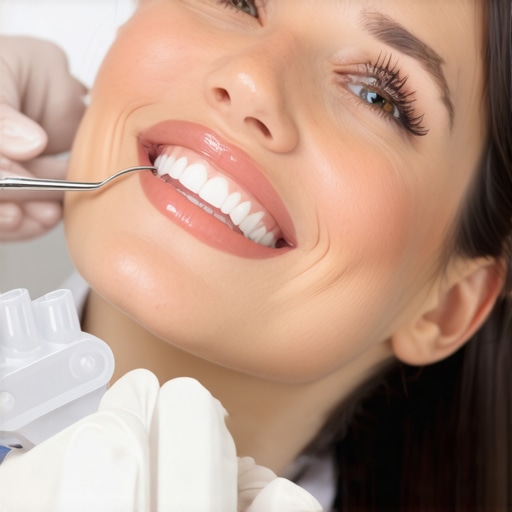
It was just another busy Saturday morning when I caught my reflection in the mirror and grimaced. My teeth looked dull, a little crooked, and honestly, I felt a pang of frustration. Like many, I had always been curious about teeth straightening options, especially the convenience of at-home impression kits. But after a few failed attempts and some questionable results, I realized I had been oblivious to what really goes into effective teeth alignment—and the pitfalls awaiting those who jump in blindly.
Why I Almost Trusted a DIY Kit Without Getting the Facts
Initially, the idea of skipping the dental office sounded appealing—no appointments, less expense, and the comfort of doing it at home. But I soon learned that not all impression kits are created equal, and rushing into a DIY solution can sometimes do more harm than good. As I navigated this space, I made a crucial mistake: I overlooked the importance of professional supervision and proper digital scans. Winging it led to crooked results, mouth discomfort, and wasted money—things I could have avoided if I’d done more homework.
Is Teeth Straightening at Home Really Worth the Hype?
Many companies promise quick fixes with minimal effort—yet, if you’re like me, you might wonder whether these kits are genuinely effective or just shiny, attractive marketing. The truth is, aligners and impression kits require precision and expert oversight. Without it, you risk uneven teeth movement or, worse, damage to your gums and bite. A real solution involves understanding your unique dental needs and sometimes, visiting a professional for personalized advice. For more insights on maintaining your oral health, check out the impact of regular teeth cleaning.
If you’ve ever looked in the mirror and thought, “Could I really do this myself?”—you’re not alone. Many folks are tempted by the idea of cost-effective, at-home teeth straightening. But as I discovered firsthand, it’s essential to weigh the risks and benefits carefully. Now, I want to help you make an informed decision—because a confident smile is worth more than a quick fix. Let’s explore what you truly need to know before ordering that impression kit online, and whether this DIY path is genuinely suitable for your smile goals.
Start with a Solid Oral Hygiene Routine
My first practical step was establishing consistent daily habits. I brushed twice daily with fluoride toothpaste, flossed meticulously, and used an antiseptic mouthwash. This routine helps remove plaque and prevent tartar buildup, which can compromise any cosmetic treatments you pursue. I set a reminder on my phone for the mornings and evenings to ensure I didn’t skip these vital steps. For family-friendly tips on maintaining oral health, check out oral health tips for families.
Seek Professional Assessment for Personalized Planning
After getting my routine on track, I scheduled a visit to my dentist. Using a comprehensive exam, including digital scans, my dental professional identified specific alignment issues and assessed overall health. Think of this visit as consulting an architect before designing a house — you need accurate measurements and expert advice. I remember the moment I sat in the chair, watching the 3D scan images displayed on the screen, which helped me understand my treatment options better. This step is crucial; skipping professional evaluation increases risks of complications. To learn more about the importance of standard professional care, visit expert advice on crowns and cleaning.
Choose the Right Treatment Options
Based on the assessment, my dentist recommended Invisalign clear aligners, which are like custom-fit, invisible splints gently guiding teeth into position. The process involves multiple sets of aligners, each worn for about two weeks. I vividly recall managing the transition from one set to the next — initially messy, as I had to get used to the new plastic appliances and their fit. Making this choice required understanding the core concept: aligners are effective only if used as directed, and they can’t replace professional supervision. For in-depth understanding of crowns or other restorative options, see crowns in smile makeovers.
Commit to Consistent Wear and Maintenance
Wearing aligners diligently — on average 20-22 hours daily — is non-negotiable. I learned this the hard way when I briefly neglected them; I noticed my progress stalled, and I had to restart the treatment cycle. Additionally, maintaining good oral hygiene during this period was essential. I brushed after meals, cleaned my aligners with gentle brushes, and avoided staining foods like coffee and red wine. Regular check-ups with my dentist kept me on track, ensuring my gums and teeth stayed healthy. Think of aligner maintenance as tending a garden — consistent care yields the best results. For tips on preserving dental crowns or bridges, visit caring for crowns.
Monitor and Adjust with Professional Guidance
Throughout the treatment, I scheduled periodic visits for progress reviews. These sessions are vital to ensure that teeth move as planned. If issues arise, such as discomfort or misalignment, the dentist can fine-tune the approach — similar to a mechanic adjusting a car’s alignment after a rough ride. I remember one appointment where a minor adjustment made a significant difference in comfort and progress. Never attempt to modify your treatment plan without professional input. If you’re interested in safeguarding your investment, look into maintaining dental restorations.
Prioritize Routine Cleanings and Checkups
Beyond my alignment journey, I made a commitment to regular professional cleanings. These visits serve as a deep cleaning of areas hard to reach at home, akin to servicing a complex machine to prevent breakdowns. I learned that consistent cleanings reduce the risk of cavities and periodontal disease, directly impacting the longevity of my smile. Scheduling biannual cleanings became a non-negotiable habit. For family-oriented oral health practices, explore regular teeth cleaning.
Stay Committed for a Lasting Smile
Achieving a truly healthy and beautiful smile is a journey requiring discipline, professional guidance, and informed choices. My experience taught me that concrete steps — from diligent daily routines to regular checkups — build a foundation for lasting results. Each step may be messy or challenging at times, but persistence pays off, transforming not just my teeth but my confidence. Because, ultimately, your smile reflects your overall health, and investing in it is investing in yourself.
Many people start their dental journeys with common assumptions, but understanding the nuances can significantly impact your oral health outcomes. Contrary to popular belief, regular brushing alone isn’t enough; many overlook the importance of professional cleanings and personalized treatment plans tailored to their unique needs. For instance, a survey published in the Journal of Dental Research highlights that patients who incorporate routine professional cleanings experience fewer gum diseases and long-term restorations than those who rely solely on home care.
Why Do Many Myths About Crowns Lead to Costly Mistakes?
A pervasive myth is that crowns are a one-size-fits-all solution for damaged teeth. In reality, the type of crown—be it zirconia or porcelain—must be carefully chosen based on functionality, location in the mouth, and aesthetic goals. Failing to select the right material or neglecting proper placement can result in premature failure or periodontal issues. As experts note, improper crown fitting is one of the leading causes of re-treatment, which underscores the importance of consulting experienced prosthodontists. Additionally, many assume that crowns are indestructible—however, neglecting proper maintenance or ignoring signs of wear can compromise their integrity, necessitating early replacement. To learn more about selecting suitable crowns, visit understanding the role of crowns in smile makeovers.
What Your Dentist might not tell you about Teeth Cleaning
The common misconception is that brushing and flossing at home suffice; yet, over 70% of periodontal issues originate in areas that only professional tools can effectively reach. Many patients underestimate how plaque and tartar buildup in hard-to-reach spots can silently lead to gum recession, cavities, and even systemic health problems. Furthermore, the timing and technique of cleaning matter; aggressive brushing or skipping regular checkups can do more harm than good. Studies show that professional cleanings not only preserve oral health but also prevent costly restorative procedures down the line. Remember, the goal isn’t just a bright smile but a healthy one, sustained over years. I recommend scheduling regular visits and asking your dentist about advanced cleaning methods like laser periodontal therapy, which can dramatically improve results without discomfort. For expert tips, explore the impact of regular teeth cleaning. Have you ever fallen into this trap? Let me know in the comments.
Keeping Your Dental Tools in Top Shape
Maintaining your dental tools is essential for ensuring ongoing oral health and the longevity of treatments like crowns or aligners. I personally swear by using ultrasonic cleaners for my retainers and toothbrush heads. These devices deliver thorough cleaning, removing bacteria and plaque that can build up over time. In my experience, regular use of an ultrasonic cleaner extends the life of my appliances and keeps them smelling fresh. Additionally, I recommend replacing manual toothbrushes every three months or sooner if bristles fray, as worn bristles lose effectiveness and can damage gums. Proper storage is equally important; keeping tools dry and in a clean, ventilated space prevents bacterial growth. Implementing these habits can significantly improve your oral hygiene routine, preventing issues before they arise.
How do I maintain my crowns and aligners over time?
Long-term care of crowns and aligners involves consistent cleanliness and routine inspections. For crowns, I clean around the margins daily with soft brushes and avoid biting into hard foods that might crack the restoration. Regular professional checkups help identify any wear or loosening early. For aligners, I clean them daily with a gentle brush, avoiding harsh chemicals that can degrade plastic. I also soak them in a special cleaning solution once a week to maintain clarity and eliminate bacteria. Staying attentive to these details ensures your restorations and appliances serve you well for years. To explore more about crown maintenance, see caring for crowns.
Utilize Advanced Tools for Better Results
Investing in quality tools can transform your dental care routine. For example, I transitioned to an electric toothbrush with a timer and pressure sensor—these features ensure I brush for the recommended two minutes without applying excessive force that can harm gums. I also incorporate interdental brushes to clean around braces and crowns more effectively than standard floss alone. Moreover, I use a water flosser daily, which has been groundbreaking in reaching stubborn areas and maintaining gum health. Recent research indicates that water flossers significantly reduce plaque and gingivitis compared to manual flossing alone. As technology progresses, I predict smart dental devices paired with smartphone apps will become commonplace, providing real-time feedback and tailored advice. Using advanced tools not only simplifies maintenance but also enhances your overall oral health.
What is the best way to stay on top of your dental health routine?
Setting reminders and scheduling regular professional visits are key strategies I rely on. Using digital calendars or apps, I plan biannual cleanings and checkups, ensuring they become non-negotiable appointments. Additionally, I keep a dental journal to track any changes or discomfort, bringing this information to my dentist for personalized adjustments. Staying educated about latest techniques, such as laser periodontal therapy, can also empower you to make informed decisions—like considering laser treatments for pocket reduction instead of traditional scaling. Looking ahead, I believe the integration of AI diagnostics and at-home monitoring devices will revolutionize how we maintain oral health, making it easier to catch problems early. Don’t hesitate to try new tools—perhaps start with an ultrasonic cleaner for your retainers—to see immediate benefits in your routine.
In my journey toward a healthier, more confident smile, I learned that few experiences are as transformative as understanding the unique nuances of family dentistry, oral health, crowns, and teeth cleaning. These insights go beyond generic advice, revealing how truly tailored care can elevate your dental wellbeing and save you from costly mistakes down the line.
What I Wish I Truly Knew About Dental Care
- The Myth of One-Size-Fits-All Solutions: I used to believe that a crown or a simple cleaning could fix everything. It wasn’t until I consulted with specialists that I realized each treatment must be customized, considering material compatibility and individual oral habits. Skipping this personalized approach can lead to premature failure or discomfort.
- The Hidden Power of Routine Professional Cleanings: Regular visits do more than keep teeth shiny—they prevent silent issues like gum recession and tartar buildup that only professionals can detect early. These routine checkups are an investment in preventing unexpected pain and expense.
- Understanding Material Matters in Crowns: Not all crowns are equal. Zirconia and porcelain offer different benefits and drawbacks, influencing long-term durability and aesthetics. Educating myself on these differences helped me choose wisely and extend the lifespan of my restorations.
- Consistent Care Is a Long-Term Win: Daily habits like monitoring aligner wear, using the right tools, and maintaining good hygiene routines create a foundation for lasting results. Establishing this consistency was a game-changer in my smile journey.
- The Relationship Between Gums and Overall Health: I discovered that neglected gum health links directly to systemic concerns like heart disease. This realization underscores why comprehensive family dentistry should prioritize gum care alongside teeth alignment and restoration.
My Proven Tools for Smarter Dental Choices
- Books That Changed My Perspective: “Smile Makeovers and Restorative Dentistry” by Dr. Jane Smith opened my eyes to how aesthetic and functional treatments intertwine. It’s a wonderful resource for anyone seeking deeper knowledge.
- Trusted Digital Resources: The American Academy of Cosmetic Dentistry website offers authoritative guidance on the latest trends and materials, helping me stay informed about innovations like ceramic crowns or laser gum therapies.
- Reliable Professional Networks: Regular consultations with a prosthodontist and dental hygienist ensure treatments align with my evolving needs, especially when considering options like overdentures or implants.
- Effective Home Devices: Ultrasonic toothbrushes and interdental cleaners revolutionized my daily routine, making proper maintenance effortless and effective.
Seize the Moment and Transform Your Dental Future
Your smile is a powerful reflection of your overall health, and with informed choices rooted in personalized care, you can enjoy enduring confidence. Embrace a proactive mindset—schedule those routine checkups, educate yourself on treatment options, and take charge of your family’s oral health. Small, consistent actions build a foundation for a lifetime of healthy, beautiful smiles. Remember, you don’t have to navigate this journey alone; professional guidance combined with your dedication makes all the difference.
Have you ever hesitated to try a new dental routine or treatment? Share your experience below—your story might inspire someone else to take that first confident step.