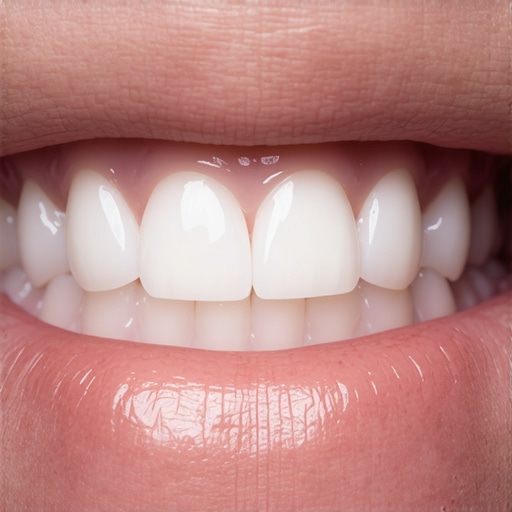
Ever find yourself disappointed after a dental cleaning? Maybe the dentist skipped the polish, and suddenly your teeth look duller, more stained, almost like the whitening didn’t work. I had that exact moment during a routine appointment—I thought skipping the polish was harmless, maybe even saving time, but it turned out to make my teeth stain faster than ever. That realization was a lightbulb moment for me, and today I want to share what I learned about how skipping the polish can actually accelerate staining.
Why Neglecting the Polish Can Backfire on Your Smile
When I first asked my hygienist why my teeth seemed to stain quicker, she explained that the polish isn’t just about making teeth shiny. It’s an essential step to remove surface deposits and microscopic roughness that can trap stains from coffee, wine, or even just everyday foods. Without that polishing step, these particles cling to the teeth more easily, leading to a duller appearance over time. Knowing this, I started paying more attention during my visits, and the difference was immediate.
Did you know that a study published in the “Journal of Dental Research” found that professional polishing reduces surface roughness and the likelihood of plaque buildup? Surprisingly, skipping this step can leave tiny grooves that harbor stains, making your teeth appear dirtier faster, even if you’re diligent with brushing and flossing. So, it’s not just about shining; it’s about protecting your investment in a healthy, bright smile.
Is Skipping the Polish Actually Worth the Hype?
My early mistake was thinking that skipping the polish saved me some chair-side time. Wrong. I believed that brushing and using at-home whitening products could do the same job, but the truth is, professional cleaning offers benefits you just can’t replicate at home. I’ve learned that ignoring this step can undermine all my other efforts, leading to more stains and even early signs of discoloration.
If you’ve ever wondered whether a quick clean is enough or if you’re skipping an important part of your dental routine, you’re not alone. It might be tempting to cut corners, but I encourage you to ask your dentist or hygienist about the significance of each step. And if you’re curious about how to maintain your crowns and keep your smile shining bright, I recommend checking out [maintaining your dental crowns](https://periodontistcare.com/maintaining-your-dental-crowns-dos-and-donts-for-best-results) for some expert tips.
Ready to optimize your dental appointments? Keep reading—I’ll share practical tips to ensure your teeth stay stain-free and brilliantly white, just like they should be.
Mastering the Art of Dental Cleaning at Home
To maintain the benefits of professional cleaning, start with routine home practices. Use a soft-bristled toothbrush and fluoride toothpaste, brushing twice daily in gentle circular motions. Incorporate interdental brushes or floss to remove plaque from between teeth, especially around crowns and bridges where debris tends to accumulate. Establish a consistent oral hygiene routine, dedicating at least two minutes to each session, for instance, in the morning and before bed. Regularly replacing your toothbrush every three months ensures effective plaque removal and prevents gum irritation. For prolonged freshness, consider using an antiseptic mouthwash without alcohol as part of your routine, but avoid overusing it to prevent dry mouth.
Technique for Caring for Crowns and Restorations
Protecting dental crowns requires specific methods. Gently brush around your crown’s margin to prevent plaque buildup. Use a non-abrasive toothpaste to avoid scratching the crown’s surface. Floss carefully, ensuring the floss slides smoothly beneath the crown without damaging the gum tissue. If you notice any rough edges or looseness, schedule an appointment with your dentist promptly; ignored issues can lead to decay under the crown or damage. Consider using a water flosser set to low-pressure settings to dislodge food particles around crowns seamlessly, especially beneficial for hard-to-reach areas. Regular check-ups can identify early signs of crown wear or decay, preventing more extensive restorations later. Learn more about maintaining your dental crowns to maximize their lifespan.
Implementing Effective Plaque Control Techniques
Consistent plaque management is vital. Use a tongue scraper after brushing to reduce bacteria that cause bad breath and plaque formation. Incorporate a daily rinse with a fluoride mouthwash to strengthen enamel, especially around crowns and composite fillings. Limit sugary and acidic foods that can erode enamel and undermine crown integrity. Chewing sugar-free gum after meals stimulates saliva production, naturally neutralizing acids and cleansing your mouth. Embrace a balanced diet rich in calcium and vitamin D to support jawbone health and crown stability. Scheduling professional cleanings every six months enhances plaque removal beyond home care, protecting your natural teeth and restorations alike. For more on maintaining overall oral wellness, visit the impact of regular teeth cleaning.Many people believe that brushing more vigorously or using whitening products frequently will drastically improve their oral health. However, these common myths overlook critical nuances that can be detrimental over time. For instance, aggressive brushing can wear down enamel and gum tissue, leading to sensitivity and recession, contrary to the popular misconception that more force equals cleaner teeth. Experts emphasize the importance of gentle, systematic cleaning—using soft-bristled brushes and proper technique—to protect your smile’s longevity.
Are There Advanced Mistakes Dentists Rarely Discuss?
One overlooked mistake is neglecting the biological impact of oral care routines tailored solely for cosmetic benefits, such as overly abrasive whitening gels. According to a study in the *Journal of Dental Research*, frequent use of harsh whitening agents can damage the enamel’s microstructure, increasing susceptibility to decay and staining. Thus, understanding the fine balance between aesthetic treatments and preserving oral health is essential. Another nuanced point is the misconception that crowns permanently prevent decay; in reality, improper care or neglecting the crown margins can lead to decay underneath or around restorations. Proper maintenance, including regular check-ups and diligent cleaning around crowns, is vital. For deeper insights into crown care, visit [maintaining your dental crowns](https://periodontistcare.com/maintaining-your-dental-crowns-dos-and-donts-for-best-results). Many families focus solely on brushing and flossing but forget how crucial routine professional cleanings are, especially for detecting early signs of periodontal or restorative issues. Skipping these appointments can lead to compounded problems, often with subtle symptoms that are easy to overlook at home. Integrating professional cleanings with effective home practices, like using interdental brushes and mouthwash, significantly boosts long-term oral health—more details are available in [teeth cleaning secrets](https://periodontistcare.com/teeth-cleaning-secrets-effective-home-practices-for-family-dental-health). To wrap up, the key takeaway is that a comprehensive understanding of nuanced habits and misconceptions can empower your family to maintain healthier, brighter smiles for years to come. Don’t fall prey to simplistic routines—call or visit your dentist regularly at [our contact page](https://periodontistcare.com/contact-us) to stay ahead. Have you ever fallen into this trap? Let me know in the comments.
Investing in the Right Equipment for Persistent Success
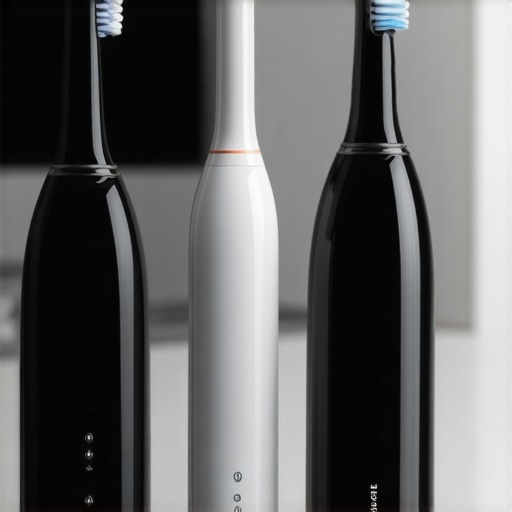
To keep your dental health in top shape, I personally swear by using a high-quality electric toothbrush like the Philips Sonicare ProtectiveClean. Its sonic technology effectively removes plaque without damaging enamel or gums, which is crucial for those with crowns or sensitive teeth. I also incorporate a water flosser, such as the Waterpik Ultra, as it effortlessly dislodges debris around crowns and braces, ensuring thorough cleaning in hard-to-reach areas. Regular use of these tools has significantly reduced staining and gum issues in my routine, and I encourage you to do the same.
Why These Tools Make a Difference
Unlike manual brushes, electric models provide consistent, high-frequency motions that enhance plaque removal, especially important around restorations. The water flosser helps prevent plaque buildup at crown margins, reducing decay risk. These tools also promote proper technique, minimizing damage that can occur from overzealous brushing or ineffective flossing methods. Incorporating these devices into your routine isn’t just about cleaning—it’s about actively maintaining the integrity and appearance of your restorations over time.
Advancing Your Dental Care Routine with Software
Modern technology offers apps like MySmileMate or DentalMonitoring that allow remote check-ins and progress tracking. I use these to get feedback on my brushing angle and pressure, ensuring optimal technique daily. These digital tools are especially beneficial for busy families or individuals with complex dental work. Looking ahead, I predict that AI-driven diagnostics will further personalize at-home routines and flag potential issues early, helping you intervene before problems escalate. For now, integrating one of these apps can boost your adherence and technique awareness significantly.
How do I keep my tools and methods effective over time?
Consistent maintenance of your equipment is essential. Replace your toothbrush heads every three months or when bristles fray, and clean your water flosser filters monthly to prevent mold. Regularly update your app software to benefit from the latest features and improvements. Additionally, scheduling professional check-ups every six months ensures your at-home efforts align with your dentist’s assessments. According to thorough research by the Journal of Dental Hygiene, patient compliance with good tools and routines leads to superior long-term outcomes. (Visit this guide for more effective home practices.)
Don’t hesitate to try out these advanced tools and techniques. With consistent use and proper maintenance, you’ll enjoy a brighter, healthier smile that withstands the test of time. For personalized advice or to explore the best options tailored to your family’s needs, consider reaching out via our contact page. Remember—great oral health is a long-term journey, and the right toolkit makes all the difference.
What I Didn’t Expect About Family Dental Care
One of the most eye-opening lessons I learned was that skipping the polishing step during dental cleanings can actually do more harm than good. I used to think that saving a few minutes by avoiding polish was harmless, but I realized that it left microscopic grooves that trapped stains and plaque, accelerating discoloration over time. That insight changed my approach to dental appointments, making me value each step for its protective benefits.
Another unexpected discovery was understanding how early signs of crown wear or decay often go unnoticed at home. Even with diligent brushing and flossing, small issues can develop around restorations, emphasizing the importance of regular professional check-ups. Using tools like a water flosser has helped me maintain crown margins and prevent minor problems from escalating into costly repairs.
Most surprisingly, I found that integrating digital tools and apps for tracking oral hygiene routines can significantly boost motivation and technique. These resources provide real-time feedback and personalized tips, ensuring my family stays consistent with our routine, especially around crowns and sensitive areas. It made me realize that embracing technology can be a game-changer in family dental health.