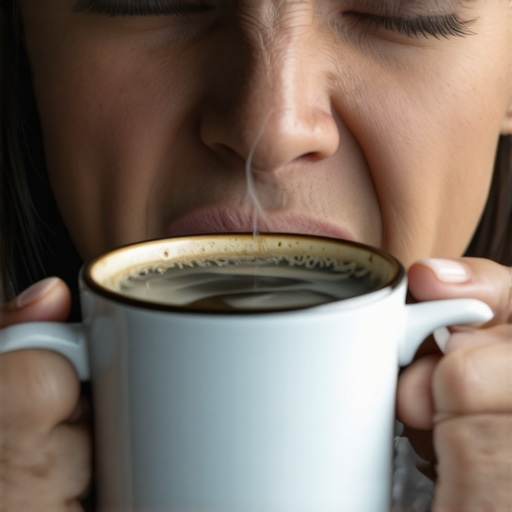
There I was, wrapped in my favorite robe, steam rising from my oversized mug of French roast. I took one glorious, anticipated gulp, and instead of comfort, I got a lightning bolt. It felt like a tiny, angry electrician had decided to hotwire my molar. If you’ve ever had that sharp, wincing zing from a hot latte or a soothing peppermint tea, you know exactly what I mean. It’s not just a nuisance; it’s a total betrayal of your morning ritual.
That First Sip Shouldn’t Feel Like an Electric Shock
I used to think sensitivity was only for ice cream or a cold winter breeze. Boy, was I wrong. Sudden sensitivity to heat can be even more jarring because we usually associate warmth with comfort. For a long time, I made the classic mistake of just “powering through it,” thinking it would go away if I just drank on the other side of my mouth. Spoiler: it didn’t. In fact, ignoring it can lead to bigger issues. We are going to dive into why this happens—from thin enamel to those tiny micro-cracks—and more importantly, how you can manage a sensitivity flare-up before it ruins your next meal. It’s essential to understand that your teeth aren’t just solid blocks; they have millions of microscopic tubules. According to the American Dental Association, when your enamel wears down or gums recede, these tubules expose the nerves to temperature extremes. Whether it’s a new issue or you are trying to manage sensitivity after getting a new dental crown, the goal is the same: protect those nerves.
Is my tooth actually dying or just being dramatic?
That was my biggest fear. I thought for sure a root canal was in my immediate future. But often, it’s just a sign that your daily oral health routine needs a little tweak. Have you ever felt that sudden, sharp pang and immediately started Googling dental implants? Let me know, because I’ve definitely been there. One thing I learned the hard way was using a “whitening” toothpaste when my teeth were already screaming. I thought I was being productive, but the truth about whitening toothpastes is that some can be quite abrasive, making the sensitivity even worse. Sometimes even an old restoration can be the culprit; for instance, a crown might feel sensitive even years after it was put in. We’ll look at how to tell the difference between a minor annoyance and a real emergency as we go.
Stop the zap with these immediate home steps
If your teeth are currently protesting against anything warmer than room temperature, you need a plan that works faster than just waiting for your coffee to get cold. Think of your tooth enamel like the insulation in a high-end thermos; when that layer gets thin or compromised, the inner core—the pulp—is left wide open to every thermal change. The first thing I did when my molar started acting up was simplify my routine. I stopped using my fancy electric brush on the ‘pro-white’ setting and switched to a manual brush with ultra-soft bristles. This isn’t just about being gentle; it is about preventing further abrasion that exposes those sensitive tubules. Incorporating specific teeth cleaning secrets: effective home practices for family dental health can make a massive difference in how your enamel handles stress. 
Ditch the harsh abrasives for a while
I learned this the hard way. Last year, I jumped on the trend of using dark, gritty pastes, but I quickly realized the truth about charcoal toothpaste and why it might be ruining your enamel. It felt like I was literally sanding down my protection. If you are experiencing a flare-up, swap your current tube for one specifically labeled for sensitivity. These pastes usually contain potassium nitrate or stannous fluoride, which act like tiny ‘plugs’ for the exposed holes in your teeth. It took about two weeks of consistent use before I could finally enjoy a bowl of soup without wincing.
The secret to lukewarm coffee therapy
While you wait for your desensitizing toothpaste to kick in, you have to manage the mechanics of how you eat and drink. I used to gulp my tea, letting it wash directly over the sensitive spot. Instead, try using a straw for warm (not boiling) liquids to bypass the teeth entirely, or consciously sip on the opposite side. If the pain is sharp and persistent, knowing how to manage a sudden toothache in the middle of the night can be a lifesaver, especially if the heat sensitivity turns into a dull, throbbing ache that keeps you awake.
How to tell if your dental crown has a small leak
Sometimes the heat sensitivity isn’t about your enamel at all; it’s about the hardware. I have a crown on my lower right side that started acting up after five years. It turns out, even the best dental work can develop microscopic gaps. Learning how to tell if your dental crown has a small leak is crucial because if bacteria or hot liquids get underneath that porcelain cap, the nerve goes into overdrive.
Protect your investment with better maintenance
If you do have restorations, you can’t treat them exactly like natural teeth. I found that caring for crowns: essential tips for longevity and shine involves more than just a quick brush; it requires dedicated flossing to ensure the margins stay sealed. When those margins fail, heat is the first thing to let you know. If you’re feeling that ‘electric shock’ specifically around a capped tooth, it’s a sign the seal might be compromised, and no amount of sensitive toothpaste will fix a structural leak.Let’s dig deeper into the ‘armor’ myth. Most of us think once a tooth is capped, it’s essentially bulletproof. I’ve heard friends say, ‘Oh, that tooth is porcelain now, I don’t have to worry about it.’ This is the biggest ‘oops’ factor in modern restorative care. The truth is, the seam where the crown meets your gum—the margin—is the most vulnerable spot in your entire mouth. If plaque builds up there, you can still get a cavity underneath that expensive restoration. Research published in the International Journal of Prosthodontics highlights that the leading cause of crown failure isn’t the material breaking; it’s recurrent decay at the margin. Have you ever fallen into this trap? Let me know in the comments. I certainly did, thinking my morning flossing was ‘optional’ for my back molar because it was ‘fake.’ 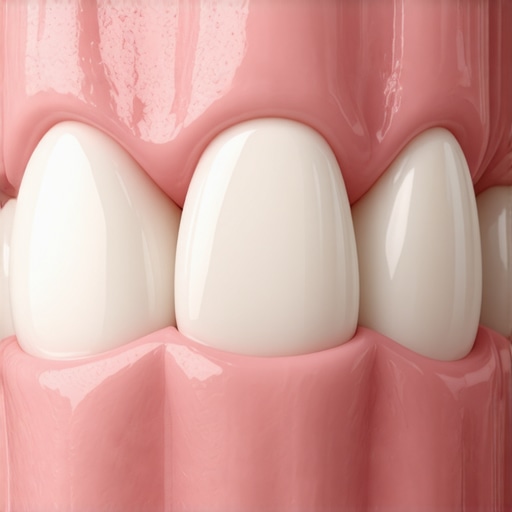
Why does your dental crown feel like it has a click when you bite?
If you’ve noticed a tiny sensation of movement or a ‘clicking’ sound, don’t ignore it. It’s a sophisticated warning sign. Often, it’s not the tooth itself moving, but a sign that the cement has slightly washed out, or perhaps you’re dealing with why your dental crown feels like it has a click when you bite due to a minor occlusion issue. Getting expert advice on crowns and teeth cleaning for lasting results means realizing that maintenance is actually more intense for restorations than for natural enamel. Another nuance people miss is the ‘citrus trap.’ We are often told to brush after every meal, but if you just had a grapefruit or a lemon water, you’re doing more harm than good. Brushing immediately after consuming acidic foods can literally scrub away your softened enamel. This is why you should never brush your teeth immediately after eating citrus fruits—you need to wait at least 30 minutes for your saliva to neutralize the acid and remineralize the surface. When it comes to a family dentistry focus: building a lifetime of healthy smiles, the goal isn’t just to fix holes; it’s to understand the chemistry of your mouth. We often get caught up in the aesthetics, but the truth about how long a porcelain crown actually lasts before replacement often comes down to these tiny, daily habits rather than the quality of the material itself.
The gadgets that actually saved my smile
I used to think a standard toothbrush and a bit of floss were enough to keep my dental work in check. I was wrong. When you have restorations, the game changes. I eventually invested in a high-quality water flosser because I realized that traditional string often just glides over the tricky areas where a crown meets the gum. If you’ve ever wondered what that high-pitched water tool is actually doing to your plaque during a professional visit, imagine a mini-version of that in your bathroom. It’s not just about the feeling of being clean; it’s about the hydraulic force flushing out the bacteria that manual tools miss. This is the foundation of caring for crowns: essential tips for longevity and shine that most people overlook until they feel that first twinge of pain. 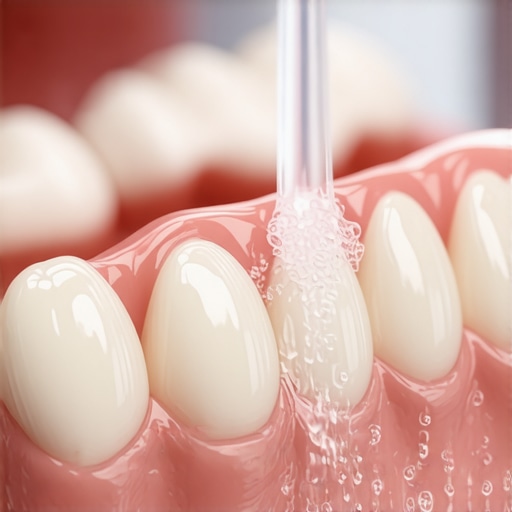
How do I keep my crowns from failing ten years from now?
Long-term success isn’t about one big fix; it’s about the micro-habits. For me, that meant moving beyond the basics. I started using interdental brushes—those tiny, Christmas-tree-looking things—to scrub the sides of my capped teeth. According to Dr. Sebastian Ciancio in Clinical Pharmacology for Dental Professionals, mechanical disruption of biofilm in the sub-gingival area is significantly more effective when combined with specific antimicrobial agents than brushing alone. This is why I now pair my cleaning with an alcohol-free rinse to avoid drying out my tissues. Consistently maintaining your dental crowns: dos and donts for best results requires you to look at your mouth as an ecosystem. If you are focused on family dentistry focus: building a lifetime of healthy smiles, you need to teach these advanced mechanical habits early. Also, don’t forget the basics of gear; the truth about how often you should really replace your toothbrush is that three months is the absolute limit before the bristles start causing micro-scratches instead of cleaning.
Where oral health tech is headed next
I’m keeping a close eye on the rise of smart sensors. We’re already seeing toothbrushes that map your mouth, but I predict the next big trend will be at-home pH monitoring. Imagine a tool that tells you exactly when your mouth is too acidic to brush safely, or when a ‘leak’ is starting before it becomes a shock. Until then, we have to rely on expert advice on crowns and teeth cleaning for lasting results. My best tip? Try this tonight: after you brush, don’t rinse with water. Just spit out the excess toothpaste. This allows the fluoride or desensitizing agents to sit on those sensitive tubules longer, acting as a protective seal while you sleep. It’s a small tweak to your oral health tips every family should follow in 2025 that pays massive dividends in comfort. I’ve noticed a huge drop in my morning sensitivity just by making that one change. Keeping your mouth healthy is a marathon, not a sprint, and these tools are your running shoes.
Lessons My Molars Taught Me the Hard Way
Over the years, I’ve realized that sensitivity isn’t just a random occurrence—it’s a conversation your body is trying to have with you. My biggest lightbulb moment was learning that thinking a crown makes you immune to cavities is a dangerous game. Even with a high-end restoration, maintaining your dental crowns involves keeping that tiny gum line pristine where the natural tooth is still exposed and vulnerable to plaque. I also discovered that hot sensitivity is often a late-stage warning; if your tooth winces at coffee but feels okay with ice, the nerve might be under more stress than you think. Finally, the ‘no-rinse’ rule was a total game-changer for me. Leaving a thin film of sensitivity-fighting minerals from your toothpaste on your teeth overnight did more for my daily comfort than any one-off professional treatment ever could.
The Toolkit That Actually Saved My Morning Coffee
#IMAGE_PLACEHOLDER_E# If you’re tired of that sharp electric shock every time you take a sip of your favorite brew, you need a specialized strategy. I’ve found that high-quality interdental brushes are the unsung heroes of expert advice on crowns and teeth cleaning because they reach the hidden gaps where bacteria hide and cause inflammation. A water flosser is another non-negotiable tool in my kit; it provides the hydraulic force needed to flush out irritants from under bridge work and crown margins that manual flossing often misses. I also suggest switching to an alcohol-free mouthwash to keep your oral tissues hydrated, as dryness and irritation often exacerbate sensitivity. These aren’t just fancy gadgets; they are the baseline for reclaiming a pain-free morning ritual.
Take Control of Your Smile Today
You deserve to enjoy your favorite warm drinks without a wince or a worry. By shifting toward a proactive family dentistry focus, you are setting yourself up for decades of comfort rather than a cycle of emergency repairs and sudden toothaches. We often forget that how crowns can transform your dental confidence depends entirely on the micro-habits and care you provide them every single day. Don’t wait for the next flare-up to change your habits; start tonight by being gentler with your brush and more consistent with your cleaning, and you will feel the difference by next week.
Have you ever felt that sudden, sharp ‘zap’ from a hot drink that made you rethink your entire dental routine? Let me know your story in the comments below!