I was standing in my kitchen last Christmas Eve when it happened. One innocent bite of peppermint bark and suddenly my tongue felt a sharp, unfamiliar ridge on my left central incisor. My heart sank. It was 9 PM, the snow was falling, and every dentist in a fifty-mile radius was currently at a family dinner. I felt that immediate, cold rush of anxiety. How am I supposed to take photos tomorrow? Is it going to hurt? This was my nightmare scenario, and if you’re reading this right now, it’s probably yours too.
Keep Your Cool When Your Tooth Decides to Quit
The first thing you need to do is breathe. Seriously. Most chipped teeth, while annoying and visually jarring, aren’t life-threatening emergencies that require a midnight ER run. But they do require a strategy. I learned this the hard way years ago when I panicked and—this is embarrassing to admit—tried to ‘smooth out’ a rough edge with a nail file. Don’t do that. It’s a fast track to permanent enamel damage and sensitivity that will make drinking water feel like a lightning bolt to the face. Instead, you need to know how to fix a small chip in your front tooth without a full crown once you actually get to the office, but for now, we are in ‘triage’ mode. If the edge is sharp, a little piece of dental wax or even sugarless gum can be a lifesaver to protect your tongue. You also need to realize that [IMAGE_PLACEHOLDER] knowing how to manage a sudden toothache over a holiday weekend is just as much about mental grit as it is about ibuprofen.
Is a DIY Fix Actually Worth the Risk?
You’re probably looking at your reflection and wondering if you can just glue the piece back on or live with the jagged edge until Tuesday. I’ve been there, staring at the mirror and calculating the cost of a new crown. Here is the reality: what you do in the first four hours matters. If you found the piece of your tooth, stop reading for a second and go put it in a small container of milk or saliva. It sounds gross, but knowing the best way to store a broken tooth until you reach the dentist is often the difference between a simple bonding and a complex root canal. According to the American Association of Endodontists, millions of teeth are treated for traumatic injuries every year, so you are in very good company. My goal today is to make sure you can still enjoy your vacation meal without looking or feeling like you’ve been in a scrap. Have you ever had a dental disaster strike at the absolute worst possible time? Drop a comment and tell me I’m not the only one who breaks things on holidays! We are going to walk through exactly how to cover that sharp edge so you don’t slice your tongue to ribbons, and how to keep the pain at bay if the nerve is exposed.
Stop the Sharpness Before You Shred Your Tongue
Think of a chipped tooth like a cracked smartphone screen; if you keep swiping your finger—or in this case, your tongue—over the jagged edge, you are going to get cut. My first move during that peppermint bark disaster was reaching for some ortho wax I had left over from my nephew’s braces. If you don’t have that, a piece of sugarless gum is your temporary shield. I once heard of a guy using the wax coating from a Babybel cheese wheel in a pinch. It sounds ridiculous, and it was a sticky mess, but it saved him from a week of mouth ulcers. Your goal is to create a physical barrier. While you’re at it, focus on how to fix a jagged tooth edge without getting a full crown by keeping the area clean. Avoid any crunchy or acidic foods that might irritate the inner layers of the tooth. 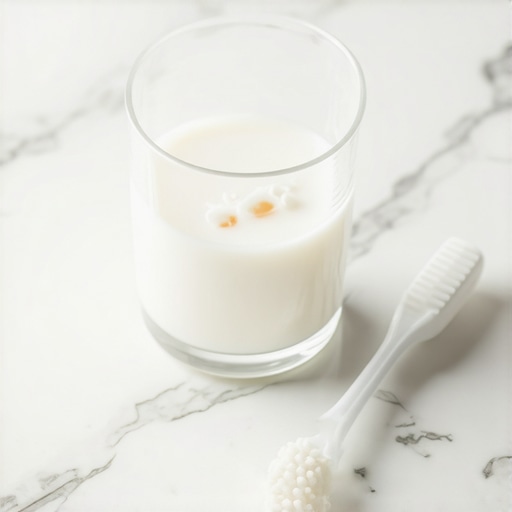
Save the Fragment in Your Fridge
If you managed to find the piece that broke off, treat it like a transplant organ. Do not scrub it with soap or try to ‘sanitize’ it with alcohol. Just rinse it gently in water and submerge it. You already know that the best way to store a broken tooth until you reach the dentist is in a small cup of cold milk. The pH level and proteins in milk help keep the cells on the tooth surface alive for a few extra hours. If milk isn’t an option, your own saliva is the next best thing. I remember frantically searching under the kitchen table for my enamel shard like I was looking for a lost diamond. Finding it can actually simplify the repair process, as your dentist might be able to bond the original piece back into place, saving you time and money.
Kill the Pain Before It Ruins the Weekend
When the protective enamel layer is gone, the dentin underneath is exposed. This is essentially a direct highway to your nerves. If cold air or water feels like a lightning strike, you need to seal it off. Over-the-counter topical numbing gels can help, but they wash away quickly. Knowing how to handle a sudden toothache in the middle of the night usually involves a combination of anti-inflammatories and keeping your head elevated. When I had my holiday mishap, I slept propped up on three pillows. This reduces the blood pressure in your head, which significantly dulls that rhythmic, throbbing pain that keeps you awake.
Assess the Damage for a Future Fix
Once the immediate panic fades, you need to look at the ‘why’ behind the break. Was it just a hard piece of candy, or is the tooth structurally weak? Sometimes a chip is a sign that an old filling is failing or that you’ve been grinding your teeth in your sleep. Understanding how crowns can transform your dental confidence is important if the damage is more than just a surface-level nick. If the chip is large, your dentist might suggest a more permanent solution than simple bonding to ensure your bite remains aligned and your smile stays symmetrical. Don’t wait until the tooth starts changing color—that’s a sign of internal trauma that requires much more invasive work than a simple polish.Most people think that once a crown is on, that tooth is ‘invincible.’ That is a dangerous myth. In my years of obsessing over oral health, I’ve seen that the biggest threat to a restoration isn’t the crown itself—it’s the tiny margin where the porcelain meets your natural gumline. If you aren’t focused on maintaining your dental crowns correctly, bacteria can seep underneath, causing a ‘silent’ cavity that you won’t even feel until the whole thing falls out. This is exactly the most common reason dental crowns fall out.
Why Do Some Crowns Fail While Others Last Decades?
It usually comes down to the material choice and your biological response. While many opt for the cheapest option, why ceramic crowns are the best choice for your front teeth is all about how they interact with light and gum tissue. However, for back molars, why gold is still one of the most durable materials for back crowns is a nuance most people ignore because they want everything to be white. A study published in the Journal of Prosthetic Dentistry suggests that while porcelain-fused-to-metal crowns are reliable, the precision of the ‘seal’ at the margin is what truly dictates the 10-year success rate. If your dentist didn’t mention the structural integrity of the remaining tooth, they’re skipping the advanced stuff. Have you ever had a crown feel ‘off’ or sensitive? Let me know in the comments! 
The Hidden Trap of Post-Coffee Brushing
Here is the ‘oops’ factor that almost everyone gets wrong: brushing immediately after eating. If you just had a glass of wine or a cup of coffee, your enamel is temporarily softened by the acid. If you jump straight to the bathroom to brush, you are literally scrubbing away your tooth structure. You should never brush your teeth immediately after eating citrus fruits or other acids. Instead, rinse with water and wait thirty minutes for your saliva to remineralize the surface. Also, don’t fall for the charcoal trend; the truth about charcoal toothpaste is that it’s often far too abrasive for daily use, acting like sandpaper on your expensive dental work.
Can a Professional Cleaning Actually Do More Than My Electric Toothbrush?
Absolutely. You might feel like you’re doing a great job at home, but what a professional prophy cleaning removes is the calcified tartar that no amount of vibration can budge. This is why the impact of regular teeth cleaning on overall oral wellness is so significant—it’s not just about a bright smile; it’s about preventing the chronic inflammation that leads to systemic health issues. If you’ve noticed why your teeth feel furry by the end of the day, it’s a sign that your biofilm is maturing into something much harder to manage. Building a lifetime of healthy smiles requires realizing that your home routine is the defense, but professional care is the reinforcement.
I’ve spent thousands on my teeth, and the last thing I want is to see that investment literally go down the drain because of a lazy Tuesday night routine. If you want to avoid a repeat of my Christmas Eve disaster, you have to look beyond the basic manual toothbrush. I’ve become a bit of a nerd when it comes to the hardware because I know that expert advice on crowns and teeth cleaning for lasting results isn’t just about what happens in the chair—it’s about the gadgets on your bathroom counter.
Ditch the Floss Picks for a Water Flosser
I used to be a string-floss purist until I got my first crown. The problem with string is that it can occasionally catch on the edge of the restoration if it’s not perfectly smooth, leading to that heart-stopping moment where you think you’ve pulled your tooth out. Now, I swear by the Waterpik Aquarius. A study published in the Journal of Clinical Dentistry found that water flossing is significantly more effective—up to 50% more—than traditional string floss for reducing gingivitis and removing plaque. It’s a game-changer for caring for crowns because the pressurized stream gets into those microscopic gaps at the gumline that a piece of wax-coated string just skips over.
Stop Scrubbing Your Gums Into Oblivion
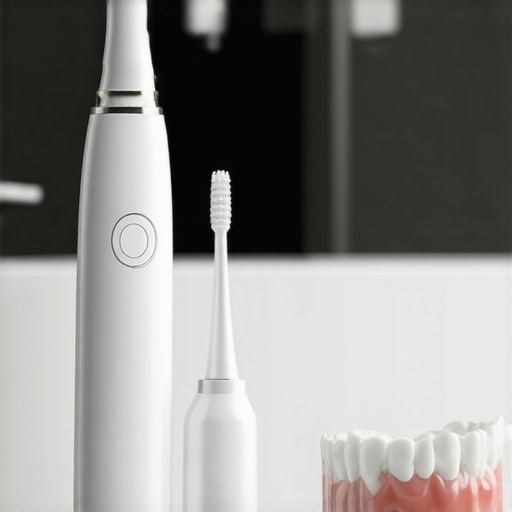
The second tool I will never live without is an electric toothbrush with a built-in pressure sensor. I personally use the Philips Sonicare ProtectiveClean 6100. Why? Because most of us brush like we’re trying to scrub a stain out of a garage floor. That aggressive scrubbing is how you end up with receding gums, which eventually leads to the reason your teeth look longer as you get older. When you have crowns, receding gums are the enemy because they expose the dark metal or ceramic line at the base of the tooth. By letting the vibrations do the work, you are practicing an oral health routine strengthening your smile every day without the collateral damage of manual over-brushing.
How do I keep my dental work looking new for twenty years?
Consistency is the boring but honest answer, but the secret is in the ‘leak detection.’ You should be checking your own dental work monthly. I take a small dental mirror and look for any graying near the gums or tiny gaps. Knowing how to tell if your dental crown has a small leak early can save you from a full replacement. Looking ahead, I suspect we’ll soon see smart toothbrushes with built-in cameras or pH sensors that sync to our phones to alert us to acidity spikes in real-time. For now, focus on the fundamentals. My challenge for you: tonight, swap your regular mouthwash for an alcohol-free version to keep your mouth’s natural microbiome in balance. It’s a small tweak that makes a massive difference for long-term gum health.
Why One Broken Tooth Changed My Entire Morning Routine
Looking back at that peppermint bark incident, I realized that most dental accidents are actually the result of long-term neglect meeting a single moment of bad luck. Here is the insider wisdom I have gathered from years of managing restorations and emergency visits:
- The Silent Warning: That furry feeling on your teeth isn’t just annoying; it’s a sign of biofilm buildup that leads to the acid erosion making teeth brittle enough to chip on a piece of candy.
- The Crown Lifeline: A crown isn’t a permanent shield you can ignore. You need to know how long a porcelain crown actually lasts so you can budget for future maintenance before an emergency strikes.
- Prevention is Cheaper than Repair: Investing a hundred dollars in a high-end toothbrush is always better than spending thousands on an emergency root canal and a replacement crown.
The Only Gadgets I Trust With My Smile
I’ve tested dozens of products, but my bathroom counter is now limited to three high-value essentials. First, a high-quality water flosser is non-negotiable for anyone with restorative work to prevent plaque buildup at the margins. Second, I always keep oral health tips every family should follow in mind to ensure the kids don’t repeat my mistakes with sticky holiday treats. Finally, switching to an alcohol-free mouthwash has significantly reduced my morning sensitivity and kept my gums from looking inflamed around the edges of my porcelain work.
Protect Your Investment and Your Confidence
At the end of the day, your teeth are the only part of your skeleton you have to clean manually every day. It’s a big responsibility, but it doesn’t have to be overwhelming. By mastering teeth cleaning secrets and staying proactive with your dental visits, you can avoid the midnight panic of a holiday emergency. Remember, the impact of regular teeth cleaning on overall oral wellness goes far beyond just having a white smile; it’s about your systemic health, your self-esteem, and your long-term peace of mind. Take that first step tonight by giving your enamel the care it deserves. Have you ever had a dental emergency happen at the absolute worst possible moment? Tell me your story in the comments below!