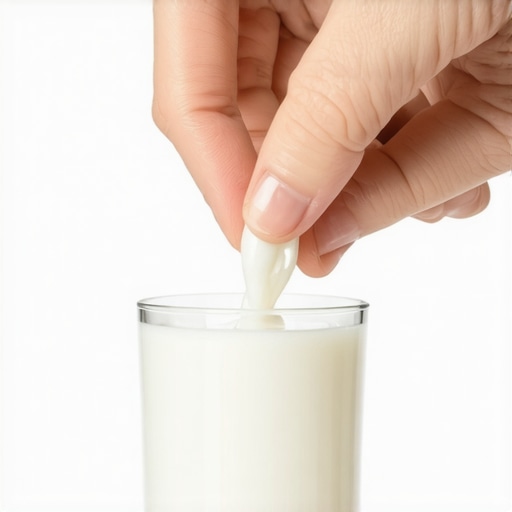
I will never forget the sound. It wasn’t a loud crack, but a dull, sickening thud followed by a silence that felt a mile long. We were just playing a casual game of backyard soccer when my nephew took a stray elbow to the mouth. When he looked up, his front tooth was sitting in the grass, looking stark white against the clover. I froze. In that moment of pure adrenaline, I did exactly what most people do—I made a massive mistake. I grabbed the tooth by the root, scrubbed the dirt off with my thumb, and dropped it into a cup of tap water. I thought I was being helpful, but I was actually killing the very cells needed for reattachment. That day was a crash course in the best way to handle a tooth that was knocked-out completely, and it’s a lesson I want to make sure you never have to learn the hard way. Today, I’m going to walk you through the precise, high-stakes steps that can actually save a smile when every second counts.
That moment your heart stops along with the tooth
Panic is a liar. It tells you to scrub, to bleach, or to wait until Monday morning to call the office. But when it comes to family dentistry emergencies, your best tool isn’t a cleaning kit; it’s speed and a little bit of milk. If you’ve ever wondered how to tell if your child’s tooth is loose or broken versus completely avulsed, the stakes couldn’t be higher. A knocked-out permanent tooth is a true dental emergency that requires action within minutes, not hours. According to the American Association of Endodontists, if a tooth is placed back in its socket within 30 to 60 minutes, it has a significantly higher chance of surviving for a lifetime. My early mistake was treating the tooth like a piece of jewelry that needed polishing, when I should have been treating it like a living organ. We’re going to cover exactly how to transport that tooth so your dentist can work their magic. Have you ever had a dental scare that happened right when you least expected it?
Does a tooth actually have a chance once it hits the dirt?
You might be skeptical. It seems like once a tooth is out, the connection is gone forever, right? That’s the fear I had. I assumed we were headed straight for an expensive bridge or a lifetime of how crowns can transform your dental confidence. However, the periodontal ligament fibers left on the tooth root are surprisingly resilient if they are kept moist and handled with extreme care. The biggest hurdle isn’t the injury itself, but the way we react in the first five minutes. It’s about protecting the ‘life’ left in the tooth before you can get to professional help.
What I learned the hard way about saving a smile
My biggest blunder was touching the root. Those tiny fibers on the root are the ‘glue’ that allows the tooth to re-integrate into the jaw. By scrubbing them, I was essentially stripping the tooth of its ability to heal. If I had known then what I know now about how to keep your child’s teeth safe during school sports, I would have grabbed the tooth by the crown (the chewing surface), rinsed it gently with milk, and tried to tuck it right back into the socket. If that felt too scary, I should have dropped it in a small container of milk or a specialized tooth-saver solution. Instead of a frantic trip to the ER, I should have been looking for 24hr dental care. We eventually got my nephew the help he needed, but it was a much longer road than it had to be. Let’s make sure your next steps are the right ones.
Grab the top and keep your hands off the root
Think of a knocked-out tooth like a lightbulb. You can touch the glass—the crown—all you want, but if you smudge or break the delicate filament at the base—the root—the light goes out forever. Those microscopic periodontal ligaments hanging off the root are your best friends; they are what will re-attach the tooth to your jawbone. When you pick it up, only touch the chewing surface. If you touch the root, you risk crushing those living cells or introducing bacteria that will cause the body to reject the tooth later. I once saw a coach try to ‘wipe off’ a tooth with his sweaty jersey; it was a disaster. Instead, focus on the ‘crown only’ rule to ensure you aren’t doing more harm than good before you even leave the field.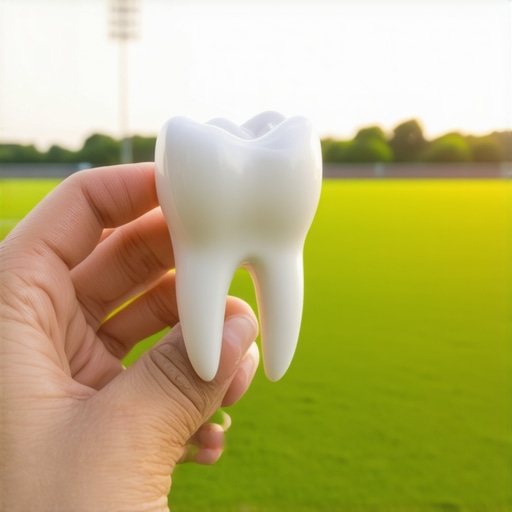
Rinse away the grit but leave the life behind
If the tooth is covered in dirt or grass, your instinct is to scrub it clean. Don’t. Scrubbing is the fastest way to kill the attachment fibers. Instead, hold the tooth by the crown and run it under a very gentle stream of cool water or, better yet, milk. Do not use soap, chemicals, or even alcohol-based mouthwash. You aren’t trying to sterilize it; you are just trying to remove the debris. In my experience, even if you can’t get it perfectly clean, a slightly dirty tooth that still has its living fibers is more likely to survive than a ‘clean’ one that has been scrubbed to death.
The 60-minute sprint to your dentist
Time isn’t just money; in this case, it’s your smile. The impact of regular teeth cleaning is great for prevention, but in an emergency, you have a golden window of about an hour. Beyond that, the cells on the root start to die off. This is why knowing why waiting for Monday is a mistake is so critical. You need an emergency appointment immediately. While you’re on the way, the goal is to keep the tooth in its natural environment. If the person is conscious and old enough not to swallow it, the absolute best place for that tooth is right back in the socket. Just push it in gently and have them bite down on gauze.
Storage secrets that keep the root alive
If you can’t get the tooth back into the socket, don’t just wrap it in a napkin. A dry tooth is a dead tooth. Dropping it in a cup of tap water is actually a bad move because the chemistry of tap water can cause the root cells to swell and burst. Following oral health tips every family should follow means always having a backup plan. Use a small container of cold milk. Milk has the right pH and nutrients to keep those cells alive for a short time. Last fall, my neighbor’s kid knocked a tooth out on the pavement. We didn’t have a medical kit, but we had a juice box of milk. We dunked it in there, and by the time they reached the dentist, the tooth was still viable. That simple move saved them from the complexity of crowns in modern smile makeovers later in life. Saliva is your second best option. Protecting the tooth this way is just as important as how to protect your teeth during contact sports in the first place.
Why your tap water is actually a tooth’s worst enemy
Most people think they are doing the right thing by rinsing a knocked-out tooth under the sink. It seems logical—clean the dirt off so it’s ready to go back in. But here is the nuance that separates a successful re-implantation from a failed one: tap water is a cellular poison for your teeth. Because tap water is hypotonic, it causes the delicate cells on the root to absorb too much fluid and burst. I have seen countless cases where a perfectly healthy tooth was lost because it sat in a bowl of water for twenty minutes. This is why following oral health tips every family should follow in 2025 includes knowing exactly which liquids are safe for transport. According to the International Association of Dental Traumatology (IADT), the survival of the periodontal ligament is entirely dependent on the osmotic pressure of the storage medium. Milk or a balanced salt solution isn’t just a suggestion; it’s a biological requirement.
The hidden trap of the ‘Wait and See’ approach
A common mistake I see is the ‘wait and see’ trap. Someone gets their tooth knocked back into place, it feels stable after a week, and they assume the crisis is over. But trauma is a slow-burn issue. Months later, the tooth might start to look slightly darker than the others. This is a sign of internal resorption or nerve death. If you skip follow-up visits, you miss the window to save the structure. This is often why your dentist recommends a crown after a root canal or trauma—to protect a tooth that has become brittle from the inside out. Understanding the role of crowns in modern smile makeovers is great, but using them as a protective shield after an injury is where the real clinical expertise lies. 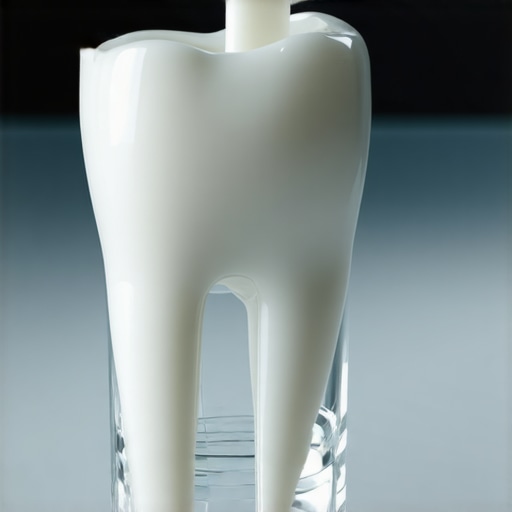
Can a tooth really survive if the nerve dies after the accident?
This is the most frequent question I get from frantic parents. The answer is a resounding yes, but with a catch. The ‘life’ of the tooth in the socket depends on the external ligament, not the internal nerve. While the nerve might die—requiring a root canal—the tooth can remain functional for decades if the external attachment is preserved. However, you must be diligent about maintaining your dental crowns or restorations that follow the procedure. If you ignore the follow-up, you’re just waiting for a second emergency. Have you ever fallen into the trap of thinking a tooth was ‘fine’ just because it stopped hurting? Let me know in the comments. Professional care is about more than just the initial fix; it’s about family dentistry focus on long-term stability and preventing the ‘oops’ factors that lead to tooth loss years down the road.Once the initial shock of a dental emergency fades, you’re left with the most important phase: the long game. It’s not just about surviving a crisis; it’s about building an oral health routine for strengthening your smile every day. I used to think a basic manual toothbrush and some generic floss were enough, but after seeing how quickly a smile can be compromised, I upgraded my personal toolkit. My first recommendation for anyone serious about maintenance is a high-quality water flosser. Think of it as a power washer for your gums. It reaches depths that traditional floss simply cannot, particularly if you are cleaning under a permanent retainer or around the base of a new crown. According to the Journal of Clinical Periodontology (JCP), water flossing can be significantly more effective than traditional string floss for reducing gingival bleeding and removing plaque in complex interdental spaces. This isn’t just about hygiene; it’s about protecting the biological and financial investment you’ve made in your mouth.
How do I maintain my dental work over time?
Maintenance is a marathon, and the right tools make the distance feel shorter. If you’ve recently had restorative work, you need to be meticulous about maintaining your dental crowns. One tool I swear by is a soft-bristled electric toothbrush equipped with a pressure sensor. Most people brush far too aggressively, which leads to gum recession and can expose the delicate margins where your crown meets the natural tooth. By using a sensor, you ensure you aren’t literally scrubbing your enamel away. I also recommend switching to a toothpaste containing nano-hydroxyapatite. While fluoride remains a gold standard, hydroxyapatite helps remineralize the surface by filling in microscopic gaps in the enamel. It’s one of those teeth cleaning secrets that dental professionals use to keep their own smiles intact and resilient against daily wear and tear. Proper technique and the right chemistry are what differentiate a tooth that lasts ten years from one that lasts forty.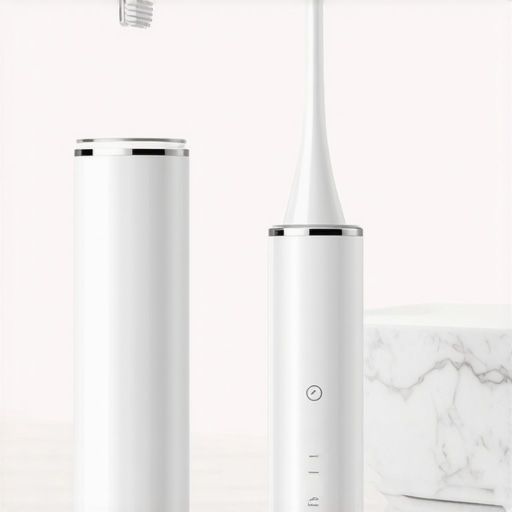
The future of your bathroom counter
Looking ahead, I see a massive shift toward data-driven, AI-integrated oral care. We are already seeing smart brushes that map your mouth in real-time, alerting you via an app to the exact spots you’ve missed. In the next few years, this will become the standard for family dentistry focus, allowing parents to monitor their kids’ brushing habits with clinical precision. This level of feedback will make the impact of regular teeth cleaning even more profound because we will be preventing the buildup of tartar before it has a chance to harden. If you have had work done, learning how to keep your dental crown from popping off isn’t just about avoiding sticky candy; it’s about these small, daily tech-assisted wins. For a deeper dive into protection, check out my guide on caring for crowns. If you want to stay ahead of the curve, I challenge you to try a ‘plaque disclosing tablet’ tonight. It’s a low-tech but eye-opening tool that shows you exactly where your current routine is failing, giving you the immediate feedback needed to adjust your technique.
Hard-Won Truths About Saving Your Smile Under Pressure
Looking back at that frantic afternoon in the backyard, I realized that the biggest enemy of oral health isn’t necessarily the injury itself; it is the misinformation we carry. One of my biggest lightbulb moments was learning that a tooth isn’t just a bone—it’s a living organ. When it gets knocked out, you have a literal ‘organ transplant’ scenario on your hands. If I had known the best way to handle a tooth that was knocked-out completely, I would have treated those root fibers like gold. Another lesson? Never assume a tooth is ‘safe’ just because it looks okay in the mirror after an impact. Trauma can hide deep within the jaw, making a family dentistry focus on long-term monitoring absolutely vital. Finally, I learned that sports guards aren’t just for the pros; knowing how to keep your child’s teeth safe during school sports can prevent the trauma from ever happening in the first place.
The Resilience Kit I Keep in My Medicine Cabinet
After my nephew’s accident, I revamped my own home care routine with tools that actually make a difference. I don’t just rely on a standard brush anymore. My toolkit now includes a high-pressure water flosser, which is the only way I’ve found to master how to clean under a permanent retainer without the struggle. I also keep a supply of plaque-disclosing tablets on hand. They are one of the best teeth cleaning secrets for showing exactly where you are missing the mark. For daily maintenance, I’ve switched to nano-hydroxyapatite toothpaste, which acts as a ‘liquid enamel’ to reinforce the surface against the acids in our diet. These aren’t just fancy gadgets; they are the frontline defense for keeping your natural teeth and any restorative work in peak condition for decades.
Turn a Moment of Crisis Into a Lifetime of Confidence
The journey from a dental emergency to a restored, healthy smile is paved with consistency. While a single accident can feel like a catastrophe, your body’s ability to heal—when given the right environment—is truly remarkable. By committing to an oral health routine for strengthening your smile every day, you ensure that if an emergency does strike, your teeth are starting from a place of maximum strength. Don’t let a past injury dictate your future confidence. Whether you are maintaining your dental crowns or just trying to keep your natural smile bright, the effort you put in today pays dividends for years to come. Have you ever had to act fast during a dental scare, or did you learn a hard lesson like I did? Let me know your experience in the comments below!