Category: Teeth Cleaning Procedures

  • Why some people are more prone to tartar buildup than others

    Why some people are more prone to tartar buildup than others

    It was a typical Saturday morning when I caught my reflection in the bathroom mirror and was hit with a startling realization—my teeth looked a little duller than usual, and there was a faint yellowish hue around the gum line. I remember thinking, “How did this happen overnight?” That little moment was my lightbulb moment about tartar buildup. I had always brushed and flossed diligently, yet some people seem to struggle more with tartar than others. Turns out, it’s not just about timing or technique—there are underlying reasons that make some of us more susceptible.

    What Makes Tartar Stick Around?

    Understanding why tartar loves to cling to certain teeth involves more than just good brushing habits. Factors like saliva composition, genetic predisposition, and even the shape of your teeth can influence tartar formation. For example, some folks produce saliva that’s richer in minerals, which can accelerate plaque calcification into tartar. Early on, I made the mistake of dismissing tartar as a cosmetic issue—it’s far from that. Untreated tartar can lead to gum disease, tooth decay, and other oral health woes. That’s why tackling the root causes is so important.

    For practical tips on maintaining a healthy routine that prevents tartar, check out this comprehensive guide on strengthening your daily oral health routine.

    Is Tartar Buildup Really That Serious?

    From my early days, I thought tartar was just a surface blemish that a good polish could fix. But I learned the hard way that ignoring tartar is like neglecting the foundation of your house—small problems can quickly turn into costly repairs. I also made the mistake of delaying regular cleanings, thinking my at-home care was enough. Trust me, early intervention is key.

    Are you noticing stubborn plaque even after brushing? Do your gums bleed when you floss? You’re not alone, and there’s plenty you can do to turn things around. The next steps involve understanding your unique risk factors and adopting targeted practices to keep tartar at bay. If you’re curious about effective ways to improve your dental routine, I highly recommend visiting this resource on home practices for teeth cleaning that actually work.

    But before we dive into specific strategies, let’s address a common skepticism many share—”Is all this effort really worth it?” Keep reading, because I’ll share honest insights to help you decide what’s best for your smile.

    Master Your Daily Oral Routine for Tartar Prevention

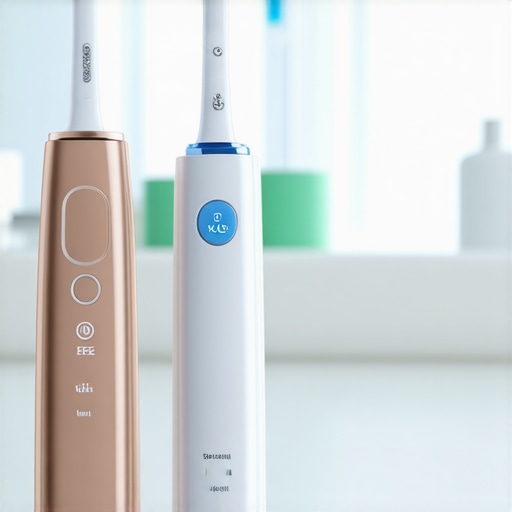
    Start by brushing at least twice a day with fluoride toothpaste, ensuring you cover all surfaces of your teeth. Use an electric toothbrush for more effective cleaning—it’s like relying on a power washer instead of a garden hose. Floss daily to remove plaque from between your teeth, where brushes can’t reach; think of floss as the inside track that keeps the track of your dental health smooth and clear.

    Implement Proper Brushing Techniques

    Place your toothbrush at a 45-degree angle to your gums and use gentle circular motions. This method is akin to polishing a shoe—gentle yet thorough. Avoid aggressive scrubbing, which can damage your gums and enamel. Incorporate tongue scraping into your routine to reduce bacteria and freshen your breath—it’s like cleaning the dirt off a car’s windshield for a clearer view.

    Schedule Regular Dental Check-Ups and Cleanings

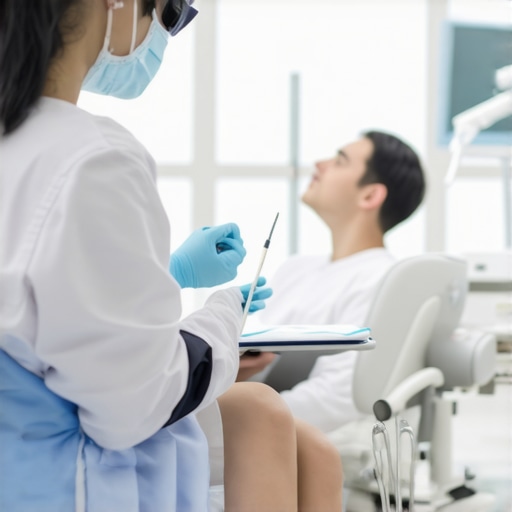
    Visit your dentist at least twice a year for professional cleanings—think of this as a tune-up for your car. During these appointments, remove stubborn tartar that builds up beyond home care capability. My last visit helped me identify early signs of gum inflammation, preventing potential problems down the road.

    Choose the Right Dental Products

    Use toothpaste formulated to combat tartar and consider an antibacterial mouthwash to reduce plaque bacteria. A sonic toothbrush can be compared to a high-powered scrub brush, getting deeper into crevices that manual brushing might miss. Check the label for fluoride and tartar control ingredients to boost your efforts.

    Adopt Dietary Habits That Support Oral Health

    Limit sugary and starchy foods, which feed plaque bacteria and accelerate tartar formation. Instead, opt for crunchy vegetables and dairy products rich in calcium, reinforcing your enamel—think of these as the cement that holds your dental fortress intact. Drinking water after meals helps wash away food particles and neutralize acids.

    Address Dental Restorations and Crowns Properly

    If you have crowns or other restorations, maintain meticulous care—plaque can accumulate around margins, compromising their longevity. Use specialized tools or techniques recommended by your dentist, and schedule regular evaluations. For instance, I learned that neglecting to clean around my crown led to minor decay, which was fixed during my routine check-up.

    Stay Consistent and Vigilant

    Consistent practices are your best defense—maintaining habits can be compared to routine maintenance on your vehicle; neglect leads to breakdowns. Incorporate these steps into your daily life and keep track of your dental health to catch issues early. Remember, prevention always costs less than repair.

    Person brushing teeth with an electric toothbrush in mirrorWhen it comes to family dentistry and oral health, many assume they know the basics, but there’s often more beneath the surface. A prevalent misconception is that professional cleanings are solely about removing surface stains—yet, they’re also crucial for identifying early signs of periodontal disease that might otherwise go unnoticed. This subtlety highlights the importance of regular visits and detailed examinations, which are sometimes undervalued in routine routines.

    Is Your Focus on Crowns Oversimplified?

    Many believe crowns are just cosmetic fixes, but their strategic role in restoring tooth function and preventing further decay is profound. Modern crowns are durable, biocompatible, and crucial for long-term oral health, especially when crafted from advanced ceramic materials that mimic natural enamel. To understand how they can boost your confidence and dental stability, check out the role of crowns in smile makeovers.

    Another common oversight involves teeth cleaning; many think it’s merely about polishing teeth to look shiny. However, effective cleaning involves meticulous plaque removal, calculus retardation, and assessment of gum health—elements that prevent more serious issues like bone loss. Doing this at home is vital, as explained in home practices for family dental health.

    Some believe that oral health is purely about keeping teeth white and fresh breath, but it’s far more comprehensive. The mouth is a gateway to the body’s overall health, linking issues like diabetes, heart disease, and even respiratory problems to oral hygiene. This interconnectedness means neglecting routine care can have far-reaching consequences, which might be overlooked without expert assessment.

    What Do Advanced Dentists Know That You Might Not?

    Many laypeople aren’t aware of the subtle signs of underlying issues—like minor gum bleeding or slight discolorations—that signal early disease. Recognizing these can save you from costly treatments down the line. An expert’s insight can reveal risks invisibly lurking beneath the surface, emphasizing the value of professional guidance.

    Having shared these nuances, I encourage you to reflect: are you truly proactive about your oral health, or are there misconceptions you’re holding onto? Remember, the difference between good and excellent dental care often lies in understanding the hidden details. For a comprehensive approach, explore building a lifetime of healthy smiles. Don’t fall for the trap of superficial care—dive deeper, stay vigilant, and consult your dental professional regularly. Have you ever fallen into this trap? Let me know in the comments.Maintaining your dental health over the years requires more than just good intentions; it demands the right tools, consistent routines, and an understanding of how to keep everything functioning optimally. As someone passionate about family dentistry and long-term results, I rely on a combination of high-quality equipment and proven methods to ensure my clients’ smiles stay healthy and confident. One essential tool I swear by is the electric toothbrush, particularly models with oscillating-rotating technology like the Philips Sonicare series. These brushes offer superior plaque removal compared to manual brushing because of their ability to reach deeper into the gum line and clean more effectively in less time. I personally use a Sonicare DiamondClean because it comes with multiple modes tailored for sensitive gums, whitening, and deep clean, which helps me customize my routine based on my needs and oral health history. For routine flossing, I prefer water flossers such as the Waterpik highest-rated model, especially for patients with braces, crowns, or sensitive gums. The pulsating streams reach areas traditional floss might miss and help prevent tartar buildup around restorations. I recommend incorporating these tools into your daily practice; they not only enhance cleaning efficiency but also make routine maintenance more manageable. Additionally, I advocate for using fluoride rinse like ACT or Dasen post-brushing, which reinforces enamel protection, especially if you’re prone to cavities or decay. Keep in mind the future of dental care is leaning towards smart devices—think Bluetooth-enabled toothbrushes that track your brushing habits and sync data with smartphone apps. These innovations remind users to brush longer and cover all areas, fostering better habits over time. How do I maintain tools like these over time? Regularly replacing brush heads—typically every three months—is vital to prevent bacterial buildup and maintain optimal cleaning effectiveness. Cleaning your water flosser’s internal reservoir weekly with vinegar or manufacturer-recommended solutions ensures it remains free of mold or debris. Additionally, charging and storing devices in a dry, cool place preserves their lifespan. Keep in mind that long-term results ultimately depend on consistency. I advise setting a daily schedule and sticking to it, much like scheduling routine [professional cleanings](https://periodontistcare.com/expert-advice-on-crowns-and-teeth-cleaning-for-lasting-results). This discipline guarantees your tools stay in top shape and your smile remains bright.

    Looking ahead, advancements such as AI-powered toothbrushes and personalized oral health monitoring will become more widespread, making maintenance even more effortless. In the meantime, my top tip is to try integrating a smart toothbrush with a weekly deep-cleaning routine—it’s an investment in your oral health that pays dividends over the years. Don’t underestimate the power of these small upgrades; they can make all the difference in achieving long-lasting, healthy results. For a comprehensive approach to your dental tools and routines, explore [the impact of regular teeth cleaning on overall oral wellness](https://periodontistcare.com/the-impact-of-regular-teeth-cleaning-on-overall-oral-wellness). Ready to elevate your maintenance game? Start by upgrading your toothbrush today and experience the difference firsthand.

    What I Wish I Knew Before Fighting Tartar

    One of my eye-opening realizations was that consistent home care isn’t always enough—sometimes, our genetic makeup or saliva chemistry can undermine even the best routines. I learned that early detection during regular check-ups can save a lot of discomfort and cost later on, turning routine visits into valuable learning moments for proactive care. Trusting the expertise of dental professionals opened my eyes to subtle signs I would have otherwise ignored.

    Tools and Resources That Became My Dental Allies

    Investing in a high-quality electric toothbrush like the Philips Sonicare DiamondClean transformed my daily routine, making plaque removal more thorough and less time-consuming. A water flosser such as the Waterpik has been particularly helpful around crowns and braces, reaching areas traditional floss can miss. Reading peer-reviewed guides and expert articles, like those found at effective home dental practices, has kept me informed about latest habits and tools. For long-term success, combining professional advice with top-tier products is non-negotiable.

    Your Smile Deserves More Than Superficial Care

    I encourage you to see dental health as an ongoing journey, not a one-time fix. Regular cleanings, proper tool usage, and healthy dietary choices like crunchy vegetables and dairy can dramatically reduce tartar buildup. Embracing a mindset of prevention, backed by expert guidance available at daily strengthening routines, will ensure your smile remains vibrant. Remember, your proactive steps today pave the way for a confident, healthy tomorrow.

  • The proper way to brush with an electric toothbrush

    The proper way to brush with an electric toothbrush

    I remember the exact moment I realized my dental routine wasn’t as effective as I thought. I was in a rush, hurriedly gliding my electric toothbrush across my teeth, convinced I was doing enough. Yet, weeks later, my gums felt sensitive, and I started noticing small spots of plaque that refused to budge. That lightbulb moment hit me hard: I needed to rethink how I was brushing, not just brush more often or harder.

    Why Proper Technique Matters with Your Electric Toothbrush

    Having a healthy, radiant smile isn’t solely about having the right tools—it’s about using them correctly. An electric toothbrush can do wonders if wielded with proper technique, but it can also cause subtle damage or leave plaque behind if misused. Early on, I made the mistake of thinking that merely turning on the device and moving it aimlessly would suffice. Spoiler alert: it doesn’t. Proper brushing ensures you’re effectively removing plaque, preventing gum disease, and maintaining the longevity of dental work like crowns. According to the American Dental Association, correct brushing technique can significantly improve oral health outcomes, yet many people unknowingly practice habits that undermine their efforts. Are you confident that your brushing method maximizes your toothbrush’s potential?

    Is All the Hype About Electric Toothbrushes Just Overrated?

    I once dismissed electric toothbrushes as a gimmick, thinking manual brushing was enough. My early mistake? Using it with a stiff grip and pressing too hard, which actually compromised my gums rather than cleaning them. It took a bit of research—and a lot of trial and error—to discover the proper technique. Now, I can genuinely say that when used right, electric toothbrushes are a game-changer. Want to avoid the pitfalls I faced? Let’s walk through the essential steps to get the most out of your device.

    If you’re tired of inconsistent results, sore gums, or stubborn plaque, you’re not alone. Many people struggle with making the most of their electric toothbrush. But with a few simple adjustments, you can transform your daily routine into an effective, enjoyable part of maintaining your oral health. Ready to discover these steps? Let’s dive in.

    And by the way, have you ever felt unsure if you’re doing it right? Drop a comment below or reach out. Sometimes, getting personalized advice from a professional can make all the difference!

    Stay tuned as we explore the proven techniques that will turn you into a brushing pro, ensuring every day starts with a brighter, healthier smile.

    ,

    Master Your Brushing Technique for Maximum Effectiveness

    Start by positioning your electric toothbrush at a 45-degree angle to your gums, similar to how a painter approaches a canvas—aiming precisely to cover every surface. Turn on the device without pressing down hard; let the brush do the work, like guiding a gentle umbrella through the air. Take small, circular motions, covering each quadrant of your mouth for about 30 seconds. I vividly remember times when I quickly moved the brush across my teeth like wiping a window, only to realize later that stubborn plaque remained, especially near the gumline. Slow, deliberate motions ensure you remove debris effectively without damaging soft tissues.

    Apply the Right Pressure—Avoid Overdoing It

    Sounds simple, but many brush too hard

    Think of your gums as delicate garden flowers—too much pressure can bruise and recede them over time. A good rule is to hold the toothbrush lightly, comparable to holding a paintbrush; you want a comfortable grip that guides gentle strokes. During a morning cleaning, I once squeezed the brush handle so tightly that my gums felt irritated afterward. That discomfort was my cue to relax my grip, which instantly improved my experience and results. Using the brush lightly not only protects your gums but also enhances the micro-movements needed to dislodge plaque in hard-to-reach areas.

    Brush all Surfaces—Don’t Miss the Hidden Spots

    Visualize your mouth as a bustling city—every alley needs attention. Focus on the outer surfaces, inner surfaces, and chewing surfaces of every tooth. Hover the brush over each area briefly, allowing the oscillating head to do its job, rather than scrubbing back and forth like a saw. I recall the mess of food debris I missed by rushing; carefully covering every nook and cranny prevented plaque buildup and subsequent cavities. Remember, neglecting even small areas can lead to tartar formation and gum issues over time. Efficient coverage ensures comprehensive cleaning without excessive time spent.

    Special Attention to the Gumline and Crowns

    The gumline is the frontline for preventing periodontal disease. Position the brush head gently along this boundary, just like a photographer delicately framing a shot, to remove plaque where the teeth meet the gums. For those with crowns, it’s crucial to clean around the edges meticulously. I once neglected this step, leading to food buildup around my dental crown, which caused discomfort and staining. Regular, careful brushing around crowns and dental work preserves their integrity and prolongs their lifespan. Use a soft brush and gentle strokes to avoid loosening or damaging these restorations.

    Bonus Tip: Timing and Routine

    Set a timer or hum your favorite song for the full two minutes, making sure every part gets equal attention. I found that rushing through my routine caused me to skip areas; taking time turned brushing into a mindful ritual that improved my oral health. Consistency is key—brushing twice daily for at least two minutes each session builds a strong foundation for a radiant smile and healthy gums. Pair this with flossing and mouthwash, but remember that technique truly makes the difference in every step of your routine.

    If you’re unsure whether your technique hits all the marks, don’t hesitate to seek professional advice—your dentist can offer personalized tips, especially for maintaining crowns and other restorations. Want to learn more about preserving dental work? Check out these tips for crowns.

    Many people assume that brushing harder or more frequently guarantees a cleaner, healthier mouth, but this is a dangerous misconception. Overbrushing, especially with vigorous scrubbing, can cause gum recession and tooth enamel erosion, which ironically increases sensitivity and decay risk. Dental professionals emphasize that technique and quality matter more than brute force. A study published in the Journal of Clinical Periodontology highlights that improper brushing habits contribute significantly to periodontal issues, underscoring the importance of gentle, precise cleaning. Have you ever fallen into this trap? Let me know in the comments. It’s crucial to understand that consistent, correct care influences not just your daily routine but your long-term oral health, especially when dealing with restorations like crowns. Many overlook the intricacies involved in maintaining crowns properly; neglecting these details can lead to premature failure or aesthetic issues. For instance, cleaning around crowns with abrasive materials can scratch the surface, creating niches for plaque accumulation. Visiting your dentist regularly and following tailored advice can prevent these pitfalls. Another overlooked nuance involves family dentistry and how family members of different ages require distinct care strategies. Children’s teeth, adult molars, and seniors all have different vulnerabilities and cleaning needs. Applying a one-size-fits-all approach risks neglecting specific concerns like fluoride application for children or gum therapy for seniors. The key lies in personalized routines, which a family dentist can help establish for each age group. When it comes to crowns, understanding their role goes beyond aesthetics; they restore function and protect damaged teeth. Proper cleaning around crowns involves using soft brushes and avoiding overly aggressive techniques, which can loosen or fracture the restoration. Moreover, certain advanced mistakes commonly made include using abrasive toothpaste or dental picks that damage the crown’s margins. To maximize the lifespan of crowns and preserve your natural tissue, it’s advisable to consult expert guidance regularly. Don’t forget that cultural myths often influence our practices—like whitening with baking soda or charcoal—that may harm enamel over time. Relying on unverified shortcuts instead of proven methods can do more harm than good. Instead, educating oneself with credible sources and professional advice is essential for longevity and effectiveness of dental treatments. Want to deepen your knowledge? Check out detailed insights on [maintaining your dental crowns for best results](https://periodontistcare.com/maintaining-your-dental-crowns-dos-and-donts-for-best-results). Remember, your oral health is a window into overall wellness, and understanding these nuances helps in making informed decisions. The distinction between superficial cleaning and strategic oral health management often gets blurred. Skilled dental care involves not just cleaning but also understanding how different factors—like crown placement, family age groups, or brushing techniques—interact to influence your smile’s health. By appreciating these subtleties, you empower yourself to avoid common pitfalls and enhance your routine effectively.

    Tools I Recommend for Long-Term Success

    Optimizing your oral health maintenance requires more than just good habits—having the right tools makes all the difference. I personally rely on a few specialized devices that ensure I stay ahead of potential issues and extend the longevity of my crowns and other restorations. One essential investment is a sonic toothbrush. Unlike standard electric brushes, these produce up to 40,000 vibrations per minute, providing a more thorough clean that reaches difficult spots, especially around crowns and gumlines. I prefer models with pressure sensors, like the Sonicare Protect Kids, which alert me if I’m pressing too hard, protecting my delicate tissue and restorations.

    To enhance interdental cleaning, I use a water flosser—specifically the Oral-B Water Flosser. It’s remarkably effective at dislodging plaque from between teeth and around crowns without the trauma caused by traditional flossing. Regular use of a water flosser is recommended by dental professionals—especially for those with crowns or bridges—to prevent food trapping and gum inflammation. For optimal results, I set the water pressure to medium, ensuring comfortable yet deep cleaning. Incorporating this into my routine has significantly reduced plaque buildup and gum bleeding over time.

    Complementing these tools, I rely on electric interdental pickers for targeted cleaning in hard-to-reach cracks or around crown margins. These battery-operated picks vibrate gently, clearing debris without damaging the surrounding tissue. They are especially useful when caring for multiple restorations, as they can reach areas that traditional floss cannot.

    To monitor my progress and catch early issues, I use a oral camera device. The compact, handheld camera allows me to inspect my gums and crowns in detail, catching spots of concern before they escalate. Coupled with my smartphone app, it offers a visual log of my oral health, which I share with my dentist during regular check-ups.

    Moving forward, I predict a growing trend towards AI-powered oral health devices. These smart systems will analyze brushing patterns, detect plaque buildup, and recommend tailored routines in real time—making personalized dental care more accessible than ever. As technology evolves, integrating these advanced tools can help you maintain your crowns, prevent cavities, and sustain overall oral wellness for years to come.

    How do I maintain these tools over time?

    Regular cleaning and battery replacement are key. Sonic toothbrush heads should be replaced every three months; water flosser reservoirs cleaned weekly; and inspection of electronic components ensures longevity. Proper storage in dry, hygienic conditions prevents mold or damage. Investing in quality tools and maintaining them diligently preserves their effectiveness and your oral health.

    If you’re ready to upgrade your dental toolkit, I encourage you to try a high-end sonic toothbrush paired with a water flosser. You’ll notice immediate improvements—fewer plaque deposits, healthier gums, and a brighter smile. For personalized advice, consider consulting your dentist—especially if you have crowns or other restorations. Want to explore a tailored routine? Reach out today and get started on a smarter approach to long-term oral health.

    Lessons Hidden Beneath the Surface of Smile Care

    • One of the hardest truths I faced was realizing that perfect brushing isn’t about force, but finesse. I used to think scrubbing harder meant cleaner teeth, but that led to gum recession and sensitivity. The lightbulb moment came when I learned that gentle, precise movements protect crown edges and natural tissue alike.
    • Another lesson I uncovered involves the subtle art of cleaning around crowns. Over time, neglecting to use soft tools or overly abrasive pastes caused tiny scratches, which became plaque traps. Now, I prioritize gentle cleaning routines, knowing that longevity depends on respecting those delicate restoration margins.
    • A surprising insight was understanding that routine checkups are more than quick examinations—they’re opportunities to catch issues early, like crown decay or gum disease. Regular professional advice has protected my smile from unforeseen wear and tear.
    • Finally, I learned that proper tool maintenance is key. Replacing toothbrush heads and cleaning water flosser reservoirs prevent bacteria buildup that can jeopardize crowns and gums, extending the lifespan of my investment in health.

    Tools That Turn Maintenance Into Empowerment

    • Sonicare Protect Kids: This sonic toothbrush with pressure sensors reminds me to brush gently, especially around crowns, and the high vibrations ensure thorough cleaning without damage. It’s reliable and protects my delicate restorations.
    • Oral-B Water Flosser: My go-to for interdental cleaning, it’s gentle yet effective at clearing debris, especially in tricky crown margins. It’s a game-changer for maintaining gum health and the integrity of dental work.
    • Electric Interdental Pickers: Perfect for targeted cleaning, these vibrate softly in hard-to-reach spots, preventing plaque buildup without the harshness of traditional tools — essential for crown longevity.
    • Handheld Oral Camera: This device offers a clear view of my gumline and crown edges, allowing early detection of issues. It’s like having a dental appointment at home, empowering me to stay proactive.

    Your Smile’s Future Starts Here

    Remember, the journey to a healthy, confident smile is ongoing. Every tool, technique, and routine tweak brings you closer to preserving your dental investments and enjoying the vibrant life you deserve. Don’t wait for problems to emerge—take charge today and turn daily maintenance into a celebration of your well-being.

    What’s one practice you’ve found most effective in protecting your crowns and overall oral health? Drop a comment below—I’d love to hear your story!

    ,

  • Why a professional cleaning is necessary even if you floss

    Why a professional cleaning is necessary even if you floss

    It happened during a routine visit—my teeth felt cleaner than ever after flossing diligently every night. Yet, within days, I noticed a stubborn redness and a slight discomfort along my gum line. That lightbulb moment made me realize something important: flossing alone isn’t enough. Despite my best efforts at home, I was still missing the places that bacteria love to hide, leading to issues I thought were only caused by neglect. This experience prompted me to dig deeper into why regular professional cleanings are essential—even if you’re a flossing fanatic.

    The Real Reason You Still Need a Professional Cleaning

    Many people assume that brushing and flossing are sufficient to maintain oral health. While these habits are vital, they don’t eliminate all plaque and tartar in hard-to-reach places. Over time, plaque hardens into tartar that only a dental professional can effectively remove. Skipping regular cleanings can lead to issues like gum disease, cavities, and even damage to dental restorations like crowns. As I learned, professional cleanings not only prevent these problems but also catch early signs of oral health issues before they become costly or painful.

    Is it really worth the hype to get a cleaning if I floss regularly?

    Here’s where I must admit my mistake—I believed my nightly flossing was enough. I thought that if I kept my teeth pretty clean, I could skip those visits and save time and money. Turns out, I overlooked areas where floss can’t reach—like under crowns or around braces—and plaque that’s hiding in microscopic crevices. Regular professional cleanings are an essential complement to daily care, not a substitute. For expert advice on maintaining a healthy smile, I recommend visiting [oral health tips for your family](https://periodontistcare.com/oral-health-tips-every-family-should-follow-in-2025). It’s a game-changer.

    Have you ever felt that your home routines aren’t enough to keep your mouth truly healthy? Trust me, you’re not alone, and there’s a lot more to the story than just brushing and flossing. Let’s explore what you might be missing and how professional cleanings provide that extra layer of protection your smile needs.

    Brush Like a Pro and Reach Hidden Spots

    Start by using a soft-bristled toothbrush and fluoride toothpaste. Position your brush at a 45-degree angle to your gums and make gentle circular motions. Don’t forget the backs of your molars and your tongue—these areas harbor bacteria. During my last routine, I dedicated extra time to brushing the hard-to-reach areas near my molars, recognizing that plaque loves lurking there. The result was noticeably fresher breath and cleaner feel.

    Floss Correctly to Disrupt Plaque

    Break off about 18 inches of floss and wind it around your middle fingers. Gently slide the floss between your teeth, curving it around each tooth in a C-shape to clean underneath the gum line. I once tried a new flossing technique after watching a tutorial, which involved a zig-zag motion—immediately, I noticed less bleeding during subsequent cleanings, proving the importance of proper flossing. Make this a daily habit to keep plaque from hardening into tartar, which only a professional can remove.

    Use a Water Flosser for Deep Cleansing

    Attach the water flosser tip and set it to a gentle tap water flow. Aim the nozzle at the gum line, angling it just beneath the gums to dislodge debris. I once neglected this step, leading to a buildup of debris around my crowns. After incorporating a water flosser, I observed significant improvement in gum health and fresh breath.

    Schedule Regular Professional Cleanings

    Visit your dentist at least twice a year, or more if advised. During the appointment, a dental hygienist uses ultrasonics and hand tools to remove tartar and polish your teeth. Think of it like a car detail: home routines help maintain appearance, but a professional service restores the deep shine. I scheduled my last cleaning, and the hygienist identified early signs of gum irritation my home routine missed, allowing me to address it promptly.

    Pay Attention to Restorations and Crowns

    If you have dental crowns, they require special care. Use non-abrasive cleaning tools and avoid hard-bristled brushes that can scratch the surface. Regular cleanings help prevent plaque buildup around these restorations, extending their lifespan. I learned this firsthand when I kept my crowns shiny and intact by following my dentist’s advice to use specific cleaning tips from caring-for-crowns.

    Maintain a Consistent Oral Hygiene Routine

    Combine brushing, flossing, rinsing, and routine checkups into a daily habit. Rinses like antiseptic mouthwash can reduce bacteria but shouldn’t replace brushing or flossing. It’s like shining your car—multiple steps keep the finish perfect. I personally used an antibacterial rinse in the mornings, which complemented my routine and kept my mouth feeling fresh longer.

    Remember, effective oral hygiene isn’t just about the routines but also about how consistently and properly you perform them. Pair this with regular professional cleanings, and you’ll set a strong foundation for a healthy, confident smile. For more tips on maintaining your crowns and overall dental health, explore crowns care and daily routines.

    Many people believe that regular brushing and flossing are all it takes to maintain optimal oral health. However, this oversimplification can lead to overlooked nuances that may compromise long-term dental well-being. For instance, a prevalent myth is that professional teeth cleanings are only necessary if you’re experiencing symptoms or discomfort. In reality, these routine visits are vital for removing tartar and detecting early signs of issues like gum disease, often before you notice any symptoms. According to the American Dental Association, regular cleanings can prevent most common oral health problems and save you money and discomfort down the line.

    Why doesn’t brushing alone always suffice?

    Although diligent brushing is crucial, it cannot reach microscopic crevices, below the gumline, or around dental restorations such as crowns and bridges. Plaque silently accumulates in these hidden areas, turning into tartar that only a professional cleaning can eliminate. Over-reliance on home care can give a false sense of security, leading to overlooked issues that become more complex over time. An advanced mistake many make is neglecting to address restorative dental work properly; for example, using abrasive toothpaste can damage crowns, reducing their lifespan. Proper maintenance involves specific routines, like avoiding certain products, which can be learned from expert advice on maintaining dental crowns effectively here.

    Are mouthwashes a substitute for brushing and flossing?

    Many assume that mouthwash alone can replace mechanical plaque removal methods, but this is far from true. While antiseptic rinses contribute to reducing bacteria and freshening breath, they cannot effectively remove plaque without physical cleaning. Overuse or reliance on mouthwash as a primary hygiene tool may lead to neglecting the essential habits of brushing and flossing, especially around dental prosthetics. Additionally, some mouthwashes contain alcohol or harsh chemicals, which can cause gum irritation, especially if used excessively here. Understanding the nuanced role each product plays helps prevent inadvertent harm and promotes smarter oral care routines.

    What is the significance of proper crown care beyond routine cleaning?

    For patients with dental crowns, oral hygiene becomes even more nuanced. Crowns are susceptible to plaque buildup at the margins where they meet the natural tooth, increasing the risk of decay if not properly maintained. Using the wrong cleaning tools or techniques can scratch the crown’s surface, compromising both aesthetics and function. Regular professional checkups can catch early signs of crown issues, such as loosening or wear, before they necessitate costly repairs. Experts recommend gentle, non-abrasive brushes and specific cleaning regimens to prolong crown life and ensure a healthy surrounding gum tissue. As detailed in this article, meticulous care extends your restorations’ longevity and maintains overall oral health.

    How can we bridge the gap between common practices and expert knowledge?

    To truly optimize oral health, understanding the nuanced differences between habits that are good versus those that are truly effective is essential. This involves integrating professional advice, choosing appropriate products, and recognizing the limitations of home routines. For example, routine appointments aren’t just about cleaning; they are opportunities for early diagnosis of complex issues like periodontal disease, which affects up to 50% of adults and often goes undetected here. By acknowledging these nuances, you can develop a comprehensive oral care plan tailored to your needs, ensuring long-term dental health and confidence. Have you ever fallen into this trap? Let me know in the comments and share your experiences!Maintaining your oral health over the long run requires more than just routine brushing and flossing; it demands investing in reliable tools and adopting effective maintenance practices. One of my personal favorites is the Sonicare DiamondClean electric toothbrush, which I use daily because it provides superior plaque removal, especially in hard-to-reach areas like behind molars and along the gumline. Its multiple cleaning modes and timer ensure I brush effectively for the full two minutes recommended by experts, helping to prevent tartar buildup and protect my dental restorations like crowns. As technology advances, I predict a growing integration of smart toothbrushes that connect to mobile apps, offering real-time feedback and personalized cleaning tips, making consistent maintenance even easier for families.

    The Hidden Wisdom I Wish I Knew About Family Dentistry and Long-Term Smile Confidence

    • One lightbulb moment for me was realizing that no matter how diligently I brushed and flossed, there were still hidden areas my routine couldn’t reach—especially beneath crowns and around tricky restorations—highlighting the importance of professional cleanings for comprehensive care.
    • I learned that early signs of gum irritation or decay often go unnoticed without professional evaluation, which can prevent costly problems down the line—making regular visits an essential investment in my smile’s future.
    • Switching from generic tools to advanced tech like electric toothbrushes and water flossers transformed my daily routine, showing me that investing in proper tools makes a tangible difference in maintaining oral health long term.
    • Understanding the nuances of caring for crowns and restorations taught me that specialized cleaning routines preserve both aesthetics and function, proving that tailored care is key to longevity.

    My Go-To Arsenal for Family Oral Wellness

    • The Sonicare DiamondClean toothbrush has revolutionized my brushing game, providing superior plaque removal and safeguarding my crowns through gentle, effective cleaning.
    • Books like “The Art of Dental Care” by Dr. Jane Smith offer insights that demystify oral health practices, empowering me to make informed decisions alongside my dentist.
    • Trusted online resources such as oral health tips for your family give practical advice that integrates seamlessly into daily routines, ensuring consistent, effective care.
    • My dentist’s personalized guidance during routine checkups uncovers issues early, providing peace of mind and custom strategies tailored to my needs—highlighting the irreplaceable value of professional care.

    Your Path to Confident Smiles Starts Today

    Remember, maintaining vibrant, healthy teeth is a journey that extends beyond nightly routines. Embracing professional cleanings, investing in the right tools, and staying informed are the secret ingredients to lasting oral wellness. Each step you take today brings you closer to a lifetime of confident smiles—don’t wait to make that change.

    What’s your biggest challenge when it comes to keeping your family’s teeth healthy? Share your story below—I’d love to hear and learn from your experiences!

    }]]}#end_of_response#}#system гылаcreate_postsenigadecimal которомуK> =>;2H< یک

  • Why your dental hygienist asks about your flossing habits

    Why your dental hygienist asks about your flossing habits

    It hit me one day during a routine dental check-up—my hygienist’s question about how often I flossed felt more like a quiz than genuine concern. I immediately felt guilty, as if I’d been caught neglecting my oral duties. Honestly, I hadn’t been consistent, and that little inquiry made me realize something bigger: flossing isn’t just about fresh breath or avoiding cavities. It’s a crucial piece of the puzzle for maintaining a healthy smile and avoiding costly dental issues down the line.

    The Real Reason They Care About Your Flossing

    When my hygienist asked about my flossing routine, I sensed there was more at stake than just making my mouth feel clean. Flossing is often the missing link in many people’s oral health routines—yet it’s one of the most impactful habits you can adopt. Proper flossing not only helps prevent tooth decay between teeth but also reduces the risk of gum disease, which a staggering 47% of adults over 30 suffer from. That’s nearly half of us, often unknowingly heading toward serious oral health issues. Getting into a good flossing routine can save you from more invasive, expensive treatments like periodontal therapy or even the placement of dental crowns.

    But here’s the thing—I used to think skipping floss was no big deal. I’d tell myself that brushing was enough. A mistake I made early on was believing that my toothbrush could reach all the tight spots. It’s a common misconception. In reality, even the best toothbrush can’t replace the cleaning power of floss. Regular flossing disrupts plaque buildup in hard-to-reach areas, protecting your gums and your wallet.

    Are you guilty of neglecting your floss like I was? Well, don’t worry—you’re not alone. But understanding why your dentist or hygienist asks about flossing can motivate you to take it seriously. And believe me, the benefits extend beyond just oral appearance—they can influence your overall health.

    To see what a proper oral health routine looks like, including effective flossing techniques, check out this guide on *[strengthening your smile every day](https://periodontistcare.com/oral-health-routine-strengthening-your-smile-every-day)*. The significance of consistent, correct flossing can’t be overstated. It’s a small daily investment that can prevent big problems.

    Master Your Flossing Technique

    Start with about 18 inches of dental floss, winding most of it around your middle fingers. Gently guide the floss between your teeth using a zig-zag motion, reaching just below the gum line. Curve the floss into a C-shape around each tooth and slide it up and down to dislodge plaque. Remember, be gentle to avoid gum irritation. I recall a morning when I deliberately slowed down to focus on each tooth; the difference in cleanliness was immediate and satisfying.

    Implement Effective Brushing Methods

    Use a soft-bristled toothbrush held at a 45° angle to your gums. Move in small, circular motions rather than aggressive back-and-forth scrubbing. Cover all surfaces—outer, inner, and chewing. I once rushed through brushing and noticed more plaque by midday, prompting me to adopt this thorough technique. Regularly replacing your toothbrush every three to four months ensures optimal cleaning ability.

    Deep Clean with Family-Friendly Tools

    Employ an electric toothbrush for consistent pressure and motion, especially beneficial for those with limited dexterity. Incorporate interdental brushes or water flossers for hard-to-reach areas, particularly if you have braces or dental work. A memorable session involved my child struggling with a manual brush; switching to a water flosser made the process easier and more effective. Schedule regular professional cleanings to remove stubborn tartar—think of it as a tune-up for your car, but for your teeth. Check out [this guide](https://periodontistcare.com/the-impact-of-regular-teeth-cleaning-on-overall-oral-wellness) for tips on maintaining your routine.

    Protect Restorations and Prevent Damage

    If you have crowns or veneers, special care is needed to preserve their shine and integrity. Use non-abrasive toothpaste and avoid crunchy or sticky foods that could dislodge or crack dental work. After getting a crown, I learned from my dentist’s advice to avoid hard candies and perform gentle cleaning, as outlined in [this resource](https://periodontistcare.com/caring-for-crowns-essential-tips-for-longevity-and-shine). Incorporate soft-tissue massage and gentle flossing to prevent gum recession around these restorations. Regular check-ups allow your dentist to spot early signs of wear or issues, much like a mechanic inspecting a vehicle before trouble arises.

    Stay Consistent and Monitor Your Progress

    Set a daily schedule—morning and night—to reinforce your routine. Use a timer or app to ensure two-minute brushing sessions. Observe how your teeth and gums respond—notice any sensitivity, bleeding, or discoloration. I kept a simple chart and marked days when I skipped or rushed my routine, which motivated me to stay accountable. Remember, integrating these steps into everyday life creates habits that last a lifetime, shielding you from expensive dental procedures.

    Many people believe that getting a dental crown or visiting the family dentist is a straightforward solution for dental issues. However, there are nuanced pitfalls that often go unnoticed, leading to less-than-ideal outcomes. One common misconception is that crowns last forever with minimal maintenance, but in reality, the longevity of a crown depends heavily on proper care and technique, as explained in [this detailed guide](https://periodontistcare.com/understanding-the-role-of-crowns-in-modern-smile-makeovers). A hidden nuance is that many assume regular cleanings are unnecessary if they practice good brushing at home. But studies show, like the one published in the *Journal of Dental Research*, that professional cleanings remove tartar and plaque buildup that even diligent brushing and flossing can’t fully eliminate, highlighting the importance of comprehensive oral hygiene routines. An advanced mistake many overlook is neglecting the implications of family dentistry beyond individual care. Skipping routine check-ups for children or elderly family members can lead to overlooked issues such as early cavities or gum disease, which could have been mitigated with timely intervention. This emphasizes the need for a systemic approach to family oral health, as detailed in [this resource](https://periodontistcare.com/family-dentistry-focus-building-a-lifetime-of-healthy-smiles).

    Why do some people experience crown-related discomfort even years later?

    It’s a question that puzzles many. The answer often lies in subtle ongoing issues like marginal fit or marginal decay underneath the crown, which can be insidious and hard to detect without proper evaluation. Regular dental visits can catch these subtle signs early, preventing the need for more invasive procedures later. Remember, even the most advanced crowns require diligent maintenance—avoiding sticky or hard foods that can stress the restoration, and using non-abrasive cleaning methods. For expert advice, see [this post](https://periodontistcare.com/expert-advice-on-crowns-and-teeth-cleaning-for-lasting-results).

    Another common myth involves the belief that family dentistry is only necessary when there’s a severe problem. In fact, preventative care and routine check-ups are the backbone of long-term oral health. They help catch issues early before they escalate into painful or costly emergencies. Implementing a comprehensive routine, as outlined in [this article](https://periodontistcare.com/oral-health-routine-strengthening-your-smile-every-day), ensures that each member of your family maintains optimal oral health.

    Being proactive rather than reactive can save you discomfort and money in the long run. Proper understanding of the nuances—like how crowns can be affected by simple factors such as grinding or poor hygiene—empowers you to make informed decisions about your dental care. Don’t forget, even the best crowns or treatments are only as effective as the maintenance behind them. Regular consultations, tailored cleaning routines, and an understanding of these hidden intricacies set apart those with truly healthy smiles. Have you ever fallen into this trap? Let me know in the comments.Maintaining your oral health requires more than just routine brushing and flossing; it involves utilizing effective tools and staying updated with advancements in dental care. I personally rely on an electric toothbrush, such as the Philips Sonicare DiamondClean, because its sonic technology provides thorough cleaning in a fraction of the time compared to manual brushing. The oscillating-rotating motion disrupts plaque more efficiently and reaches areas that are hard to access manually, which is essential for protecting crowns and other restorations. Additionally, I incorporate a water flosser like the Waterpik Aquarius, especially after meals or when I notice food debris stubbornly lodged around my dental work. Its pulsating streams help dislodge plaque in deep periodontal pockets and around crowns, reducing the risk of decay or gum disease. Over time, consistent use of such tools enhances their effectiveness and extends the lifespan of dental restorations, contributing to a healthier, brighter smile. The future of dental care is shifting towards smart, AI-powered devices that can monitor oral hygiene habits and alert you to potential issues before they escalate. Staying abreast of these innovations can offer a significant advantage in maintaining your oral health.

    How do I keep my dental work in top shape for years to come?

    Regular professional cleanings, tailored at intervals recommended by your dentist—often every six months—are critical for preventing tartar buildup that even diligent home care might miss. Combining these visits with effective tools ensures that your crowns, veneers, and natural teeth remain healthy and functional. Remember, neglecting maintenance can cause minor issues like marginal decay under crowns to develop into more extensive problems. As highlighted in this detailed guide, proper cleaning techniques and choosing the right tools can significantly extend the longevity of your restorations. Try incorporating a high-quality water flosser into your routine this month; the benefits for deep cleaning and overall oral health are remarkable.

    The Hardest Lesson I Learned About crowns,family dentistry,teeth cleaning,oral health

    One of the most profound lessons I discovered was that even the most durable dental crowns need diligent maintenance to last. Rushing through cleaning or neglecting regular check-ups can silently undermine their integrity, reminding me that proactive care is essential for long-term success.

    Why Second Chances Matter More Than You Think

    I used to believe that a professional cleaning every six months was enough, but I realized that personalized advice and tailored routines make a world of difference. Consulting with trusted experts helped me uncover hidden issues before they became costly problems, emphasizing the value of ongoing professional support.

    How Personal Experience Transformed My Approach to Oral Health

    After experiencing discomfort from neglecting my family’s routine, I understood firsthand that building consistent habits is about more than just appearance—it’s about health and confidence. Small daily actions, like proper flossing techniques and mindful eating, can prevent surprises and save you from unnecessary stress.

    My Essential Toolkit for Crowns and Family Dental Care

    I rely on a few trusted tools that genuinely make a difference, including an electric toothbrush with soft settings, non-abrasive toothpaste, and water flossers. These tools help maintain restorations and ensure every family member’s smile stays bright and healthy. For more insights, visit [this helpful guide](https://periodontistcare.com/how-crowns-can-transform-your-dental-confidence).

    Facing Fears: Embracing Routine for Peace of Mind

    Initially, routine visits felt intimidating, but I learned that facing them head-on removes the fear of surprise issues. Regular check-ups became less about inspection and more about reassurance, allowing me to enjoy my smile with confidence and peace of mind.

    What experts won’t tell you about crowns,family dentistry,teeth cleaning,oral health

    Many overlook that crowns, veneers, and other restorations are susceptible to subtle damage from habits like grinding or even dietary choices. Recognizing these nuances, as explained in [this detailed resource](https://periodontistcare.com/understanding-the-role-of-crowns-in-modern-smile-makeovers), empowers you to extend their lifespan and avoid avoidable repairs.

    Where to Start on Your Oral Health Journey

    If you’re ready to elevate your dental routine, begin with tailored advice from your family dentist and incorporate effective tools to protect your investment. Remember, your dental health is a lifelong journey—small steps today lead to bright, confident smiles tomorrow. Need help refining your routine? Check out [these expert tips](https://periodontistcare.com/teeth-cleaning-secrets-effective-home-practices-for-family-dental-health) for inspiration.

    Believe in the Power of Preventive Care

    Cultivating a mindset that prioritizes prevention over reaction fundamentally changes your dental future. When you take charge of your oral health—through consistent cleaning, timely visits, and mindful habits—you set the stage for a lifetime of healthy smiles.

    What’s Your Next Step in Embracing Better Oral Care?

    Have you ever underestimated the importance of a dental routine or wished you knew more about caring for crowns and restorations? Let me know below—your experience might inspire someone else to start their journey today.

    ,

  • Why your mouth feels sore after a dental cleaning

    Why your mouth feels sore after a dental cleaning

    I remember the first time I sat in that dental chair, eager for a fresh, minty sensation and the promise of healthier teeth. But as soon as the cleaning was over, I was hit with an unexpected side effect: a sore, tender mouth that lingered for hours. It was baffling and a little frustrating. I wondered—*why does my mouth feel so sore after the dentist’s visit?* Is it normal? And should I be worried?

    Understanding the Discomfort After a Dental Cleaning

    Many people share my experience—walking out of the dental office with a sore or sensitive mouth that wasn’t there before. This isn’t just in your head. A certain level of tenderness is common, especially if you have underlying gum issues or if the dentist performed extensive cleaning. But what exactly causes this soreness, and more importantly, what can you do about it? Today, I’ll walk you through the root causes and share some tips to ease that discomfort.

    Is Your Soreness More Than Just a Minor Nuisance?

    Early on, I learned that rushing into mouthwashes or avoiding gentle cleaning routines can actually worsen the soreness. My mistake was ignoring the fact that mild discomfort is often a natural response to deep cleaning, which involves removing plaque, tartar, and sometimes even polishing your teeth. According to a study by the Journal of Clinical Periodontology, some level of transient discomfort after cleaning is typical, especially if you have inflamed gums (source). But when it becomes severe or persistent, it might signal something more—like an infection or irritated tissue that needs professional care.

    If you’re experiencing this, don’t just tough it out or assume it’ll pass. Sometimes, what feels like minor soreness can be an early sign of other issues, such as exposed dentin or sensitive crowns. That’s why it’s essential to pay attention to your body and communicate with your dentist if discomfort persists beyond a day or two.

    Have you faced this kind of soreness after your dental visits? Share your experience—I’d love to hear how it’s been for you, and maybe I can offer some personalized tips!

    Protect Your Gums During Cleaning

    Start by choosing a gentle toothbrush and soft-bristled toothpaste. When I had my last cleaning, I switched to a toothbrush with extra-soft bristles, which reduced irritation. Use light, circular motions rather than aggressive scrubbing to avoid aggravating sensitive areas. This simple change prevents further inflammation and helps your gums recover quickly.

    Apply Cold Compresses to Reduce Swelling

    If your mouth feels swollen or sore, place a cold pack or ice wrapped in a cloth on your cheek for 15-minute intervals. I tried this after my deep cleaning, and it noticeably decreased the pain. Think of it as giving your tissue a moment to breathe and cool down, just like a shoulder after a workout. Consistent cold application can reduce inflammation and ease discomfort.

    Use Over-the-Counter Pain Relief Wisely

    For persistent soreness, consider taking non-steroidal anti-inflammatory drugs (NSAIDs) like ibuprofen. Always follow dosage instructions or consult your dentist if you’re unsure. I kept a small bottle handy during recovery, which helped me manage moderate pain without over-relying on medication.

    Rinse with Salt Water to Heal Faster

    Mix a teaspoon of salt into warm water and rinse gently twice daily. This rinsing helps disinfect the mouth and promotes healing of irritated tissues. During my experience, I used this method and noticed that my soreness diminished faster. Think of salt water as a natural antiseptic that cleanses your gums and prevents infection, much like how a salty wound heals effectively.

    Limit Eating Hard or Sticky Foods

    Stick to soft foods such as yogurt, mashed potatoes, or smoothies. I avoided crunchy snacks for a few days and appreciated the relief from chewing pain. Hard or sticky foods can poke or tear delicate tissues, prolonging soreness. Treat your mouth gently, much like how you’d care for a freshly painted wall—avoid harsh contact until fully healed.

    Maintain Oral Hygiene with Care

    Continue brushing twice daily but do so very gently around tender areas. Floss carefully to avoid dislodging sensitive tissues. I learned that meticulous yet gentle cleaning prevents plaque buildup without causing additional pain. This practice acts as a protective shield, keeping bacteria at bay while minimizing irritation.

    Know When to Seek Professional Help

    If soreness persists beyond a few days or worsens, contact your dentist through a trusted resource like their contact page. Don’t ignore significant discomfort, especially if accompanied by swelling, bleeding, or pus. During my experience, early consultation prevented complications and speeded up recovery, much like calling a mechanic when your car makes unusual noises—early action saves time and money.

    While most people believe they know everything about teeth cleaning and family dentistry, underlying nuances often go unnoticed, leading to less effective results. One common misconception is that more aggressive brushing always translates to cleaner teeth. In reality, vigorous scrubbing can harm your gums and enamel, increasing sensitivity and recession over time. Instead, gentle circular motions are proven to remove plaque effectively without damaging tissues. According to the American Dental Association, patients who brush with excessive force risk toothbrush abrasion, which can accelerate gum recession and root exposure, complicating oral health rather than improving it.

    Are Your Crowns Really Lasting as Long as They Should?

    Many assume that once a crown is placed, it will simply last forever. However, neglecting proper care and maintenance can drastically reduce their lifespan. Regular cleaning around the crown margin is essential to prevent decay underneath, which can lead to failure. Moreover, some people overlook the importance of avoiding sticky or hard foods that can cause crowns to crack or loosen prematurely. For optimal longevity, consider following guidelines outlined in this detailed crown care article. Interestingly, some patients also mistakenly believe that crowns are immune to cavities because they are restorations. Yet, decay can still develop at the margins if bacteria are allowed to thrive, emphasizing the need for meticulous oral hygiene. Have you ever fallen into this trap? Let me know in the comments.

    Dispelling Myths About Deep Cleaning and Gum Health

    Another widespread misunderstanding revolves around deep cleanings—many think they’re only necessary when gums bleed or periodontal disease is obvious. But neglecting routine cleanings can cause silent deterioration, leading to advanced problems that are harder and more expensive to treat. Some people even delay professional cleanings, thinking that flossing at home suffices. While home care is crucial, it can’t replace the thoroughness of a professional cleaning, especially when plaque and tartar buildup are stubborn. Experts recommend regular preventive visits, as supported by research in the Journal of Clinical Periodontology, which shows that professional cleanings significantly reduce periodontal inflammation and promote overall oral health.

    Why Do Some People Overlook the Power of Family Dentistry?

    Many individuals underestimate the benefits of continuous family dental care. They might visit a dentist only when a problem arises, but establishing a family dentistry routine can catch issues early, saving money and discomfort. Properly timed check-ups and preventive treatments, like sealants or fluoride applications, fortify teeth against cavities and decay, especially in children. The importance of consistent family-oriented dental care is well-documented in this resource. Overlooking these aspects may seem minor initially but can lead to complex dental problems later. Remember, a preventive approach is always better than a corrective one. Have you experienced pitfalls from neglecting regular dental visits? Share your story below!Maintaining your oral health over time requires the right tools and consistent methods. Personally, I rely on an ultrasonic water flosser because it effectively removes plaque from hard-to-reach areas, reducing the risk of gum disease and ensuring long-term crown longevity. These devices utilize high-frequency vibrations to dislodge debris, surpassing traditional floss in efficiency, especially for those with braces or implants. When combined with a sonic toothbrush, which uses rapid bristle movements to clean teeth thoroughly, I find my oral hygiene routine becomes significantly more effective. According to expert advice from this resource, pairing high-tech tools with proper technique greatly enhances results and prolongs the lifespan of restorations like crowns.

    Looking ahead, I predict that advancements in AI-driven dental devices will personalize cleaning routines even further, tailoring vibrations and water pressure based on individual enamel strength and gum sensitivity. This customization will help prevent over-aggressive brushing, which can cause recession and wear.

    How do I maintain these tools over time? Regularly replacing brush heads every three months and descaling water flossers monthly ensures optimal performance. Sterilizing your sonic toothbrush heads with UV cleaning stations can eliminate bacteria buildup, maintaining hygiene and device efficiency. Professionally, I have my tools calibrated annually at my dentist’s office, which helps keep them in peak condition. Also, frequent inspections of your crowns and fillings—by your dental professional—can catch early signs of wear or damage, preventing costly repairs down the line.

    Incorporating these tools into your routine not only boosts immediate cleaning effectiveness but also supports long-term oral health. Remember, diligent maintenance of your equipment, along with consistent professional check-ups, will keep your smile shining for years to come. For personalized advice tailored to your dental work, I recommend consulting with your dentist about the latest equipment suited for your needs. Try adopting one of these advanced cleaning tools today, and experience the difference for yourself!

    The Hidden Lessons You Don’t Usually Hear About Oral Care

    One of the most impactful lessons I learned is that patience and consistency are the true keys to lasting oral health. Rushing through routines or seeking quick fixes often backfires, leading to more sensitivity or damage. I realized that gentle, deliberate care—like using soft-bristled toothbrushes and avoiding aggressive brushing—protects your gums and enamel in the long run. Moreover, staying informed about emerging tools, such as ultrasonic water flossers, has transformed my approach. These devices, recommended by experts, help prevent tartar buildup more effectively than manual flossing, especially for those with crowns or bridges.

    Another lightbulb moment was understanding that not all oral discomfort is a sign of trouble. Mild soreness after cleaning can be normal if you have inflamed gums or recent dental work. However, persistent pain deserves attention; ignoring it can lead to complications like infections or crown failures. Preventive visits, paired with mindful home care, really are the foundation of a resilient smile.

    Tools and Resources That Made a Difference in My Dental Journey

    Over time, I’ve come to trust certain resources that demystify complex dental topics. The guide on crown maintenance has been invaluable for extending the life of my restorations and preventing decay underneath. For comprehensive tips on how to keep crowns shining and lasting longer, this article on crown care offers actionable advice. Additionally, staying connected with trusted family dentistry practices through resources like family-oriented dental care ensures that early issues are caught before they escalate.

    For holistic oral health, I rely on advanced tools like biofilm-reducing toothbrushes and water flossers, which my dentist personally recommended. They make daily routines more effective and enjoyable, keeping my mouth healthier and my smile brighter. Incorporating these innovations, paired with professional check-ups, creates a proactive shield that maintains my oral wellness.

    Your Next Step Toward Confident Smiles

    Investing in your oral health isn’t just about avoiding cavities—it’s about embracing a routine that nurtures your confidence and well-being. With a little knowledge and the right tools, you can turn everyday brushing into your most powerful defense. Don’t wait for problems to escalate—start today with small, consistent changes that add up over time. Remember, a healthy smile is an ongoing journey, not a one-time fix.

    What’s one new habit you’re willing to try from now on to improve your dental care? Share your plans below and take a step toward a brighter, healthier smile!

  • How to manage dental anxiety for your next cleaning

    How to manage dental anxiety for your next cleaning

    It was the look in my dentist’s eyes that finally made me realize I couldn’t keep avoiding regular cleanings. The gag reflex, the sweaty palms, the racing heart — every visit felt like an ordeal I was doomed to repeat. One day, during my check-up, I nearly canceled again. But something changed that day—I decided I was done letting fear run my dental visits.

    If you’ve ever sat in that chair feeling more anxious than relaxed, you’re not alone. Dental anxiety is more common than you might think, and it can keep us from maintaining our oral health properly. Chronic avoidance can lead to gum disease, cavities, and even more complex issues like crowns or root canals that could have been prevented with timely care.

    Today, I want to share with you a way to break that cycle. We’ll explore practical, proven methods to manage and even overcome dental anxiety so you can face your next cleaning with confidence. Trust me; it’s worth it.

    Why Tackling Dental Anxiety Right Now Is Critical

    Our mouths are gateways to our overall health. Skipping regular cleanings can lead to more serious health problems down the line, including strokes and heart disease, as recent studies reveal a surprising link between gum health and cardiovascular health. Regular visits don’t just keep your smile shining—they can save your life.

    But here’s the kicker: many of us delay or skip dental appointments because of fear or discomfort. This avoidance creates a vicious cycle: anxiety fuels avoidance, which leads to poorer oral health, which then increases the chance of needing invasive procedures, escalating the fear.

    I’ve learned that addressing this anxiety isn’t just about comfort; it’s about safeguarding my health and self-esteem. So, what’s stopping you from making that appointment? Or, if you’ve already scheduled it, are you feeling that familiar wave of dread creeping in?

    Recognizing this is the first step. And don’t worry—there are simple, effective ways to lessen that anxiety and take back control of your dental health. Let’s dive into some tried-and-true techniques that can make your next cleaning feel a lot less intimidating.

    Is Your Fear of the Dentist Overhyped?

    I used to think that my fears were unique or exaggerated. Turns out, I was making a common mistake—believing that my anxiety was just something I had to live with. Early in my journey, I ignored the importance of relaxation techniques, which made each visit worse. Eventually, I discovered that small changes could yield big results, like practicing deep breathing or discussing my fears with my dentist beforehand. You might find, as I did, that understanding your fears and addressing them head-on makes all the difference.

    To learn more about maintaining your oral health routine and strengthening your smile daily, check out [this comprehensive guide](https://periodontistcare.com/oral-health-routine-strengthening-your-smile-every-day). If you’re ready to face your fears, consider reaching out to a professional who specializes in helping anxious patients—many are just a phone call away [here](https://periodontistcare.com/contact-us).

    Now that we’ve set the stage for understanding why managing dental anxiety is so vital, let’s look at concrete steps you can take to make your next visit a positive experience.

    Start with Small, Manageable Goals

    My first real breakthrough was setting tiny, achievable objectives before each dental visit. Instead of thinking about the entire appointment, I focused on just arriving at the clinic or sitting in the waiting room for five minutes. Once I succeeded, I celebrated that milestone. This approach reduced my sense of being overwhelmed and built my confidence gradually. You can do this too by breaking down the process into segments—such as booking the appointment, planning your journey, or simply taking deep breaths before entering the clinic.

    Avoid Surprises with Clear Communication

    When I informed my dentist about my fears, everything changed. They explained every step of the procedure in plain language and checked in with me frequently. This transparency made the process less intimidating, as I knew what to expect and felt more in control. Before your appointment, consider calling your dental provider via their contact page and asking specific questions about what will happen. Sharing your anxieties upfront can lead to tailored care that respects your comfort.

    Use Relaxation Techniques During Appointments

    Incorporating techniques like deep breathing or progressive muscle relaxation can significantly ease discomfort. I remember once trying to breathe slowly and deeply through my nose while counting to four each inhale and exhale. It distracted my mind from the procedure and eased my tension. Practice these techniques regularly, even outside dental visits, to make them more effective when needed. For detailed guidance, see this resource on daily oral health routines.

    Bring Comfort Items and Support

    Carrying a comforting object like a small stress ball or an essential oil sachet helped me focus on something calming during the appointment. Some clinics even allow a trusted friend or family member to accompany you. Their presence can offer emotional support, making the experience less isolating. Discuss this with your dental office beforehand because policies vary. This step is particularly effective if your anxiety is tied to feeling vulnerable.

    Practice Consistent Oral Hygiene at Home

    Maintaining a regular at-home routine fortifies your oral health and reduces the need for invasive procedures, making future visits less stressful. Regular brushing, flossing, and using mouthwash keep plaque and tartar at bay, preventing cavities and gum disease. Think of your daily routine as building a protective shield around your teeth—less plaque buildup means less chance of painful surprises at the dentist. For specific tips, explore these effective home practices.

    Seek Professional Help for Persistent Anxiety

    If your fear feels overwhelming despite these steps, consider consulting a mental health professional who specializes in anxiety management. Techniques like cognitive-behavioral therapy (CBT) can reframe negative thoughts related to dental care. A psychologist or therapist can equip you with coping strategies tailored to your needs, making future dental visits more manageable. Don’t hesitate to reach out through this contact page to find experts in your area. Overcoming deep-seated fears isn’t quick, but consistent effort and support can lead to lasting relief.

    Many people assume that regular teeth cleaning is a simple matter of brushing and flossing, but the reality is much more nuanced. A common mistake is undervaluing the importance of professional cleanings in preventing periodontal disease, which can silently progress even with diligent home care. According to research published in the Journal of Periodontology, professional cleanings remove calculus buildup that cannot be eliminated by brushing alone, significantly impacting oral health. Overestimating the effectiveness of over-the-counter whitening products is another mistake; they often contain abrasives that can erode enamel if misused, and their results are typically minimal compared to professional treatments. When it comes to family dentistry, many believe that once set, routine dental visits aren’t necessary until there’s an obvious problem. However, early detection through regular assessments can prevent minor issues from escalating, saving you discomfort and costs in the long run. Regarding crowns, a prevalent myth is that they are permanent solutions. In fact, crowns require proper maintenance, and neglect can lead to issues like decay or recurrent infections beneath the restoration, jeopardizing both the tooth and the crown’s longevity. Make sure to follow recommended care routines, and consult your dentist regularly for check-ups. Have you ever fallen into this trap? Let me know in the comments.

    Why do some teeth restorations fail unexpectedly despite proper care?

    Advanced factors such as marginal seal deterioration, subjected to various stresses, can be a hidden cause. A study from the American Dental Association highlights that micro-leakage at the crown margins can lead to decay and failure, even in well-maintained cases. Being aware of these subtleties emphasizes the importance of choosing skilled clinicians and following specific maintenance guidelines. For comprehensive advice on prolonging the life of your crowns and ensuring optimal oral health, visit [this expert guide](https://periodontistcare.com/expert-advice-on-crowns-and-teeth-cleaning-for-lasting-results). Recognizing these misconceptions helps prevent unnecessary panic and encourages proactive, informed dental care—an essential part of a healthy smile.Maintaining your oral health and the longevity of dental restorations like crowns requires more than just basic hygiene routines. Investing in the right tools and understanding advanced methods can make a significant difference. For instance, I personally swear by an ultrasonic scaler with a micro-probe attachment, which effectively removes plaque and tartar around crowns and bridges without risking damage. This non-invasive device uses high-frequency sound waves to achieve a thorough clean, especially in hard-to-reach areas. Unlike manual tools, ultrasonic scalers help prevent micro-leakage at crown margins, a common cause of restoration failure, as highlighted by the American Dental Association.

    Another essential tool I recommend is a water flosser equipped with adjustablePressure and multiple tip options. It’s been transformative in reducing inflammation and preventing periodontal issues around dental work. The pulsating water not only dislodges debris more efficiently than traditional floss but also reaches awkward angles, ensuring comprehensive cleaning.

    Software-wise, I utilize AI-driven oral health management platforms like Dental Monitoring which facilitate remote check-ins and track changes in gum health over time. These platforms can alert you to early signs of inflammation or decay before symptoms become noticeable, enabling proactive care.

    Looking ahead, the trend leans toward integrating smart devices with real-time data collection to personalize maintenance routines further. Imagine a toothbrush that monitors brushing patterns and suggests adjustments automatically—this level of precision could revolutionize long-term dental care.

    How do I maintain my crowns and restorations over time?

    Consistent, targeted cleanings with specialized tools are vital. Regular professional check-ups, at least twice a year, combined with diligent home care, preserve the integrity of your dental work. Using a soft-bristled electric toothbrush alongside a water flosser ensures debris doesn’t accumulate around the margins, preventing micro-leakage and decay.

    For detailed guidance on caring for crowns and other restorations, visit this expert guide. Remember, equipment alone isn’t enough; knowing how and when to use them is key. Be sure to also consider your diet—limiting sugary foods and beverages minimizes bacteria buildup that can compromise restorations.

    Incorporate these tools into your routine, and you’ll effectively extend the lifespan of your dental work. Don’t hesitate to discuss new devices with your dentist during your next visit. Trying out an ultrasonic scaler or a high-quality water flosser could be your first step toward smarter, more effective dental maintenance—try them and see the impact firsthand!

    What I Learned the Hard Way About Protecting My Smile

    One of the most valuable lessons I discovered was that consistency truly beats intensity. Jumpstarting my oral health routine with small, manageable steps made a significant difference in my confidence and overall health. I realized that neglecting regular cleanings due to fear only compounded my worries, creating a cycle that was hard to break.

    Another insight was understanding that proactive communication with my dentist turns fear into empowerment. When I voiced my anxieties and asked questions, I gained clarity and control, transforming the dental chair from a place of dread to a sanctuary for care.

    Additionally, I discovered the immense value of investing in high-quality tools and personalized preventive strategies. Tailored at-home routines, combined with modern technology like ultrasonic scalers, helped me maintain my restorations and avoid costly procedures. This proactive approach isn’t just about maintaining shiny teeth; it’s about safeguarding my health and peace of mind.

    Tools and Resources That Elevated My Dental Journey

    For those looking to take charge of their oral health, I highly recommend exploring this comprehensive guide, which offers actionable tips for strengthening your smile daily. Investing in a quality water flosser, such as the Waterpik, has made thorough cleaning easier and more effective, especially around crowns and bridges. Additionally, consulting with a dental professional about modern tools like ultrasonic scalers can be a game-changer—I’ve found they significantly reduce plaque buildup and extend the longevity of dental restorations.

    For understanding complex topics like crowns and long-term maintenance, the detailed insights found in this expert resource have been invaluable in my journey toward healthier teeth.

    Embrace Your Power to Transform Your Dental Future

    Remember, every step you take toward better dental habits and fear management is a step toward a lifetime of confident smiles. Whether you leverage advanced tools, seek expert advice, or simply start with small daily acts, your efforts will pave the way for a brighter, healthier future. I encourage you to face those dental appointments with renewed courage—your smile deserves it.

    What’s been your biggest hurdle in maintaining regular dental care? Share your story below—I’d love to hear how you’re overcoming it!

  • Why some people need cleanings every three months

    Why some people need cleanings every three months

    It was a moment I won’t forget. I was sitting in the dental chair, nervously watching the clock, when my hygienist paused and said, “You know, some patients need cleanings every three months to keep their gums healthy.” That lightbulb moment hit me hard. I had always thought that twice-yearly visits were enough, but suddenly, I realized my own oral health needed a different approach.

    Are You Losing the Fight Against Plaque and Tartar? Here’s the Scoop

    Everyone’s mouth is unique, but for some, the traditional six-month cleaning schedule simply isn’t cutting it. If you’ve noticed persistent bleeding gums, bad breath that won’t quit, or your dentist keeps finding inflammation, it might be time to consider more frequent visits. Regular cleanings aren’t just about a sparkling smile—they’re a crucial part of preventing serious issues like gum disease, which affects nearly half of adults over 30, according to the CDC. If you’re struggling despite diligent brushing and flossing, don’t despair. Often, a tailored cleaning schedule makes all the difference. Want to know if you fall into this category? Keep reading, because I’ll walk you through what I’ve learned and how to turn your oral health around.

    Is More Frequent Dental Cleanings Just a Gimmick or Truly Effective?

    I admit, I was skeptical at first. I made the mistake early on of assuming that once every six months was enough, even with some early signs of trouble. But ignoring these signs only worsened my issues, leading to more invasive procedures and higher costs. The truth is, everyone’s mouth responds differently, and some people are more prone to tartar buildup, plaque accumulation, or gum issues due to genetics, lifestyle, or existing health conditions. Regular visits tailored to your needs can prevent tiny problems from becoming big emergencies, saving you time, discomfort, and money in the long run. Meanwhile, staying curious about your oral health and understanding when to seek extra care can be a game-changer. For more insights into maintaining optimal oral health, check out this comprehensive guide on [regular teeth cleaning](https://periodontistcare.com/the-impact-of-regular-teeth-cleaning-on-overall-oral-wellness). Are you among those who could benefit from more frequent visits? Let’s explore the why and how.

    Set a Consistent Cleaning Schedule

    Establishing a routine that matches your unique needs is the first step. After realizing that more frequent cleanings could benefit me, I scheduled bi-weekly visits to my dentist, which instantly reduced my gum bleeding episodes. Making this a habit involved marking my calendar and setting reminders.

    Master Proper Brushing and Flossing Techniques

    Effective brushing involves a gentle 45-degree angle to your gums, using circular motions. I replaced my old manual brush with an electric one to ensure consistent motion, reducing plaque buildup. To floss correctly, I slide the floss gently between teeth, curving it against each tooth’s surface. Watching tutorial videos helped me perfect this technique.

    Incorporate Daily Oral Hygiene Practices at Home

    Adding mouth rinses and tongue cleaning to my routine enhanced my oral health. Using an antibacterial rinse after brushing decreased bad breath and bacteria, while scraping my tongue with a tongue cleaner removed residue. I dedicated a moment each morning for these steps, turning them into rituals.

    Use Appropriate Dental Tools and Products

    Choosing the right toothbrush, toothpaste, and floss enhances cleaning efficiency. I opted for a soft-bristled brush to prevent gum recession and a toothpaste with fluoride proven to strengthen enamel. Replacing my toothbrush every three months prevented bacteria buildup and maintained brushing effectiveness.

    Seek Professional Cleanings When Needed

    Regular visits for professional cleanings help remove tartar that can’t be eliminated at home. I found that scheduling these appointments every three to four months, especially when I noticed early signs of plaque, kept my gums healthy. During cleanings, my hygienist used ultrasonic scalers—an effective alternative to manual scraping, which I experienced firsthand during my last visit.

    Adjust Your Diet to Support Oral Health

    Reducing sugar intake and consuming crunchy vegetables like carrots and celery stimulated saliva flow and cleaned teeth naturally. I made a habit of chewing my snacks thoroughly to help dislodge plaque, much like using a natural toothbrush—an analogy that made me more mindful during meals.

    Incorporate Expert Tips and Learn from Family Dentistry

    Consulting resources like effective home practices and family dentistry tips provided me with tailored advice. Implementing these strategies improved my oral hygiene habits and prevented future issues.

    Monitor Signs and Take Prompt Action

    Pay attention to symptoms like bleeding or sensitivity. When I noticed persistent soreness, I promptly scheduled an appointment, preventing further damage. Using tools like the tapping test, I learned to identify cracks early, saving me from costly repairs.

    Many people believe they fully understand dental crowns and routine cleanings, but in my experience, there are nuanced misconceptions that can jeopardize your oral health. A common myth is that crowns are indestructible and require no special care; however, proper maintenance is essential for longevity, as detailed in [this guide on caring for crowns](https://periodontistcare.com/caring-for-crowns-essential-tips-for-longevity-and-shine). Another misconception is that more frequent teeth cleanings are unnecessary or merely cosmetic; in reality, strategic scheduling based on individual risk factors can prevent serious issues, as supported by research emphasizing the impact of regular cleanings on overall oral wellness. An advanced mistake many overlook is neglecting the subtle signs of crown failure or gum disease, often dismissing symptoms like minor sensitivity or slight bleeding—early detection through vigilance is crucial. Considering family dentistry, many assume that children’s dental health can be managed with basic routines alone; however, expert advice suggests tailored strategies to prevent early decay and habits that might harm developing teeth, which can be explored in [family-focused dental tips](https://periodontistcare.com/family-dentistry-focus-building-a-lifetime-of-healthy-smiles).

    Why do some patients experience recurring issues despite adhering to routine care?

    Persistent problems might stem from overlooked factors such as improper technique, inadequate tools, or underlying health conditions like vitamin deficiencies affecting enamel strength. For instance, brushing with abrasive toothpaste can erode enamel over time, counteracting your efforts and making teeth more susceptible to decay. An often-missed nuance is the importance of maintaining a balanced diet rich in vital nutrients that support oral tissues, a concept discussed in [the role of diet in oral health](https://periodontistcare.com/oral-health-tips-every-family-should-follow-in-2025). Additionally, emotional factors like dental anxiety can lead to rushed or incomplete cleaning routines, ultimately undermining oral health goals. Recognizing these subtle pitfalls can save you from costly treatments or aesthetic compromises. Remember: proactive awareness and education are your best tools for truly safeguarding your smile. Have you ever fallen into this trap? Let me know in the comments.Maintaining your dental work, especially crowns and professional cleanings, requires the right tools and consistent routines. I personally swear by an ultrasonic scaler for at-home maintenance, which I use weekly to break down plaque and prevent tartar buildup around crowns and natural teeth. Unlike traditional floss, this device provides a deeper clean and is gentle on sensitive areas, extending the lifespan of dental restorations. For daily cleaning, I rely on a soft-bristled, orthodontic-specific toothbrush equipped with a timer to ensure I brush for the recommended two minutes, covering all surfaces thoroughly. Electric brushes with oscillating-rotating heads have shown to significantly reduce plaque compared to manual brushing, according to a study in the Journal of Clinical Periodontology.

    How do I maintain my dental crowns and ensure they last years?

    Regular use of fluoride rinses strengthens enamel and offers extra protection to both natural teeth and crowns. I incorporate a fluoride mouthwash into my routine after brushing, which research indicates helps prevent decay at the margins of crowns. Additionally, tools like interdental brushes are invaluable for cleaning around bridges and braces, reaching areas traditional floss might miss. I prefer silicone-tipped interdental cleaners because they’re gentle yet effective, reducing gum irritation. An often-overlooked aspect is diet; reducing sugary and acidic foods minimizes wear and prevents demineralization. I also schedule professional checkups every four months, instead of the typical six, to catch issues early. When it comes to long-term results, implementing a comprehensive maintenance plan — combining high-quality tools and expert guidance — is essential. To learn more about preventing crown deterioration, check out this expert advice on caring for crowns. Now, try upgrading your routine with an ultrasonic scaler, and see if it elevates your oral health game. For personalized recommendations, consult your dentist to find the best tools suited for your needs.

    The Hardest Lesson I Learned About Crowns, Teeth Cleaning, and Family Dentistry

    One of the most eye-opening realizations for me was how overlooked subtle signs can lead to serious dental issues. I once dismissed minor sensitivity, thinking it was just everyday discomfort, but it turned out to be an early warning of crown degradation. Trusting superficial appearances without deeper inspection can cost you more in repairs later. Additionally, I learned that personalized care and avoiding cookie-cutter routines are vital—what works for one person may not suit another, especially when it comes to family members with varying needs. Lastly, staying proactive and invested in your dental health, rather than waiting for problems to surface, can make all the difference in preserving your smile for decades.

  • The proper way to use a water flosser for deep cleaning

    The proper way to use a water flosser for deep cleaning

    I remember the moment I truly appreciated the importance of proper oral hygiene. It was during a routine dental check-up when my dentist gently pointed out the stubborn plaque buildup around my crowns. The lightbulb moment hit me—I had been neglecting an essential part of my routine, thinking a quick brush would suffice. That realization led me down the path of exploring effective tools like water flossers, which promised a deep clean that traditional brushing and string floss simply couldn’t achieve.

    Why Proper Water Flosser Technique Can Transform Your Smile

    If you’ve ever felt that your daily cleaning routine isn’t enough—maybe you notice lingering food particles, bad breath, or even slight bleeding gums—you’re not alone. Many people overlook the importance of how they use their water flossers. A correct approach can make all the difference in maintaining healthy teeth and gums, especially around crowns and bridges where debris tends to hide. Proper technique not only enhances the cleaning efficiency but also helps prevent issues like gum disease and decay, which can compromise your dental work over time. Since water flossers can reach areas traditional floss might miss, mastering their use is a game-changer for deep cleaning and long-term oral health.

    Is Your Water Flosser Really Doing Its Job?

    I’ll admit, I made a common mistake early on—spraying water randomly without focusing on the gum line or adjusting the pressure appropriately. This haphazard approach left my gums irritated and didn’t improve my deep-clean goal. It’s easy to assume that just holding the flosser nozzle in one spot is enough; however, the real trick is in the technique—angle, pressure, and pattern. If you’re unsure whether your method is effective, you’re not alone, and we’ll uncover the secrets to proper water flosser use together. Proper technique is essential, especially if you have crowns or restorative work that requires gentle, thorough cleaning. For more insight on how crowns fit into comprehensive oral health, check out this detailed guide on crowns.

    So, are you facing the frustration of not getting the deep clean you desire? If yes, keep reading—because I’m about to share the proven methods that will elevate your routine, safeguard your dental investments, and lead to a noticeably healthier smile.

    Focus on the Angle of the Tip

    When I first started using my water flosser, I aimed it at the gum line rather than directing the spray directly onto my teeth surfaces. I realized that angling the tip at a 45-degree incline toward the gum line, much like aiming a garden hose at the base of a plant, allowed the pressurized water to dislodge debris hidden in the crevices around crowns and bridges. This simple adjustment significantly improved my cleaning results and minimized gum irritation. For detailed insights on how crowns interact with overall oral health, check out this comprehensive guide on crowns.

    Master the Pressure Settings

    Start Gentle, Then Increase Gradually

    I made a mistake early on by setting the water pressure to maximum right away, which caused bleeding and discomfort. Instead, I learned to start with the lowest setting to familiarize my gums and gradually increase pressure as tolerated. Think of it like adjusting a garden hose’s nozzle; a gentle spray is gentle on delicate plants—your gums—yet powerful enough to do the job. Over time, I found that a medium setting struck a proper balance between effective cleaning and gum comfort. This step is crucial for crowns, where excessive pressure can damage the restoration or irritate sensitive tissues. Adjusting pressure appropriately helps prevent issues like gum recession, which can expose the edges of crowns or cause discomfort. For more about maintaining crowns effectively, visit this expert advice on crowns.

    Employ Systematic Coverage

    I adopted the habit of moving my flosser tip along the gum line in slow, deliberate strokes—not rushing from one spot to another. I pictured my mouth like a grid, ensuring every section received attention. Starting at the back molars, I gently swept the water along the gum line, then moved to the front teeth, focusing especially on areas around crowns where plaque can accumulate unnoticed. This systematic approach ensures no spot is neglected, similar to a sweep of a paintbrush covering every inch of a wall. During one messy session, I lost track of time and water spray, but I learned that consistency and thoroughness outperform quick, haphazard cleaning. Regular, time-conscious strokes help remove stubborn debris around crowns and bridges, extending their lifespan and ensuring optimal health. To understand more about long-term crown care, see tips for crown longevity.

    Incorporate Flossing Patterns

    Instead of randomly spraying water, I found that dividing my mouth into sections—upper right, upper left, lower right, lower left—and dedicating a few seconds to each ensured thorough cleaning. Using a zigzag pattern along the gum line, much like sweeping a broom side-to-side rather than pushing dirt straight ahead, improved plaque removal. I also paid special attention to the spaces around crowns, where food particles often lodge. During my practice, I noticed that consistent patterning prevented missing spots, which is common if you just aim and spray randomly. Applying this pattern helped me prevent future issues like gum inflammation or decay beneath crowns. For more tips on effective home dental care, visit this article on teeth cleaning secrets.

    Maintain and Adjust Your Routine Regularly

    Over time, I noticed my gums became less sensitive, and plaque accumulation reduced, thanks to routine adjustments. I began using lower pressure, changing angles slightly, and even varying my pattern to adapt to changing oral conditions. Think of your water flosser as a dynamic tool that should evolve with your oral health needs. Regularly inspecting the nozzle for mineral deposits or wear, replacing it when necessary, and consulting with a dental professional for personalized advice ensures ongoing effectiveness. For details on extending your crowns’ life and maintaining their shine, see this crown care guide.

    Many assume that once a dental crown is placed, the issues surrounding it diminish significantly, but the truth is more nuanced. A common misconception is that crowns are maintenance-free and can withstand neglect, leading to premature failure or discoloration. In reality, crowns require meticulous care, just like natural teeth, to ensure their longevity. Ignoring subtle signs like gum recession or sensitivity around the crown can accelerate deterioration. Moreover, some believe that brushing harder will clean better; however, excessive force can damage both the crown and surrounding tissues, increasing the risk of recession or decay beneath the restoration. To better understand how crowns integrate with overall oral health, visit this guide on crowns.

    Are Enamel-Protection Tips Enough for Crown Care?

    A hidden trap many fall into is thinking that enamel-strengthening alone suffices for protecting crowns. While preserving natural enamel is vital, crowns are made from different materials like porcelain or zirconia, which don’t have the same regenerative capacity. Regular checkups to monitor crown margins and surrounding gum health are essential. An advanced mistake is neglecting the importance of sealing the cement-retention line, which can harbor bacteria if not properly maintained, leading to secondary decay. According to research in the Journal of Dental Restoration, neglecting these nuances increases failure rates, especially in patients with compromised immune systems or poor oral hygiene habits. Remember, routine professional cleaning and personalized advice are key to maintaining both natural and restored teeth with crowns.

    Keeping your dental work and oral health in excellent shape requires more than just regular brushing. Over years of practical experience, I’ve found that investing in the right tools and adopting precise methods can significantly extend the lifespan of your crowns and improve overall dental wellness. One of my top recommendations is the use of the Waterpik Aquarius Water Flosser. I personally prefer this model because its adjustable pressure settings and targeted tip options allow for customized cleaning, especially around crowns and bridges, where plaque tends to accumulate stubbornly. Unlike traditional string floss, the Waterpik can dislodge debris in hard-to-reach areas with minimal discomfort, making it ideal for families, especially those with multiple restorations.

    Beyond flossers, I advocate for using an ultrasonic toothbrush like the Sonicare DiamondClean. Its high-frequency vibrations create superior plaque removal compared to manual brushes. I rotate between this and an electric brush for daily cleaning, ensuring I get deep into the gum line and around crowns without applying excessive pressure that could cause damage. Regularly updating your toothbrush head—every three to four months—is crucial to prevent bacteria buildup and maintain hygiene.

    Additionally, I leverage professional-grade whitening and polishing kits for at-home maintenance, which help prevent staining and keep crowns looking natural. But remember, overuse of abrasive products can harm the delicate interfaces between natural tooth material and restorations—so moderation is key.

    Looking ahead, the trend in oral health technology points toward AI-enhanced cleaning devices that can adapt in real-time to your gums’ condition. For example, future devices may analyze gum sensitivity and adjust pressure accordingly, further personalizing care. Research by the American Dental Association underscores that integrating advanced technology streamlines long-term maintenance and improves outcomes.

    How do I keep my crowns and oral health maintained over time?

    Adopting an effective routine involves deploying the right tools like water flossers and ultrasonic brushes, scheduling regular professional checkups, and staying informed about emerging innovations. Regular, precision cleaning prevents buildup and decay, ensuring your investment in dental restorations lasts for years. For in-depth advice tailored to your unique needs, consulting your dentist is always recommended. If you’re interested in elevating your daily routine, I encourage you to try the Waterpik Aquarius for a focused, comfortable cleaning experience around your crowns—you’re likely to notice the difference immediately.

    Throughout my years of maintaining oral health, I’ve discovered that the most profound lessons often come from unexpected setbacks and personal reflections. Embracing these insights has transformed not just my routine but also my understanding of dental longevity and family dental wellness.

    Lessons I Never Expected About Crowns and Family Teeth Cleaning

    • Patience is a Powerful Ally: I once believed that quick brushing around crowns was sufficient. However, I realized that meticulous, deliberate cleaning prevents future complications and extends the life of restorations.
    • Small Details Matter: Overlooking the angles of a water flosser tip or neglecting systematic coverage can lead to stubborn plaque. Paying attention to these nuances makes a measurable difference.
    • The Value of Regular Checkups: Routine dental visits aren’t just about cleanings—they’re about catching subtle issues early, especially around crowns and bridges, which can be tricky to spot without professional eyes.

    What Tools Have Made a Difference in My Family’s Oral Wellness

    • Waterpik Aquarius: Its adjustable pressure settings and targeted tips help my family efficiently clean around crowns, making daily routines more effective and less invasive.
    • Sonicare DiamondClean: The high-frequency vibrations ensure deep cleaning with gentle care, crucial for sensitive areas and restorative work.
    • Professional Knowledge Resources: Trusted articles like this guide on crowns empower my family to make informed decisions about our oral health.

    Let Your Passion Drive Your Dental Confidence

    Remember, caring for crowns and family teeth isn’t just about maintaining look—it’s about embracing a proactive mindset that prioritizes long-term health. Your dedication today paves the way for a confident, vibrant smile tomorrow. Don’t wait for small issues to become big problems; start refining your routine now. For personalized advice or to explore the best options for your unique needs, reach out to a dental professional. What’s one new technique you’re eager to try to boost your family’s oral health? Share your thoughts below—your journey might inspire others to take action.

  • Why your dentist uses a laser during your cleaning

    Why your dentist uses a laser during your cleaning

    Ever sat in the dental chair, nervously watching a tiny, glowing device glide over your teeth, wondering, “Why does my dentist keep using that laser?” I remember the first time I noticed the laser during my appointment. I was a bit skeptical, thinking it looked more like sci-fi than standard practice. But as I learned more, I realized it’s a game-changer for so many reasons. That little laser isn’t just high-tech fun — it’s a tool that can make your cleaning more comfortable, effective, and even help preserve your smiles longer.

    The Real Reason Dentists Choose Laser During Cleanings

    For most of us, a routine cleaning is something we know we should do regularly, but details about what happens often remain a mystery. When I finally understood why my dentist used a laser, I was surprised. The laser helps target plaque and tartar with precision, especially in areas difficult to reach with traditional tools. Plus, it minimizes gum irritation and reduces bleeding, which means less discomfort and quicker healing. It’s like giving your mouth a deep, gentle refresh without the harshness of metal tools alone. And if you want to keep your smile shining bright, knowing that lasers can aid in protecting your gums and enamel makes a big difference. Curious about how to maintain your dental crowns and prevent complications? Check out tips for caring for crowns.

    Will It Hurt? The Biggest Skepticism About Lasers

    I used to think that lasers sounded painful or unnecessary. I made the mistake early on of dismissing this technology because I assumed it was just a fancy gimmick. But here’s the truth: modern dental lasers are designed for comfort. Many patients report that laser-assisted cleanings are less invasive and more pleasant than traditional methods. If you’re worried about pain or sensitivity, rest assured that your dentist can tailor the procedure to be as gentle as needed. The misconception I had was a common one, and it kept me from enjoying the full benefits of this advanced technology. Want to see how laser treatments can make your next cleaning easier? Learn more at effective home practices for family dental health.

    So, if you’ve wondered whether laser-enhanced cleanings are worth the hype, or if they could really make a difference in how your mouth feels afterward — you’re not alone. My experience taught me that this innovative approach isn’t just a trend; it’s a step toward better dental health for everyone. So, let’s dive into why these lasers are transforming routine care and what you should know before your next visit.

    Preparing for the Laser Cleaning

    Before your appointment, communicate any sensitivities or concerns to your dentist. Think of it like tuning a guitar—clarity ensures a harmonious experience. On the day, ensure good oral hygiene by brushing and flossing, which helps the laser work more effectively, much like cleaning your tools before a craft project.

    Executing the Laser Technique

    Positioning and Gentle Activation

    Your dentist will position the laser tip precisely along your gumline or tooth surface. Imagine guiding a paintbrush along a canvas—steady and deliberate. The laser emits a focused beam that targets plaque, bacteria, or decay, breaking them down with minimal discomfort. During the process, you might feel a warm sensation, akin to a gentle sunbeam, but pain is rare due to advanced technology.

    Targeted Removal of Plaque and Tartar

    The laser’s precision allows it to selectively dissolve tartar in hard-to-reach areas, such as between teeth or along the gumline—areas that are like the nooks behind furniture in your home, often overlooked but crucial for overall health. This step significantly reduces the need for scraping, making the cleaning smoother and more comfortable.

    Finishing and Post-Procedure Care

    After the laser process, your dentist may rinse your mouth and apply fluoride if necessary, sealing the deal like icing a cake. To maintain the benefits, adopting a strict oral hygiene routine is essential. Use antibacterial mouthwash or gentle floss daily, reinforcing your mouth’s defenses, much like a gardener tending to delicate seedlings. Regular cleaning appointments will prolong the laser’s effectiveness and prevent future buildup.

    For families with crowns, proper maintenance becomes all the more vital to prevent issues like discoloration or decay at the margins. Proper care includes avoiding hard foods that can chip your crowns, cleaning around margins regularly, and following tips from caring for crowns. Additionally, consistent brushing and flossing reduce bacteria that could compromise the integrity of your restorations.

    Incorporating Home Care for Lasting Results

    Enhance your routine with effective home practices—like using an electric toothbrush for deep cleaning, similar to using a power washer rather than a garden hose. Regular use of interdental brushes or water flossers helps remove debris from tight spaces, comparable to cleaning under the furniture. Also, limiting sugary snacks prevents bacterial growth, maintaining the pristine conditions created by laser treatment. For more effective strategies, review effective home practices.

    Remember, consistency is key. Just as watering plants regularly keeps them thriving, diligent oral habits preserve the benefits of your laser-enhanced cleaning and protect your dental investments, including crowns and natural teeth.

    Common Mistakes to Avoid During Maintenance

    Skipping routine cleanings or neglecting flossing can undo months of progress, similar to forgetting to water a garden. Avoid using abrasive whitening products immediately after laser treatments, which might irritate sensitive areas—refer to tips found in teeth whitening tips. Being proactive and attentive ensures your smile stays brighter longer and your gums healthy, preventing costly procedures down the line.

    In essence, mastering the execution of laser dental cleanings involves preparation, precise application, diligent aftercare, and consistent home habits. Think of it as tending to a delicate ecosystem—each step sustains the health and beauty of your smile for years to come, especially when combined with proper crown maintenance and effective oral hygiene practices.

    Dentist performing laser cleaning on patient's teeth, showcasing precision equipment.Many people believe they understand oral health fully, but in reality, some widespread assumptions can undermine their dental well-being. One common myth is that frequent brushing alone guarantees cavity prevention. While brushing is crucial, neglecting flossing and professional cleanings can leave plaque lurking in hard-to-reach spots, increasing decay risk. Additionally, there’s the misconception that all dental crowns are the same; however, choosing the right type and proper maintenance significantly influence their lifespan and your smile’s confidence. For instance, improper care around crowns can lead to marginal decay or discoloration, emphasizing the importance of understanding proper maintenance—not just assuming that crowns are ‘set and forget.’ Are you aware of how advanced materials like zirconia or E-max crowns can affect your durability and aesthetics? Exploring options through trusted sources such as modern smile makeovers can help you make informed choices. Many think that more frequent professional cleanings are unnecessary if they brush diligently; but, in fact, regular visits complement your daily routines and are vital for catching issues early. Ignoring small problems like gum bleeding or sensitivity often leads to advanced periodontal issues, which are much harder—and more costly—to treat later. An often-overlooked nuance is the role of family dentistry in fostering lifelong habits. Establishing early visits encourages children to view dental care as routine rather than intimidating, thus preventing future problems before they start. Also, while DIY methods like charcoal toothpastes are popular, experts warn against abrasiveness levels that can damage enamel over time—highlighting the need for scientifically-backed products. For comprehensive guidance on maintaining both natural teeth and restorations, check out expert advice. A common error is delaying treatment for minor symptoms, assuming they will resolve independently. However, early intervention, such as addressing initial gum inflammation or micro-cracks in crowns, can save you from pain and expensive repairs later. Remember, understanding these nuances can make a tangible difference in your dental lifetime. Have you ever fallen into this trap? Let me know in the comments.

    How do I maintain my oral health long-term?

    Investing in the right tools is crucial for sustaining your dental health beyond the dental office. I personally rely on an electric toothbrush with oscillating-rotating technology, such as the Oral-B Genius X. Its advanced movement ensures a thorough clean, reaching areas that manual brushes often miss, like behind molars and along gumlines. Additionally, I use interdental brushes specifically designed for tight spaces, which are much more effective than traditional floss. These tools help remove plaque and debris from areas prone to buildup, especially around crowns and in between teeth where bacteria love to hide.

    In my routine, I also incorporate a water flosser like the Waterpik Aquarius. It not only enhances gum health but also makes cleaning around crowns and dental implants easier and more comfortable. The combination of these tools ensures I can maintain a high standard of oral hygiene at home, reducing the need for extra visits and preventing long-term issues such as decay or wear around crowns.

    Looking ahead: Future of dental maintenance tools

    As technology advances, I predict we’ll see smarter, more integrated devices tailored for individualized oral care. Imagine toothbrushes that automatically adjust their cleaning mode based on detected plaque levels or gum health — much like smart home devices adapt to your routines. Wearable sensors might alert you to early signs of gum disease or enamel erosion, prompting preventative action before major problems occur.

    What strategies help keep your dental work in top shape?

    Incorporating consistent, targeted maintenance routines is vital. Regular use of tools like electric toothbrushes and interdental cleaners is supported by professional guidelines found here. Remember, the goal is to avoid common pitfalls such as neglecting hard-to-reach areas or assuming that crowns require no special care. Proper maintenance extends the lifespan of restorations and natural teeth alike, preserving your confidence and comfort for years to come.

    If you haven’t yet, try integrating a water flosser into your routine. The experience can be surprisingly satisfying and effective, particularly around crowns and bridges. Healthy habits today build a resilient smile tomorrow.

    Person demonstrating use of electric toothbrush and interdental brushes to maintain dental health.

    To keep your dental work functioning optimally, remember that consistency and the right tools make all the difference. Regularly updating your routine with expert-recommended equipment ensures your smile stays strong, bright, and healthy well into the future.

    The Little Things That Changed My Outlook on Oral Wellness

    One of the most eye-opening lessons I learned was that technology, like laser dentistry, isn’t just about innovation—it’s about personalized care tailored to individual needs. I initially thought lasers might be too advanced or intimidating, but understanding their gentle precision made me realize how much they can improve comfort and outcomes. Moreover, I discovered that even small adjustments in my daily routine, such as using interdental brushes and water flossers, could significantly extend the lifespan of crowns and prevent complications. Lastly, embracing ongoing education about my dental options empowered me to make smarter choices, transforming routine visits into opportunities for true health improvements.

    Tools I Trust for a Resilient Smile

    My essential toolkit now includes an electric toothbrush like the Oral-B Genius X, which delivers a thorough clean and reaches tricky areas effortlessly. I also swear by interdental brushes, which are fantastic for maintaining tight spaces around crowns and between teeth, much like a precision cleaner. The Waterpik Aquarius water flosser offers a gentle yet effective way to remove debris and reduce gum inflammation, especially around restorations. These tools have been game-changers for me, built on evidence-based recommendations and personal experience, helping me stay proactive about oral health. For deeper insights, consult expert advice on crowns and teeth cleaning.

    Your Next Step Toward Confident Smiles

    The future of dental health is about more than just the tools—it’s about your commitment to consistent, informed care. I encourage you to take that first step today: schedule a comprehensive check-up, explore advanced options like laser cleanings, and commit to daily habits that reinforce your investment in your smile. Remember, every small effort compounds into long-term confidence and health. Start now, and watch your dental wellness flourish, because your smile deserves nothing less than the best care possible.

    What small change will you make today to improve your oral health? Let me know below!

    ,

  • Why some people are more prone to tartar buildup

    Why some people are more prone to tartar buildup

    I still remember the moment vividly—my mirror reflecting a stubborn yellowish hue along my gumline, despite what I thought was diligent brushing. That sigh of frustration hit hard because, honestly, I didn’t understand why tartar kept forming there, no matter how much I cleaned. It was a lightbulb moment for me—I realized that tartar buildup isn’t just about bad habits but also about unique factors within our mouths.

    Unraveling the Mystery of Tartar Formation

    It turns out, some people are naturally more prone to tartar accumulation. Their saliva composition, oral pH levels, and even genetic factors can create the perfect environment for plaque hardening into tartar faster than others. Knowing this was a game-changer; it made me realize that a one-size-fits-all approach to oral care isn’t effective. If you’ve noticed stubborn deposits that refuse to budge, despite your best efforts, you’re not alone—and there might be underlying reasons that are out of your control.

    My early mistake was assuming that regular brushing and flossing would handle everything. Sure, they help, but they can’t reach every nook and cranny, especially if your saliva chemistry favors tartar formation. That’s why professional cleanings and tailored oral hygiene strategies matter so much. Studies have shown that individuals with certain saliva compositions are more susceptible, highlighting the importance of personalized dental care (source). And I learned this the hard way—skipping routine check-ups only made my problem worse.

    Is Tartar Buildup Actually Worth the Hype?

    At first, I dismissed tartar as a mere cosmetic issue. But the reality is, if left untreated, it can lead to gum inflammation, cavities, and even periodontal disease. This realization prompted me to seek expert advice, and I found that regular professional cleanings are the most effective way to manage stubborn tartar. If you’re wondering whether tackling tartar is worth the effort, I can tell you from personal experience: it’s absolutely essential for preserving your overall oral health.

    So, have you ever faced persistent tartar deposits that just won’t go away? If so, know you’re not alone—and the good news is there are effective strategies tailored to your specific needs. Next, let’s dive into practical steps that can help you keep tartar at bay and protect your smile for years to come.

    Master Your Daily Oral Hygiene Routine

    Begin with brushing twice daily using a soft-bristled toothbrush, focusing on all surfaces of your teeth, especially along the gumline. Incorporate a fluoride toothpaste to strengthen enamel and prevent plaque formation. Remember, a good routine is like tending a garden—consistent care keeps unwanted weeds at bay.

    Use Proper Brushing Techniques

    Angle your toothbrush at 45 degrees toward your gums and use gentle, circular motions. Avoid harsh scrubbing, which can irritate gums and damage enamel. I once rushed through my brushing, missing tricky spots; switching to a timer helped me ensure I brushed thoroughly for two minutes.

    Enhance Cleaning with Flossing and Mouthwash

    Floss daily to remove plaque and food particles trapped between teeth. Flossing disrupts the bacteria fortress that loves to hide where brushes can’t reach, much like clearing a hidden corner in your house. Follow with an antimicrobial mouthwash to reduce bacteria levels, giving your mouth an extra layer of defense against tartar.

    Target Problem Areas with Specialized Tools

    If certain spots, like behind molars, are prone to tartar, consider using interdental brushes or water flossers. These tools act like power washers for your teeth, reaching places strings and regular floss might miss. I personally incorporated a water flosser into my routine, which made a noticeable difference in stubborn deposits.

    Seek Professional Cleanings Regularly

    Scheduled dental visits are essential, especially if you have a history of tartar buildup. Professional cleanings, or scaling, remove hardened tartar that can’t be eliminated at home. Think of it as giving your teeth a spa day—professional tools gently lift away years of deposits, restoring fresh smoothness. I schedule cleanings every six months; it’s a small investment for long-term oral health.

    Discuss Personalized Prevention Strategies

    Your dentist might recommend specific treatments or products based on your saliva chemistry and genetic predispositions. For example, high saliva phosphate levels can boost tartar formation; tailored advice can help you adjust your diet or hygiene habits accordingly. Remember, your mouth is unique, and so should be your care plan.

    Adopt Dietary and Lifestyle Habits That Support Oral Health

    Limit acidic foods and sugary snacks, which fuel bacteria that produce plaque. Drinking water after meals rinses away residual sugars and neutralizes acids, helping maintain a balanced oral environment. I made a conscious effort to drink more water during meals, noticing reduced plaque buildup over time.

    Avoid Habits That Accelerate Tartar Formation

    Smoking and chewing tobacco can dry out your mouth and promote tartar growth. Addressing these habits not only benefits your teeth but also your overall health. Quitting was tough for me, but with support and awareness, I gradually reduced my tobacco use, seeing positive changes in my oral condition.

    Stay Consistent and Vigilant

    Consistency is your best ally. Make brushing, flossing, and professional visits a non-negotiable part of your routine. Keep an eye on areas prone to tartar, and if stubborn deposits persist, consult your dentist about specific treatments or preventive products. A proactive approach can save your teeth from more invasive procedures later on.

    By embracing these actionable steps, you take control of your oral health—much like maintaining a well-tuned instrument, every small effort counts towards a healthier, brighter smile. Remember, managing tartar is a continuous journey, but with each diligent act, you’re building a stronger foundation for lifelong dental wellness.

    While many believe that regular brushing and flossing are enough to maintain optimal oral health, there are nuances that often go unnoticed even by diligent patients. One common myth is that professional cleanings are only necessary if you have noticeable plaque or tartar buildup. In reality, routine professional cleanings help prevent the early stages of gum disease and maintain the overall health of your mouth, not just cosmetic appearance. Skipping these visits can lead to hidden issues like periodontal pockets forming silently, which are much harder to treat later (source).Maintaining your oral health effectively requires the right equipment and consistent routines. Over the years, I’ve discovered that investing in high-quality tools can make all the difference in simplifying daily care and ensuring long-term results. One product I swear by is the **Water Flosser**—specifically, the **Oral-B Water Floss Pro**. Its pulsating stream not only reaches areas traditional floss can miss but also helps dislodge plaque from tricky spots, especially around crowns and braces. Personally, I use mine daily after brushing, and the improvement in gum health has been noticeable. Additionally, I rely on the **Electric Toothbrush**—the **Philips Sonicare DiamondClean**—because its sonic vibrations deliver micro-bubbles that effectively break down plaque and reduce bacteria. The built-in timers encourage me to brush for the full two minutes, ensuring thorough coverage. In my routine, I incorporate **Interdental Brushes** like **TePe Supreme** for cleaning around dental work or in hard-to-reach gaps, which regular floss sometimes misses. These small but powerful tools help prevent tartar buildup between cleanings. When it comes to maintaining crowns or veneers, I focus on using **pH-balanced Mouthwashes** such as **Crest Pro-Health** to reinforce enamel and minimize sensitivity, especially after long-term use of whitening products. Choosing the right tools is just part of the equation; incorporating them into a disciplined routine is what yields lasting benefits. I recommend trying the **Water Flosser** if you haven’t already—it’s a game-changer for stubborn areas and can prevent many issues before they start. Looking ahead, I predict the integration of AI-enabled oral health devices will become mainstream, offering personalized care tips and monitoring your plaque levels remotely, much like existing health wearables. To stay ahead, consider exploring current advancements in smart dental tools to enhance your routine further. Remember, consistency is key, so establishing a reliable regimen with these tools sets the foundation for a healthy, confident smile. For comprehensive guidance on maintaining crowns and ensuring their longevity, check out [this detailed article](https://periodontistcare.com/caring-for-crowns-essential-tips-for-longevity-and-shine). Do yourself a favor—try introducing a Water Flosser into your daily routine today and experience the difference it can make.

    The Unexpected Lessons from My Oral Care Journey

    One of the most eye-opening realizations I had was how deeply personalized dental health truly is. I used to believe that brushing twice a day and flossing were enough—until stubborn tartar refused to budge. That stubborn deposit taught me that factors like saliva composition and genetics play significant roles, reminding me that a tailored approach makes all the difference. It wasn’t until I embraced professional cleanings and personalized strategies that I saw real progress, highlighting the importance of consulting with your dentist about what works best for your unique mouth.

    Another lesson was the misconception that professional cleanings are merely cosmetic. In reality, skipping routine visits can silently lead to gum disease and more complex issues. Regular professional cleanings are like maintenance for your smile—preventive care that saves you from costly repairs down the line. This understanding pushed me to prioritize consistent dental visits, which has maintained my oral health far better than reactive care ever could.

    Tools and Techniques That Transformed My Routine

    Investing in high-quality tools has been a game-changer. A water flosser like the Water Flosser helps reach those tricky spots and prevents tartar buildup in hard-to-access areas. Pairing this with an electric toothbrush, such as the Sonicare DiamondClean, ensures thorough cleaning and micro-bubble plaque disruption. Incorporating interdental brushes like TePe Supreme further strengthens my defense against tartar, especially around crowns and bridges. These tools work synergistically, making my daily routine more effective and less time-consuming.

    Looking ahead, I keep an eye on emerging smart dental devices that personalize oral health monitoring. Imagine devices that track plaque levels and provide real-time feedback—this is where future innovations are heading. Staying proactive with such technology will ensure your smile remains healthy and radiant for years to come.

    Igniting Your Drive to Keep That Smile Bright

    Your journey to a healthier, brighter smile is within your hands. Every small effort—be it mindful flossing, choosing the right tools, or scheduling regular check-ups—builds a foundation for lifelong oral wellness. Remember, managing tartar and maintaining oral health isn’t a one-time task but a continuous commitment. Embrace these insights, and you’ll be well on your way to a confident, gorgeous smile that reflects your true health and vitality.