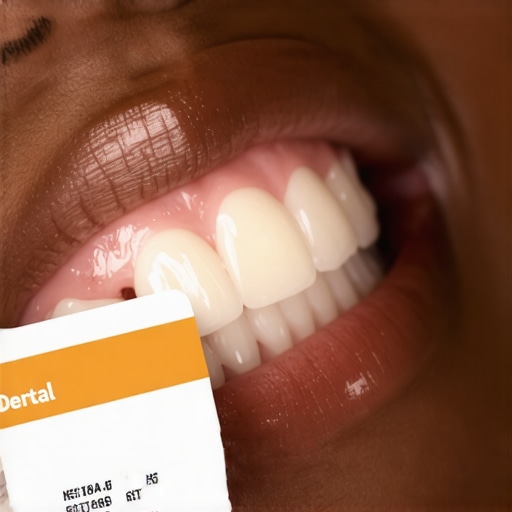
It was a morning like any other, but as I sat in the dentist’s chair, I suddenly realized something frustrating. My dental insurance generously covered two cleanings every year, yet somehow, I found myself skipping that third routine clean-up—thinking, “Well, I guess that’s just how insurance works.” That lightbulb moment made me question: Why does my insurance limit my dental care like this? And more importantly, how can I navigate these restrictions without compromising my oral health?
Understanding the Limitations of Dental Insurance Coverage
Many of us have faced the same dilemma—knowing we need extra cleanings or dental visits, but our insurance policies seem to put up roadblocks. The truth is, dental insurance is primarily designed to prevent major problems rather than provide comprehensive coverage for routine maintenance. Insurance companies often cap the number of cleanings, with restrictions based on policies that prioritize cost-saving over unlimited care. This can be especially confusing if you’re diligent about your oral health and wonder why you can’t just have unlimited cleanings when needed.
Early in my journey, I made the mistake of assuming my policy covered everything identical to medical insurance. I continued regular cleanings, expecting full coverage everywhere, only to be surprised by out-of-pocket expenses. That realization pushed me to better understand what my dental plan really covers. Interestingly, some policies restrict coverage based on the number of visits or specific procedures. To truly maximize your dental health without breaking the bank, it’s essential to know the nuances of your plan and explore additional options when necessary. For instance, your dentist might recommend specific treatments or preventive practices that help you get the best results within your insurance limits.
Would you be surprised to learn that regular professional cleanings can significantly reduce your risk of developing gum disease, which affects nearly 50% of adults over 30? According to the CDC, maintaining healthy gums through routine cleanings isn’t just about fresh breath—it’s a vital part of your overall health. It’s clear that working within insurance limits doesn’t mean neglecting your oral care. Instead, it calls for strategic planning and proactive communication with your dental provider.
If you’ve ever felt frustrated by these coverage restrictions or wondered how to get the most out of your dental insurance, you’re not alone. The good news is, there are practical steps you can take to ensure your oral health remains a priority—even with limited insurance coverage. In the following sections, I’ll guide you through how to navigate these challenges effectively, so you can maintain that confident, healthy smile you deserve.
Book Regular Professional Cleanings Strategically
Schedule your cleanings around your insurance caps by booking appointments early in the year or when your coverage renews. I once scheduled my appointments in January, which allowed me to utilize my full annual benefit, preventing unwanted out-of-pocket costs later. Consistently booking at recommended intervals helps prevent gum disease and preserves your teeth’s health. Recognizing your insurance cycle is crucial—mark your calendar accordingly.
Invest in Preventive Home Care to Extend Insurance Benefits
Implement best practices at home to reduce the frequency of professional cleanings needed. Brush twice daily with fluoride toothpaste, floss correctly, and use interdental brushes if necessary. I adopted a strict daily oral health routine, which made my periodic visits more effective and less frequent, saving money in the long run. Regular brushing and flossing form the foundation, much like maintaining your car’s oil to prevent costly repairs.
Consult Your Dentist About Complementary Treatments
Ask your dentist about additional procedures that can enhance your oral health within your coverage limits. Sealants and fluoride treatments can strengthen your enamel and prevent cavities, decreasing the need for frequent professional cleaning or restorative work. During my last visit, my dentist recommended fluoride varnish treatments that supported my teeth’s resilience without exceeding my insurance cap. Explore options like these to extend the longevity of your smile.
Learn the Art of Effective Home Maintenance
Master daily cleaning techniques that mimic professional results. For example, using a polishing tool at home can help remove surface stains, reducing the need for in-office polishing. I found that brushing with a whitening toothpaste and using a gentle power toothbrush significantly improved my smile’s brightness, slowing stain buildup. Incorporate mouthwashes carefully—prefer alcohol-free, non-stinging formulas—to support oral health without over-relying on professional interventions.
Communicate Openly with Your Dental Provider
Discuss your financial constraints and coverage limitations upfront. Dentists often have flexible payment plans or can suggest alternative treatments that align with your budget. During my last visit, my dentist suggested a crown placement instead of multiple fillings, which proved more cost-effective and durable over time. Building a partnership ensures your care plan is sustainable and tailored to your needs.
Utilize Additional Resources and Education
Stay informed through reputable sources about best practices and treatment options. Regularly review articles on [family dentistry](https://periodontistcare.com/family-dentistry-focus-building-a-lifetime-of-healthy-smiles), [oral health tips](https://periodontistcare.com/oral-health-tips-every-family-should-follow-in-2025), and [teeth cleaning secrets](https://periodontistcare.com/teeth-cleaning-secrets-effective-home-practices-for-family-dental-health). These insights empower you to make proactive choices, enhancing your dental routine within your insurance framework.
Even seasoned dental patients often fall into the trap of believing misconceptions about crowns, family dentistry, and oral health. One pervasive myth is that all dental crowns are made equal—people assume that since a crown restores function, its material doesn’t significantly affect longevity or appearance. However, the choice between porcelain, metal, or zirconia crowns can greatly influence durability and aesthetics, especially in visible areas. According to studies published in the Journal of Prosthetic Dentistry, understanding the material nuances helps in making informed decisions that last (source: Understanding the Role of Crowns in Smile Makeovers).
Maintaining your dental crowns, family dental routines, and overall oral health isn’t just about daily brushing and flossing; it requires the right tools and techniques to ensure longevity and effectiveness. Personally, I rely on specific equipment and software that make a significant difference in my routine and help me achieve professional-level results at home.
How do I keep my dental restorations and routine in top shape over time?
One of my favorite tools is the Ultradent Sonic Toothbrush. Unlike regular electric brushes, it features a special oscillating-rotating mechanism that minimizes plaque buildup more effectively, especially around crowns and bridges. Its customizable settings allow me to adapt the intensity, reducing gum irritation and increasing comfort during long-term use. Since switching to this, I’ve noticed better gum health and less stain accumulation. For maintenance, I follow the recommended tips for crowns to prevent damage and discoloration.
Another essential is my Waterpik Water Flosser. Regular flossing is crucial, but using a water flosser enhances cleaning precision, especially around difficult angles or with restorations. I set it to a moderate pulse to dislodge plaque effectively without damaging delicate tissue. For those with crowns or braces, this tool is revolutionary, and I consider it a must-have for maintaining family oral health routines. It complements my daily oral health practices.
In terms of software, I use the DeepClean Dental Software to track my appointments, oral hygiene routines, and product replacements. It sends reminders for upcoming cleanings, helps me log issues like sensitivity, and ensures I stick to my schedule. This kind of proactive management has helped me avoid costly repairs and maintain a bright, healthy smile for years.
Looking ahead, the integration of AI-driven diagnostics promises even more personalized oral care. Emerging tools are beginning to analyze your brushing patterns via connected devices and recommend tailored routines. This trend is likely to make oral health maintenance more precise and accessible for everyone, especially families juggling busy schedules.
If you’re serious about keeping your dental crowns, family routine, and overall health in check, I highly recommend investing in a quality ultrasonic toothbrush and a water flosser—these are game-changers. Incorporate them into your daily routine, and you’ll see a noticeable improvement in your long-term results. Remember, consistent maintenance is the key to a confident smile that lasts. Want to level up your oral hygiene? Try pairing your new tools with our expert advice on effective teeth cleaning techniques for lasting results.
Throughout my journey with crowns, family dentistry, and oral health, I’ve learned that the real key isn’t just about knowing the best practices—it’s about discovering the little tricks and insights that can make a significant difference. One of the most valuable lessons was realizing that proactive communication with your dentist often yields tailored solutions that aren’t advertised widely. For example, discussing your insurance limitations openly can lead to personalized care plans, like scheduling treatments during coverage peak periods or exploring alternative procedures that preserve your oral health without overspending.
Another crucial insight I uncovered was the importance of continuous education. Relying solely on routine visits isn’t enough; understanding the materials used for crowns, the latest at-home care tools, and emerging treatments empowers you to make smarter decisions. Resources like understanding crowns in modern smile makeovers opened my eyes to how material choices impact longevity, aesthetic, and cost—knowledge that I wish I had from the start.
Finally, embracing technology—from smartphone apps to advanced cleaning tools—has transformed my approach. Tools like a smart toothbrush or digital appointment reminders help me stay on top of my dental routine, ensuring I don’t unintentionally fall behind due to insurance caps. This combination of awareness, communication, and technology has truly redefined what effective dental care looks like within real-world constraints, making that confident, healthy smile a sustainable reality.