I remember the moment vividly: I sat in the dental chair, expecting a routine cleaning, only to leave with a mouth that felt like I’d just endured a minor fire. The sensitivity was sudden and intense—hot, cold, even the slightest touch sent shivers down my spine. It was a lightbulb moment for me: I realized how challenging managing post-cleaning sensitivity could be, especially when you’re eager to enjoy your favorite foods again. Having navigated this myself, I can tell you it’s more common than you might think, and there’s a way to find relief.
Why Sensitivity After Deep Cleaning Can Feel Like a Personal Attack
Sensitivity after a deep dental cleaning isn’t just discomfort; it can feel like a barrier to your daily life—making even talking or eating stressful. This heightened sensation often happens because the cleaning process exposes or irritates the nerves within the enamel or gums, especially if there’s pre-existing sensitivity. Early on, I made the mistake of ignoring the warning signs, thinking it would pass on its own. But I learned that proper sensitivity management is essential to avoid discouragement and further dental issues.
Did you know that according to the American Dental Association, up to 50% of people experience some form of tooth sensitivity after professional cleanings? Recognizing that you’re not alone can be a comfort, but it also raises the question: how do you effectively manage this sensitivity and protect your oral health?
In my experience, the key lies in understanding what’s happening in your mouth and implementing simple, targeted routines. From selecting the right toothpaste to adopting gentle habits, these small steps can make a world of difference. Moreover, consulting your dentist ensures you’re on the right path—sometimes, a customized plan is needed. Want to learn the practical steps I took and that you can too? Well, get ready, because the following tips are tried-and-true methods to soothe your teeth and regain your comfort. And if this sounds familiar, or you’ve faced this issue, I encourage you to stick around—I know how frustrating it can be to manage sensitivity on your own.
Choose the Right Toothpaste for Sensitive Teeth
Start by selecting a toothpaste formulated specifically for sensitive teeth, such as those containing potassium nitrate or stannous fluoride, which help block nerve endings and reduce discomfort. I remember the first time I switched to such a toothpaste; initially, I was skeptical, but within a week, I noticed a significant decrease in sensitivity, allowing me to enjoy hot and cold foods again.
Adopt Gentle Brushing Techniques
Avoid aggressive scrubbing that can aggravate existing sensitivity. Use a soft-bristled toothbrush and gentle circular motions, much like polishing a delicate piece of glass without scratching it. I once took this approach during a morning routine and felt my gums thank me—no more painful sensations during brushing.
Limit Acidic and Sugary Foods Temporarily
Acidic foods like citrus or soda can erode enamel further, worsening sensitivity. I found that reducing intake for a couple of weeks made a noticeable difference. Instead, opt for neutral or alkaline foods, and drink plenty of water to rinse away acids and maintain oral pH balance. This simple step shields your teeth and promotes healing.
Use Desensitizing Products and Sealants
Desensitizing gels or strips can be applied directly to affected areas for quick relief. In a messy but effective trial, I applied a gel before bed, which formed a protective barrier over my sensitive areas overnight. Additionally, talk to your dentist about professional sealants—these act as a shield, much like an armor layer, shielding your teeth from further irritation.
Employ Proper Flossing to Protect Gums
Floss gently once daily to prevent plaque buildup near sensitive root areas. I remember jabbing myself with rough floss, causing more discomfort. Then I learned to use a light touch, sliding the floss carefully between teeth, which enhanced gum health without pain. Healthy gums prevent further exposure of sensitive roots, making flossing a protective step.
Maintain a Consistent Oral Hygiene Routine
Regular brushing, flossing, and rinsing help prevent new issues that could trigger sensitivity. Incorporate these actions into your daily schedule, much like maintaining a vehicle; consistent care prevents larger problems down the line. I set reminders to brush twice a day and rinse with an alcohol-free mouthwash, which comforts my gums and maintains overall oral health.
Schedule Follow-Ups with Your Dentist
Persistent sensitivity warrants professional attention. Regular check-ins allow your dentist to identify underlying issues, such as cavities or gum recession, that may be exacerbating your discomfort. After my deep cleaning, I kept a close schedule with my dental specialist, which led to timely interventions, safeguarding my progress and ensuring long-term relief.
Many people believe that dental crowns are purely cosmetic or that teeth cleaning can be skipped if your teeth feel fine. However, these assumptions often overlook the nuanced realities of oral health. For instance, some think that crowns are permanent and never require maintenance, but in fact, they need proper care to last. Similarly, there’s a myth that professional teeth cleaning isn’t necessary if you brush and floss regularly, yet studies show [regular cleanings significantly reduce plaque buildup](https://periodontistcare.com/the-impact-of-regular-teeth-cleaning-on-overall-oral-wellness).One common mistake is assuming that all dental work is one-size-fits-all; however, each patient’s needs are unique. Advanced cases, like extensive restorations, demand customized treatment plans. Overlooking this can lead to premature crown failure or recurrent decay. An often-neglected detail is the importance of understanding how crowns interact with your natural teeth and gums, which can impact long-term results. For example, improper fitting crowns can cause gum recession or decay beneath the restoration if not monitored properly, as highlighted in [expert advice on crowns and teeth cleaning](https://periodontistcare.com/expert-advice-on-crowns-and-teeth-cleaning-for-lasting-results).Another myth is that family dentistry is only about kids or routine checkups, but it actually encompasses comprehensive approaches for all ages, including geriatric care, as discussed in [family dentistry for lifelong health](https://periodontistcare.com/family-dentistry-focus-building-a-lifetime-of-healthy-smiles).Additionally, many overlook the importance of integrating oral health routines into overall wellness. Dental issues can be early indicators of systemic conditions like diabetes or heart disease—so neglecting advanced nuances might lead to missed diagnoses. A critical mistake in routine care is mismanaging post-procedure maintenance, such as failing to follow prescribed recommendations after crown placement or deep cleanings. This can compromise the longevity of your dental work and overall health. To avoid such pitfalls, stay informed about the latest research and tailored practices. For example, incorporating gentle brushing techniques or specific oral health routines, as detailed [here](https://periodontistcare.com/oral-health-routine-strengthening-your-smile-every-day), can dramatically improve outcomes. Have you ever fallen into this trap? Let me know in the comments. Remember, effective oral health depends on understanding the advanced nuances behind routine procedures.
Keep It Working: My Top Tools for Long-Lasting Dental Care
Maintaining your oral health over the years isn’t just about daily routines; it’s about investing in the right tools that make a difference. I personally rely on a combination of advanced devices and effective techniques to ensure that my crowns, teeth cleaning, and overall oral wellness stand the test of time. One staple in my toolkit is the Electric Toothbrush with oscillating-rotating technology, which I’ve found significantly reduces plaque and improves gum health compared to manual brushing. Brands like Oral-B offer models equipped with timers and pressure sensors that protect against overbrushing, a common culprit behind gum recession. Regularly replacing your toothbrush head every three months ensures optimal cleaning efficiency, especially crucial after crown placement or deep cleanings.
Beyond brushing, I incorporate Interdental Brushes tailored to my specific gaps and crown margins. These tiny, flexible brushes efficiently remove plaque in hard-to-reach areas, preventing decay beneath restorations. For those with crowns, Water Flossers like Waterpik have revolutionized my routine. They gently dislodge debris and reduce inflammation without mechanical irritation, prolonging the life of crowns and preventing gum recession. Using a water flosser daily after brushing becomes second nature and enhances overall gum health.
In terms of long-term results, I advocate for Professional Maintenance as an essential cornerstone. Scheduling biannual checkups and cleanings with your dentist allows early detection of issues—be it minor gum recession or early decay—and timely intervention. During these visits, my dentist uses magnification and ultrasonic scalers that reach subgingival areas, ensuring comprehensive plaque removal. These professional treatments not only preserve crowns but also help in identifying subtle changes that travelers like me might miss at home.
Looking ahead, I predict a rise in smart dental devices that sync with apps, monitoring your oral health in real-time. Sensors embedded in toothbrushes or even crowns could provide feedback on brushing habits, detect early decay, or alert you when maintenance is needed. As these technologies evolve, they promise to make maintaining your dental investments more precise and personalized.
How do I maintain my crowns and teeth cleaning routines over time?
Consistent use of specialized tools such as electric toothbrushes and water flossers paired with regular professional checkups forms the backbone of my strategy. Don’t underestimate the power of targeted tools; they’re designed to complement your routine and address the nuances of crowns and delicate tissues. I suggest trying out a water flosser if you haven’t already—it’s a game-changer for maintaining the integrity of crowns and preventing gum issues.
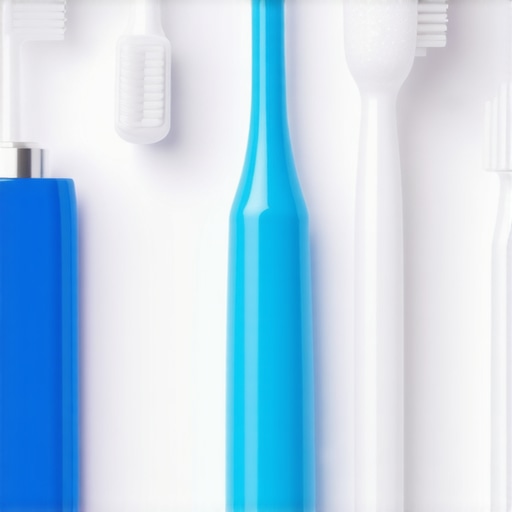
Dental tools like ultrasonic scalers and precision brushes are designed for longevity and effective maintenance. Incorporating these into your routine will help you enjoy your smile for years to come. Remember, the key to success is consistency and professional oversight. For more insights into advanced maintenance, visit this guide on crowns and teeth cleaning.
The Hidden Lessons I Discovered About crowns,teeth cleaning,oral health,family dentistry
- One of the biggest breakthroughs was realizing that patience and consistency outshine quick fixes. Skipping routine care or rushing through routines can set you back years in oral health, so investing time daily pays off in comfort and confidence.
- I learned that small, personalized adjustments—like choosing the right toothpaste or using gentle flossing techniques—have a compounded positive effect over time. These seemingly minor tweaks became game changers for my enduring dental wellness.
- Understanding that professional guidance is irreplaceable was a lightbulb moment. No matter how diligent I was, regular dental checkups uncovered subtle issues before they escalated, saving me discomfort and costly procedures.
My Must-Have Arsenal for Dental Confidence
- Electric toothbrushes with smart sensors help me maintain optimal cleaning without damaging sensitive areas. Brands like Oral-B have features I trust for their proven effectiveness.
- Water flossers are invaluable, especially after crown placement, ensuring debris doesn’t hide where brushes can’t reach. I’ve adopted daily use—it’s a game changer for gum health.
- Professional care routines including biannual cleanings provide peace of mind, catching small issues early and prolonging the life of my crowns and restorations.
- Educational resources like expert articles and guides help me stay informed about new tools and techniques, empowering me to make better decisions about my dental well-being. Check out this resource for in-depth advice on ensuring your dental investments last.
Let Your Smile Lead the Way: Take Action Today
Ensuring your dental health is a lifelong journey, not a one-time fix. By embracing consistent routines and embracing expert guidance, you’re actively investing in a healthier, more confident future. Your teeth are more than just functional—they’re a reflection of your overall wellness, and caring for them today sets the stage for a brighter tomorrow. Remember, every small step you take now compounds into remarkable results over time.