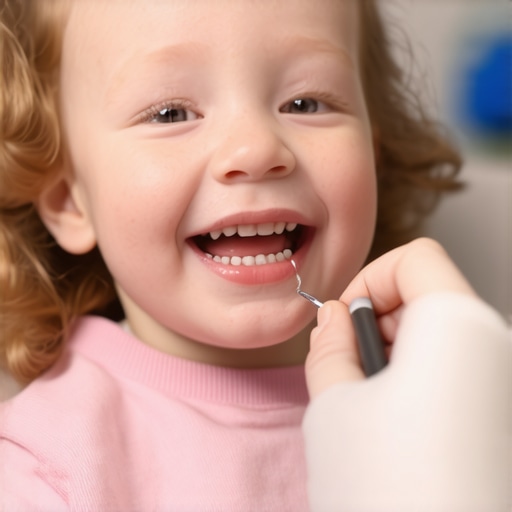
I remember the exact moment I looked into my toddler’s wide, curious eyes and wondered if the fluoride varnish application at the dentist was truly safe. My mind raced through all the advice I’d heard—some claiming it’s vital for preventing cavities, others warning about potential risks. That uncertainty can feel overwhelming, especially when you’re trying your best to protect your child’s health.
As a parent, I know how confusing and conflicting guidance can be. One day, fluoride varnish is hailed as a superhero in cavity prevention; the next, it’s surrounded by questions about safety and overuse. I’ve been there—questioning whether I should trust the dental advice I receive or dig deeper into the facts.
Today, I want to share what I’ve learned about fluoride varnish for toddlers—what really matters, what might be just parental worry, and how to make informed decisions that truly protect your little one.
Why Fluoride Varnish Is a Hot Topic for Parents
Many parents find themselves at a crossroads when it comes to fluoride treatments. The goal is simple: prevent cavities and keep those tiny teeth healthy. But is. fluoride varnish, a common preventive treatment, also worth the concern? Recent studies suggest that its benefits in reducing cavities are significant, especially when applied early (source: CDC). Yet, myths about overexposure and toxicity persist, leading many to hesitate.
When I first encountered the recommendation for fluoride varnish, I made a mistake I now regret: I assumed it was inherently risky without understanding the proper dosage and application. That misconception made me hesitant to follow through, and I worried I was risking my child’s safety. But as I dug into credible sources, I realized that, like any medical intervention, fluoride varnish has been extensively studied and regulated for safety.
The key is knowing how often to use it and ensuring it’s administered by trained professionals who can tailor the treatment to your child’s specific needs. This way, you can enjoy the benefits of cavity prevention without unnecessary worry.
If you’ve ever hesitated before giving your child a recommended fluoride treatment, you’re not alone. Let’s explore the real facts and how to approach this important part of your child’s dental health with confidence.
Prepare Your Child Before the Visit
Start by explaining the procedure in simple terms to reduce anxiety. For example, tell your child it’s like a special paint that helps their teeth stay strong. This approach eases fears and encourages cooperation. Remember, a calm child makes the process smoother and less stressful for everyone.
Choose the Right Dental Professional
Ensure the dentist or hygienist is experienced in pediatric care. A professional who knows how to handle little ones can make the application gentler and more efficient. If you’re unsure, consider seeking recommendations or reviewing their credentials to find someone trusted in family dentistry.
Schedule the Appointment Strategically
Pick a time when your child is usually well-rested and not overly hungry or tired. A rested child is more likely to sit still and tolerate the procedure. This proactive planning can transform a potentially stressful visit into a quick and positive experience.
Implement Comfort Measures
Bring along their favorite blanket or toy to provide comfort during the appointment. Use positive reinforcement by praising their bravery afterward. Consistent, supportive techniques help your child associate dental visits with positive feelings and cooperation.
Follow Proper Oral Hygiene Habits
Maintain a routine of brushing twice daily with a fluoride-free toothpaste suitable for toddlers. After fluoride application, wait at least 30 minutes before brushing to allow the varnish to set properly. Regular brushing removes plaque and enhances the benefits of the treatment, strengthening their teeth over time.
Limit Sugary Snacks and Drinks
Cut back on sugary foods that can promote cavities, especially during treatment cycles. Opt for healthy options like fruits, vegetables, and cheese. This dietary vigilance complements fluoride’s protective effects and promotes overall oral health.
Ensure Follow-Up Visits
Follow your dentist’s recommendations on the frequency of treatments. Regular check-ups, coupled with professional cleanings, keep your child’s teeth healthy and allow timely interventions if issues arise. Consistency is key to long-term dental success.
Monitor Oral Health at Home
Watch for signs of discomfort, unusual spots, or changes in your child’s bite or chewing habits. Early detection of issues can prevent more significant problems later. Use advice from trusted sources like regular teeth cleaning to build a comprehensive care routine.
 Many people believe that if they brush and floss regularly, their teeth are invincible, but in reality, oral health is far more nuanced than simple habits. A common misconception is that professional teeth cleaning is only necessary when problems arise; however, expert insights reveal that regular cleanings are crucial for preventing systemic diseases linked to oral health (source: see more). Another myth is that crowns are a temporary fix, but with proper care, they can last decades if maintained properly, which makes understanding their care vital (learn tips here). Many don’t realize that improper cleaning around crowns can lead to decay at the margins, causing failure. This is where many make advanced mistakes—focusing solely on brushing the visible parts and neglecting the hidden edges—highlighting the importance of comprehensive cleaning techniques and regular checkups (more details).Maintaining your dental investments like crowns and ensuring effective teeth cleaning require the right tools and habits. I personally swear by using a high-quality electric toothbrush, such as the Philips Sonicare DiamondClean, which offers superior plaque removal thanks to its sonic technology—far outperforming manual brushes. Its timer and multiple brushing modes help me stay consistent and thorough, especially in hard-to-reach areas around crowns and along the gumline. For flossing, I recommend the Waterpik Water Flosser, particularly for crown areas and orthodontic appliances. Its pulsating water effectively dislodges plaque and debris without damaging restorations, unlike traditional floss which can sometimes be tricky around crowns. Regular professional cleanings are vital; I schedule mine every six months, utilizing the expertise of my dentist who applies the latest in ultrasonic scaler technology, making the process quick and thorough. For at-home maintenance, incorporating interdental brushes—like the Tepe Interdental Brush—can reach tight spaces between crowns and natural teeth, preventing decay and gum issues at the margins. Looking ahead, advancements like AI-powered toothbrushes that analyze brushing patterns are becoming more accessible and will potentially enhance long-term dental health by ensuring no spots are missed. How do I maintain my crowns and overall oral health over time? Besides diligent daily care, I prioritize routine professional evaluations, where my dentist checks for early signs of wear or decay around crowns, and uses magnification tools to detect issues invisible to the naked eye. Remember, a well-maintained crown with proper cleaning not only prolongs its life but also supports your overall health—these tools make all the difference. If you’re serious about extending the lifespan of your dental restorations, try integrating an electric toothbrush with a fluoridated gel and a water flosser into your daily routine. For detailed guidance tailored to crowns, explore helpful tips on maintaining your dental crowns. Consistent use of specialized devices and professional care ensures your smile stays healthy and vibrant for years to come. Also, staying informed about evolving technologies like AI-driven brushing apps can give you a competitive edge in personal oral care—embrace these innovations to keep your dental routine effective and efficient.
Lessons That Changed My Perspective on Family Dental Routines
One of the biggest surprises I encountered was realizing how crucial the timing of fluoride varnish application truly is—it’s not just about doing it regularly, but also about understanding when it makes the most impact. I used to think that a one-size-fits-all approach worked, but personal experience taught me to trust my child’s specific needs and consult with professionals who personalize treatments. Another lightbulb moment was learning that overreliance on common myths could delay essential care, so I now prioritize credible sources and expert advice over hearsay. Lastly, I discovered that integrating simple, effective tools—like a high-quality electric toothbrush or water flosser—can massively boost oral health and extend the lifespan of crowns and restorations, saving me time and stress in the long run.