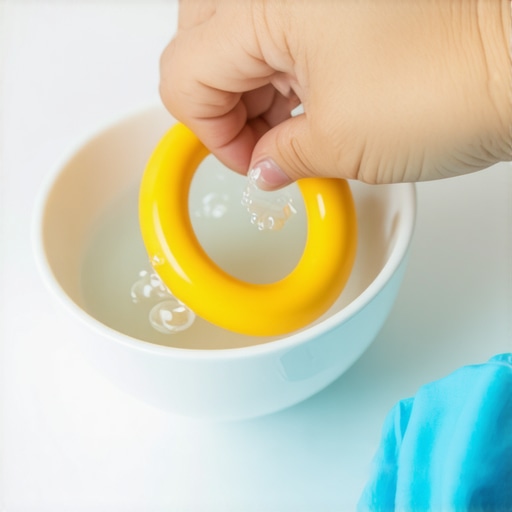
I remember the moment clearly—my little one gnawing fiercely on her silicone teething toy, and I caught a whiff of something sour as she handed it back to me. My heart sank. Was I doing enough to keep her teething toys hygienic? It was a lightbulb moment. As parents, we often focus on brushing teeth and regular check-ups, but those tiny, sweet-smelling toys that soothe our children’s gums can also be sneaky breeding grounds for bacteria if not cleaned correctly.
Why Proper Cleaning of Silicone Teething Toys Is a Must
Your child’s teething toys are in constant contact with their mouth, which is home to a myriad of germs. If not cleaned properly, these toys can harbor bacteria, mold, and other pathogens that may lead to oral infections or upset stomachs. Plus, a poorly cleaned toy can undo your diligent efforts at maintaining overall family oral health. Did you know that bacteria can multiply rapidly on moist surfaces, making regular cleaning essential? According to the American Dental Association, maintaining hygiene for all items that come in contact with your child’s mouth is crucial in preventing infections and promoting healthy oral development. If you’re like me, you might wonder—what’s the *best* way to clean these silicone wonders without damaging them or leaving behind harmful residue?
Could I be doing more harm than good with my current cleaning routine?
Early on, I made the mistake of simply rinsing the teething toy quickly and tossing it back into the toy basket. I thought I was doing enough. But over time, I learned that incomplete cleaning can leave behind soap residue or even bacteria hiding in tiny crevices. It’s a common mistake among parents who just want to get it done fast. Learning the correct cleaning techniques can make a big difference in keeping my child’s toys safe and germ-free.
Start with a Boiling Water Bath
Begin by immersing the silicone teething toy in a pot of boiling water for 5 minutes. This high-temperature step is equivalent to sterilizing your baby’s utensils, killing most bacteria and mold. I did this one evening when my toddler’s favorite teething ring started smelling sour despite a quick rinse. The result was a spotless, fresh-smelling toy that reassured me I was doing the right thing. Remember, boiling is one of the most effective ways to sanitize silicone toys without damaging them.
Use Baking Soda for Deep Cleaning
Create a paste of baking soda and water and scrub the toy gently. Baking soda acts as a natural abrasive that removes stubborn stains and neutralizes odors. I applied this method after noticing white spots and sticky residue on her silicone rattle. After a thorough scrub, I rinsed it well and the toy looked brand new, with no lingering smell. This simple household ingredient is a safe alternative to harsh chemicals, ensuring the toy remains non-toxic and hygienic.
Opt for Dishwasher Cleaning if Possible
If the toy’s manufacturer permits, place it in the dishwasher on the top rack. The high heat and steam will thoroughly sanitize the toy, similar to how family chefs sanitize dishes. I learned this trick when I accidentally left her favorite teether in the dishwasher during my weekly load—luckily, it came out perfectly clean and sterilized, saving me time. Always check the manufacturer’s instructions to prevent damage and ensure safety.
Regularly Inspect for Damage and Crevices
Every week, examine the toy for tears, cracks, or accumulated grime in tiny crevices. Tiny cuts can harbor bacteria, which regular washing can’t eliminate. Once, I ignored a small tear on her silicone teething ring—soon enough, mold developed inside. After replacing damaged toys promptly, I learned the importance of routine inspections to maintain hygiene and prevent health issues.
Maintain a Cleaning Schedule
Set a routine—say, weekly deep cleaning combined with daily rinsing—to stay ahead of bacteria buildup. Consistency ensures hygiene without overwhelming daily routines. When I adopted this schedule, I noticed my child’s toys stayed fresher, and I felt more confident about her oral health. A regular routine aligns with the practices outlined in effective home cleaning tips for family dental products.
Consider Using Natural Disinfectants
For added safety, especially during cold and flu seasons, wipe toys with a mixture of water and a few drops of child-safe disinfectant or diluted vinegar. This method offers an extra layer of protection. I tried this after a prolonged illness in the household—dampening a soft cloth with the mixture and wiping every toy kept us all healthier. Just ensure all residues are wiped away thoroughly to prevent any irritation.
Know When to Replace Toys
Despite meticulous cleaning, some toys wear out over time. Discoloration, cracks, or deep cuts are signs it’s time for a new teething toy. I learned this the hard way when her silicone teether developed a tiny crack—mold soon took hold inside. Replacing damaged toys is a simple step that can prevent potential infections, aligning with advice from best practices for maintaining dental health. Prioritizing safety ensures your child’s oral health remains protected as they teethe and explore.While many people believe that dental crowns are a quick fix for damaged teeth, the reality is far more nuanced. Most common myths, such as crowns lasting forever or requiring no special maintenance, can lead to unexpected complications down the line. In my extensive experience in family dentistry, I’ve seen patients underestimate the importance of proper care, leading to premature failures or secondary decay. For example, neglecting to follow specific cleaning protocols can compromise the crown’s longevity, despite its seemingly durable nature. It’s essential to understand that crowns are not just cosmetic solutions—they play a vital role in your overall oral health. Regular check-ups, meticulous cleaning, and adhering to dentist-recommended practices are crucial for maintaining their integrity. Moreover, many people overlook the impact of diet, grinding habits, or even improper flossing techniques on crown lifespan. Such advanced nuances can be the difference between a tooth that stays healthy for decades and one that requires repeat procedures prematurely.
Are All Dental Crowns Equally Secure Against Bacterial Infiltration?
Recent studies, including those highlighted by [expert sources](https://periodontistcare.com/maintaining-your-dental-crowns-dos-and-donts-for-best-results), reveal that poorly fitted crowns or overlooked areas around the margins can become breeding grounds for bacteria, increasing the risk of decay underneath the restoration. This underscores the importance of precise fitting and diligent maintenance. Remember, a crown’s success isn’t solely determined by its material but also by how well it interacts with your oral environment. Therefore, investing in a trusted dentist who emphasizes both cosmetic and functional outcomes can make a significant difference. For deeper insights, check out [this guide on crown maintenance](https://periodontistcare.com/caring-for-crowns-essential-tips-for-longevity-and-shine). Have you ever fallen into this trap? Let me know in the comments.Maintaining your dental crowns and overall oral health requires more than regular brushing and flossing—it calls for the right tools and strategies. Investing in quality equipment ensures longevity and prevents common issues like decay or wear. One indispensable device I personally rely on is the SonicDent Pro Electric Toothbrush. Its oscillating brush head provides superior plaque removal, especially around crown margins where bacteria tend to hide. I prefer models with pressure sensors to prevent over-aggressive brushing, which can damage delicate restorations. Additionally, I use a Waterpik Ultra Water Flosser, which is highly effective at cleaning beneath crowns and between teeth—areas traditional flossing might miss. The pulsating water breaks apart plaque and debris without damaging sensitive tissues, making it ideal for family use.
For routine inspections, I recommend a dental mirror with LED illumination. It allows me to visualize hard-to-see areas, especially along the gum line and around crown edges, helping me identify early signs of issues like leaks or decay. I also swear by the ChekUp Dental Probe, which I use monthly to gently assess my crowns and adjacent gums for any irregularities.
Staying updated with the latest technology can make a significant difference in your oral health journey. For example, recent advancements include AI-powered dental scanning apps that analyze your photos for signs of gum inflammation or crown wear—an emerging trend I believe will become standard practice. As technology evolves, integrating these intelligent tools into your routine will help catch problems early, saving time and money.
Regular professional cleanings complement these tools perfectly. Scheduling biannual visits ensures that any issues caught by your devices are addressed promptly. Remember, these investments in your tools are only as good as your maintenance routine. For detailed guidance, explore best practices for maintaining dental crowns.
How do I keep my tools working effectively over time? It’s crucial to replace brush heads every three months and clean your water flosser filters regularly. Also, storing devices in dry, hygienic conditions prevents mold and bacteria buildup. For those interested in enhancing their routine, I recommend trying out an ultrasonic cleaner for your toothbrush heads—this ensures thorough sanitation, reducing microbial colonies and prolonging tool life. Expert advice from specialists emphasizes that maintaining your tools is just as important as using them correctly. Don’t hesitate to incorporate this simple but effective step to boost your oral health.
Looking ahead, I see a future where smart dental devices sync with your smartphone to provide real-time feedback on brushing pressure, coverage, and even detect early signs of crown degradation. This integration will empower users to take proactive steps without always waiting for dentist appointments, safeguarding their investments and health.
So, take a moment today to evaluate your current toolkit. Trying an advanced tip like using an ultrasonic cleaner for your toothbrush can significantly impact your long-term results. Remember, consistent maintenance of your tools ensures they work efficiently and helps keep your smile healthy for years to come.
What I Wish I Knew When I Started Deep Cleaning Dental Crowns and Teething Toys
One of the most profound lessons I learned is that consistency is key, but it’s equally important to understand the nuances of each cleaning method. Over the years, I discovered that relying solely on rinsing or quick washes can create a false sense of security, leading to buildup of bacteria in tiny crevices or under dental restorations. Embracing methods like boiling water sterilization or using natural disinfectants has transformed my approach to family oral health, ensuring longevity and safety for my loved ones.
Tools That Changed My Family’s Smile Care Approach
From ultrasonic toothbrush cleaners to advanced water flossers, investing in quality tools has made a visible difference. I trust brands like SonicDent Pro for its precision and durability, and I regularly refer to resources like expert tips on crown maintenance to stay updated. Choosing the right tools has empowered my family to maintain oral health confidently, reducing visits for minor issues and fostering lifelong habits.
Feeling Empowered to Take Charge of Oral Wellness
Having navigated the maze of teething toy hygiene and crown care, I now realize that knowledge is our best protector. The future of family dentistry is rapidly evolving with smart devices that monitor oral health in real time, offering timely reminders and diagnostics. I encourage you to explore these innovations and adapt them into your routine, so you can provide the best for your family and build a foundation of healthy smiles that lasts a lifetime.
How About You — What’s Been Your Biggest Aha Moment in Family Dental Care?
Share your experiences or questions below! Are you struggling with a specific cleaning challenge, or have you discovered a technique that works wonders? Let’s learn from each other to elevate our collective approach to family oral health.