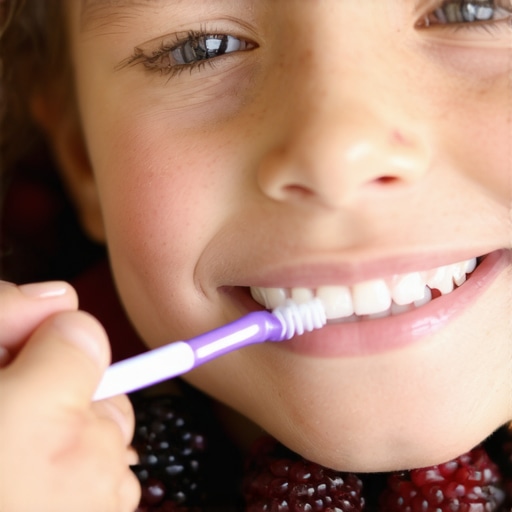
I still remember the first time my toddler discovered wild blackberries in the backyard. One minute he was a cute kid in a sun hat, and the next, he looked like a miniature extra from a horror movie. His teeth weren’t just stained; they were a deep, bruised purple that refused to budge even after a vigorous brushing session. I panicked. In my haste, I grabbed the toothbrush and started scrubbing way too hard, thinking I could just mechanically force the pigment away. It was a classic rookie mistake that I still feel guilty about today because I realized later that using hard bristles can do way more harm than the berries ever could. I’ve since learned that parenting through a ‘purple smile’ phase requires more strategy and less elbow grease. If you’ve ever felt that spike of adrenaline when you see fruit-stained enamel, take a breath. We’re going to fix this today without a meltdown or a frantic call to the office.
Get Rid of Those Purple Smiles Without the Drama
Berry season is a joy for the palate but a nightmare for pearly whites. Those pigments, known as anthocyanins, are incredibly effective at clinging to the pellicle—that thin protein layer on our teeth. If you’ve ever looked at your child’s smile after a bowl of blueberries and wondered if they’ll ever have white teeth again, you aren’t alone. Today, I’m sharing the exact, gentle methods I use now to lift those stains. We will look at why some home remedies are actually dangerous and how to keep your oral health routine on track even during peak fruit season. I made the mistake of over-scrubbing early on, but you don’t have to. Have you ever spent twenty minutes fighting your toddler with a toothbrush only to see those same purple spots staring back at you the next morning? It is the ultimate test of patience.
Is this fruit staining going to ruin their enamel forever?
That was my biggest fear. I worried the stain meant the tooth was porous or permanently damaged. However, the American Academy of Pediatric Dentistry notes that while the acids in fruit can temporarily soften enamel, the stains themselves are usually just surface-level. The real danger is the abrasive ‘hacks’ parents try. For instance, you should be wary of the charcoal whitening trend or using baking soda too aggressively, as these can lead to permanent wear. My goal is to show you how to protect those teeth so they stay healthy enough that you’ll never need to worry about the role of crowns in their future. A surprising fact from the Journal of Food Science highlights that these berry polyphenols actually have some antimicrobial properties, so while they look messy, the berries themselves aren’t the enemy!
Why Berries Stick Like Glue to Little Teeth
Children’s teeth, especially those first molars, have tiny microscopic grooves where pigments love to hide. If your child happens to have white chalky patches, the stains might even look more pronounced in those specific spots. The trick isn’t more force; it’s better chemistry and timing. We need to focus on effective home practices that prioritize the health of the gum tissue as much as the sparkle of the tooth. It’s all about breaking the bond between the pigment and the tooth surface without causing a red, irritated gum line. In the next section, I’ll walk you through the ‘Smear and Wait’ technique that changed everything for our morning routine.
The Smear and Wait Method That Saves Your Sanity
The secret to handling a purple-stained mouth isn’t speed; it is actually patience. When those anthocyanins from berries hit the tooth surface, they act like a temporary dye on a porous wall. If you rush in with a dry brush, you are just pushing that pigment deeper into the microscopic cracks of the enamel. Instead, I use a technique that treats the toothpaste more like a chemical lifter than a physical scrubber. This approach aligns with the oral health tips every family should follow in 2025, focusing on preservation rather than abrasion.
Give the Saliva Time to Do Its Job
The very first step is to wait at least thirty minutes after your child finishes their fruit. Berries are acidic, and that acid temporarily softens the outer layer of the enamel. If you brush the second they finish their snack, you are scrubbing away at softened enamel, which can lead to sensitivity later on. Instead, encourage them to drink a full glass of plain water. This neutralizes the pH balance in their mouth and begins the process of rinsing away loose pigments naturally. If you see chunks of fruit still caught in their teeth, remember that the safest way to remove food stuck between your teeth is always a gentle rinse or soft floss, never a toothpick or a sharp fingernail.
Apply the Paste Like a Protective Mask
I remember a humid afternoon last August after a local blueberry festival. My daughter’s teeth were practically midnight blue, and she was already cranky from the sun. Instead of starting a toothbrush war, I took a tiny, rice-sized dab of her fluoride toothpaste and used my clean pinky finger to smear it directly onto her front teeth. We sat on the couch and read a five-minute picture book while the paste just sat there. This ‘masking’ allows the surfactants in the toothpaste to break the bond between the berry juice and the tooth pellicle. When we finally went to the bathroom to rinse, the blue pigment literally slid off into the sink with almost zero effort. It’s one of those teeth cleaning secrets and effective home practices that turns a potential meltdown into a simple routine.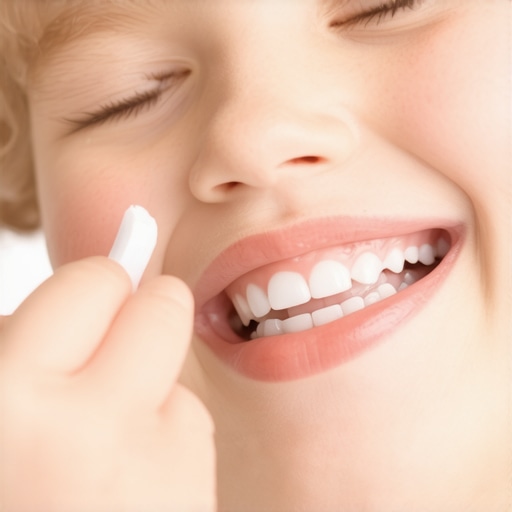
Ditch the Scrubber for a Gentler Approach
Once the ‘mask’ has had time to work, you don’t need a heavy hand. Your goal is to gently wipe away the loosened pigment. Using a manual brush with high pressure is a recipe for gum recession, which is why experts insist you stop using hard bristles immediately. A washcloth or an extra-soft silicone finger brush is often more than enough to finish the job after the ‘Smear and Wait’ period. Think of it like cleaning a delicate non-stick pan; you wouldn’t use steel wool on it, and you shouldn’t use it on your child’s developing smile either.
Crunchy Snacks That Clean While They Eat
If you are out at a park and don’t have a toothbrush handy, you can use nature’s own tools. Certain foods that act as natural toothbrushes, like sliced apples or celery, are fantastic for follow-up snacks. The fibrous texture of an apple helps mechanically scrub the teeth as the child chews, while the high water content stimulates saliva flow to wash away the berry residue. I always keep a bag of apple slices in the cooler during berry season for exactly this reason. It keeps the stains from setting while we are on the go, making the eventual evening cleaning much easier.
We have talked about the surface stuff—the purple stains and the frantic brushing—but there is a deeper level to this that most parents only discover after the first cavity report. While the ‘Smear and Wait’ method is great for aesthetics, it is only one piece of the puzzle. The real nuance in family dentistry lies in understanding that ‘natural’ is not always synonymous with ‘safe.’ Many parents are switching to fluoride-free alternatives, believing they are protecting their children from chemicals. However, a study published in the Journal of Dental Research confirms that bioavailable fluoride is the most effective way to remineralize enamel that has been weakened by fruit acids. In my experience, skipping it is often why natural toothpastes without fluoride might be a risk for your kids and their long-term dental health.
The Fruit Snack Trap You Probably Fell For
Here is a contrarian view: I would actually rather my kids eat a piece of chocolate than a ‘healthy’ organic fruit leather. It sounds like heresy, but the physics of the mouth tell a different story. Chocolate melts and washes away relatively quickly. Fruit snacks, even the high-end organic ones, are incredibly sticky and lodge themselves into the deep grooves of molars for hours. This is why fruit snacks are often worse for kids than chocolate bars. When you combine those sticky sugars with the anthocyanin stains we discussed earlier, you aren’t just looking at a purple smile; you are looking at a recipe for rapid decay. If you have been relying on these snacks as a ‘safe’ alternative, you might be accidentally inviting the need for early interventions.
#IMAGE_PLACE_HOLDER_C#
Why does my child still get cavities if we skip the sugar?
This is the question that keeps parents up at night. You follow the oral health routine perfectly, yet the dentist still finds a soft spot. Often, the culprit is not what they are eating, but how they are eating it. Frequent snacking—even on healthy things like berries or crackers—keeps the mouth in a constant acidic state. This prevents the saliva from doing its job of repairing the enamel. Furthermore, for parents who have had restorative work themselves, it’s vital to model the right behavior. For example, knowing how to care for crowns correctly can teach your child that dental work requires even more maintenance than natural teeth. We want to aim for expert advice on crowns and teeth cleaning to ensure that any restoration lasts a lifetime, rather than becoming a recurring expense.
The Secret Behind the Perfect Crown
If your child eventually needs a restoration due to genetics or a stubborn ‘sugar trap’ mistake, do not panic. Modern family dentistry has come a long way. Many parents worry that a crown will look like a ‘fake’ tooth or have a strange gray edge. However, the nuance here is in the material. There is a specific reason why some crowns look like real teeth while others have a dark line, and it usually comes down to the choice between porcelain-fused-to-metal and all-ceramic options. Understanding these differences helps you make better decisions for your family’s future smiles. Have you ever fallen into the trap of thinking all-natural snacks were safer, only to be surprised at the dentist? Let me know in the comments!
The Gadgets My Family Can’t Live Without
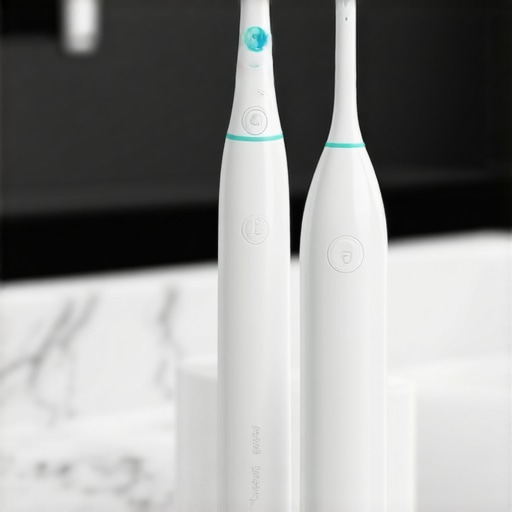
I used to think a standard toothbrush was enough until I saw the difference that precision tools make in a high-stakes environment like a toddler’s mouth. If you want to truly master your family dentistry goals, you need to look beyond the bargain bin. I personally transitioned our entire household to sonic-powered brushes with built-in pressure sensors. These are game-changers because they vibrate at high frequencies that create ‘non-contact’ cleaning—essentially moving fluid into those hard-to-reach areas between teeth where fruit skins and sugars hide. This specific technology is one of the best teeth cleaning secrets and effective home practices I can offer. It stops that aggressive scrubbing I mentioned earlier and ensures we aren’t damaging the gum line.
How do I keep our dental work looking new for years?
Maintenance is the bridge between a one-time fix and a lifetime of health. For those of us with restorations, knowing maintaining your dental crowns dos and donts is non-negotiable. I use a high-quality water flosser every single night before the traditional string floss. Why both? The water flosser dislodges the bulk of the debris—especially around the base of a crown—while the string flosser finishes the job by polishing the contact points between the teeth. This dual-action approach is exactly what leads to expert advice on crowns and teeth cleaning for lasting results. Dr. Gordon Christensen, a renowned expert from the Clinicians Report, has frequently noted that the longevity of modern ceramics depends heavily on the patient’s ability to manage plaque at the margin—the tiny seam where the crown meets your natural tooth.
The Nighttime Tool That Saves You Thousands
If you are a stress-grinder like me, all the expensive dental work in the world won’t matter if you chew through it in your sleep. I finally invested in a custom-fitted night guard, and it’s arguably the most important piece of ‘equipment’ I own. It’s a simple preventative measure, and how a simple night guard can save you thousands in future dental work is something every parent should consider, especially since stress levels only go up as the kids get older! Protecting your enamel from the friction of grinding ensures that your oral health routine stays focused on hygiene rather than constant repair. We also need to remember the impact of regular teeth cleaning on overall oral wellness; those professional appointments catch the tiny issues before they become crown-worthy emergencies.
What the Future of Family Brushing Looks Like
I predict that within the next five years, we will see ‘smart’ brushes that don’t just track where you brush, but actually analyze the chemical composition of your saliva in real-time. Imagine an app that tells you exactly when your child’s mouth is too acidic after a snack and needs a water rinse! Until then, we rely on the gold standard: regular professional care. When you go in for your next visit, ask about technological upgrades like why ultrasonic cleaning is faster and more comfortable than the old hand-scraping methods. It makes the experience so much easier for kids and adults alike. My challenge for you tonight: Try the ‘water flosser first’ method before your regular brushing session and see how much more debris you actually clear away.
Moving beyond the immediate panic of a berry-stained face requires a shift in how we view our roles as the primary caregivers of these tiny smiles. It isn’t just about scrubbing away the evidence of a good snack; it is about setting a foundation that carries them into adulthood without the baggage of dental anxiety or avoidable procedures.
The Lessons My Toddlers Taught Me About Dental Patience
Reflecting on those early years of ‘purple smiles,’ I realized that my own stress was often the biggest barrier to their health. Here are the lightbulb moments that changed our household approach to family dentistry forever:
- Texture overrides taste every time. I spent a fortune on fancy flavored pastes only to realize my child hated the gritty texture. Finding a smooth, gel-like fluoride paste was the real key to ending the bathroom battles.
- Your reaction is their benchmark. If you treat a potential cavity or a stain like a catastrophe, they will view the dentist with fear. I started framing our visits as a ‘spa day for teeth,’ which completely changed the energy of our appointments.
- Manual skills still matter. Even with the best gadgets, teaching a child the physical dexterity of brushing is vital. I found that why manual toothbrushes are still effective if you use the right technique is a lesson worth teaching early on.
- The “Invisible” risks are the real ones. Stains are scary because we can see them, but the mistake most parents make with baby bottle tooth decay often happens in the dark, during those midnight comfort feedings.
A Practical Toolkit for the Modern Dental Parent
I am often asked what products actually make a difference in our daily oral health routine. I don’t believe in cluttering the vanity, but these three items are non-negotiable in my home: 1. A High-Quality Water Flosser: This is the only way I’ve found to effectively clear the ‘berry skins’ from between tight toddler teeth without the drama of traditional string. 2. Therapeutic Fluoride Rinse: For older kids, this provides that extra layer of defense against the acids in fruit. 3. A Custom-Fitted Night Guard: For the parents! Stress-grinding is real, and protecting your own dental work is just as important as monitoring theirs. If you already have restorations, remember the truth about how long a porcelain crown actually lasts before replacement often depends on how well you protect it from nighttime friction.
#IMAGE_PLACEHOLDER_E#
Build a Legacy of Strong Smiles
At the end of the day, a purple smile from a bowl of blackberries is a sign of a life well-lived and a belly full of nutrients. It is a temporary mess that we now have the tools to handle with grace. By focusing on gentle cleaning methods and staying consistent with your family dentistry focus, you are giving your children a gift that lasts long after those baby teeth are gone. Whether you are maintaining natural enamel or learning how crowns can transform your dental confidence, the goal is always the same: a healthy, functional, and happy mouth. Don’t be afraid to take it one brush at a time. Have you ever found a ‘secret weapon’ for getting your kids to sit still during their nightly brushing? Let me know in the comments below!