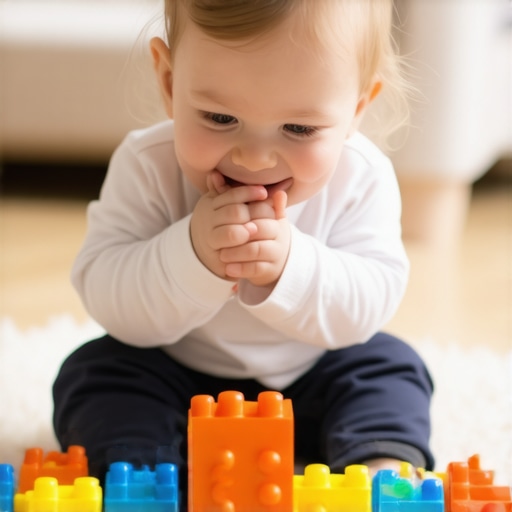
I will never forget the night I sat on the edge of my daughter’s bed, watching her sleep with that thumb firmly planted in her mouth. She looked so peaceful. But all I could see was the way her top teeth were beginning to flare outward, creating a gap that shouldn’t be there. I had spent years obsessing over a perfect oral health routine for myself, and now I felt like I was failing her before she even hit kindergarten. It is a quiet kind of panic. You do not want to be the mean parent, but you also do not want to face a massive orthodontic bill in five years. I tried the bitter-tasting polish, and let me tell you, it was a disaster. She just cried, and the house smelled like chemicals. We need a better way. Today, we are going to solve this together. I am going to show you how to transition your little one away from the thumb using a gentle, evidence-based approach that actually sticks.
Stop the Panic and Start a Realistic Plan
When I first noticed the dental changes, I made the classic mistake of turning it into a power struggle. I would pull her hand away constantly, which only made her more anxious and, predictably, made her suck her thumb even more. It is a vicious cycle. We need to focus on family dentistry focus points that emphasize positive reinforcement rather than punishment. According to the American Academy of Pediatric Dentistry, prolonged thumb sucking can cause the roof of the mouth to become narrow, which interferes with how the upper and lower teeth fit together. That is a heavy thought for a Tuesday morning. We want to avoid future issues where her adult teeth look yellow or crowded because the jaw didn’t develop correctly.
Is This Really Worth the Fight Right Now?
You might be wondering if we should just let kids be kids and hope they outgrow it. I get it. Life is loud and messy enough without adding a thumb-sucking war to the mix. But the truth is, early intervention saves so much heartache. If we ignore the habit, we often end up dealing with speech impediments or difficulty maintaining a regular teeth cleaning schedule because the teeth are so misaligned. Have you ever caught yourself staring at your toddler’s mouth while they sleep, wondering if that slight tilt in their teeth is getting worse? You are not alone, and you are not overreacting. Let’s get into the practical steps that worked for my family and will work for yours.
Turn Progress into a Game They Can Win
I realized early on that just saying “no” was like telling someone not to blink—it is an almost reflexive comfort. We had to pivot from being the “thumb police” to being coaches. We implemented a “Success Calendar,” and let me tell you, the psychology of a four-year-old is fascinating. Every morning she woke up without having sucked her thumb to sleep, she got to pick a sparkly dinosaur sticker. It was not about the sticker; it was about the autonomy. By rewarding the behavior we wanted to see, we were naturally following the oral health tips every family should follow in 2025 by focusing on long-term habit formation. I remember the first week—we only got two stickers. I felt defeated, but she was so proud of those two dinosaurs that she tried even harder the next week. It is a marathon, not a sprint, and keeping the vibe positive prevents the child from hiding the habit under the covers where you can’t see it.
Identify the Triggers Before the Thumb Goes In
To stop the habit, you have to be a bit of a detective. For my daughter, the thumb was her “chill out” button. I noticed it most when she was watching her favorite cartoons or when she was slightly hungry before dinner. It was a sensory replacement for boredom or low blood sugar. Once I saw the pattern, I started giving her a “busy toy”—a squishy stress ball or a piece of textured fabric—the moment she sat on the couch. This small intervention kept her hands occupied and significantly improved our teeth cleaning secrets effective home practices for family dental health because she wasn’t constantly introducing new bacteria and saliva to her skin all day. 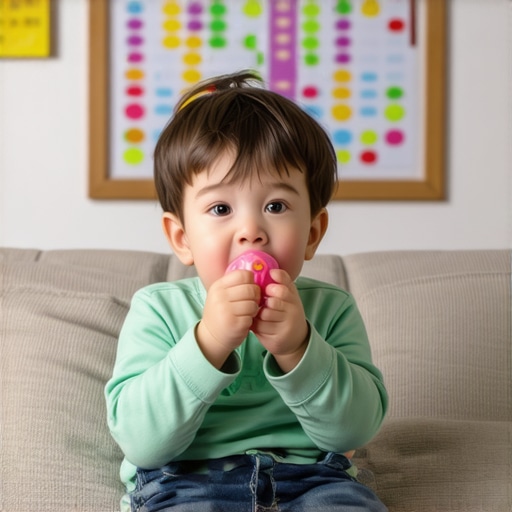
Use Soft Reminders Instead of Scolding
Instead of that horrible bitter polish that made her entire dinner taste like chemicals, we switched to a physical but gentle reminder. We used a simple, brightly colored band-aid on her primary sucking thumb. I told her it was her “superhero shield” to help her remember to keep her thumb out. It was not a punishment; it was a visual cue. It is the same logic we use for adults who need to remember to wear a night guard. For kids, it’s about breaking the trance. If you find your child is doing this at night, you might also want to look into how to stop your child from grinding their teeth during naps, as these oral habits often overlap when a child is stressed or transitioning between sleep cycles.
Let Your Dentist Be the Voice of Reason
Sometimes, children need to hear the “why” from someone who isn’t Mom or Dad. Our pediatric dentist was incredible. He didn’t lecture her; he showed her a model of teeth and explained how the thumb is like a little bulldozer that pushes the front teeth out of the way. Seeing the visual made it click for her in a way my nagging never could. If your child is nervous about the chair, learning how to get your toddler to sit still during a dental exam can make this pivotal conversation much more productive. When the expert says it, it becomes a health goal rather than a household rule.I used to believe that once a tooth was “fixed” with a crown, it was essentially immortal. It turns out that is one of the most dangerous myths in family dentistry. While the porcelain or metal itself won’t decay, the tiny sliver of natural tooth where the crown meets the gumline is a magnet for bacteria. If you aren’t careful, you can develop a “silent” cavity underneath the restoration. This is why maintaining your dental crowns dos and donts for best results is about more than just brushing; it’s about precision.
Can a “perfect” cleaning actually do more harm than good?
Believe it or not, there is such a thing as being too aggressive. I’ve seen parents who, in an effort to be thorough, scrub their children’s teeth (and their own crowns) with the force of someone cleaning a grout line. This is the ultimate “oops” factor. When you use hard bristles or abrasive whitening pastes on restorative work, you aren’t just removing plaque; you are micro-scratching the surface and wearing down the cementum. This is precisely why your dentist wants you to stop using hard bristles immediately. According to a study published in Clinical Oral Investigations, cervical wear is significantly accelerated by stiff manual brushes, leading to sensitivity that many people mistake for a new cavity. 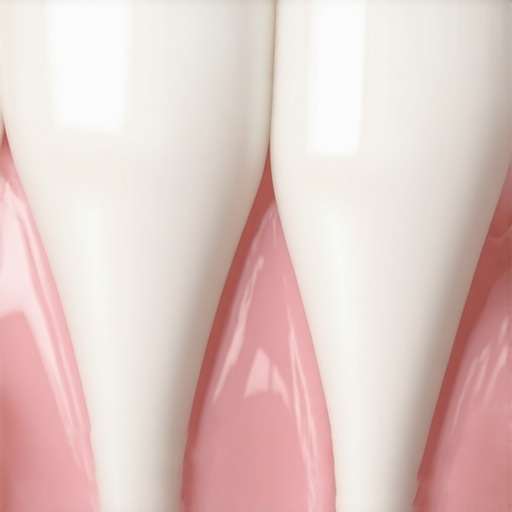 One hidden nuance that most people miss is the chemistry of their morning routine. We often talk about sugar, but acidity is the real silent killer of dental work. If you are a back-to-back espresso drinker, you might be inadvertently softening the luting agent that keeps your crown attached. In fact, the reason your coffee habit is ruining your crowns sealant often comes down to the prolonged acidic environment in your mouth, which allows bacteria to seep into the margins. The same applies to our kids. We focus so much on the “how-to” that we forget the “when.” Brushing immediately after an acidic snack can actually brush away softened enamel. It’s better to rinse with water and wait thirty minutes. This is one of the more advanced oral health tips every family should follow in 2025 if you want to avoid the cycle of constant fillings. If you have ever noticed a weird smell despite brushing, you might need to learn how to stop your crown from smelling like old food by focusing on those marginal gaps with a water flosser or interdental brush rather than a standard toothbrush. Have you ever fallen into this trap of over-cleaning or assuming a crown was a permanent shield? Let me know in the comments.
The Tech I Trust to Save My Smile
Over the years, I have moved away from guesswork hygiene and toward a more data-driven approach for my family. My most indispensable tool is the high-pressure water flosser. While traditional string floss is great for tight contacts, it doesn’t always irrigate the sulcus—that little pocket of gum where your crown sits. I use it on the pulse setting because it massages the tissue, which helps prevent inflammation. If you find that your gums bleed when you switch to an electric toothbrush or a water flosser, do not panic; it is often just your tissue adapting to a deeper level of clean and shedding localized bacteria. I also keep a stash of interdental brushes for when I am traveling. These tiny brushes are far more effective at removing biofilm from the base of a restoration than a toothpick could ever be, ensuring the seal remains intact. 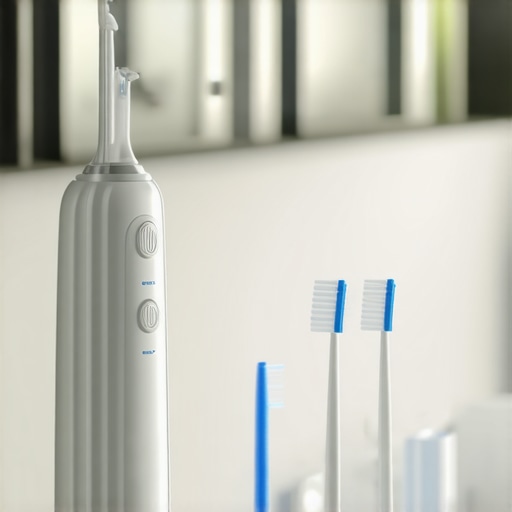
How do I keep my dental work looking new for a decade?
People often ask if there is a secret to longevity beyond just brushing well. The real secret is consistent monitoring of the margins. I use a high-magnification mirror once a week to check for any graying or shadows where the crown meets the gumline. This is the first sign that the luting agent might be wearing down. Following expert advice on crowns and teeth cleaning for lasting results, I have learned that the lifespan of these pieces depends entirely on the health of the supporting bone and gingiva. Dr. Gordon Christensen, a leading authority in restorative dentistry, emphasizes that while modern materials like zirconia are nearly indestructible, the biological interface is where most failures occur. If the gum recedes due to neglect, the vulnerable root is exposed, and the entire restoration is at risk. This is why caring for crowns essential tips for longevity and shine must include active gum stimulation and pH balancing.
Prepare for the Era of Smart Scanning
Looking ahead, the way we manage family oral health is about to get much more technical. We are moving toward smart bathrooms where your mirror might use infrared light to scan your teeth for early signs of demineralization or inflammation before you even feel a twinge of pain. Imagine your toothbrush sending a weekly report to your dentist if it detects a loose margin on a back molar. This is the logical next step in understanding the role of crowns in modern smile makeovers; they are becoming functional components of a digitally monitored health system rather than just porcelain caps. Within the next few years, I expect we will see AI-driven apps that can analyze your saliva to diagnose specific bacterial overgrowths in real-time. For now, the best strategy is to master the fundamentals with the best tools available. My challenge to you today: swap your manual flossing routine for a water flosser for one week and see if your next professional cleaning is the easiest one you have ever had.
The Hard Truths About Saving Those Tiny Smiles
Reflecting on this journey, I have realized that oral health is rarely about a single appointment; it is about the quiet habits we build at home. One lightbulb moment for me was realizing that my daughter’s thumb-sucking was actually a request for comfort I had not yet addressed. Once we replaced the habit with a snuggle-first approach, the dental progress followed naturally. Another realization was that even a strong family dentistry focus cannot overcome a lack of daily consistency. You have to be the advocate for their routine until they are old enough to take the reins. Finally, I learned that dental work, like crowns, requires more attention, not less, than natural teeth. If I had known that maintaining your dental crowns dos and donts for best results involved such specific care for the gumline, I might have started using a water flosser years earlier.
#IMAGE_PLACEHOLDER_E#
My Go-To Bag of Tricks for Family Oral Health
If you want to stay ahead of the curve, I recommend a few specific tools. First, a high-quality water flosser is a total game-changer for anyone with dental work or kids who struggle with traditional string. It makes it so much easier to learn how to prevent cavities between teeth where you can’t see. I also trust the American Academy of Pediatric Dentistry’s parent portal for evidence-based advice that cuts through the marketing noise. Lastly, I suggest keeping a simple Dental Journal for your kids. Tracking when they lose teeth or when habits shift helps you provide much better context during your next professional cleaning. These oral health tips every family should follow in 2025 are all about merging modern tech with old-fashioned consistency.
Your Child’s Smile is a Long Game
At the end of the day, we are all just trying to do our best for our families. Do not let a few stickers or a thumb-sucking relapse get you down. The fact that you are even researching these solutions means you are already ahead of the curve in family dentistry. By staying proactive and seeking expert advice on crowns and teeth cleaning for lasting results, you are giving your child the gift of a lifetime of dental confidence. You have got this! Have you ever felt like you were losing the battle against a stubborn childhood habit? Let me know your biggest hurdle in the comments below!