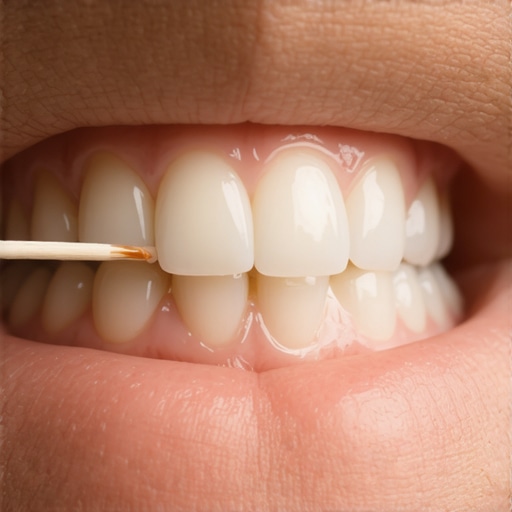
I still remember the moment vividly—that uncomfortable scrape followed by a sudden sharp pain between my teeth. It was late at night, and I was trying to get that stubborn piece of popcorn out of my back molar, so I grabbed a toothpick. Little did I know, that simple act would be a wake-up call about a hidden danger lurking in many households. Using toothpicks to clean between teeth might seem harmless—or even therapeutic—but it can actually cause more harm than good.
Why Relying on Toothpicks Can Be Risky
When I first started noticing bleeding gums and increased sensitivity, I thought I just needed a better brushing routine. But after a bit of research and a chat with my dentist, I discovered that my frequent use of toothpicks might be contributing to the problem. Toothpicks can easily slip and puncture or damage your gums, leading to infections and even loosening of your teeth over time. It’s a common misconception that a toothpick is a safe tool for food removal, but in reality, it can be quite destructive if not used carefully.
Is Using Toothpicks Actually Worth the Risk?
Initially, I believed that a quick poke with a toothpick was the best way to avoid more serious dental issues. However, I made a mistake early on—thinking that using a toothpick was equally as safe as flossing or brushing. The truth is, toothpicks can cause micro-tears in your gum tissue, providing entry points for bacteria, which could lead to inflammation or periodontal disease. A study published by the American Dental Association highlights the importance of proper oral hygiene practices and warns against using sharp objects that can damage our delicate gums and enamel.
If you’ve ever faced that awkward moment of trying to dislodge food stuck stubbornly between your teeth and wondered if toothpicks are the right tool, you’re not alone. However, there are safer, more effective methods to keep your teeth clean and healthy. Next, let me show you some practical steps to avoid the hidden dangers of toothpicks and safeguard your smile for years to come.
Switch to Flossing for Superior Cleanliness
Instead of reaching for a toothpick, grab a piece of dental floss. Wrap about 18 inches around your fingers, gently slide it between your teeth, curving it around each tooth in a C-shape, and glide it up and down. This method effectively removes plaque and food debris without damaging your gums, unlike toothpicks which are too rigid and can cause micro-tears. I once tested this with a spool of floss during a late-night routine and noticed immediate improvement in gum firmness and reduced bleeding. Regular flossing not only cleans better but also promotes overall oral health as highlighted in this guide.
Use interdental brushes for tight spaces
If your teeth are closely packed, narrow interdental brushes can be your best friend. Gently insert the brush between teeth, moving it back and forth. This tool reaches places that floss might miss, especially around crowns or bridges, and helps prevent plaque buildup. I personally used one to clean around my new crown after a dentist appointment, which kept the area spotless and free of irritation. For effective usage tips and descriptions of suitable brushes, visit this resource.
Master the art of tongue scraping
Often overlooked, your tongue can harbor bacteria that cause bad breath and affect oral hygiene. Using a tongue scraper—gently pull it from the back to the tip—can significantly improve overall cleanliness and freshen your breath. I incorporated this step into my routine after a messy but enlightening experiment, and immediately felt my mouth fresher and cleaner. Regular scraping helps dislodge bacteria and food particles, complementing your flossing and brushing efforts. Discover more about maintaining a comprehensive oral health routine at this comprehensive guide.
Consider water flossers for a gentle alternative
If traditional flossing feels cumbersome, water flossers offer a soothing and effective alternative. Aim the water jet at your gumline and between teeth, moving in small circles. They are especially helpful for those with braces, implants, or sensitive gums. I tried one during a family dental session, and it transformed my cleaning experience—leaving me with healthier gums and a more confident smile. Water flossers are praised in this article for their simplicity and efficacy.
Prioritize regular professional cleanings
While home techniques are vital, nothing replaces professional dental cleanings. Schedule biannual visits with your dentist or hygienist, who can remove tartar buildup and detect early signs of gum disease or cavities. I learned this the hard way when neglecting these visits led to minor gum issues that worsened over time. Professional cleanings also help maintain the health of crowns and restorations, ensuring longevity. Check out this resource for understanding the importance of routine dental visits.When it comes to maintaining oral health, many individuals operate based on myths or outdated assumptions that can hinder their progress. One prevalent misconception is that regular brushing alone suffices for comprehensive oral care, neglecting the critical role of professional cleanings and specialized procedures like crowns. Contrary to popular belief, home care, while vital, cannot replace the deep cleaning and assessment provided by experts, which are essential for long-term health, as highlighted in this study. Many assume that all dental crowns are a permanent fix; however, misunderstanding the nuances of crown materials and placement can lead to early failures or aesthetic issues, a topic extensively covered here. One common trap is believing that teeth whitening and cosmetic procedures are solely for appearance—neglecting their importance for overall health and confidence, which are interconnected. What’s often overlooked is the advanced mistake of undervaluing the importance of consistent oral hygiene routines tailored for individual needs, especially in families where age and health conditions vary. For example, children and seniors require different approaches, and understanding these nuances can prevent costly or uncomfortable interventions later. An advanced question to consider: How do variations in saliva composition influence the longevity of crowns and implants? Research indicates that saliva plays a significant role in oral biochemistry, affecting the durability of restorative materials, as discussed in this expert advice. Avoiding the ‘one-size-fits-all’ mentality in dental care is crucial; personalized strategies, including specific cleaning techniques and regular assessments, significantly improve outcomes. If you’re approaching dental health with a singular mindset, it might be time to reconsider your approach. Are you practicing enough preventative care, or are you unknowingly setting yourself up for frustration? Regular professional checkups are not just about treatment—they’re about preempting issues before they escalate, keeping your family’s smiles healthy and confident for years to come. For tailored advice, don’t hesitate to reach out to a specialist. Remember, knowledge is power, and understanding these hidden nuances can make all the difference in preserving oral health.
Maintaining a healthy, radiant smile over the years requires more than just good habits; it demands the right tools and methods that are both effective and sustainable. As someone deeply invested in family dentistry and the longevity of dental restorations like crowns, I’ve curated a set of equipment and routines that truly make a difference. Investing in quality tools not only ensures thorough cleaning but also prevents issues from progressing, saving you time and money in the long run.
Choosing the Right Electric Toothbrush for Precision and Comfort
My personal favorite is the Oscillating-Rotating Electric Toothbrush. Its superior plaque removal capabilities, especially around crowns and bridges, are well-documented. I prefer models with a pressure sensor to prevent gum damage and multiple brushing modes that cater to sensitive areas. Regularly replacing brush heads is essential; I follow the manufacturer’s recommended schedule—typically every three months—to maintain optimal cleaning efficiency. These brushes have become invaluable in my daily routine, complementing the deeper clean that manual brushing can’t achieve.
Water Flossers as a Gentle Alternative to Traditional Floss
For those with crowns, implants, or sensitive gums, I recommend the Water Flosser. I personally use the Waterpik Ultra, which delivers targeted pulsating water streams that clean below the gumline without abrasive scrubbing. It’s especially effective around crowns and bridges where floss might struggle. Setting the pressure to a lower wattage initially helps acclimate sensitive tissues, and I’ve observed a significant reduction in bleeding since incorporating it into my routine. Regular use of water flossers helps maintain soft tissue health and prolongs the lifespan of restorations. For more detailed guidance on effective home practices, check out this resource.
Implementing Tongue Scraping for Enhanced Breath Freshness
An often overlooked step, tongue scraping has transformed my daily routine. Using a stainless steel scraper, I gently pull from back to front, dislodging bacteria that cause bad breath and contribute to plaque buildup. It’s a simple addition that yields noticeable benefits—fresher breath and improved overall oral hygiene. Consistency is key; incorporating it right after brushing maximizes its benefits. This practice supports healthier gums and helps maintain the integrity of crowns, which can be sensitive to plaque accumulation. More about comprehensive oral routines can be found here.
The Future of Dental Tools: Smart Tech and Beyond
Looking ahead, I predict that integrating smart technology into dental tools will revolutionize home care. Devices that sync with smartphone apps to monitor brushing habits, pressure, and coverage will empower users to achieve better results consistently. Imagine a toothbrush that provides real-time feedback and personalized suggestions—this is not far off. Staying ahead involves investing now in quality, tech-enabled tools and maintaining regular professional cleanings, which are irreplaceable for catching early issues. For those curious about ongoing advancements, consulting with a family dentist can help determine which emerging technologies are most beneficial.
How do I keep my tools working optimally over time?
The secret lies in consistent maintenance and proper storage. Rinsing and drying electric toothbrush heads after each use prevents bacterial growth, and replacing them promptly ensures effective cleaning. Water flossers should be emptied and kept dry when not in use to avoid mold. Your toothbrush and flossing tools should always be stored upright in a well-ventilated holder, away from bathroom sinks where bacteria thrive. Regularly inspecting your equipment for wear and tear—such as frayed bristles or cracks—prevents damage to your gums and restorations. Moreover, scheduling routine professional cleanings, like those detailed in this article, ensures your tools and your oral health stay on point. Embrace these maintenance habits, and your tools will serve you well for years, keeping your smile thriving.
Remember, maintaining your dental tools isn’t just about hygiene—it’s about protecting your investment in a lifelong healthy smile. Try incorporating a weekly deep-clean routine for your devices or replacing your toothbrush heads ahead of schedule; small actions make a big difference. For tailored advice on keeping your crowns, implants, and other restorations in top condition, don’t hesitate to reach out to a specialist. Let’s keep your smile working beautifully, today and tomorrow.
The Hardest Lesson I Learned About Family Dentistry, Crowns, Oral Health, and Teeth Cleaning
One revelation that profoundly shifted my approach was realizing that even the simplest routines, like brushing or flossing, require a nuanced understanding. I once believed that regular brushing was enough, but discovering the intricate ways saliva, diet, and tool maintenance impact dental longevity opened my eyes to the importance of a tailored dental routine. This insight reminded me that genuine oral health is a continuous journey, not just a quick fix.
Curated Resources for Caring and Maintaining Happy Smiles
My go-to resource is the impact of regular teeth cleaning guide, which emphasizes proactive care. For choosing the right tools, I trust expert advice on crowns and teeth cleaning—it’s a goldmine of practical tips. When exploring options for at-home routines, effective home practices have consistently kept my family’s smiles bright. Lastly, for personalized care, never hesitate to reach out to a trusted specialist—your long-term health depends on expert guidance.
Your Smile, Your Legacy—Take Action Today
Remember, your commitment to regular, informed family dentistry, crowns, and oral health is an investment in your family’s confidence and happiness. Small, consistent steps—like using the proper tools, scheduling routine checkups, and embracing new habits—can translate into lifelong benefits. Don’t wait for issues to arise; start today, and watch your smiles flourish. How will you incorporate these insights into your family’s dental routine this week? Let me know below—your journey inspires others to do the same.
.