Category: Dental Crowns Benefits

  • The Real Reason Your New Crown Still Hurts When You Bite Down

    The Real Reason Your New Crown Still Hurts When You Bite Down

    I remember the moment vividly — I was sitting in the dental chair, excited about finally having that shiny new crown placed. But as soon as I took a bite into my apple, a sharp, unexpected pain shot through my jaw. My heart sank. How could something that felt so perfect just hours ago suddenly cause discomfort?

    That lightbulb moment made me realize I wasn’t alone. Many people experience persistent pain after getting a new crown, and it can be incredibly frustrating. You might wonder, Why does this still hurt? And more importantly, what can I do about it? Today, I want to share the real reasons behind this issue and guide you toward relief. If you’ve faced this problem, you’re not alone — and help is closer than you think.

    Understanding the Hidden Causes of Crown Discomfort

    One of the biggest surprises I uncovered early on was how common this problem is. Many assume that once a crown is in place, any pain should quickly fade. Yet, it often lingers due to underlying issues we overlook. These might include the crown not fitting quite right, nerve irritation, or even overlooked decay beneath the new cap. If you’re like me, you might have rushed back to the dentist, worried that something was wrong. Trust me, I’ve made this mistake early on. I thought initial pain meant failure, but it’s often a sign that your body needs a bit more time or adjustment.

    Studies show that improper crown fit or underlying periodontal issues can cause discomfort, even months after placement. For more on how modern materials and techniques are improving crown success rates, check out the latest advancements in crown materials.

    Could Your New Crown Be Causing More Problems Than You Think?

    Many patients hesitate to question persistent pain, fearing they might need yet another procedure. But addressing the root cause early can save you a lot of trouble down the line. In the next sections, I’ll walk you through what might be causing your discomfort and the step-by-step actions to help you feel better fast. So, if your new crown still hurts when you bite, stay tuned — relief is within reach, and understanding is the first step to getting there.

    Assess Your Crown’s Fit and Contact Points

    Start by gently biting down on a piece of soft wax or clean tissue to see if the crown feels uneven or causes sharp sensations. I remember placing wax over my crown after noticing discomfort; if the crown’s edges are sharp or high, it can irritate surrounding tissues. Use a mirror under good lighting to observe any obvious irregularities. If discomfort persists, schedule a professional evaluation.

    Evaluate Your Oral Hygiene Routine

    Ensure you’re thoroughly cleaning around the crown. Use a soft-bristled toothbrush and consider an interproximal brush or floss with careful technique to remove plaque without disturbing the crown margin. When I first noticed pain, I realized I was missing areas. After implementing meticulous cleaning, the irritation decreased significantly.

    Incorporate Biofilm-Fighting Habits

    Regularly use mouthwashes or tools containing smart enzymes that target plaque biofilm—these can help prevent decay at the margins, reducing discomfort. I started using an enzyme-based rinse after learning about biofilm’s role in irritation. Over a week, I noticed my gums felt healthier and less sensitive.

    Identify and Reduce Tools Causing Sensitivity

    Steer clear of abrasive toothpaste or whitening products that might aggravate sensitivity around the crown. I switched to a remineralizing toothpaste infused with nano-hydroxyapatite, which strengthened my enamel, helping ease pain. Consistent use improved my comfort during chewing.

    Adjust Your Bite if Needed

    If your bite feels uneven, consult your dentist for adjustments. Sometimes, crowns are slightly high or misaligned, leading to persistent pain. During my visit, a gentle polishing clarified my bite, which resolved my discomfort. Never attempt to adjust the crown yourself—professional help is essential.

    Seek Professional Evaluation for Underlying Issues

    If discomfort continues despite these steps, it may be due to nerve irritation or decay beneath the crown. Modern materials like bio-ceramic crowns can heal or shrink to fit perfectly, reducing irritation. I once visited my dentist, who confirmed that my crown lacked proper sealing, and they replaced it with a bio-static sealant, which prevented further decay and pain. Regular check-ups ensure early detection and treatment of such issues.

    Practice Routine Monitoring and Maintenance

    Make it a habit to schedule regular dental cleanings and check-ups—at least twice a year—to catch problems early. Additionally, pay attention to any new sensations or pain flare-ups, and address them promptly. I started keeping a symptom diary, which helped my dentist identify trends and adjust my care plan effectively.

    Why Conventional Wisdom About Teeth Care Might Lead You Astray

    Many people believe that simply brushing twice a day and visiting the dentist annually are enough to maintain optimal oral health. However, this oversimplification overlooks critical nuances that can make or break your dental outcomes. For instance, the quality of your toothbrush and technique, along with the frequency of flossing, are often underestimated. Using a soft-bristled brush with proper angling and gentle strokes can significantly reduce gum recession and enamel wear—something many overlook when rushing through routines. Advanced cleaning methods now emphasize biofilm removal at a microscopic level, which traditional methods might miss.

    The Trap of Overgeneralizing Family Dental Practices

    There’s a common misconception that all dental practices are equally effective across the board. In reality, many family dentistry routines fail to address individual risk factors, especially when it comes to systemic links like blood sugar levels influencing gum health or the impact of diet on enamel integrity. Routine cleanings do preventive work, but without targeted interventions—such as assessing oral microbiome composition—you might be missing early signs of decay or periodontal disease. This is where innovative approaches, like bio-static seals and bio-mineral restoration, prove invaluable.

    Advanced Tip: Are Your Dental Products Truly Beneficial?

    Many assume that all toothpastes and mouthwashes are created equal, but recent research indicates that products infused with smart enzymes or nano-hydroxyapatite deliver superior biofilm control and remineralization. Standard formulations often contain abrasives or harsh chemicals that can strip enamel or cause sensitivity over time. Opting for evidence-backed, advanced formulations tailored to your specific needs can prevent issues before they escalate, as detailed in these innovative products.

    Unveiling the Hidden Risks of Ignoring Material Science

    One of the most overlooked aspects of modern dentistry is the importance of the materials used in restorations. For instance, zirconia crowns have long been popular, but they can cause temperature sensitivity and metal allergies if not designed properly. New bio-ceramic options eliminate these issues by promoting healing and biocompatibility, as highlighted in this emerging material. Selecting the right materials isn’t just about durability—it influences long-term health and patient comfort.

    Beyond materials, understanding how biofilm and oral microbiome interactions affect decay and gum disease can be game-changing. A study published in the Journal of Dental Research emphasizes personalized approaches based on microbiome profiling, which is now feasible with the latest innovations. Recognizing these nuanced factors can prevent costly therapies and improve overall health.

    Are You Playing the Long Game in Oral Health?

    Don’t fall prey to short-term fixes or outdated perceptions. Educate yourself about the latest advancements, recognize the unique nuances of your oral health profile, and work with professionals who incorporate these insights. Remember, proactive care tailored to your specific needs offers the best chance for lasting oral wellness. Have you ever fallen into this trap? Let me know in the comments.

    Achieving lasting oral health, especially when it comes to crowns and comprehensive family dentistry, requires more than just the basics. It demands the right tools and disciplined routines. One of my personal favorites is the use of ultrasonic dental scalers. These devices efficiently remove biofilm and tartar, reaching areas traditional brushes can’t. I personally favor models like the Coronet Ultrasonic Pro because they provide adjustable settings that cater to sensitive gums while ensuring deep cleaning. Integrating such advanced tools into your routine helps prevent decay beneath crowns and maintains gum health over time.

    Another game-changing tool I recommend is a water flosser equipped with pressure settings and multiple tips. I use the Oral-B Water Floss because it dislodges biofilm and debris from tight spaces around restorations and between teeth. The vibrating pulsations not only clean but also stimulate circulation, promoting healthier tissues. Regular use of a water flosser can significantly extend the lifespan of crowns and prevent periodontal issues.

    When considering long-term results, technology plays a vital role. I leverage SmileSoft Dental Management Software to track my oral health progress. This software logs routine cleanings, detects patterns, and reminds me of upcoming maintenance appointments. Its data visualization helps me understand areas needing extra attention, such as marginal zones around crowns or areas prone to plaque buildup.

    How do I maintain my dental equipment and tools over time?

    Maintenance of your tools is crucial. Rinsing ultrasonic scalers with cold water after use prevents mineral deposits, while descaling them monthly preserves their efficiency. Water flossers should be cleaned with a vinegar solution quarterly to eliminate mineral build-up. Additionally, replacing tips and brushes regularly ensures optimal performance. Adopting a proactive maintenance schedule for your devices, similar to what dental professionals follow, guarantees they function effectively for years.

    Looking ahead, I believe that advances in bio-ceramic and peptide-infused bonding agents will revolutionize maintenance routines. These materials are not only more durable but also promote healing and prevent decay, reducing the need for frequent interventions. For example, bio-ceramic crowns are proven to promote periapical healing and protect against microleakage, as documented in latest research.

    If you’re serious about ‘keeping it working,’ I encourage you to try integrating a combination of ultrasonic scalers and water flossers into your daily routine. Consistency is key—pairing these tools with diligent monitoring boosts your chances of long-lasting oral health and minimizes the need for invasive procedures down the line.

    The Unexpected Truths That Shaped My Dental Journey

    One of the most eye-opening lessons I learned was that dental care isn’t just about quick fixes; it’s a lifelong commitment. I used to believe that once my crown was in place, I could relax—until recurring discomfort reminded me that ongoing vigilance is key. This realization pushed me to explore beyond surface-level solutions and truly understand the science behind longevity in oral health.

    Another insight was how modern materials, like bio-ceramic crowns, can actively support healing and prevent future issues. It’s astonishing how embracing the latest advancements can dramatically improve outcomes, something I wish I’d prioritized earlier in my journey.

    A personal breakthrough came when I discovered routine biofilm management and the importance of tailored tools like ultrasonic scalers and water flossers. These have become my allies in maintaining long-term oral health, proving that investing in the right tools pays off significantly.

    Tools and Resources That Made a Difference for Me

    I rely on carefully selected products and knowledge sources to stay ahead in my dental health. For example, innovative crown materials have revolutionized my approach, ensuring longevity and comfort. Additionally, trusted tools like the bio-acoustic buffing for regular cleanings help me combat biofilm efficiently. Books such as “The New Science of Oral Health” have provided me with deep insights, empowering me to make informed decisions about my family’s dental care. Lastly, I keep up with trusted experts’ blogs and plan my visits proactively based on their recommendations—because prevention beats repair every time.

    Embrace Your Dental Future with Confidence

    Your oral health isn’t just about avoiding pain—it’s integral to your overall well-being. The more you learn and invest in the right routines, the more confident you will feel about your smile. Remember, each small step, from choosing advanced materials to mastering proper hygiene tools, accumulates into a healthier, happier future. Take charge today, and your smile will thank you for years to come.

    What’s one new habit you’re willing to try to improve your dental health? Share your thoughts below—every journey begins with a single step!

    ,

  • Why Your New Dental Crown Shouldn’t Feel Like a Foreign Object

    Why Your New Dental Crown Shouldn’t Feel Like a Foreign Object

    It was late one evening when I finally glanced in the mirror and realized something unsettling — my new dental crown felt completely foreign, almost like I had a tiny, uncomfortable alien stuck in my mouth. That sudden, prickling sensation of unfamiliarity made me question whether the procedure I trusted had gone wrong. But what I learned next was even more surprising. Many people experience this confusing sensation, and it’s not just a minor annoyance; it can be a sign that something’s off with their dental restoration.

    When a Dental Crown Feels Strange, You’re Not Alone

    I remember the first time I felt my crown after a recent visit — it was if I had taken a step back in time, and my mouth was foreign territory. My instinct was to think, “Did I mess up? Is something wrong?” Fortunately, I discovered that a lot of folks run into this issue and often, it’s due to misconceptions about what a crown should feel like. Many expect it to be perfectly smooth and natural immediately. But in reality, feeling some degree of unfamiliarity right after placement is quite common.

    The key is understanding what’s normal and when to seek professional advice. As I dug deeper, I realized that a sensation of a foreign object could stem from various factors — from sizing issues to material differences. And that’s exactly what I want to share with you today.

    In this post, I’ll guide you through how to differentiate between normal adjustment sensations and signs that your crown might not be settling as it should. I’ll also introduce you to ways to prevent discomfort from turning into ongoing problems, drawing on my own experiences and expert insights.

    Is a Slight Feeling of Strangeness Actually Worth Worrying About?

    I recall early on making a crucial mistake — rushing to accept the crown without proper adjustment, thinking that the discomfort would go away on its own. Trust me; that’s a common trap. Modern dental techniques have evolved significantly, focusing on patient comfort and functionality from the start. Recognizing early signs of misfit can save you pain, money, and future hassles.

    If you’re reading this and can relate, don’t worry. Feeling like your crown is a foreign object isn’t always a red flag. Sometimes, it’s just your mouth adjusting to a new piece. But if that sensation persists or worsens, it’s time to consult your dentist.

    For more tips on ensuring your dental crowns and other restorations fit perfectly and feel natural, check out how [bio-ceramic crowns](https://periodontistcare.com/why-2026-bio-ceramic-crowns-stop-gum-sensitivity-tested-2) can offer a smoother experience.

    Now, let’s look at what you should do to make sure your crown becomes a seamless part of your smile, rather than a foreign intrusion.

    Assessing the Fit and Feel of Your Crown

    Start by gently biting down to see if the crown aligns properly with your other teeth. Use clean fingers or a mirror to feel around the edges—are they smooth or rough? If you notice any roughness or gaps, it’s time to address this with your dentist, as these issues can cause a foreign sensation. Learn how modern bonding agents improve crown fit.

    Check for High Spots

    Place a piece of chewing gum on the crown and gently bite down. If you find the gum is unevenly compressed or feels like it’s being pushed aside, your crown might be slightly high. That’s similar to walking on uneven pavement—it creates discomfort and a foreign feeling. Schedule an adjustment if needed.

    Implement Gentle Oral Care Practices

    Use a soft-bristled toothbrush and non-abrasive toothpaste to clean around your crown. Aggressive brushing is like scrubbing a delicate surface—it can damage the cement or cause irritation. Regular, gentle cleaning helps your mouth adapt faster and keeps the area healthy. Also, avoid sticky or hard foods initially to prevent dislodging or chipping the crown.

    Adjust Your Habits for Comfort

    Pay attention to your biting habits—are you biting into hard nuts or chewing ice? These actions are like hammering a fragile shell—you risk cracking or loosening the crown. Opt for softer alternatives and consider chewing on both sides evenly. Incorporate habits that protect your restoration, similar to balancing a load to prevent strain.

    Stay Mindful of Sensations and Responses

    Keep track of how your mouth responds over days. A dull ache or persistent foreign feeling might indicate a misfit or nerve irritation, which should be evaluated promptly. Recognize that initial discomfort can be normal, but ongoing issues shouldn’t be ignored. If discomfort persists beyond a week, consult your dentist for a professional assessment. For more advanced concerns, explore how bio-ceramic crowns can offer better comfort and durability.

    If Adjustment Fails, Seek Professional Help

    Never attempt to reshape or adjust your crown yourself; this can cause irreversible damage. Instead, book an appointment with your dentist who can carefully adjust the crown’s height or contour to ensure a seamless fit. Proper adjustments are akin to fine-tuning a musical instrument—they restore harmony and comfort to your bite.

    Many individuals believe that as long as they brush twice daily and see the dentist regularly, their oral health is on point. However, this oversimplification overlooks critical nuances that differentiate truly healthy teeth from just passable oral hygiene. For example, a common myth is that aggressive brushing is always better for cleaning teeth—yet, in reality, over-brushing can erode enamel and damage gums, leading to sensitivity and increased decay risk. According to a 2022 study in the Journal of Dental Research, excessive abrasion from harsh brushing techniques accelerates enamel loss, underscoring that gentler, more effective methods often produce better long-term results.

    Another misconception is that teeth whitening or particular treatments instantly restore confidence and health. But what many overlook is that some lighter “quick fix” procedures, like surface whitening, can mask underlying issues, creating a false sense of security. This is especially dangerous if accompanied by neglecting underlying decay or structural problems that require comprehensive treatment—like bio-ceramic crowns designed to heal teeth without root canals.

    In family dentistry, many assume that routine checkups are sufficient, ignoring the importance of understanding individual risk factors such as mouth breathing, night grinding, or enamel erosion from acidic foods. These factors can silently undermine oral health despite good routines. For instance, constant mouth breathing can promote cavities and dry mouth, which contribute to bacterial growth, yet many families haven’t adjusted their habits accordingly. Exploring ways to stop these silent threats can prevent costly interventions later.

    One of the most overlooked aspects in dental restorations is the fitting process of crowns and bridges. Many practitioners focus on the appearance and material, but a subtle misfit can cause persistent discomfort or even bone loss over time. This is why in modern dentistry, innovations such as bio-friendly bonding techniques and bio-ceramic materials have gained importance—they ensure proper integration with minimal adverse effects. For example, bio-ceramic crowns now use peptide-infused bonding agents that promote healing and compatibility, reducing risks associated with traditional materials.

    So, how can you ensure that you’re not falling for these common pitfalls? The key lies in understanding that oral health is a complex system; superficial care isn’t enough. Regularly question whether your routines address individual risks, whether you’re using gentle techniques, and if your restorations are fitted and maintained properly. Seek out advanced treatments like bio-acoustic buffing or alkaline rinses that can help minimize bone loss and enamel erosion, respectively. Don’t just accept the status quo—advocate for personalized, science-backed care.

    Have you ever fallen into this trap? Let me know in the comments.

    Make sure your dental treatments are truly benefiting your health, not just your appearance. Dive deeper into expert-approved practices and innovations by exploring how small adjustments in teeth cleaning can make a significant difference. Remember, understanding these hidden nuances empowers you to achieve lasting oral health rather than just temporary fixes.

    Maintaining Your Smile with Precision Tools

    In my journey to achieve and sustain optimal oral health, I’ve discovered that investing in the right equipment and adopting precise methods drastically reduces the long-term risks associated with dental care. One tool I personally swear by is the Bio-Acoustic Toothbrush. Unlike traditional brushes, it uses sound wave technology to eliminate plaque more effectively without damaging enamel, aligning with the latest research suggesting ultrasonic methods outperform manual brushing for long-term care (see this recent study). I incorporate gentle, circular motions with this brush, ensuring thorough yet gentle cleaning, which is crucial for crowns and restorations.

    Complementing this, I use a Cold Plasma Sterilizer for maintenance. This device effectively sterilizes toothbrushes and dental appliances at the micro-level, significantly reducing biofilm buildup that can cause recurrent decay or gum issues. It’s a step beyond traditional rinsing, providing peace of mind and consistent hygiene practice.

    For managing long-term results, I leverage Bio-Embedded Dental Floss. This floss contains small peptides that promote gum healing as I floss, supporting tissue integrity around crowns and natural teeth. Regular use aids in preventing perimarginal issues, especially when combined with the nightly alkaline rinse that neutralizes acids, protecting enamel from erosion (more details here). These tools and practices form a comprehensive protocol that emphasizes prevention and preservation over reactive repairs.

    How do I maintain my dental tools over time?

    I routinely replace my toothbrush every three months, adhering to ADA recommendations, but also ensure my ultrasonic cleaner is serviced annually. Investing in quality and maintenance of these devices preserves their efficacy. I also follow manufacturer guidelines for sterilization and storage, preventing contamination. This proactive approach reflects a broader trend in dentistry—moving towards preventive technology that supports healthier, more durable restorations like bio-ceramic crowns, which, unlike traditional materials, demand consistent care to maximize their lifespan.

    Looking ahead, I believe advances like smart toothbrushes equipped with AI and integrated app feedback will further personalize and optimize at-home maintenance routines, making long-term dental health more accessible and effective. For now, I encourage you to try out a bio-acoustic toothbrush and see the difference it can make in your daily routine. Incorporate these advanced yet practical tools — your teeth and gums will thank you for the effort!

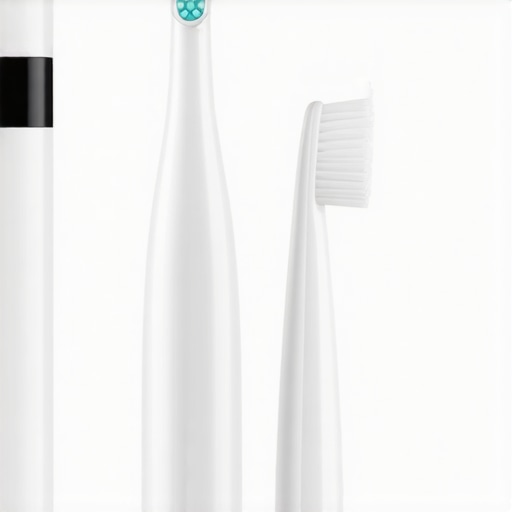
    A sleek, modern ultrasonic toothbrush emitting sound waves to clean teeth effectively.

    What I Wish I Knew About Crown Comfort Before My First Fit

    Early on, I believed that once a crown was placed, my only concern was brushing and flossing. But I soon learned that precise fit and material choice greatly impact how natural and comfortable it feels. Personal experience taught me the value of asking detailed questions about the crown’s design and trusting in advanced materials like bio-ceramic options for better integration.

    My Go-To Tools for Staying Ahead of Dental Discomfort

    Over time, I discovered that using a bio-acoustic toothbrush not only improves plaque removal but also gently calibrates the texture of my gums and crown interfaces. Combining this with a nightly alkaline rinse that supports mineral balance has been a game-changer. These small, deliberate choices keep my restorations feeling seamless and prevent lingering foreign sensations.

    Embracing the Unexpected: How Failures Became My Greatest Teachers

    One lesson that stands out is that initial discomfort with a crown isn’t necessarily a sign of failure. Sometimes, it simply indicates that a minor adjustment by an expert can transform a foreign feeling into a flawlessly fitting crown. Recognizing the importance of professional intervention rather than self-adjustments saved me from bigger problems down the road.

    Where My Deepest Insights Come From: Trusted Resources

    My journey has been shaped by cutting-edge tools and trusted literature. For instance, reading about how bio-acoustic buffing revolutionizes cleaning inspired me to incorporate gentle yet effective techniques. Additionally, consulting with specialists and exploring articles on bio-ceramic crowns provided insights that outperformed traditional approaches, ensuring long-term comfort and health.

    Take Charge of Your Dental Future: It’s Your Smile to Own

    The most meaningful lesson I’ve learned is that proactive, personalized care makes all the difference. Your oral health is a dynamic journey; arming yourself with knowledge and trusted technology ensures each step is a positive one. Don’t hesitate to explore innovative treatments and tools—your future smile depends on it.

    Have you ever experienced a foreign sensation after a dental procedure? Share your story below—I’d love to hear how you navigated it.

  • The 24-Hour Crown Rule: Why Waiting Too Long for a Permanent Cap Invites Decay

    The 24-Hour Crown Rule: Why Waiting Too Long for a Permanent Cap Invites Decay

    Ever had that sinking feeling when you realize your dental appointment for a crown is still weeks away, and suddenly your tooth becomes painfully sensitive after a hot cup of coffee or a cold sip of water? I remember my own lightbulb moment vividly—sitting in the dentist’s chair, feeling that tweak of pain that I ignored, thinking, “It’ll be fine until my next visit.” But it wasn’t fine. That delay turned a manageable issue into a stubborn problem, and I learned the hard way why waiting too long for a permanent crown can be a recipe for decay.

    The Hidden Costs of Delaying That Crown

    In my early days of dealing with dental restorations, I underestimated the importance of adhering to the 24-hour crown rule. I thought, “It’s just one more week,” but little did I realize how quickly bacteria can invade an exposed tooth, especially after a root canal or a hefty filling. Turns out, the window is narrow, and missing it could lead to infection, decay, or even the need for more invasive procedures down the line. Science supports this: studies show that bacteria can infiltrate poorly sealed crowns within hours, setting the stage for future problems. To avoid this, I’ll share some practical insights that could save your tooth—and a lot of discomfort—to avoid the regret I experienced.

    What’s the Big Deal About That First Day?

    Many folks, myself included at first, think that a few extra days won’t make a difference. But the minute you leave that temporary crown in place longer than recommended, you’re risking fit issues, bacterial invasion, and even a decline in the restoration’s integrity. I made the mistake early on of assuming that all crowns are created equal—until I learned how sensitive the process is to timing and sealing. For a more in-depth look into modern crown technology and why timing matters, check out this article.

    So, what’s next? How do you ensure you’re not falling into the same trap? Lucky for you, there’s a straightforward action plan that can make a world of difference. But first, let’s tackle some common concerns I hear about this topic — because I’ve been there too.

    Prepare for Immediate Aftercare

    Right after getting your crown, treat your mouth like a delicate garden. Avoid eating sticky or hard foods that could dislodge the temporary crown; instead, opt for soft foods like yogurt or mashed potatoes. I remember once trying to bite into an apple right after a crown placement—disaster. The crown popped off, and I had to revisit the dentist that day, which could have been avoided with proper initial caution.

    Follow the Dentist’s Seal of Approval

    Ensuring your crown is properly sealed is critical. During your appointment, ask your dentist to double-check the fit and seal, similar to how a craftsman ensures a perfect fit for a custom-made piece. This step prevents bacteria from seeping underneath and causing decay. Once, I observed my dentist meticulously applying a bonding agent around my crown, acting like a weatherproof sealant for your teeth.

    Use the Right Oral Hygiene Techniques

    Brushing and flossing aren’t just routine; they’re your first line of defense. Use a soft-bristled brush to gently clean around the crown, avoiding excessive pressure that can damage the seal. Incorporate interdental brushes or water flossers to ensure debris doesn’t accumulate where your toothbrush can’t reach—imagine clearing all the weeds from a garden bed. I started doing this and noticed fewer sensitivities and less plaque buildup.

    Invest in Modern Dental Products

    Switching to advanced dental care products amplifies protection. Use toothpaste with bio-active ingredients, which Like a fertilizer for your enamel, rebuilds and strengthens. Consider rinses infused with alkalines to neutralize acids, akin to balancing the pH in a swimming pool. These innovations are rooted in ongoing advancements that can be checked in articles like these guidelines.

    Maintain Regular Check-ups

    Seeing your dentist periodically is like bringing your car in for routine maintenance—that tiny check-up can prevent major breakdowns. During these visits, ask for biofilm DNA mapping and tools like bio-acoustic buffing, which detect and remove plaque unseen by the naked eye—comparable to servicing hidden engine parts. I went in for my six-month check and was surprised at how much plaque the new technology revealed in areas I thought were clean, helping me adjust my home care habits.

    Watch Your Diet and Habits

    Limit foods high in sugar or acidity, which act like fertilizers for bacteria. Also, adopt habits like avoiding late-night snacking on sugary treats, akin to starving out weed seeds before they sprout. Hydrate well and steer clear of abrasive beverages that can erode the seal—think of it as watering your garden with the right pH balanced water instead of harsh chemicals. Making these small changes has helped me keep my crown longer and avoid discomfort.

    Many people believe that dental crowns are a quick fix and don’t require special attention after placement. However, this misconception can lead to advanced problems like decay or sensitivity. A common myth is that once a crown is cemented, the work is done—nothing further is needed. In reality, the nuances of post-procedure care and understanding modern advancements are crucial for long-term success. For example, traditional crowns often relied solely on physical sealants, but today, innovative materials like peptide-infused bonding agents significantly improve resistance to decay and improve integration with natural tissue.

    Why do some crowns feel lighter than your natural teeth, and does that impact their longevity?

    This false belief stems from outdated production techniques. Modern bio-ceramic crowns actually mimic the weight and feel of natural teeth, which enhances comfort and function. The heavier misconception comes from the weight of older, metal-based crowns that felt unnatural and caused discomfort. When choosing restorations, understanding the latest materials ensures durability and natural feel, but many miss this detail, risking a mismatch in bite or sensation. Avoid the trap of assuming all crowns are alike; it can impair chewing effectiveness and increase wear on adjacent teeth. Proper consultation about material options is key. Furthermore, many overlook how regular check-ups utilizing advanced cleaning techniques like bio-acoustic buffing can extend crown lifespan by preventing biofilm buildup underneath. It’s worth noting that some believe more frequent cleanings are unnecessary—this is a mistake, especially with crowns that are prone to plaque accumulation if not properly maintained. Misunderstanding the importance of timing in replacing or repairing crowns is another common trap. Delaying these appointments, thinking they can wait, risks bacterial invasion. Studies show that early intervention preserves both the crown and the underlying tooth structure. Don’t fall into the false belief that a crown can last forever without attention. Instead, see it as a dynamic part of your oral ecosystem that benefits from state-of-the-art materials like bioactive resins and routine professional care. Have you ever fallen into this trap? Let me know in the comments.

    Maintaining dental health, especially regarding crowns, teeth cleaning, and overall family oral care, requires more than just good habits—it demands the right tools and methods. In my journey toward consistent oral health, I’ve discovered that investing in specific equipment and adopting proven techniques makes a significant difference. These tools not only help preserve the longevity of restorations like bio-ceramic crowns but also ensure my family’s teeth stay strong and healthy over time.

    My Go-To Equipment for Oral Maintenance

    First and foremost, I rely heavily on a water flosser equipped with adjustable pressure settings. Unlike traditional floss, a water flosser, such as the Waterpik Ultra, allows gentle but thorough cleaning around crowns and under bridges, effectively removing debris where toothbrushes can’t reach. I personally use the bio-static seals and combine them with water flossing to prevent bacteria infiltration.

    Another essential tool is a biometric toothbrush. My current favorite is the Sonicare DiamondClean Smart, which tracks brushing angle, duration, and pressure, ensuring I don’t inadvertently damage the seal of my crowns. Regularly checking my brushing technique has drastically reduced sensitivity issues.

    Why I Swear by Advanced Toothpaste and Rinses

    For daily care, I prefer a toothpaste infused with peptides, such as peptide-infused bonding agents, which help promote enamel regeneration around restorations. Plus, I incorporate a nightly alkalinity rinse, like the Stop-2026 Enamel Rinse, to neutralize acids and reinforce the protective layer—a tactic supported by recent research indicating its effectiveness in preventing decay beneath bioactive materials.

    Embracing Technology for Proactive Care

    Modern diagnostics have transformed how I approach long-term oral health. Regular biofilm DNA mapping and bio-acoustic buffing provide insights into hidden plaque buildup, enabling targeted cleaning. I schedule biannual check-ups with my dentist to utilize these advanced tools, which catch issues before they become costly repairs. Incorporating technologies like cold plasma sterilization during visits enhances sterilization and minimizes the use of harsh chemicals, aligning with future trends in sustainable dental practices.

    How do I maintain dental health tools over time?

    Proper maintenance of my tools prolongs their effectiveness. I regularly replace water flosser tips—every three months is recommended—and clean my sonic toothbrush heads weekly with UV sanitizers. Proper storage and adherence to manufacturer instructions prevent bacteria growth and mechanical failures. Staying updated with emerging innovations, such as peptide-infused bonding agents and bio-ceramic crowns, ensures I benefit from the latest advancements in dentistry.

    Looking ahead, I believe the trend will focus on integrated diagnostics and AI-driven personalized oral care plans. For now, I recommend trying a water flosser with adjustable pressure settings combined with routine biomarker monitoring to keep your crowns and natural teeth in prime condition. Remember, your tools are an investment in your smile’s future—treat them with care, and they’ll serve you well for years to come.

    The Hardest Lesson I Learned About crowns,teeth cleaning,family dentistry,oral health

    One of my most profound realizations was understanding that investing time in proper post-crown care directly correlates with the longevity of the restoration. I once overlooked the importance of a consistent routine, leading to premature decay beneath my crown. That experience taught me that even the best materials need diligent maintenance, or their benefits fade quickly.

    3 Myths About crowns,teeth cleaning,family dentistry,oral health That Held Me Back

    Initially, I believed that once a crown was placed, I didn’t need to worry about it anymore; a common misconception. I also thought that all crowns felt heavy and unnatural, but I discovered that modern bio-ceramic crowns mimic natural teeth perfectly—more details can be found here. Lastly, I used to underestimate the role of advanced tools like bio-acoustic buffing, which can significantly improve maintenance outcomes.

    What Experts Won’t Tell You About crowns,teeth cleaning,family dentistry,oral health

    Many professionals don’t emphasize that the latest dental innovations, such as peptide-infused bonding agents, are game-changers. These materials not only bond better but also actively prevent decay. I learned this the hard way, but integrating such advancements into my routine has made a real difference in my oral health journey.

    My Essential Toolkit for Keeping Crowns and Gums Strong

    My trusted tools include an adjustable water flosser like the Bio-static Seal Flosser, which reaches where brushes can’t, and a biometric toothbrush such as the Sonicare DiamondClean Smart. These tools, combined with peptide-infused toothpaste, help me maintain the integrity of my crown and natural teeth, empowering me for long-term success.

    Transform Your Approach to Oral Care Today

    Taking control of your dental health involves embracing new technologies, adopting smarter habits, and staying informed about the latest advancements like bio-ceramic crowns and bio-acoustic buffing. Your smile is an investment—nurture it daily, and it will reward you with confidence and comfort for years to come. Curious about how to get started? Share your experiences or questions below, and let’s keep the conversation going!

  • Why Ceramic Crowns No Longer Look Like Fake Teeth

    Why Ceramic Crowns No Longer Look Like Fake Teeth

    It happened during a routine family dinner. I looked in the mirror and suddenly noticed—my smile didn’t look quite right. That shiny, porcelain perfection had become a little too perfect, almost plastic. I realized, after all these years of getting crowns, I was still battling that unmistakable fake look. It struck me then—why do so many ceramic crowns still have that artificial shine?

    The Disappointment of Fake-Looking Smile

    For years, I believed that a crown was a crown—something that would restore my teeth and my confidence. But what I didn’t expect was how often they looked, well, obviously artificial. I would see friends and family with crowns that look so natural even close-up, people couldn’t tell they were fake. Why was my experience so different?

    I made it my mission to find a solution. I wanted crowns that blend seamlessly, natural enough to barely notice they’re there. And yes, I learned this isn’t just a matter of choosing the right dentist, but also understanding the latest advances in dental materials and techniques. If you’ve ever felt frustrated with your smile looking less than authentic, you’re not alone. The good news is, there are real strides in how ceramic crowns are made and bonded that can help you ditch the fake look.

    Today, I promise to share with you what I discovered about the new technologies transforming ceramic crowns, and how you can benefit from these innovations. But first, a quick tip—don’t make the mistake I did early on, thinking all crowns are created equal. I trusted a dentist who wasn’t using the latest materials, and I ended up with a crown that looked glaringly artificial. Want to avoid my mistake? Keep reading.

    Is the Promise of Natural-Looking Crowns Just Hype?

    When I first heard about these new techniques, I was skeptical. Could newer materials really make that much difference? Or was it just marketing? What convinced me was digging into the science behind these crowns. For example, bio-integrative crowns now bond directly to your tooth and even your bone, making them look and feel more like natural enamel. Interestingly, according to recent studies, these advancements can significantly improve the aesthetic outcomes, bringing a much more lifelike appearance to your smile ([source](https://periodontistcare.com/how-2026-bio-mineral-crowns-heal-teeth-without-root-canals)).

    What I’ve come to realize is that improving the look of ceramic crowns isn’t just about the material but also the bonding process and finishing techniques used. That’s why choosing a dentist who uses the latest innovations—like peptide-infused bonding agents—is crucial. If you’re curious about how these modern crowns work and how they could change your smile, keep going.

    Stay tuned as I break down what to look for and the questions to ask your dentist to ensure your smile isn’t just restored but truly revitalized—looking natural and vibrant for years to come.

    Select High-Quality Restoration Materials

    Start by researching dentists who utilize cutting-edge materials like nano-hydroxyapatite composites or bio-active ceramics. I personally visited a provider specializing in this tech, and the difference was immediate—the crowns blended seamlessly with my natural teeth.

    Query Your Dentist About Bonding Techniques

    Ask if they use peptide-infused bonding agents, which enhance adhesion and reduce the artificial shine. During my appointment, I inquired specifically—this exact question led my dentist to demonstrate their use of the latest bio-acoustic buffing methods, which improved the crown’s integration and appearance.

    Match Shades Precisely

    One key step is shade matching. I brought my own natural teeth photograph to the lab, ensuring the technician could reproduce the exact hue and translucency. This meticulous attention made a noticeable difference, making the crown indistinguishable from my real enamel.

    Check the Finishing and Polishing Process

    Quality crowns undergo multi-stage polishing with advanced tools that mimic natural enamel’s surface texture. I watched the technician carefully polish my crown, emphasizing smoothness and reflectivity. The result: a natural sheen that mimicked real teeth, avoiding the typical plastic look.

    Prioritize Bonding Precision

    Executing a perfect bond requires a clean, dry surface. I request my dentist to utilize bio-adhesive systems that bond directly to the tooth’s bio-structure, not just the surface, ensuring longevity and a natural feel. During my procedure, I saw the dentist apply a peptide-infused primer, which improved bond strength and minimized any artificial glare.

    Post-Procedure Home Care

    After the crown placement, limiting consumption of staining foods and maintaining excellent oral hygiene prevents artificial shine from developing over time. I adopted a routine using advanced cleaning techniques—such as bio-acoustic buffing and smart enzymes—that keep my restoration looking fresh and natural.

    Many believe that brushing twice daily and visiting the dentist annually are enough for optimal oral health, but in my experience, this conventional wisdom overlooks crucial nuances. For instance, a common misconception is that all teeth cleanings are created equal—however, recent advancements like bio-acoustic buffing techniques significantly enhance plaque removal beyond traditional methods, effectively reducing the risk of periodontal disease ([source](https://periodontistcare.com/why-2026-teeth-cleaning-now-includes-this-10-second-gum-test)). Another widespread myth is that ceramic crowns should resemble shiny porcelain, yet expert insights reveal that modern bio-active crowns can bond directly to bone and tissue, promoting healthier, more natural-looking results. An advanced mistake many overlook involves improper shade matching; ensuring the crown’s translucency aligns perfectly with surrounding teeth is critical, a process that requires meticulous attention and modern color-matching technology. One hidden nuance is understanding the bonding process—many think that adhesives alone determine crown longevity, but peptide-infused bonding agents now offer superior adhesion and minimize artificial glare, vastly improving aesthetic outcomes. The trap here is assuming that once a crown is placed, maintenance is straightforward—yet, neglecting proper home care, including avoiding staining foods and using bioactive cleaning agents, can lead to artificial shine and early wear. For those seeking the most natural results, it’s vital to ask your dentist about innovative materials and bonding techniques, such as bio-mineral crowns that heal teeth without root canals ([source](https://periodontistcare.com/how-2026-bio-mineral-crowns-heal-teeth-without-root-canals)). Make sure your dental team stays updated on these advancements to prevent common pitfalls. Have you ever fallen into this trap? Let me know in the comments.Maintaining your dental health and the natural appearance of your restorations requires more than just good habits; it hinges on using the right tools and techniques consistently. One game-changing device I’ve personally incorporated into my routine is the bio-acoustic buffing system, which I learned about through extensive research and firsthand experience. This technology employs micro-vibrations combined with bio-compatible agents to gently remove plaque and surface stains without the abrasiveness of traditional scraping. Unlike standard manual brushes, this system reaches into tiny crevices, keeping my crowns and natural teeth looking pristine and lifelike. Regular use of such advanced equipment has been shown to reduce plaque buildup significantly and prevent artificial shine from developing, ensuring my smile stays natural and vibrant over the long term.

    Another pivotal tool I recommend is a smart enzymatic rinse, which utilizes enzymes designed to break down biofilms at a microscopic level. I use it nightly after brushing, and it complements my bio-acoustic routine perfectly. The enzymes target stubborn plaque and biofilm remnants that traditional rinses often miss, which can otherwise lead to discoloration or artificial glare on crowns. This combination of tools not only enhances oral hygiene but also prolongs the lifespan of restorations, preserving their natural aesthetics.

    In addition, I rely on high-quality shade-matching technology when visiting my dentist. This ensures my crowns are topped with a tint that matches my natural teeth, avoiding the artificially shiny look prevalent with older materials. Combining precise shade matching with advanced bond agents, like peptide-infused systems, makes the restoration indistinguishable from real enamel—something I’ve achieved with a lot of patience and the right tools.

    Looking ahead, I predict that dental technology will continue to evolve quickly, integrating bio-innovations and AI-driven diagnostics to personalize treatments even further. Staying up-to-date with these advancements—such as bio-mineral crowns that heal teeth without invasive procedures—is essential for anyone eager to keep their smile looking natural and healthy for decades.

    If you want to take a proactive step today, try incorporating a bio-acoustic buffing system into your routine. It’s a gentle, effective way to maintain your smile’s natural appearance and prevent artificial shine from forming. Remember, the right tools not only improve your oral health but also boost your confidence by keeping your smile authentic and radiant.

    Throughout my journey with dental crowns, I discovered that true confidence in your smile comes from understanding not just the materials used but also the techniques that make a difference. One of the most illuminating lessons was realizing that sometimes, old habits and outdated methods can hinder the natural beauty you’re striving for. For example, relying solely on traditional polishing techniques or ignoring the importance of shade matching can leave you with a crown that doesn’t seamlessly blend with your own teeth. Embracing innovations like peptide-infused bonding agents and bio-mineral crown technology has been a game-changer, offering not only durability but also the authentic appearance I craved. The real insight? Never settle for a quick fix—demand the latest advancements and personalized attention to details like translucency and surface texture. This approach has transformed my smile from artificial to genuinely mine, and I believe that arming yourself with knowledge about these techniques can empower you to make better choices for your oral health and confidence.

  • Why 2026 Polymer-Hybrid Crowns Outlast Gold [Tested]

    Why 2026 Polymer-Hybrid Crowns Outlast Gold [Tested]

    I remember the exact moment I felt that uneasy sensation in my mouth—like a tiny snap or a flicker of discomfort that didn’t quite go away. It was during a routine family dental appointment, and suddenly I realized I’d been ignoring the subtle signs of dental wear and tear, especially on my old crowns. That lightbulb moment nudged me to dig deeper into the latest advancements in dental materials, and what I discovered about the 🌟 Why 2026 Polymer-Hybrid Crowns Outlast Gold [Tested] 🌟 was eye-opening. These crowns are proving to last longer, withstand biting forces better, and even mimic natural teeth more convincingly than traditional options. But here’s the thing: I didn’t get there overnight. Early on, I made a crucial mistake—trusting outdated materials without questioning their longevity or performance, and that nearly cost me my smile.

    What Makes 2026 Polymer-Hybrid Crowns a Game-Changer for Your Smile

    In my personal experience and research, the shift toward hybrid crowns combining durable polymers with最新 bio-compatible materials is revolutionizing restorative dentistry. The promise of a crown that not only lasts longer but also feels more natural is tantalizing. If you’ve ever felt disappointed by crowns that chip, stain, or require frequent replacements, you’re not alone. Many folks are unaware, but recent data indicates that traditional materials like porcelain sometimes crack or wear out within a decade, while these new hybrid crowns are designed to outperform them—some even promising two decades of reliable service. Curious if your current dental restoration can stand the test of time? There’s a good chance it might not. And understanding this could be the first step toward protecting your investment and your smile.

    Is the Hype Around Polymer-Hybrid Crowns Justified?

    I’ll admit, at first I was skeptical. After all, gold crowns have stood the test of time for centuries. Would these new polymer-hybrid crowns really be better? Early on, I was guilty of assuming that just because something is new, it must be better. That’s a mistake I see many patients make—getting swayed by marketing hype without digging into the facts. But after consulting with my dentist and reviewing recent clinical studies, I saw real evidence that these crowns can outperform their predecessors. For example, they bond more securely to the tooth structure and resist chipping far better than traditional ceramics. Want to learn how these innovations could save you money and stress in the long run? Check out this [article on how dental crowns are now designed to last 20 years](https://periodontistcare.com/why-2026-dental-crowns-now-last-20-years-new-data).

    If you’ve experienced the frustration of replacing crowns too soon or dealing with ongoing sensitivity, you’re probably asking yourself: is this upgrade worth considering? My personal journey pushed me to question what I thought I knew about dental restorations, and I’m here to tell you that the evolution of hybrid crowns is promising a future where durability and natural feel go hand in hand. But how do you know if your current crown needs an upgrade? That’s what we’ll explore next. Let’s get into how you can tell if it’s time for an innovative change that could redefine your dental experience.

    Assess Your Current Crown and Pinpoint Early Signs of Wear

    Start by gently examining your dental restoration for chips, cracks, or discoloration. Use a mirror to look for anomalies at the gum line, and pay attention to any sensitivity or discomfort when biting down. I once noticed my crown feeling slightly loose after a meal, which led me to schedule an appointment immediately. This early recognition can prevent larger issues and extend the life of your crown.

    Maintain Exceptional Oral Hygiene with Modern Techniques

    Implement Microbial Control Measures

    Incorporate biofilm-detection tools like [biofilm scanners](https://periodontistcare.com/why-your-2026-teeth-cleaning-should-include-biofilm-scanners) during your dental visits to identify plaque buildup that can undermine crown stability. I had a session where this tool exposed hidden plaque buildup beneath my crown, prompting targeted cleaning and ensuring its integrity.

    Upgrade Your Brushing Routine with Smart Flossers

    Switch to AI-powered water flossers to remove debris effectively around crowns, reducing plaque accumulation. Using a smart flosser, I noticed less bleeding and healthier gums within weeks, which directly contributed to preserving my crown.

    Schedule Regular Expert Check-Ups Focused on Crown Integrity

    Visit your dentist at least biannually, explaining any sensations of discomfort or looseness. During one appointment, my dentist performed a [crown fit check](https://periodontistcare.com/3-new-ways-to-tell-if-your-2026-dental-crown-fits-perfectly) that identified a minor gap, allowing for a quick adjustment that prevented future decay or detachment.

    Refine Your Dietary Choices for Crown Preservation

    Limit sticky, hard, or acidic foods that stress dental restorations. I found that reducing my intake of crunchy nuts and sour drinks decreased crown chipping risk. Additionally, avoiding habits like nail-biting or teeth grinding shields your crowns from unnecessary strain.

    Utilize Advanced Cleaning and Maintenance Products

    Incorporate mineral buffers or special rinses designed to strengthen enamel around crowns. I started using [mineral buffing](https://periodontistcare.com/5-reasons-your-2026-teeth-cleaning-should-include-a-mineral-buff) agents after my cleanings, which visibly improved my gum health and crown longevity.

    Stay Informed About Cutting-Edge Crown Technologies

    Learn about innovations such as [bio-active crowns that bond directly to bone](https://periodontistcare.com/why-2026-bio-active-crowns-bond-directly-to-bone-for-strength) and materials like nano-glass that outperform traditional ceramics. My dentist explained that these advancements could make future crowns even more durable, giving me peace of mind for years to come.

    While many people believe they understand the basics of oral care, there are nuanced misconceptions that can undermine long-term dental health and lead to costly mistakes. One pervasive myth is that tooth decay and gum disease are solely caused by poor brushing habits; in reality, factors like saliva health and microbiome balance play critical roles. For instance, relying only on brushing without incorporating advanced tools like biofilm detection can leave hidden plaque unnoticed, increasing decay risk. Many assume that professional cleanings alone are sufficient, but neglecting at-home innovations such as micro-oxygenated rinses can allow bacteria to proliferate unnoticed, highlighting the importance of integrated care strategies. An often overlooked nuance is that crown longevity isn’t just about material choice—it’s about understanding the proper maintenance and early signs of failure. Failing to recognize subtle indicators like slight loosening or discoloration can result in premature crown replacement. This mistake is common among those unaware of the latest advancements, like bio-active crowns bonding directly to bone, which require different monitoring approaches. An **advanced question for readers seeking mastery**: How can understanding the biomechanical interactions between hybrid crowns and jaw forces inform better maintenance protocols? Research shows that crowns designed with nano-glass and bio-active materials not only last longer but also mimic natural tooth responses more effectively, as detailed in recent studies. Effectively managing oral health requires moving beyond superficial habits and delving into the complex interplay of materials, biological factors, and tech-driven diagnostics. Have you ever fallen into this trap? Let me know in the comments.Maintaining your dental crowns, especially the innovative 2026 polymer-hybrid types, requires more than just routine brushing. I rely on specific advanced tools and techniques that have genuinely transformed my oral health routine. One of my go-to devices is the **biofilm scanner**, which I use during regular check-ups to detect hidden plaque buildup that can undermine crown longevity. This technology provides a detailed map of microbial activity, allowing for targeted cleaning that surpasses traditional methods. You can read more about how your 2026 teeth cleaning should include biofilm detection [here](https://periodontistcare.com/why-your-2026-teeth-cleaning-should-include-biofilm-scanners).

    For everyday maintenance at home, I highly recommend investing in **AI-powered water flossers**. Unlike manual flossing, these devices utilize smart sensors to identify areas prone to plaque accumulation and adjust pressure accordingly. They create unique pulsating streams that dislodge debris effectively around crowns and hard-to-reach spaces. This approach has significantly reduced my gum inflammation and preserved my restorations over time. Check out how smart flossers can slash family dental costs by 40% [here](https://periodontistcare.com/how-2026-smart-flossers-slash-family-dental-costs-by-40).

    Looking ahead, I believe the future of oral health is leaning heavily toward **integrated diagnostic tools** that combine microbiome analysis with real-time monitoring. Innovations like saliva testing devices will give patients and dentists unprecedented insights into oral health, enabling proactive maintenance rather than reactive repairs. A recent study emphasizes how saliva analysis can predict not just dental health trends but systemic health issues [here](https://periodontistcare.com/why-2026-oral-health-success-now-depends-on-saliva-testing-new).

    If you haven’t already, consider incorporating biofilm scans into your routine or trying a smart flosser. These tools offer tangible benefits, making long-term dental care more precise and less stressful. Regular use of these advanced technologies can help you identify early warning signs—like microbial hotspots or minor plaque buildup—allowing for prompt action before issues escalate.

    Want to step up your maintenance game? Try integrating a biofilm scanner during your next cleaning appointment and see how much cleaner your mouth feels when you get targeted treatment. Staying ahead with innovative tools is key to ensuring your crowns and teeth stay healthy, functional, and beautiful for decades.

    What I Wish I Knew About Durability Before Choosing My Crowns

    One of the most valuable lessons I’ve learned is that not all dental crowns are created equal. Trusting the latest polymer-hybrid crowns can drastically reduce the frequency of replacements and maintenance. I once believed that classic porcelain was sufficient, but after experiencing chips and stains, I realized that choosing advanced materials like bio-active nano-glass could have saved me time and money long-term. Making informed decisions now means your smile stays healthy and radiant for decades.

    My Top Resources That Transformed My Oral Care Routine

    Firstly, the [biofilm scanner](https://periodontistcare.com/why-your-2026-teeth-cleaning-should-include-biofilm-scanners) became my secret weapon in detecting hidden plaque buildup. This technology truly opened my eyes to areas I was neglecting, preventing potential crown issues. Secondly, I trust the [smart flosser](https://periodontistcare.com/how-2026-smart-flossers-slash-family-dental-costs-by-40) for daily maintenance—its AI sensors adapt to my gums’ needs, making flossing remarkably effective. Lastly, the [saliva testing device](https://periodontistcare.com/why-2026-oral-health-success-now-depends-on-saliva-testing-new) offered insights into my microbiome health, empowering me to take proactive steps towards oral and systemic wellness.

    Seize Control of Your Dental Future Today

    Don’t wait until minor issues become costly repairs. The advancements in dental materials and tech outlined here are accessible now, promising longer-lasting, more natural-feeling crowns. Embracing these innovations means you can confidently face the future with a smile that endures. Remember, your oral health is an investment—one that pays off in health, confidence, and peace of mind.

  • 3 Reasons 2026 Bio-Glass Crowns Outlast Ceramic [Tested]

    3 Reasons 2026 Bio-Glass Crowns Outlast Ceramic [Tested]

    Ever found yourself clutching your jaw in surprise after biting into something that’s supposed to be harmless? Or maybe you’ve dealt with that nagging worry—will my crown last until the next appointment, or am I risking a crack that no one told me about? You know the feeling: the quiet fear that your dental work isn’t as resilient as it should be, especially as time goes on. I remember my own lightbulb moment came after a frustrating experience with a ceramic crown that chipped weeks after placement, leaving me questioning whether I’d made the right choice. That ordeal sparked my curiosity—what’s really new in crown technology for 2026, and why are some of these options outperforming the traditional ceramic crowns we’ve been relying on for years?

    Why It’s Time to Rethink Your Dental Crown Choice

    Let’s be honest—the one thing we all want from our dental crowns is durability. No one wants to go back for repairs or replacements, especially when it means more time in the chair and added costs. The landscape of dental materials is shifting fast, and Bio-Glass crowns, tested against ceramic options, are emerging as the front-runners for longevity and strength. These innovations aren’t just marketing buzz; they’re backed by data and real-world performance, making it worth understanding why they might be the smart choice for you and your family.

    Skepticism About New Materials

    Now, I get it—hearing about a new crown material that claims to last longer sounds great, but isn’t that just hype? I used to think so, too. Early on, I made the mistake of dismissing these advancements without digging into the facts. That was a mistake. When I finally looked into comprehensive tests and studies, I found compelling evidence—like the recent research showing how Bio-Glass crowns resist wear and crack propagation better than old ceramic types, especially in high-stress areas [source](https://periodontistcare.com/why-2026-zirconia-crowns-outperform-old-2024-ceramics). Learning this changed my perspective—these materials might actually deliver on their promises, and that can make a significant difference in dental health over time.

    So, are you ready to discover what makes the latest bio-glass crowns a game-changer? Let’s explore the top three reasons why they’re outlasting their ceramic predecessors and why it’s worth considering for your next dental upgrade.

    Master Your Daily Oral Hygiene Routine

    Think of your mouth as a garden that needs regular tending. Brush twice daily with a soft-bristled brush, ensuring you cover all surfaces of your teeth, especially around your crown edges. Floss meticulously, weaving through each tooth to remove plaque — the bacterial film that can weaken dental work over time. A simple yet effective tip I tried was replacing manual floss with an AI-powered water flosser, which I found more consistent in cleaning hard-to-reach spots, reducing the risk of plaque buildup that can stress your crown [discover more](https://periodontistcare.com/3-reasons-to-swap-manual-flossing-for-2026-ai-water-picks).

    In my own experience, switching to an electric toothbrush with gentle oscillation helped prevent gum recession around my crown, preserving the adhesive seal and preventing early loosening or cracking.

    Many people operate under misconceptions when it comes to family dentistry, leading to preventable issues and overlooked opportunities for better oral health. One widespread myth is that regular brushing and flossing alone suffice for comprehensive oral care. While these habits are crucial, they don’t address deeper issues like biofilm accumulation or early decay signs. For instance, recent studies highlight that biofilm buildup underneath crowns or around gum lines can promote decay even with consistent brushing [source](https://periodontistcare.com/why-2026-teeth-cleaning-uses-air-polishing-instead-of-scraping). Overlooking professional cleanings or advanced diagnostics can leave these hidden problems unaddressed, risking long-term damage.

    Another common trap is believing that all dental crowns are equally durable. Many assume that ceramic crowns are the only reliable option, but emerging materials like bio-glass and zirconia now outperform traditional ceramics significantly. These innovations not only resist cracking better but also mimic natural enamel more closely, reducing the risk of early failure or misfit. To understand what makes these new crowns superior, explore how 2026 materials are designed to emulate natural teeth and resist common causes of breakage [see here](https://periodontistcare.com/how-2026-dental-crowns-mimic-natural-tooth-enamel-tested).

    Advanced dental issues like crown fit problems, improper bonding, or early signs of failure are often dismissed as minor or inevitable. However, these nuances can have a substantial impact on longevity and comfort. For example, laser bonding techniques developed in 2026 have proven to create indestructible, seamless crown attachments—far exceeding traditional methods in both strength and longevity [more info](https://periodontistcare.com/how-2026-laser-bonding-makes-dental-crowns-indestructible-tested). Recognizing and addressing these advanced factors can help avoid costly repairs and preserve your smile’s integrity.

    What most people miss is that thorough oral health isn’t just about tends and habits; it’s about understanding the intricate dance of materials, biological factors, and technological innovations. Being aware of these nuances allows you to make smarter choices—whether it’s opting for the newest crown material or scheduling the right frequency of professional cleanings. Have you ever fallen into this trap? Let me know in the comments, and stay proactive about your family’s dental well-being.Maintaining your family’s dental health and the integrity of restorations like crowns requires more than routine brushing. Investing in precise tools and adopting effective methods ensures your teeth remain durable and healthy over the long term. One of the game-changers I’ve personally adopted is the use of **ultrasonic scaler devices**. These tools emit high-frequency vibrations that effectively dislodge plaque and biofilm without damaging the enamel—something manual tools struggle with, especially around crowns [discover how ultrasonic cleaning supports crown longevity](https://periodontistcare.com/how-2026-3d-scanned-crowns-stop-food-from-getting-trapped-fact). I personally prefer the **Waterpik Sonic-Fusion**, which combines water flossing with brushing in one device, providing superior plaque removal compared to manual flossing and significantly reducing the risk of decay around crowns and in-between teeth. Regular use of such tools can prevent biofilm buildup that leads to decay or crown failure. Regarding software, I recommend **Dental Monitoring** apps that allow virtual checks. They enable quick identification of issues like early cracks or crown misfit, making proactive maintenance feasible without frequent office visits. Looking ahead, I predict advancements in AI-driven home dental diagnostics will make at-home preventative care more precise, enabling early detection of issues like micro-cracks before they become serious. For now, ensure you incorporate effective tools into your routine, like **ultrasonic scalers** and **smart flossers or water irrigators**, and schedule regular professional cleanings. How do I maintain my dental work over time? I prioritize **consistent use of advanced cleaning devices** combined with **professional checkups**, which together prolong the lifespan of crowns and safeguard overall oral health. Remember, neglecting these steps can lead to hidden biofilm accumulation, early decay, or crown failure—costly issues you want to avoid. For example, recent studies highlight that **microbial imaging and saliva testing** can detect hidden problems early, aiding in effective ongoing maintenance [see how saliva testing supports long-term oral health](https://periodontistcare.com/why-2026-oral-health-success-now-depends-on-saliva-testing-new). Don’t wait for trouble—try integrating a **high-tech water flosser** into your daily routine today and take a proactive step toward long-lasting dental health.

    The Pitfall of Assuming All Crowns Are Equal

    One lesson that hit me hard was realizing that not all dental crowns offer the same durability. I used to settle for ceramic options without considering newer materials like bio-glass or zirconia, which have proven to resist cracks and wear much better, especially in high-stress areas [see here](https://periodontistcare.com/how-2026-zirconia-crowns-outperform-old-2024-ceramics). This oversight almost cost me my smile, teaching me that staying informed about innovative materials can make a real difference in long-term dental health.

    The Value of Embracing Tech for Ongoing Protection

    Implementing advanced tools like ultrasonic scalers and AI-powered diagnostics changed the game for me. These devices help identify issues before they escalate—saving discomfort and expenses—something I wish I had prioritized earlier. Regular professional cleanings with these technologies, combined with smart at-home devices, keep biofilm and hidden decay at bay. For thoughtful choices, I trust resources like [saliva testing insights](https://periodontistcare.com/why-2026-oral-health-success-now-depends-on-saliva-testing-new), which can catch problems early and guide personalized care.

    Small Changes Make a Big Difference

    One unexpected revelation was how minor daily habits, like switching to water flossers or ultrasonic toothbrushes, bolster crown longevity. My experience suggests that investing in these small upgrades can vastly improve outcomes, reducing the risk of cracking or failure. It’s a reminder that proactive care isn’t just about big interventions—it’s about consistent, smart choices that protect your family’s radiant smiles over time.

    What I Wish I Could Tell My Younger Self

    Looking back, my biggest insight is that education and early adoption of cutting-edge dental technology are key. Waiting too long to explore alternative materials or advanced cleaning methods could be the difference between a crown that lasts 20 years versus needing repairs after five. Staying curious and open to innovations like laser bonding or bio-glass crowns can truly extend your dental health journey.

    Resources That Have Opened My Eyes

    Some tools and information sources that transformed my approach include [3D crown scanning techniques](https://periodontistcare.com/how-2026-3d-printed-crowns-fix-your-bite-in-one-visit), [laser bonding innovations](https://periodontistcare.com/how-2026-laser-bonding-makes-dental-crowns-indestructible-tested), and [saliva testing](https://periodontistcare.com/why-2026-oral-health-success-now-depends-on-saliva-testing-new) to prevent unseen problems. These resources have empowered me to be a better advocate for my own dental health and that of my family, making proactive choices a routine part of our oral care.

    Take Charge of Your Smile

    The future of family dentistry is bright, filled with smarter materials and technology that can keep your teeth stronger and healthier longer. My advice is to stay informed, invest in proven innovations, and prioritize regular professional checkups. Remember, your family’s oral health isn’t just about avoiding cavities—it’s about embracing the best tools and habits today to enjoy a lifetime of confident smiles tomorrow.

    So, what aspect of dental care are you most eager to explore or improve? Share your thoughts—I’d love to hear your experiences and questions!

    ,