Category: Cosmetic Dentistry Solutions

  • The real cost of choosing cheap dental implants abroad

    The real cost of choosing cheap dental implants abroad

    I remember the moment vividly: I had just finished a quick bite and looked into the mirror. To my shock, I noticed a discolored, uneven crown where a shiny new implant should have been. Suddenly, what seemed like a savvy, cost-saving decision turned into a headache I hadn’t anticipated. That experience was a lightbulb moment for me. I realized that opting for cheap dental implants abroad might seem like a smart money move upfront, but it can come with hidden costs that far outweigh the savings.

    Why Saving Money Can Cost You More Than You Think

    When families consider dental work abroad, the goal is usually to save money. But the truth is, cheap implants often mean sacrificing quality—a gamble that can lead to complications like implant failure, infection, or damaged neighboring teeth. These issues can be incredibly costly, both financially and emotionally. According to the American Dental Association, poor-quality implants can lead to added treatments, increased discomfort, and even the need to redo the surgery altogether.

    Is Cutting Corners Worth It in Dental Care?

    My early mistake was thinking that all implants are pretty much the same. I trusted the price tag more than I trusted my dentist’s expertise. That was a mistake. I learned the hard way that affordable doesn’t always mean good, especially when it involves your oral health. Ensuring that your implant is placed correctly and with high-quality materials is crucial for long-term success. Better outcomes come from experienced surgeons who prioritize proper planning and aftercare, which can make all the difference in your smile’s durability and aesthetics.

    If you’re contemplating dental work abroad to cut costs, ask yourself: Are you prepared for the possible additional expenses when things go wrong? Or better yet, let’s explore how you can make an informed decision that protects your health and wallet in the long run.

    Next steps: Protect Yourself and Your Smile

    Now that I’ve shared my experience, let’s look at some practical steps to avoid falling into the trap of cheap, low-quality implants. Knowing what to look for, understanding the importance of comprehensive care, and choosing experienced professionals are key to ensuring your investment pays off. But before we dive into those tips, I want to address one common skepticism — is it really worth spending more on quality? The following section will shed light on why the old adage “You get what you pay for” is especially true when it comes to dental implants.

    If you’ve ever faced the dilemma of choosing between affordability and quality, you’re not alone. Keep reading to find out how to make smarter choices that safeguard your smile and your health for years to come.

    Prioritize Professional Evaluation First

    Before considering any cosmetic or restorative procedure, schedule a comprehensive consultation with a qualified dentist experienced in family dentistry. During this visit, the dentist will evaluate your oral health, take necessary X-rays, and discuss personalized treatment options. I once skipped this step and immediately opted for a cheap crown online, which led to fit issues and discomfort. Now, I always insist on professional assessment to prevent costly mistakes. Learn more about family dentistry.

    Choose High-Quality Materials and Techniques

    Invest in restorations made from durable, biocompatible materials like porcelain or zirconia. When I needed a crown, I researched materials that replicate natural tooth translucency and ensured the lab used CAD/CAM technology for precise fitting. This prevented issues like chipping or shade mismatch. Always ask your dentist for material options and verify their experience with advanced techniques. For deeper insights, visit crown explanations.

    Demand an Exact Fitting Process

    Accurate fitting is crucial to avoid long-term problems. During my last crown placement, I insisted on a meticulous process—impressions were double-checked and try-in steps were observed to catch misalignments immediately. Poorly fitted crowns can cause bite issues and wear down adjacent teeth quickly. Ensure your dentist uses digital scans rather than traditional molds, and don’t hesitate to ask about the fitting procedure. For more on achieving perfect fit, see fitting tips.

    Emphasize Aftercare and Regular Maintenance

    Once your crown or implant is in place, maintenance determines longevity. I learned this after neglecting regular cleaning; plaque buildup under the crown caused gum inflammation. Daily brushing with an electric toothbrush, flossing, and periodic check-ups are vital. I now use interdental brushes and a water flosser to clean hard-to-reach areas, which has extended the life of my restorations. Don’t forget to schedule routine professional cleanings—think of it as car maintenance for your smile. Discover essential aftercare routines here.

    Maintain Ongoing Communication with Your Dental Team

    Good communication ensures prompt resolution of any issues. After my first crown, I noticed slight sensitivity but ignored it. Eventually, it worsened and required redoing. Now, I immediately consult my dentist if I experience discomfort or changes. Keep track of your symptoms, ask questions, and follow recommended care instructions diligently. Remember, your dentist is your partner in long-term oral health. Read more about working effectively with your dental team.

    Understand the Link Between Oral Hygiene and Restoration Success

    High-quality restorations rely heavily on excellent oral hygiene. I adopted a daily routine that includes brushing twice, flossing, and using a mouth rinse. Regular visits prevent tartar buildup and detect early issues. Think of your teeth and crowns as a garden—you need consistent watering and pruning. For detailed tips, explore daily oral routines.

    Many people assume that brushing twice a day and flossing regularly are enough for optimal oral health. However, this oversimplification can lead to overlooked nuances and common myths that compromise long-term dental success. Let’s dig deeper into what most get wrong about teeth cleaning, family dentistry, and crowns, and how understanding these nuances can make a significant difference in your oral wellness.

    First, a widespread misconception is that aggressive brushing is beneficial for removing plaque. Actually, brushing too hard can erode enamel and cause gum recession, exposing sensitive roots and increasing cavity risk. Using a soft-bristled toothbrush and gentle, circular motions are far more effective and protective. For expert-backed guidance, visit this detailed article.

    Another nuance often missed involves the role of personal habits and appliance care. Many believe that once a crown is placed, regular maintenance isn’t critical beyond brushing. In reality, failing to clean around crowns properly can lead to decay at the margins, gum inflammation, or even crown failure. Incorporating interdental brushes and water flossers can enhance cleanliness and longevity. For comprehensive tips, see this resource.

    Are flossing techniques as crucial as we think?

    It’s tempting to think that any flossing is enough, but the technique can determine the effectiveness. Incorrect flossing—such as snapping it between teeth or avoiding the gumline—can cause gum injury without removing plaque effectively. Learning proper flossing, including gentle curving around each tooth and beneath the gumline, is vital. Studies support that meticulous flossing reduces the risk of periodontal disease more than sloppy practices. Check out this guide for mastery tips.

    Now, let’s address a trap many unwittingly fall into: neglecting the importance of professional cleanings. Some believe daily home care suffices, dismissing the need for biannual visits. But professional cleanings remove tartar buildup that can’t be brushed away, and they allow early detection of issues like cavities or receding gums. Regular check-ups are not just about aesthetics—they are investments in your overall health. Discover more at this insightful article.

    Lastly, advanced patients often overlook the importance of understanding the material and fit of their crowns. Poorly fitted crowns can cause uneven wear, bite problems, or even nerve damage. Modern techniques, like CAD/CAM technology, ensure precise fit and surface contours. For a deep dive into selecting the right crowns, visit this detailed explanation.

    Remember, mastering these nuances not only preserves your smile but also saves you from costly re-treatments down the line. Engaging with your dental team, asking informed questions, and committing to proper techniques can significantly improve your oral health. Have you ever fallen into this trap? Let me know in the comments.

    Keeping It Working: Essential Tools and Techniques for Long-Term Success

    Achieving a healthy, long-lasting smile isn’t just about the initial dental work; it’s about maintaining it with precision and care over time. One of my top recommendations is investing in an electric toothbrush with a timer and pressure sensor. I personally use the Philips Sonicare DiamondClean because it gently yet effectively removes plaque without damaging enamel, especially around crowns and delicate restorations. Regular mechanical cleaning is complemented by high-quality interdental brushes, which I favor for reaching tight spaces that floss might miss. These tools are vital for preventing the buildup of plaque at crown margins and around implants, reducing the risk of gum inflammation and decay.

    In addition to physical tools, modern software aids in monitoring your oral health. I rely on my dentist’s digital platform to review photographs and X-rays slightly more frequently than annual check-ups, allowing early detection of subtle changes. Ideally, future trends will further integrate AI-driven diagnostics, offering personalized maintenance plans based on your specific oral microbiome and wear patterns, thus making long-term care even more proactive.

    How do I maintain my restorations and oral health over time?

    Consistent routine, professional evaluations, and proper tools are essentials. For crowns, I follow the guidelines highlighted in this resource to ensure longevity. Regular cleaning around restorations prevents decay at margins and maintains gum health, while periodic professional cleanings help address tartar buildup that home tools can’t effectively remove. Staying vigilant with daily habits and consulting with your dentist about any changes can prevent small issues from escalating into costly repairs. Remember, personalized strategies—like tailored oral hygiene routines—are the cornerstone of durable results, especially for complex restorations like crowns or implants. For more detailed practices, visit this comprehensive guide. To stay ahead, consider using an ultrasonic scaler at home and schedule regular professional evaluations to monitor the health of your restorations and tissue support.

    In my experience, implementing specific tools and routines has extended the life of my dental work significantly. Try incorporating an interdental brush beneath your crown margins or setting a reminder for biannual check-ups. This proactive approach is essential for preventing issues and ensuring your investment remains intact for years to come.

    Tools for maintaining crowns and oral health including ultrasonic scaler and interdental brushes.

    Visualize your routine with an image of advanced dental tools like ultrasonic scalers, interdental brushes, and digital monitoring apps. Alt text: Modern dental tools and technology for maintaining crowns and oral health. Title: Cutting-edge tools for long-term dental care.

    The Biggest Wake-Up Call I Didn’t Expect

    One of the most valuable lessons I learned about dental care was realizing that shortcuts often lead to setbacks. It took me experiencing a flawed crown placement—something I initially thought was a minor expense cut—to understand the true cost of choosing cheap solutions. That mistake transformed my approach to oral health, pushing me to prioritize quality over cost in all future decisions.

    Lessons That Changed My Perspective on Dental Investments

    • Quality Materials Are Worth the Extra Cost: Opting for durable, biocompatible materials like zirconia can vastly improve longevity and aesthetics. Rushing for cheaper options often results in frequent repairs or replacements.
    • Proper Fit Is Non-Negotiable: A crown or implant that isn’t precisely fitted can cause discomfort, bite issues, and accelerated wear. Modern technologies like CAD/CAM help ensure that every restoration fits flawlessly, saving you hassle down the line.
    • Aftercare Is Where the Real Battle Is Won: Regular maintenance using the right tools—like interdental brushes and water flossers—has been pivotal in preserving my restorations and preventing issues that could be costly and painful.
    • Communication with Your Dentist Can Save You Money: Asking questions about materials, techniques, and aftercare routines fosters transparency and ensures you’re making informed decisions tailored to your long-term health.
    • Consistency Outperforms Occasional Efforts: Developing a daily routine of gentle brushing, proper flossing, and routine check-ups keeps your smile healthy beyond the initial treatment, ultimately saving time and money.

    Tools That Keep My Smile in Top Shape

    I rely on a few key tools to maintain my dental work effectively. An electric toothbrush like the Philips Sonicare DiamondClean provides gentle yet thorough cleaning, especially around crowns and implants. High-quality interdental brushes help reach tight spaces, preventing plaque buildup at critical margins. Additionally, digital monitoring platforms from my dentist’s office allow me to stay ahead of potential issues, making proactive care much easier. For practical tips on maintaining your crowns, check this guide.

    Keep Your Promise to Your Smile

    Investing in high-quality dental care is a commitment that pays dividends over the long haul. By choosing experienced professionals, understanding the importance of precision in fit and materials, and adopting diligent maintenance routines, you’re actively safeguarding your confidence and oral health. Don’t let cost-cutting choices undermine your smile’s future—embrace informed decision-making and ongoing care.

    What has been your biggest realization when it comes to choosing between affordability and quality in dental treatments? Share your experience below and let’s inspire each other to prioritize lasting health over fleeting savings.

  • The secret to making your dental bonding last a full decade

    The secret to making your dental bonding last a full decade

    I remember the moment it hit me—standing in front of the mirror after a routine teeth cleaning, realizing that my once-glossy dental bonding looked dull and chipped just a few years in. It was frustrating. I had invested in what I thought was a permanent fix, only to see it start failing early. That lightbulb moment made me dig deeper, and what I uncovered changed everything about how I care for my smile.

    Why Smooth Sailing for Dental Bonding Isn’t Just Luck

    It turns out, making your dental bonding last a full decade isn’t about gimmicks or quick fixes. It’s about understanding the nuances of oral health and maintenance—things most of us overlook. Honestly, I learned this the hard way, forgetting that even the best materials need proper care and attention. Early on, I made a critical mistake—skipping regular checkups and neglecting my home care routine. That mistake cost me dearly, and I don’t want you to make the same.

    Is Dental Bonding Actually Worth the Hype?

    Many folks wonder if bonding is just a temporary fix or if it truly can last ten years. Well, experts in family dentistry agree—if properly maintained, dental bonding can hold up remarkably well. Still, the longevity depends heavily on your habits and understanding your specific needs. I was skeptical at first, but once I committed to consistent care, I saw my bonding stay flawless longer than I ever imagined. According to a recent study by the American Dental Association, with proper maintenance, dental bonding can last up to 10 years or more—so yes, it’s worth it, if you’re willing to do your part.

    Now, if you’re tired of seeing your beautiful smile fade too soon, stick with me. In the sections ahead, I’ll share proven strategies and insider tips that transformed my approach—and can do the same for you. Ready to learn how to truly extend the life of your dental bonding? Let’s dive into what works and what to avoid.

    ,

    Maintain a Strict Oral Hygiene Routine

    Start with brushing twice daily using a soft-bristle toothbrush, which gently cleans without damaging the bonding. Replace your toothbrush every three months to ensure effective cleaning — I learned this the hard way when my worn brush failed to clean my bonded areas properly, leading to early staining. Consider an electric toothbrush with a timer to guarantee thorough coverage, especially around the bonded edges. Floss daily using waxed floss to prevent plaque buildup between teeth and along the bonding margins. Regular flossing prevented the buildup that often causes bonding discoloration and decay underneath, which I experienced when neglecting it for a week.

    Schedule Regular Professional Cleanings

    Visiting your dentist at least twice a year is crucial. During my routine cleaning, my hygienist used a special polishing paste that helped reduce surface stains, making my bonding look shinier and newer. Professional cleanings also allow early detection of any issues like chipping or loosening, so they can be addressed promptly. Don’t wait until problems become visible — early intervention saves your bonding from costly repairs. To maximize the benefit, know that deep cleanings—the deep-scale and polish—target hidden plaque and tartar that can erode bonding over time. For optimal results, check https://periodontistcare.com/how-crowns-can-transform-your-dental-confidence for insights on how this protects your overall smile confidence.

    Use Protective Measures During Activities

    Engage in protective habits during sports or when grinding teeth at night. Wearing a custom-made mouthguard can prevent fractures and chips, preserving your bonding’s integrity. I once forgot my mouthguard during a friendly soccer match—resulting in a minor chip that cost me a new veneer. Hence, investing in a well-fitted guard is a simple, effective step. Also, avoid chewing on hard objects like ice or popcorn kernels, which can crack or loosen bonding. The habit of biting on pens or fingernails can also cause tiny fractures that compromise longevity—retraining yourself here with alternatives like stress balls can help. To enhance your understanding, read https://periodontistcare.com/why-your-dentures-keep-slipping-whenever-you-speak for related prevention strategies.

    Watch What You Eat and Drink

    Limit foods and beverages that stain or erode the bonding material. Coffee, red wine, and dark berries are notorious for staining, so rinse your mouth or brush afterward. I learned that sipping stained drinks through a straw minimizes contact, reducing stain risk. Also, avoid sugary or acidic foods that can weaken enamel and bond surfaces—imagine your bonding as a delicate paint layer that needs protection. Chewy candies and sticky desserts can pull at bonds, leading to detachment. For more detailed guidance, visit https://periodontistcare.com/why-red-wine-stains-on-your-front-teeth-happen and implement staining prevention techniques.

    Address Problems Quickly

    If you notice any chipping, roughness, or sensitivity, see your dentist immediately. Delaying repairs worsens the issue and shortens bond lifespan. When I first experienced slight sensitivity, I scheduled my appointment the same day; the dentist resealed the minor chip before it worsened. Quick action preserves both appearance and function, saving money and discomfort later. Keep an eye out for signs like discoloration or rough patches—early detection here is key. Learn more about maintaining crowns and bonds effectively at https://periodontistcare.com/maintaining-your-dental-crowns-dos-and-donts-for-best-results.

    Consider Crown or Veneer Alternatives for Long-Term Solutions

    If you have extensive damage or are seeking a more durable option, talk with your dentist about upgrades like crowns or veneers. My initial bonding was a temporary fix; a crown provided a longer-lasting, more protective solution that I now swear by. Crowns cover the entire tooth, shielding it from daily wear and tear, much like a sturdy cap over a nail. Veneers offer a cosmetic boost but are less protective; choosing the right option depends on your specific needs. For insights into how crowns can revolutionize your smile, review https://periodontistcare.com/how-crowns-can-transform-your-dental-confidence.

    By implementing these actionable steps—maintaining diligent daily hygiene, scheduling regular professional care, using protective gear, mindful eating, and swift problem-solving—you can significantly extend the life and appearance of your dental bonding. This proactive approach not only safeguards your investment but also preserves the confidence that comes with a radiant smile.

    Many people believe they understand dental care basics, but when it comes to crowns and family dentistry, misconceptions abound—sometimes leading to costly mistakes. Contrary to popular belief, not all dental crowns are created equal, and choosing the wrong type can significantly impact their longevity. For instance, some assume that metal crowns are always more durable than ceramic ones, but modern porcelain crowns often provide both strength and a natural appearance, especially when bonded correctly. It’s a common myth that once you get a crown, no further care is necessary; in reality, proper maintenance, regular checkups, and avoiding hard foods are essential to prevent premature failure.

    A critical nuance often overlooked is the importance of individual oral anatomy and bite dynamics—factors that influence crown longevity. Skilled dentists tailor treatments based on these specifics, but many patients underestimate how vital personalized assessment is to long-term success. Moreover, family dentistry isn’t just about cleaning teeth; it involves comprehensive lifestyle advice on diet, habits, and preventive measures that many overlook. For example, habits like nail-biting or teeth grinding can compromise crowns and overall oral health if not addressed proactively.

    A common trap is misjudging the effectiveness of routine teeth cleaning. While biannual visits are standard, some people neglect daily oral health routines or assume that professional cleanings alone maintain oral health. Evidence suggests that consistent home care, including proper brushing techniques and flossing, plays a more vital role than many realize in preventing cavities and gum disease. You can learn more about effective home practices at [Teeth Cleaning Secrets](https://periodontistcare.com/teeth-cleaning-secrets-effective-home-practices-for-family-dental-health).

    Why Do Some Crowns Last Longer Than Others Despite Similar Care?

    The durability of crowns depends heavily on material properties, bonding techniques, and patient habits. For instance, a study published in the Journal of Prosthetic Dentistry indicates that properly bonded zirconia crowns exhibit higher survival rates over five years compared to traditional porcelain-fused-to-metal options—if maintained diligently. This underlines the importance of choosing the right material and ensuring your dentist employs advanced adhesion techniques. Remember, regular checkups and addressing early signs of wear or damage can prolong crown lifespan—don’t wait until it’s visibly compromised. Consider consulting a specialist to determine what suits your specific needs, and you can get personalized advice by reaching out through [Contact Us](https://periodontistcare.com/contact-us).

    Beyond the technical details, understanding the holistic relationship between oral health routines and restorative treatments is crucial. Incorporate daily habits that strengthen your entire mouth, such as nourishing diets rich in calcium and avoiding acidic foods, which can weaken tooth structures. These small actions collectively preserve both your natural teeth and restorations, ensuring a healthier smile long-term. If you want practical tips on strengthening your oral routine, visit [Oral Health Routine](https://periodontistcare.com/oral-health-routine-strengthening-your-smile-every-day).

    By unearthing these advanced insights, you’re better equipped to make informed decisions and avoid common pitfalls. Oral health is an intricate balance—paying attention to the nuances can save you money, time, and discomfort down the road. Have you ever fallen into this trap? Let me know in the comments.
    How do I maintain dental health over time? Making your routine effective requires the right tools and consistent habits. I personally swear by an electric toothbrush with a pressure sensor, like the Oral-B Genius, which alerts me if I brush too hard—protecting my bonds from unnecessary wear. Coupled with a water flosser, such as the Waterpik, I can reach tricky areas without damaging my bonding surfaces, ensuring thorough cleaning without abrasion. Additionally, I use a tongue scraper daily, which reduces oral bacteria and freshens breath, significantly contributing to overall health. Regular use of an antibacterial mouthwash with low alcohol content, like the CloSYS, helps maintain a balanced oral microbiome, promoting long-term tissue vitality and bond longevity. Based on recent research, integrating these tools has shown to improve oral health outcomes over years, preventing minor issues from escalating.

    Thinking ahead, I believe advancements in smart dental devices could revolutionize maintenance routines. Future tools might include sensors embedded in braces or crowns, providing real-time feedback on wear and hygiene. This integration could alert users before small problems become costly repairs, making oral health proactive rather than reactive.

    What specific methods can I use to keep my oral maintenance routine effective? The key is personalization. Tailoring your tools and habits to your unique needs maximizes results. For example, if you have sensitive gums, softer-bristled brushes with specialized coatings, like the Philips Sonicare Sensitive, reduce trauma during brushing. Combining this with regular professional cleanings and routine checkups ensures your bonds and crowns stay intact longer, while addressing early signs of issues.

    If you’re wondering how to stay on top of your dental routine, it’s crucial to establish a habit that fits seamlessly into your daily life. Using an app that tracks brushing time or reminds you of flossing sessions can reinforce good behavior. Start with one advanced tip—like switching to a water flosser—and notice the immediate improvements in comfort and cleanliness. Try integrating this tool today by scheduling a consultation at our clinic for personalized recommendations. Remember, consistent use of the right tools is your best bet for maintaining a healthy, radiant smile long-term.

    In my journey through dental health, I discovered that the real key to long-lasting bonding isn’t just about choosing the right materials—it’s about a mindset shift towards proactive, informed care. The nuanced lessons I learned can transform your approach from reactive to resilient, ensuring your smile stays radiant for years to come.

    Lessons From the Front Lines of Dental Wisdom

    • Patience Pays Off: Rushing maintenance or neglecting small issues can compound into costly repairs. Embracing routine checkups and early interventions keeps your bonds intact and your confidence high.
    • Your Habits Shape Your Smile: Simple daily actions, like using gentle brushing techniques and avoiding hard foods, can dramatically extend the lifespan of your dental work. These habits create a protective buffer against wear and tear.
    • Knowledge Is Power: Understanding the materials and techniques behind your dental restorations empowers you to make smarter choices, from diet to hygiene routines, that serve your unique oral health profile.

    My Toolbox for a Resilient Smile

    • High-Quality Tools: Investing in reliable electric toothbrushes and water flossers has made a noticeable difference in my daily routine, reducing plaque buildup and safeguarding my bonding.
    • Trusted Resources: The articles and guides at Teeth Cleaning Secrets and Crown Maintenance Tips have become invaluable. They offer practical advice grounded in clinical experience.
    • Professional Partnerships: Regular visits to a trusted family dentist ensure early detection of issues, timely repairs, and ongoing education tailored to my specific needs.

    Step Into Your Best Smiling Future

    Remember, your oral health isn’t a static achievement—it’s an ongoing journey that rewards consistent effort and informed decisions. By applying these lessons, you’re not just preserving your current smile but paving the way for brighter, healthier years ahead. Want to take the first step today? Schedule a consultation at our clinic and start transforming your dental routine.

    What’s one daily habit you think could make the biggest difference in your dental care? Drop your thoughts below—I’d love to hear your insights!

  • Why Ceramic Crowns Look More Like Real Teeth Than Metal Ones

    Why Ceramic Crowns Look More Like Real Teeth Than Metal Ones

    I remember the exact moment I realized how artificial my smile was. At a family gathering, I caught a glimpse of my reflection in a shiny spoon. My eyes instantly focused on my teeth. That harsh, metallic glare? Not exactly the kind of confidence boost I wanted. I had gone for the cheapest crown options early in my dental journey, thinking all crowns were created equal. But seeing that gleam made me realize something important: not all crowns are designed to blend seamlessly with your natural smile.

    The Truth About Metal and Ceramic Crowns

    Gone are the days when metal crowns were the only repair option available. While durable, those metal crowns often stood out like a sore thumb—bright, shiny, and obviously artificial. The good news? Advances in dental materials have transformed crowns into more natural-looking options, especially ceramics. But why exactly do ceramic crowns look so much more like real teeth? And how did I discover this for myself?

    Before diving into the benefits of ceramic crowns, I want to share a mistake I made early on. I assumed that all crowns would serve just the same purpose, ignoring their appearance and how they could impact my confidence. That was a poor oversight that I wish I had caught sooner. If you’re contemplating a crown, don’t make the same mistake. For a detailed guide on maintaining your crowns and ensuring they last, check out [Caring for Crowns: Essential Tips for Longevity and Shine](https://periodontistcare.com/caring-for-crowns-essential-tips-for-longevity-and-shine). Now, let’s explore why ceramic crowns are the game-changer in dental aesthetics and functionality.

    Prepare Your Teeth and Gums Carefully

    Start by thoroughly cleaning your mouth, targeting plaque and tartar, especially around the tooth receiving the crown. Use an effective home teeth cleaning routine that includes gentle brushing and flossing. Think of your mouth as a garden; if it’s overrun with weeds, the new plant (your crown) won’t flourish. I once tried to install my own crown without proper cleaning, leading to irritation and poor fit—don’t skip this step.

    Identify the Decay or Damage

    Before proceeding, assess and remove any decay or old filling material, much like pruning dead branches before planting anew. Use sterilized tools and, if unsure, consult your dentist to avoid compromising the procedure. I remember when I neglected this step, and the crown didn’t adhere properly, causing discomfort.

    Shape the Tooth for Optimal Fit

    Next, the tooth must be shaped to accommodate the crown. This involves buffing the surface to make room for the crown’s material without altering your bite. Think of it as customizing a key to fit a lock—precision here determines comfort later. I once underestimated how much to remove, resulting in a crown that was too tight, so don’t rush this stage.

    Take Accurate Impressions

    Accurate impressions are vital. Use dental putty or digital scanners to capture your tooth’s exact dimensions. These impressions serve as the blueprint for crafting your crown. Imagine baking a cake: the measurements must be perfect, or the cake won’t sit well. An error here led me to multiple remakes — patience is essential.

    Create the Custom Crown

    Send the impression to a dental lab or use in-office milling machines if available. The material—such as zirconia or porcelain—will be shaped into your custom crown. This process can take from a few days to several weeks, depending on the method. Think of it as tailoring a suit—attention to detail results in a better fit and appearance.

    Prepare for the Fitting Appointment

    Once the crown is ready, schedule your fitting. The dentist will check fit, color, and bite. During the trial, don’t hesitate to ask questions or request adjustments—they’re your smile’s new outfit, after all. I once received a crown that looked perfect but felt uncomfortable; minor tweaks made all the difference.

    Secure Your New Crown

    Finally, the dentist cements the crown in place using a special adhesive. Afterward, you’ll receive instructions for care and maintenance. This step is akin to planting the new plant firmly in the ground—stability is key. Remember to avoid sticky or hard foods immediately afterward, as these can dislodge or damage your crown. Regular checkups and good oral hygiene practices, like those outlined in this routine, will keep your restoration lasting longer.

    While most people focus on the basics of oral hygiene like brushing and flossing, there’s a substantial depth of nuance that often gets ignored. For instance, many believe that all dental crowns serve the same function and appearance, but advances in materials like zirconia have made some options far superior in both durability and aesthetics. Relying solely on traditional porcelain-fused-to-metal crowns can lead to issues with metal allergies or unwanted greying of the gum line over time.

    Are All Teeth Cleanings Equal—And Do They Prevent Every Issue?

    Many assume that a routine cleaning once every six months suffices for lifelong oral health, yet evidence suggests that personalized cleaning schedules based on individual risk factors are more effective. Neglecting the significance of periodic deep cleanings can result in undetected gum disease progression, which is a silent threat to your overall health. Studies indicate that regular professional care, coupled with targeted home routines, significantly reduces periodontal disease risks.

    One common myth is that teeth whitening is suitable immediately after crown placement. However, some whitening agents can weaken the cement bond or alter the shade mismatch if not carefully managed. Professional guidance ensures that whitening treatments complement existing restorations seamlessly, avoiding costly reworks. For an advanced approach to maintaining aesthetic harmony, check out this expert guide.

    In terms of family dentistry, many believe that children’s primary teeth are less important and can be neglected. Conversely, untreated decay in baby teeth can lead to misalignment, developmental issues, or more invasive procedures later. Early dental visits and preventive measures set the stage for lifelong oral health. Realizing the importance of early intervention can save families significant discomfort and expense.

    Now, let’s address some overlooked hazards. For example, using a toothbrush with excessive force not only damages gums but can also accelerate recession, exposing root surfaces. This is particularly problematic in patients with sensitive gums or periodontal concerns. The key is to adopt the gentle yet effective brushing techniques highlighted in this comprehensive routine, which emphasizes the benefits of softer brushes and proper technique.

    Most importantly, don’t fall for the misconception that brushing harder cleans better. In reality, aggressive brushing causes more harm than good, eroding enamel and irritating gums. An advanced nuance is the recognition that quality over quantity — using the right tools with the correct technique — leads to healthier teeth and gums over time. Have you ever fallen into this trap? Let me know in the comments.Maintaining your oral health over the long term requires more than just good brushing and flossing habits; it demands the right tools and consistent routine. One device I personally swear by is the Sonicare DiamondClean electric toothbrush. Its sonic technology vibrates at 62,000 strokes per minute, providing a deeper clean without damaging sensitive gums. I found that switching from manual brushes to Sonicare significantly reduced plaque buildup and gum bleeding in my routine, especially when paired with their targeted head designs, which reach difficult spots. For more details on the benefits of electric toothbrushes, see this comprehensive guide.

    In addition to brushing tools, flossing can make or break your maintenance success. I recommend the Waterpik Ultra Water Flosser because its pulsating water jets effectively clean between teeth and along the gumline, reaching areas that traditional floss often misses. My experience with water flossers improved my gum health and reduced bleeding episodes. Digital flossers like the Philips Sonicare AirFloss are also practical, especially for busy mornings. Regular use of these tools can prevent plaque accumulation that leads to cavities or periodontal issues.

    Now, how do I keep these tools functioning optimally? Regular maintenance is essential. Rinse your electric toothbrush head thoroughly after each use and store it upright to prevent bacterial growth. Replace brush heads every three months, or sooner if the bristles appear frayed, aligning with the recommendations of the ADA. Water flossers should also be descaled periodically to prevent mineral buildup; following manufacturer instructions ensures longevity.

    Predicting where this trend is headed, I believe smart dental devices connected via Bluetooth will soon become standard. These devices can track your brushing patterns, pressure, and coverage, providing real-time feedback and personalized tips through dedicated apps. Companies like Quip are already developing such integrated systems, which can save you from missing spots and ensure a consistent routine.

    How do I maintain my dental tools over time? It’s simple: clean your electric toothbrush heads weekly by soaking them in antibacterial mouthwash, and replace water flosser nozzles as recommended. Regularly checking your device’s performance and following manufacturer advice helps prevent breakdowns and ensures effective cleaning. Remember, investing in quality tools and maintaining them properly can dramatically extend their lifespan and improve your oral health. For detailed instructions on caring for your crowns to ensure they last, check this article. Don’t hesitate to try the Waterpik Ultra if you haven’t already—it’s a game-changer for long-term oral maintenance and a smart addition to your dental toolbox.

    Lessons Only the Wise Family Dentist Knows

    One of the most profound lessons I learned is that patience during crown preparation can make a world of difference—rushing often leads to discomfort and adjustments. Also, paying attention to the tiny details, like gum contouring, can ensure your crown looks flawless and feels comfortable. Another lightbulb moment was realizing that choosing the right materials, especially ceramics, isn’t just about aesthetics but also about long-term durability. Lastly, I discovered that educating myself about the specific maintenance tips for crowns and teeth cleaning empowers me to prolong their lifespan and avoid unnecessary complications.

    Tools and Resources That Transformed My Smile Journey

    My first invaluable tool is the Sonicare DiamondClean toothbrush, which provides a deep yet gentle clean—essential for maintaining crowns and natural teeth alike. I also rely on the Waterpik Ultra Water Flosser; its pulsating water reaches places traditional floss often misses, especially around delicate crowns. For trustworthy information, I turn to this in-depth guide on crown longevity and effective home teeth cleaning practices. Additionally, the eBook “The Impact of Regular Teeth Cleaning on Overall Oral Wellness” offers insights that have truly elevated my understanding and habits.

    Your Moment to Embrace a Healthy Smile

    Remember, your family’s dental health isn’t just about avoiding pain—it’s about confidence, happiness, and feeling good in your own skin. By integrating the right tools, knowledge, and habits today, you’re investing in a lifetime of vibrant, worry-free smiles. Don’t wait any longer—take that first step towards better oral health now. What’s one change you’ll make today to take better care of your family’s family dentistry needs? Let me know below.

  • How to Fix the Dark Line Showing Above Your Old Dental Crown

    How to Fix the Dark Line Showing Above Your Old Dental Crown

    I remember the exact moment I first noticed a dark line creeping above my dental crown—it was right after a routine dental cleaning, and suddenly my smile didn’t feel as bright or confident. That tiny shadow might seem insignificant at first, but it can quickly turn into a source of embarrassment or concern, especially when you’re used to flashing a radiant smile. I found myself wondering, “Is this dark line normal? Should I ignore it? Or is it something that needs immediate attention?”

    Noticing this dark line was a lightbulb moment for me. It highlighted how even the smallest imperfections on our teeth can undermine our self-esteem and make us question the long-term health of our dental work. Over time, I discovered that many people share this concern, and it often leads to confusion about whether it’s a harmless stain or a sign of a bigger issue.

    Today, I promise to demystify this common problem. We’ll explore why that dark line appears above your crown, whether it’s something to worry about, and most importantly, how you can effectively fix it. This isn’t just about aesthetics—it’s about maintaining your oral health and ensuring your smile remains beautiful and strong.

    Why That Dark Line Isn’t Just a Fluke

    The appearance of a dark line alongside your crown is more than a cosmetic annoyance; it can signal underlying issues such as cement staining, creeping decay, or even gum recession exposing the margins of your crown. Recognizing the cause is the first step toward addressing it properly.

    Many people mistake this line for simple staining, but it can be a sign that your crown isn’t sealing as well as it should, allowing plaque and bacteria to accumulate. This can lead to further decay or gum problems if left untreated. Interestingly, studies show that even minor leaks around crowns can contribute to significant oral health issues over time—so addressing this dark line promptly is crucial.

    In my own experience, one common mistake I made early on was ignoring minor discoloration, assuming it was just a stain. That delay cost me some dental trouble, reinforcing the importance of seeking professional advice early. If you’re facing a similar dilemma, don’t dismiss that dark line as just a cosmetic flaw. It could be the onset of a more serious problem.

    To better understand how crowns work and why this issue arises, I recommend browsing through reputable resources like [this comprehensive guide on crowns and smile enhancement](https://periodontistcare.com/how-crowns-can-transform-your-dental-confidence). Now, let me walk you through the practical steps you can take to eliminate that stubborn dark line and restore your confident smile.

    Inspect Your Crown Carefully

    Begin by examining your crown to understand the nature of the dark line. Use a mirror in good lighting, and check if the line appears at the margin where your crown meets your gumline. If it looks like a stain, it might be removable; if it seems deeper or more distinct, professional assessment is needed. When I noticed a similar line, I first tried gently wiping it with a soft cloth—sometimes, surface stains can be surprisingly stubborn, but this initial step helped me gauge whether it was superficial or embedded.

    Improve Your Oral Hygiene Routine

    Establish a rigorous cleaning method focusing on the area around your crown. Use an interdental brush or proxabrush to clean beneath the crown’s margins effectively. Floss carefully, ensuring you remove plaque and debris without damaging the gum tissue. I dedicated an extra few minutes daily to this routine, which significantly reduced the stain’s appearance over a couple of weeks. Don’t forget to brush twice daily with a fluoride toothpaste, and incorporate an antibacterial rinse to minimize bacterial buildup, which can cause discoloration and decay.

    Address Staining with Professional Cleaning

    Schedule a dental cleaning to have the stain professionally removed. A dental hygienist can perform a scaling and polishing procedure that tackles surface stains and tartar. In my experience, a professional cleaning made a noticeable difference; however, if the dark line persists after cleaning, it indicates a deeper issue. Regular cleanings not only improve aesthetics but also prevent the progression of underlying problems—learn more about the importance of professional cleanings here.

    Maintain a Healthy Mouth with Proper Care

    Consistent maintenance prevents new dark lines from forming. Use an electric toothbrush or a manual one with soft bristles to avoid damaging the crown margins and gums. Complement this with daily flossing and rinsing to remove plaque effectively. Incorporate an antimicrobial mouthwash to reduce bacteria further. During a personal routine, I switched to an electric toothbrush and adopted a daily flossing routine, which helped keep my gumline healthy and the crown area clean, avoiding future staining issues. For more tips on strengthening your smile, visit this guide.

    Consult Your Dentist for Persistent Problems

    If the dark line remains after home efforts, see your dentist promptly. The dark line could be caused by cement staining, microleakage, or decay beneath the crown—each requiring different interventions. Your dentist may recommend removing and reseating the crown, replacing it, or performing additional restorative procedures. I once ignored a persistent dark line which later turned into more severe gum recession; early intervention would have been smarter. Remember, professional assessment ensures you address the root cause effectively, preserving your oral health.

    Dentist inspecting a dental crown with a mirror and dental tools during a checkup.Many people believe that once a dental crown is placed, it’s a permanent fix, but in reality, some common assumptions can lead to overlooked issues. For instance, the myth that crowns don’t require special maintenance can be dangerous; neglecting proper care can shorten their lifespan significantly. In my practice, I’ve seen patients who assume that regular brushing alone suffices, but incorporating interdental cleaning and regular professional check-ups is essential for longevity.

    Why Do People Overlook the Importance of Material Quality in Crowns?

    There’s a widespread misconception that all crown materials are equally durable, but studies show that zirconia crowns outperform porcelain-fused-to-metal options, especially for grinding or bruxism sufferers. Choosing the right material isn’t just about appearance—it affects functional durability and how the crown interacts with surrounding tissues. Misjudging this can lead to premature failure or postoperative discomfort. I recommend exploring the differences through resources like this detailed guide to make informed decisions.

    Another trap involves underestimating the role of family dentistry in long-term oral health. Many assume that visiting the dentist only when there’s pain suffices, but preventive care often detects issues before symptoms manifest, saving both money and discomfort. Regular checkups, professional cleanings, and early intervention are cornerstones of effective dental health routines, as emphasized in this family dentistry overview. Ignoring these practices is a common mistake that can lead to more complex procedures later.

    One advanced nuance often missed is the impact of microleakage beneath crowns, which can occur even if the crown looks perfect externally. This tiny gap allows bacteria to infiltrate, leading to secondary decay or gum inflammation. For sophisticated readers, understanding the importance of passive fit during crown fabrication is crucial. Recent research indicates that even negligible mismatches can accelerate failure or complications, making the selection of a skilled prosthodontist vital. For insights into this subtle but significant factor, consider reviewing this expert advice.

    By challenging these common misconceptions, you can approach your dental health with a more nuanced perspective, ensuring better outcomes and more resilient smiles. Have you ever fallen into this trap? Let me know in the comments, and remember—staying informed is key to maintaining lifelong oral health.Maintaining your dental crowns and overall oral health requires more than just regular brushing. Investing in the right tools can make a significant difference in the longevity of your restorations and the health of your mouth. Personally, I rely on high-quality equipment designed for precision and comfort, ensuring that each routine becomes effective and efficient.

    One of my top recommendations is the use of an electric toothbrush like the Sonicare DiamondClean. Its advanced sonic technology produces up to 62,000 brush movements per minute, providing a superior clean that manual brushes often can’t match. I’ve found that its pressure sensor prevents damage to delicate crown margins and gums, which is crucial for long-term maintenance.

    Another invaluable tool is a water flosser, such as the Waterpik Aquarius. It uses a focused stream of water to remove plaque and debris from areas traditional floss may miss, especially around crowns and bridges. I incorporate this into my daily routine, particularly around crown margins, to prevent staining and decay.

    For targeted cleaning around crowns and in-between teeth, interdental brushes like the Tepe Interdental Brushes are fantastic. Their varied sizes allow for personalized fit, ensuring thorough cleaning without damaging restorations or gums. Regular use of these brushes aids in removing plaque buildup at the difficult-to-reach areas, supporting long-term crown health.

    To monitor your oral health proactively, I recommend using a silicone tongue scraper like the Oral-B Glide Tongue Cleaner. Keeping your tongue clean reduces bacterial load, which in turn diminishes bad breath and staining around crowns.

    In the future, I predict that advancements such as AI-powered oral health monitoring apps will become mainstream, providing personalized feedback and reminders to maintain optimal dental hygiene. Early adoption of current best practices and tools sets the foundation for this future technology.

    **How do I maintain my crowns and oral health over time?** Consistent routine combined with the right tools is key. Regularly scheduled professional cleanings, as discussed in [this comprehensive guide](https://periodontistcare.com/caring-for-crowns-essential-tips-for-longevity-and-shine), alongside daily maintenance, help prevent common issues like staining, decay, and gum recession.

    For added protection, consider trying an ultrasonic scaler for professional cleanings. Unlike manual tools, ultrasonic devices use high-frequency vibrations to remove calculus and plaque more effectively, especially around crowns where plaque tends to accumulate unnoticed. These tools not only enhance cleaning efficiency but also minimize the risk of damaging delicate restorations.

    Remember, the proper maintenance toolkit and routine are your best defenses against long-term crown problems. Incorporate these tools into your daily routine, and don’t hesitate to schedule regular check-ups. Maintaining your oral health today ensures your smile stays healthy and radiant for years to come.

    Lessons That Changed My Dental Perspective

    One of the biggest surprises I encountered was realizing how small details, like the dark line above a crown, can reveal underlying issues that easily go unnoticed. It taught me to never dismiss subtle changes, understanding that they often hold the key to long-term oral health. Additionally, I learned that investing in quality tools and seeking professional advice early can save a lot of time and discomfort later. Trust me, the difference between an average approach and a thorough, detail-oriented mindset can be the difference between a smile that lasts a lifetime and one that needs frequent repairs.

    Another insight was recognizing how misconceptions about crowns, such as believing they are maintenance-free, can lead to neglect. This awareness pushed me to adopt better habits and stay vigilant about my oral routine. Lastly, I found out that staying informed through reputable sources and understanding the materials and techniques used in modern dentistry empowers us to make smarter decisions about our smile preservation. These lessons have truly reshaped how I view dental health and the importance of proactive care.

    My Top Picks for a Stronger, Smarter Smile

    I’ve found that the right tools make all the difference in maintaining crowns and overall oral wellness. For daily care, high-quality electric toothbrushes like Sonicare are a game-changer, providing precise cleaning without damaging delicate crown margins. Water flossers, such as the Waterpik Aquarius, help remove debris from hard-to-reach spots around crowns, significantly reducing stain buildup and decay risk.

    Personally, I swear by interdental brushes like Tepe, which help keep plaque at bay where regular floss can’t reach. For professional cleaning, I trust ultrasonics not just for their efficiency but also for their gentle touch, protecting fragile restorations. To stay ahead of potential issues, I utilize reputable educational resources like this guide on caring for crowns, which offers expert-backed advice that aligns with the latest in dental science.

    Your Smile’s Bright Future Starts Today

    The journey toward resilient, healthy crowns and a confident smile doesn’t have to be complicated. By making small adjustments now—adopting proven tools, staying informed, and seeking professional guidance—you set yourself up for success. Remember, your oral health is an investment and a lifelong commitment. Everyone deserves a smile that reflects inner confidence and well-being, and it’s never too late to take that first step. Keep nurturing your teeth and embrace the knowledge that empowers you to maintain your smile’s radiance well into the future.

  • How to stop your dentures from clicking when you speak

    How to stop your dentures from clicking when you speak

    I remember a time not so long ago when I was in a casual conversation, and suddenly, I heard that dreaded clicking sound every time I spoke. It was embarrassing, distracting, and honestly, it made me feel self-conscious in social settings. I used to think, “Is this just how dentures work?” or “Is there really a way to fix this?” That moment was a lightbulb for me—I realized I wasn’t alone, and there must be practical solutions out there.

    Why Denture Clicking Can Shake Your Confidence

    If you’ve experienced this, you know how frustrating it is. The clicking happens because of the way your dentures move against your palate or remaining teeth when you speak. Over time, this can become a source of anxiety, leading to avoiding conversations altogether. Trust me, I get it. It feels like you’re constantly aware of your mouth, and that distraction can overshadow your words.

    But here’s the good news: This isn’t something you have to accept as part of aging or dentures. I’ve been down this road, experimenting with different methods, and I want to share what worked for me and might work for you too.

    Is It Really Worth the Effort to Fix Denture Clicking?

    Early on, I made the mistake of ignoring the problem, thinking it would just go away or that a simple adjustment would do the trick. Turns out, neglecting it only made things worse. Dentures that don’t fit properly can cause clicking, discomfort, or even damage your remaining teeth—a fact supported by research indicating that poor-fitting dentures can lead to bite issues and tissue irritation (source). The key is understanding the root cause and addressing it effectively.

    Throughout my journey, I learned that a proper fit, some simple adjustments, and targeted exercises can significantly reduce or eliminate the clicking sound. But before diving into solutions, it’s worth noting that your initial mistake might have been ignoring the problem or assuming it’s untreatable. Trust me, taking action early makes a big difference.

    Now, if you’re wondering whether these tricks are worth the effort, or if your dentures are just meant to click occasionally, keep reading. The upcoming steps are practical, tried-and-true, and based on real-life experience—plus, a bit of professional insight. Together, we’ll explore how to speak confidently without that annoying sound shadowing your words.

    Assess Your Denture Fit and Make Immediate Adjustments

    Start by examining how your dentures sit in your mouth. If they feel loose or cause clicking, it’s likely due to a poor fit. Use a mirror to observe any movement when you speak. To tighten loose dentures temporarily, gently apply a small amount of dental adhesive designed for dentures, but remember, this is just a short-term fix. For a lasting solution, schedule an appointment with your dentist for a proper adjustment. I once attempted to fix my loose dentures at home with over-the-counter adhesives, which momentarily reduced the clicking but didn’t solve the underlying problem. The best result came after my dentist checked the fit and made precise adjustments—transforming my speaking confidence.

    Identify and Correct High Spots or Irritations

    High spots are areas where the denture may be rubbing against your gums or palate excessively. To detect these, gently run your tongue or a clean finger over your dentures—any rough or tender spots indicate pressure points. Use a soft pencil or dental wax to mark these spots. Carefully adjust the denture with a sanding tool or fine-grit abrasive until it feels more comfortable. Be cautious; over-reshaping can worsen fit issues. I experienced a sore spot that caused my dentures to click when I spoke. After marking the high spot and lightly flushing it with a fine abrasive, the clicking diminished significantly. Alternatively, professional recontouring at your dentist’s office ensures precise results and prevents damage.

    Strengthen Your Oral Muscles with Exercises

    Strengthening your jaw and cheek muscles can help stabilize dentures, reducing movement and clicking. Practice simple exercises by opening your mouth wide, then pouting, or moving your jaw side to side for a few minutes daily. These mimic the muscles used in speech and mastication, much like warming up before a workout. I added jaw exercises to my routine, and over a few weeks, noticed less denture movement during conversations. Consult your dentist for tailored exercises or techniques suited to your situation—similar to how some dentists recommend calf raises to improve overall posture and stability.

    Improve Your Speech Technique

    Sometimes, the way you speak contributes to denture clicking. Speak slowly and deliberately, avoiding sudden mouth movements. Enunciate consonants clearly and reduce rapid tongue or lip movements. Think of it like learning to play a musical instrument—small, controlled movements yield better results. I consciously slowed my speech during meetings, which minimized the clicking and made me feel more composed. Practicing in front of a mirror can help you perfect your technique. This method is especially useful during important conversations or presentations.

    Maintain Optimal Oral Hygiene and Denture Care

    Clean your dentures thoroughly at least once a day to prevent plaque buildup, which can interfere with fit and cause discomfort. Use a soft-bristled toothbrush and non-abrasive denture cleaner—never regular toothpaste, as it can scratch the surface. Regular cleaning helps prevent irritation and ensures the dentures seat properly, reducing clicking. Moreover, maintain your gums and remaining natural teeth with gentle brushing and flossing, which supports overall oral health. I learned that neglecting cleaning led to denture slippage and increased clicking, so establishing a routine dramatically improved my confidence during speaking engagements.

    Seek Professional Help When Necessary

    If adjustments and exercises don’t eliminate the clicking, consult your dentist promptly. They can perform precise reline or rebase procedures, replace worn-out dentures, or fit new ones. Remember, a professionally fitted denture acts like a custom-made key—perfectly matching the lock of your mouth, much like how dental crowns fit. I once tried multiple DIY fixes, but the real change happened after my dentist crafted a new set, eliminating the clicking entirely and restoring my speech clarity.Many people assume that regular teeth cleaning alone is enough to maintain optimal oral health, but in my experience, this is a misconception. One widespread myth is that professional cleanings can instantly reverse all damage or sensitivity, yet studies show that ongoing habits and preventative care play a more significant role in long-term dental health (source). Similarly, many believe that crowns are purely cosmetic fixes, ignoring advanced nuances like material choice; for example, ceramic crowns tend to look more natural and are less prone to metal-related discoloration, a detail that matters for both aesthetics and functionality (source).Maintaining your dental work over time requires the right tools and consistent care. Personally, I rely on a high-quality ultrasonic scaler for routine cleanings; its thorough removal of plaque and tartar prevents buildup that can compromise crowns or veneers. I also recommend investing in a water flosser, specifically the Waterpik model, which I find invaluable for cleaning around implants and under bridges—areas traditional floss can miss. Regularly inspecting your dental restorations with a handheld mirror helps catch early issues, such as marginal leaks or discoloration, before they escalate. For professional-grade cleaning, a dental hygienist’s ultrasonic instrument combined with polishing burs ensures your teeth stay healthy and your restorations last longer, reducing the risk of sensitivity or cracks, as explained in research on crown longevity (source). Looking ahead, advancements like laser dentistry promise even more precise, minimally invasive treatments that can maintain your oral health with less discomfort. How do I keep my dental restorations thriving? Consistent maintenance with specialized tools, routine check-ups, and swift attention to emerging issues. A key step is scheduling regular professional cleanings—best performed with ultrasonic scalers—to prevent plaque accumulation that can weaken your crowns and cause sensitivity. Practice daily oral hygiene using fluoridated toothpaste and an electric toothbrush, which I use because it effectively reduces plaque while being gentle on restorations. For detailed cleaning around crowns and implants, I recommend using interdental brushes designed for tight spaces, as they reach areas that floss alone might miss. These small habits significantly prolong the lifespan of your dental work, saving you money and discomfort in the long run. Remember, if you notice any rough spots or discoloration on your crowns or signs of sensitivity, don’t delay—consult your dentist promptly. They can perform a professional reline or re-cement if needed, ensuring your smile stays functional and attractive. In the future, technological innovations like 3D printing are making customized, durable crowns more accessible and affordable, which I believe will revolutionize long-term dental maintenance. Regularly updating your tools and techniques is essential for sustained oral health—tools like interdental brushes, water flossers, and ultrasonic scalers are your allies in this journey. So, try incorporating a water flosser into your routine today; it can make a noticeable difference in how clean and healthy your mouth feels, especially around dental restorations. Remember, proactive care is the best way to keep your smile shining for years to come.

    What I Wish I’d Known About Denture Confidence from the Start

    • It took me ages to realize that regular check-ins and proper adjustments are not just maintenance—they’re essential for whisper-silent speaking and a comfortable fit, saving me from discomfort and embarrassment.
    • I learned that small exercises strengthening oral muscles can make a surprising difference in keeping dentures stable—a tip I wish I had adopted earlier to avoid those pesky clicks.
    • The biggest breakthrough came when I understood that proactive care, including routine professional reline and hygiene habits, can extend the lifespan of my dentures and preserve my confidence.

    Tools and Resources That Changed My Oral Care Routine

    • Ultrasonic Scalers: I trust these for thorough cleaning around crowns and partials, preventing plaque buildup that can cause sensitivity and looseness. They make a noticeable difference in maintaining longevity.
    • interdental Brushes: These help me reach tight spaces around crowns and bridges, ensuring no plaque or food particles trigger discomfort or clicking—an essential in my toolkit.
    • Professional Consultations: Regular visits to my dentist for adjustments and reline procedures have been invaluable. A tailored fit is always better than DIY fixes.
    • Educational Articles and Support: I frequently visit trusted sites like this resource to stay updated on advances, ensuring my oral health remains optimal.

    Your New Smile Awaits—Take Action Today

    Addressing denture clicking isn’t just about silencing sound; it’s about reclaiming your confidence and quality of life. Small steps—scheduling that adjustment, practicing muscle exercises, maintaining diligent hygiene—can lead to a painless, confident smile that shines in every conversation. Remember, dental care is a journey best taken with professional guidance and a proactive mindset. Don’t wait for discomfort to become a problem; start today and enjoy the freedom of speaking without hesitation. Are you ready to take the next step toward a comfortable, clicking-free smile? Let me know below!

  • Why DIY teeth straightening kits are a risk to your oral health

    Why DIY teeth straightening kits are a risk to your oral health

    I vividly remember the moment I cracked a crown trying to straighten my teeth at home. The shock, the panic, and the realization that I had blindly trusted an online fad rather than consulting a professional. That lightbulb moment made me question the growing trend of DIY teeth straightening kits, which promise quick results without the hefty price tag of dental visits. But underlying that promise is a hidden risk that’s often overlooked—and it can seriously jeopardize your oral health.

    Don’t Let Convenience Compromise Your Smile

    More than ever, people are turning to do-it-yourself solutions for their dental concerns. With a few clicks, you can order a kit and start the process of aligning your teeth from your living room. It sounds tempting—saving time, money, and skipping the discomfort of a dentist appointment. But here’s the catch: teeth are complex, and moving them without professional guidance can lead to irreversible damage. Early on, I made the mistake of thinking I could handle it alone. I ignored warning signs, thinking discomfort was normal. Looking back, I wish I knew that mistakes like improper pressure or poorly fitted appliances could cause tissue damage, root resorption, or even permanent misalignment.

    What If Your DIY Method Backfires?

    Imagine applying pressure that’s too high or too uneven. Without expert supervision, that’s a real risk. You might develop gum recession, or worse, create bite issues that require extensive correction. These are not minor inconveniences; they can influence your overall health and confidence. If you’re curious about the potential pitfalls, I recommend reading about the dangers of ignoring broken crowns, which can lead to serious infections if left untreated. Professional intervention is often necessary to prevent long-term harm and restore your smile safely.

    So, what will we cover today? I’ll share practical advice on how to recognize signs of trouble, the importance of consulting a professional, and safe alternatives to DIY kits. Together, we can navigate this terrain wisely—because your oral health is worth it. Have you faced issues with at-home dental solutions before? Drop your experiences in the comments—I’d love to hear your story!

    ,

    Master Proper Brushing Techniques to Protect Crowns and Fillings

    Imagine trying to scrub a delicate painting with a wire brush; that’s what aggressive brushing feels like on your dental restorations. I once rubbed too hard on my crown and caused its margins to become loose. To avoid this, use a soft-bristled toothbrush and gentle circular motions. Focus on cleaning the gum line and behind your teeth, ensuring no plaque builds up that can lead to decay. Regularly replace your toothbrush every three months to maintain optimal cleaning power. Avoid applying excessive pressure—think of it as petting a fragile kitten, gentle and precise.

    Incorporate Flossing Properly to Prevent Damage and Remove Debris

    Flossing might seem simple, but improper technique can damage your gums or dislodge restorations. I used to snap the floss aggressively, which irritated my gums, leading to bleeding. Now, I gently glide the floss between teeth, curving it around each tooth in a C-shape and sliding it beneath the gum line without forcing it. If flossing feels uncomfortable, try using water flossers or interdental brushes. For tips on cleaning around crowns and bridges, visit the best way to clean around a permanent dental bridge or crown.

    Identify Signs of Trouble Early to Seek Professional Help

    Pay attention to persistent sensitivity, discolored spots, or a rough feeling around dental restorations. For example, I noticed a white spot on my crown, which turned out to be a cavity underneath. Recognizing these signs early can save you from costly repairs. If you suspect an issue, consult your dentist promptly—delaying could lead to more serious infections, as discussed in the risks of ignoring a broken dental crown for too long. Regular check-ups and X-rays help catch problems before they escalate.

    Keep Your Mouth Hydrated to Support Oral Defense

    Dry mouth accelerates decay and irritates tissues, making restorations more vulnerable. I started using a saliva substitute and sipping water frequently, especially during dry winter months, aligning with recommendations in why your mouth feels dry and why it’s bad for teeth. Maintaining hydration helps wash away food particles and neutralize acids, helping your restorations last longer and your natural teeth stay healthy.

    Avoid Habits That Damage Your Teeth and Restorations

    Chewing on ice, biting fingernails, or opening packages with your teeth puts undue stress on crowns and fillings. I caught myself cracking a shell with my teeth once—luckily, it was just a filling, but it could have been worse. Instead, use proper tools and avoid risky habits. If you’re dealing with habits like nail biting, consider behavioral changes or protective mouthguards, especially if you grind your teeth at night. These simple steps can extend the lifespan of your dental work and protect your overall oral health.

    Schedule Regular Professional Cleanings and Check-Ups

    Deep cleanings remove plaque and tartar that brushing and flossing miss, especially around restorations. I learned this the hard way when I neglected my routine cleaning and noticed staining around my crown. Regular visits, ideally every six months, allow your dentist to monitor your restorations and intervene early if problems arise. Professional cleanings also prevent gum disease, which can cause gums to recede and expose restorative margins, increasing the risk of decay and sensitivity. For more insights on professional cleanings, see why your dental cleaning takes longer at some visits.

    When it comes to dental crowns and family dentistry, many individuals hold onto myths that can hinder proper oral health management. For instance, a widespread belief is that crowns are permanent and require no further attention once placed. However, in reality, even well-fitted crowns can develop issues over time, particularly if neglecting regular check-ups. Research underscores that untreated problems beneath or around crowns can lead to decay or infections, emphasizing the importance of routine professional evaluations. Another misconception concerns teeth cleaning: many think that brushing alone suffices for comprehensive oral hygiene, but cleaning between teeth using tools like interdental brushes or water flossers significantly reduces plaque buildup and prevents periodontal disease, as shown in studies referenced on effective interdental cleaning.

    A common trap many fall into involves underestimating the significance of family dentistry appointments. Some assume these visits are merely routine, but they are crucial for catching early signs of hidden issues, especially around restorations or emerging dental problems. In fact, neglecting these check-ups can result in overlooked cavities or gum disease, which, if left untreated, may complicate or even undo previous treatments like crowns or bridges.

    The nuanced reality also involves understanding that oral health is interconnected with overall health. The myth that dental care only concerns teeth ignores evidence linking poor oral hygiene with systemic conditions like heart disease or diabetes. Regular professional cleanings and vigilant self-care, including proper brushing and flossing techniques, are vital, as chronic inflammation from gum disease can have far-reaching health impacts.

    For individuals wary of dental procedures, the oops factor often involves delaying treatment, which exacerbates issues. For example, ignoring a white spot on a tooth might seem inconsequential, but it could be an early cavity needing prompt intervention to prevent extensive decay, as detailed in an article on identifying early cavities. Additionally, many mistakenly believe that DIY solutions or over-the-counter whiteners can replace professional dental care. While these might offer temporary aesthetic improvements, they can harm enamel or cause sensitivity if misused.

    Let’s dig deeper into a question that’s often overlooked: How does the complexity of the mouth’s microbiome challenge our understanding of preventive care? Recent studies in oral microbiology reveal that maintaining a balanced microbial environment, rather than just eliminating bacteria, is crucial for long-term oral health. Ignoring this nuance can lead to overuse of antimicrobials or neglect of the natural flora, potentially fostering resistant bacteria or disrupting beneficial communities. An article in the Journal of Dental Research emphasizes that personalized oral hygiene strategies are more effective than generic protocols, highlighting the importance of tailored professional advice.

    In summary, acknowledging these misconceptions and nuances helps us appreciate that oral health maintenance transcends simple routines. It requires understanding the intricate biological and systemic connections, leveraging professional insights, and remaining vigilant about early signs. Have you ever fallen into this trap? Let me know in the comments. Remember, your smile’s health benefits from informed, proactive care, not myths or shortcuts.
    How do I maintain my dental restorations over time?

    Ensuring your crowns, fillings, and implants last requires more than just good daily habits; it demands the right tools and consistent routines. First, I swear by an electric toothbrush like the Oral-B iO series, which offers superior plaque removal and gentle brushing modes tailored for restorations. Its oscillating-rotating technology is proven to be more effective than manual brushing, helping to prevent decay around crown margins and fillings. Additionally, I incorporate an Waterpik Water Flosser, particularly the Ultra model, which efficiently cleans hard-to-reach areas and prosthetic devices, reducing plaque buildup without manual effort. These devices are not just luxuries but essentials I personally rely on for long-term dental health. Looking ahead, the trend in dental maintenance is moving toward smart, app-connected devices that monitor brushing quality and remind you to replace worn-out tools, making routine care more precise and personalized.

    For areas difficult to reach or with complex restorations, interdental brushes like GUM Proxabrush go beyond traditional floss, gently cleaning around crowns and bridges without risking gum damage. I use these daily, especially behind molars, to prevent plaque accumulation—a primary risk factor for restoration failure or root issues. Regular professional check-ups complement this routine, enabling early detection of issues before they develop into costly repairs. For example, neglecting a small crack in a crown can lead to bacteria infiltration, causing decay beneath the restoration, as discussed in this detailed article.

    What new tools are on the horizon for oral health enthusiasts?

    Emerging technologies like AI-powered intraoral scanners and smart toothbrushes with real-time feedback are transforming how we maintain our dental work. These innovations will soon provide detailed reports on brushing patterns, pressure applied, and areas missed, empowering users to perfect their technique and catch problems early. I predict a future where wearable dental sensors alert you immediately about any irregularities or potential issues, much like fitness trackers monitor health metrics. Adopting these tools now can elevate your oral health routine and extend the lifespan of your dental restorations.

    Personally, I recommend trying the latest sonic toothbrush models equipped with Bluetooth connectivity and pressure sensors—these effectively protect delicate restorations during daily brushing. Remember, the key isn’t just the tools but how you use them consistently. Regularly cleaning around crowns using the appropriate tools and understanding early signs of wear can save you from long-term complications. Don’t wait until a small crack turns into a serious infection; be proactive with your maintenance routine.

    What They Didn’t Tell Me About Crowns and Routine Care

    • One eye-opening lesson was realizing that even perfectly fitted crowns require ongoing attention. Neglecting regular check-ups can lead to hidden decay or leaks under the crown, which are hard to detect without professional assessments. I now proactively schedule visits and pay close attention to any changes around my restorations.
    • Believing that brushing alone sufficed was a mistake. I learned that interdental cleaning tools, like interdental brushes, are essential for preventing plaque buildup around crowns and fillings. Incorporating these tools has significantly extended the lifespan of my dental work.
    • It’s easy to overlook early signs of trouble. Minor sensitivity or a rough feeling can indicate underlying issues. Recognizing these early helped me seek prompt treatment, avoiding more extensive procedures later on.
    • I discovered that hydration plays a bigger role than I thought. Keeping my mouth well-hydrated supports tissue health and protects restorations. Sipping water throughout the day became a simple yet effective habit.
    • Understanding the importance of gentle techniques, I adapted my brushing and flossing to prevent damage. Using soft brushes and proper flossing methods around crowns prevented tissue irritation and preserved my restorations.

    Tools and Resources That Transformed My Approach

    • Electric Toothbrushes with Pressure Sensors: Devices like the Oral-B iO provide real-time feedback, helping me avoid excessive force and protect my crowns. They’re a game-changer in daily oral care.
    • Water Flossers: I trust the Waterpik Ultra for thorough cleaning around restorations without risking damage or dislodgement. It’s especially helpful for hard-to-reach areas.
    • Interdental Brushes: GUM Proxabrush and similar tools have become my go-to for keeping the spaces between teeth clean, preventing decay underneath crowns.
    • Educational Resources: Websites like this detailed guide shed light on early signs of issues, empowering me to be vigilant about my oral health.
    • Regular Dental Check-Ups: Scheduling biannual visits with my dentist has been invaluable, catching problems early and ensuring restorations stay in top shape.

    Seize Control of Your Smile, Starting Today

    Your oral health is a lifelong journey, and understanding the nuances of crowns, teeth cleaning, and family dentistry can make a profound difference. Each small step—like using the right tools or recognizing early warning signs—can save you time, money, and discomfort in the long run. Remember, you’re not alone on this path. Embrace informed care and watch your smile shine brighter than ever. Ready to take the next step? Share your experiences or questions below—I’d love to hear how you’re nurturing your dental health today!

  • Why your gums look dark around your old dental work

    Why your gums look dark around your old dental work

    I remember the moment I first noticed it—sitting at my bathroom mirror, brushing my teeth right before bed, only to see that strange dark shadow lingering around my crown. It was startling. I felt a mix of worry and curiosity—why had my gums suddenly darkened in that area? That little realization kicked off a journey I wasn’t prepared for but eventually learned a lot from. If you’ve ever experienced something similar, you’re not alone. Many people overlook this issue until it becomes more noticeable or uncomfortable, but understanding why it happens can be a game-changer.

    What’s Really Going On When Gums Change Color?

    Darkening of the gums around old dental restorations is more common than folks realize. It often catches people off guard because they associate healthy gums with pinkness, and anything different feels like a problem. The dark hue could be due to several factors—residual staining, tissue pigmentation, or even the materials used in your old crown or filling. For instance, certain metals like amalgam can cause a bluish-gray tint over time, especially if the tissue is sensitive or if there’s marginal leakage. But before jumping into conclusions, it’s essential to get a proper diagnosis from a trusted professional.

    In my experience, one of the biggest mistakes early on was ignoring these changes, thinking they were just cosmetic. Sometimes, it’s harmless, but other times, it signals underlying issues like gum disease or a reaction to the dental material. That’s why I always recommend consulting with a specialist—particularly a periodontist—who can assess whether this discoloration is just superficial or if it requires treatment. To better understand the nuances, I found an insightful article on the differences between standard and deep cleanings that can impact gum health—check it out here.

    How Do We Start Fixing This Problem?

    For many people, addressing dark gums around old dental work involves a combination of professional cleaning, evaluating the restoration materials, and sometimes replacing the crown or filling. But more importantly, it requires understanding your unique dental history—that’s where personalized guidance makes all the difference. Have you noticed any bleeding, swelling, or sensitivity along with the discoloration? These are signs that you shouldn’t delay seeking care.

    Stay tuned—next, I’ll share some practical steps I personally found helpful and what questions to ask your dentist to ensure your gum health and smile shine their brightest once again.

    Schedule a Professional Examination

    Start by booking an appointment with your dentist or periodontist to determine the cause of the darkening. During the exam, they will assess whether the pigmentation is superficial or indicates underlying issues. I once called my dentist after noticing discoloration around my old crown; the professional evaluation clarified that my staining was due to residual material and not infection, saving me from unnecessary treatments.

    Opt for a Deep Cleaning if Needed

    If your gums exhibit signs of inflammation or plaque buildup, request a deep periodontal cleaning, known as scaling and root planing. Unlike regular cleanings, this procedure removes tartar from below the gum line where surface cleanings can’t reach. For example, during my deep cleaning, my hygienist used a special ultrasonic scaler, which felt like a gentle vibration, effectively clearing tartar and reducing pigmentation caused by buildup. You can learn more about this process here.

    Evaluate Crown and Restoration Materials

    Discuss with your dentist the possibility that the material of your crown or filling contributes to discoloration. Sometimes, amalgam or certain ceramics can cause a bluish or dark tint over time. If this is the case, consider replacing the old restoration with a modern, more aesthetic material. I recently opted for a zirconia crown after learning about its durability and natural appearance, which you can read more about here.

    Remove Surface Stains with Proper Oral Hygiene

    Maintain a consistent, effective oral hygiene routine focused on preventing surface staining. Use a soft-bristled toothbrush and non-abrasive whitening toothpaste, ideally one that is proven safe and effective. Be cautious of DIY whitening kits, which can damage your gums—check out why here. Regular flossing and tongue cleaning also help reduce bacteria and stains, preserving the natural color of your gums and teeth.

    Consider Cosmetic Treatments

    If discoloration persists, explore professional cosmetic options like laser gum depigmentation or recontouring. These procedures can lighten stubborn pigmentation safely. When I opted for laser treatment, my periodontist used a targeted beam to break down pigmented tissue, resulting in a noticeably lighter gum line after a few sessions. Always consult a specialist to evaluate which approach suits your needs best. For more details on whitening procedures, visit here.

    Follow Up for Sustained Results

    After treatment, schedule regular checkups to monitor your gums and restorations. Maintaining oral health and preventing new discoloration requires ongoing attention. Incorporate routine professional cleanings, ideally every six months, and adhere to personalized dental advice given by your clinician. Remember, consistent care is key to avoiding future staining or tissue pigmentation issues.

    Many individuals believe that brushing twice daily and visiting the dentist annually are sufficient for maintaining optimal oral health. However, this mentality often masks deeper misconceptions and overlooks nuanced factors that significantly impact dental well-being. A common myth is that all dental cleanings are equally effective, but in reality, not all cleanings are the same. Superficial cleanings may remove surface plaque, but neglecting a thorough deep cleaning can leave tartar beneath the gums, leading to inflammation and recession over time. Failing to recognize when a deep scale is necessary is a mistake many make, assuming routine cleanings suffice for all issues.

    Another misconception revolves around crowns and restorations. Many assume that once a crown is placed, it’s permanent and maintenance-free. Yet, improper care or neglecting early signs of crown failure can lead to complications. For example, a loose or leaking crown can cause bacterial buildup underneath, precipitating decay or gum irritation. A crown showing early warning signs should be evaluated promptly to prevent more invasive procedures down the line. Remember, crowns aren’t just cosmetic; they function as part of your overall dental health.

    Regarding teeth whitening, many enthusiastically adopt DIY kits or over-the-counter products, believing they are as effective as professional treatments. This is a dangerous oversimplification. In fact, natural or homemade whitening pastes often contain abrasives or acidic agents that can weaken enamel and cause sensitivity. Professional whitening, on the other hand, uses proven safe agents with controlled application, minimizing risks. This illustrates that pursuing solutions without proper guidance can backfire, leading to more problems than solutions.

    Why Do Some People Experience Hidden Oral Health Issues Despite Regular Care?

    Many expect that regular brushing, flossing, and checkups guarantee perfect oral health. However, underlying factors like saliva composition play a critical role. For instance, individuals suffering from dry mouth tend to accumulate plaque more rapidly, even with diligent hygiene. This is backed by research indicating that saliva deficits can directly increase the risk of cavities and gum disease (dry mouth and decay). Recognizing personal risks and tailored strategies are essential for comprehensive care. Have you ever fallen into this trap of thinking your regular routine is enough? Let me know in the comments.

    Maintaining optimal oral health isn’t just about daily brushing and flossing; it requires the right tools and techniques that support long-term results. Over the years, I’ve refined my arsenal of dental tools to ensure I stay ahead of potential issues and keep my smile healthy and bright. Investing in quality equipment and learning how to use it effectively makes all the difference in avoiding costly visits and preserving your teeth for decades to come.

    Invest in an Electric Toothbrush with App Connectivity

    For daily cleaning, I rely on a high-quality electric toothbrush that syncs with a smartphone app. Models like the Philips Sonicare DiamondClean Smart offer guided brushing routines, monitoring coverage, and providing real-time feedback. This technology helps me ensure I spend the right amount of time on each quadrant, prevent over-brushing—which can damage gums—and maintain a consistent technique. Using such a device has significantly reduced my gum recession and improved my overall oral hygiene efficiency.

    Person brushing teeth with a smart electric toothbrush connected to a mobile app

    Utilize Professional-Grade Water Flossers

    Manual flossing is vital, but supplementing it with an advanced water flosser like Waterpik’s Sonic-Fusion can enhance plaque removal, especially around crowns and underneath bridges. I love that this device combines flossing and brushing in one, saving time and ensuring a thorough clean. Regular use has prevented gum inflammation and secondary decay, which can be common around restorations—especially if not cleaned diligently. Read more about how to properly use a water flosser here.

    Keep a Pocket Mirror and Dental Mirror Handy

    Being able to visually monitor hard-to-see areas is empowering. I carry a small oral mirror in my bag to check for early signs of staining or issues around my crowns and gum line during the day. Identifying problems early means I can address them promptly or discuss them with my dentist during checkups. This proactive approach saves me from surprises, especially with hidden plaque buildup or subtle discolorations that might otherwise go unnoticed.

    Schedule Regular Deep Cleanings and Assessments

    Even with excellent daily tools, professional cleanings are irreplaceable. During my bi-annual visits, my dentist performs a deep cleaning—known as scaling and root planing—to remove tartar and plaque beyond what regular brushing can tackle. Deep cleanings are essential to maintain gum health, especially around existing crowns or fillings that can trap bacteria. This routine not only preserves my smile but also prevents gradual tissue recession and discoloration.

    Embrace Digital Records and Monitoring Apps

    Managing your dental history with apps like Dental Care easily tracks your treatments, appointments, and any issues that arise. I document each milestone—such as crown replacements or whitening sessions—to ensure I follow through on recommended maintenance and evaluations. Staying organized with digital records keeps me informed and motivated to stick with my routine.

    Looking ahead, technological advancements like AI-assisted diagnostics and at-home microbial testing will further empower patients to take control of their oral health. Implementing tools now prepares you for this future, making ongoing maintenance more intuitive and effective. Why not try integrating an electric toothbrush or water flosser into your routine today? These investments are proven to pay off in long-term dental stability and confidence.

    How do I keep my dental tools working effectively over time?

    Proper maintenance of your oral health tools ensures they function optimally and last longer. Rinse your electric toothbrush heads thoroughly after each use to prevent bacterial buildup, replace brush heads every three months or sooner if frayed, and regularly clean water flosser reservoirs. Store everything in a dry, hygienic place to avoid mold or bacteria accumulation. Regularly inspect your tools for signs of wear—such as worn bristle tips or malfunctioning units—and replace or repair as needed. By giving your tools regular attention, you’ll maximize their lifespan and effectiveness, keeping your smile healthy well into the future.

    What the Dark Gums Taught Me About Self-Awareness and Care

    • Sometimes, the smallest changes—like a shadow around my crown—can reveal underlying issues I was unaware of, reminding me to stay vigilant and proactive about my oral health.
    • Neglecting subtle signs can lead to bigger problems; listening to my body’s signals has been crucial in catching issues early and avoiding costly or invasive treatments.
    • Education and curiosity were key—researching, asking questions, and learning from professionals transformed my approach from reactive to preventive.
    • Personalized care and regular check-ins empowered me to maintain a healthy smile, emphasizing that a one-size-fits-all approach doesn’t serve everyone equally.
    • Ultimately, these experiences underscored the importance of patience, consistency, and self-knowledge in achieving long-term oral health success.

    Tools and Resources That Changed My Perspective on Dental Care

    • Investing in a quality electric toothbrush with app connectivity—like the Philips Sonicare DiamondClean Smart—helped me maintain proper brushing technique and stay motivated through guided routines.
    • The Waterpik Sonic-Fusion water flosser became my secret weapon for thorough cleaning, especially around crowns and difficult areas, reducing inflammation and preventing stains.
    • Keeping a handy dental mirror allowed me to catch early signs of discoloration or buildup, promoting timely action before issues escalated.
    • Staying informed with trusted sources like this article on deep cleanings gave me clarity on when professional intervention is necessary and what to ask my dentist.

    Your Smile Is Your Best Investment—Make It Count

    Remember, safeguarding your oral health is a journey filled with lessons and discoveries. Embrace the process, stay curious, and don’t hesitate to seek expert guidance whenever something feels off. Every small step you take now will pay off in confidence and well-being in the years to come. Your smile deserves that extra attention—start today, and watch how your self-care transforms your life.

    What subtle sign of oral health change have you noticed that prompted you to seek professional advice? Share your story below!

    ,

  • The reason your dental crown doesn’t match the color of your teeth

    The reason your dental crown doesn’t match the color of your teeth

    I vividly remember the sinking feeling I had when I looked in the mirror after my dental crown was placed, only to realize it stuck out like a sore thumb against my own teeth. It wasn’t just a minor mismatch; it was a glaring difference that made me self-conscious whenever I spoke or smiled. That moment was a lightbulb for me—something was off, and I needed to understand why my crown didn’t blend seamlessly. If you’ve ever experienced something similar, you’re not alone, and there’s good news: many common reasons behind this issue are actually fixable.

    The Hidden Reasons Behind Crown-Teeth Color Discrepancies

    Many people underestimate how complex the color match process is when it comes to dental crowns. Unlike natural teeth, which can vary in shade due to factors like age, diet, and habits, crowns are often made from different materials that don’t respond to light in the same way. This can lead to noticeable mismatches, especially if the choice of material wasn’t optimal or if the color was selected hastily.

    But here’s the thing —I made a mistake early on myself. The biggest mistake? Trusting the dentist’s initial shade selection without verifying how it would look under different lighting conditions. It seems simple, but lighting and surrounding teeth greatly influence how we perceive color, and failing to consider this can result in a crown that looks quite different from the rest of your teeth.

    Curious if your crowns could be the source of your aesthetic frustration? You’re not alone. Many patients don’t realize that factors like staining from coffee or smoking, material differences, or even excessive polishing can contribute to the mismatch. If your crown feels like it’s standing out more than it should, don’t worry—there are solutions.

    For example, professional whitening treatments can sometimes help your natural teeth better match the crown, especially if discolored restorations are the issue. Conversely, if the crown itself is the problem, options like re-crowning or using more advanced materials such as zirconia might be the answer.

    But before jumping into corrective procedures, it’s crucial to understand what’s truly causing the mismatch. Want to know how to get those colors to align better? Stay tuned, because the next sections will guide you through practical steps and expert tips to harmonize your dental appearance.

    Looking back, I wish I had paid more attention to the nuances of shade matching and lighting during my first crown procedure. Avoiding this common mistake can save you a lot of time and frustration. And if you’re curious about maintaining your teeth’s whiteness amidst everyday challenges, I recommend checking out this helpful guide on [how to keep your teeth white while drinking three cups of tea a day](https://periodontistcare.com/how-to-keep-your-teeth-white-while-drinking-three-cups-of-tea-a-day), which offers practical advice rooted in real-world experience.

    Identify the Root Cause of the Mismatch

    Start by assessing whether the color discrepancy comes from the crown, surrounding teeth, or staining. Use natural light to examine your teeth—artificial lighting can distort color perception. When I noticed my crown’s shade seemed off, I took a photo under different lighting to compare it with my natural teeth, helping me pinpoint whether the issue was with the crown or my enamel.

    Maintain Optimal Oral Hygiene to Prevent Discoloration

    Brush and Floss Regularly

    Consistent brushing with fluoride toothpaste helps prevent stains and decay that can make crowns appear mismatched. Floss daily, especially around the crown, to remove plaque buildup. I adopted a routine that included gentle brushing twice a day with soft-bristled brushes, which kept my natural teeth bright.

    Avoid Staining Foods and Drinks

    Limiting consumption of coffee, tea, red wine, and dark-colored berries reduces staining. If you indulge, rinse your mouth with water afterward. I noticed that sipping through a straw minimized contact with my front teeth, helping preserve their whiteness.

    Enhance the Natural Shade of Your Teeth

    Professional Whitening Treatments

    Consider in-office whitening or trusted over-the-counter options. When my natural teeth became dull from coffee stains, I opted for a professional whitening session, which significantly improved color harmony between my teeth and crown. Check out this guide for tips on maintaining a white smile post-treatment.

    Use Whitening Toothpaste Cautiously

    Choose formulas designed for sensitive teeth and avoid abrasive types that can damage crowns. While my whitening toothpaste improved the brightness of my natural teeth, I was careful not to overuse it, as aggressive abrasives can wear down dental restorations.

    Consult Your Dentist for Restorative Options

    If color mismatch persists, speak with your dentist about re-crowning or selecting different materials like zirconia, which offer better aesthetics. During my visit, my dentist explained how newer crown materials mimic natural translucency and color better, guided by the latest advancements.

    Consider Material Choices for Future Restorations

    When getting a crown redone, discuss options such as porcelain-fused-to-metal or all-ceramic crowns. These materials provide a more natural appearance, close the gap between your natural teeth and restorations. I recently opted for a zirconia crown, which blends seamlessly with my neighboring teeth.

    Practice Consistent Oral Care Habits

    Adopt habits that protect your crown’s appearance—regular professional cleanings, avoiding excessive brushing force, and refraining from using your teeth as tools. Regular check-ups help catch issues early, preventing color mismatches or other complications from developing. For detailed tips on cleaning, see this post.

    Many people assume that dental crowns are a simple fix that requires little maintenance or consideration, but in reality, there’s a lot of nuance that many overlook. For instance, a prevalent myth is that once a crown is placed, it’s completely maintenance-free. However, neglecting proper oral hygiene habits can lead to issues like staining, decay at the margins, or even crown failure. This is especially true if you think brushing hard or using abrasive whitening pastes won’t affect your restorations—actually, over-aggressive brushing can wear down crowns and gum tissue, leading to more problems over time.

    Are All Dental Crowns Created Equal? What You Might Be Missing

    People often believe all crowns serve the same purpose or have similar longevity, but different materials have distinct properties. For example, some assume porcelain is universally the best choice, but zirconia crowns offer superior strength with decent aesthetics, making them more suitable for molars subjected to heavy chewing—the recent advancements in crown materials are remarkable, with studies highlighting zirconia’s durability and natural appearance. Yet, many overlook how crucial the correct selection is, which affects both functionality and aesthetics in the long run.

    Another common mistake involves family dentistry, where caregivers believe setting regular six-month cleaning appointments is enough. However, many don’t realize that personalized advice based on individual risk factors—like predisposition to gum disease or enamel erosion—is necessary. Routine cleanings are vital, but targeted preventive measures can significantly improve oral health outcomes. For example, in cases of patients with dry mouth, aggressive preventive strategies like sealants or specialized rinses can make a real difference. I’m reminded of how many are unaware that certain drinks or foods can erode enamel faster than soda, like trendy energy drinks—being informed helps you make smarter choices, resulting in healthier teeth over time.

    Why Do Some People Still Develop Cavities Despite Good Hygiene?

    Even with impeccable brushing and flossing, some individuals still face cavities or decay. This often stems from overlooked factors such as saliva composition, genetic susceptibility, or hidden plaque buildup in areas hard to reach. The link between gum disease and systemic health, including heart disease, is well-established, emphasizing the importance of comprehensive mouth care. Failing to recognize that oral health isn’t just about superficial cleaning but involves understanding underlying risks leads many to neglect vital preventive steps.

    To avoid falling into these traps, consider integrating advanced practices like using mouth rinses that strengthen enamel, being cautious with DIY whitening kits that can damage gums and wear enamel, or consulting your dentist for tailored advice. For instance, professional whitening is often more effective and safer than over-the-counter solutions, which might contain abrasives harmful to restorations. Additionally, maintaining regular check-ups that include not just cleanings but also personalized risk assessments can save you time and money in the long run.

    Have you ever fallen into this trap? Let me know in the comments. Remember, a nuanced understanding of your oral health can drastically improve your smile’s longevity and appearance, so stay informed and proactive.Maintaining your dental crowns, teeth whitening, and overall oral health requires precision tools and effective methods. I personally rely on a high-quality electric toothbrush, such as the Sonicare DiamondClean, because it provides consistent cleaning power and has multiple modes tailored for sensitive areas and plaque removal. The timer feature ensures that I brush for the optimal two minutes, preventing under- or over-brushing. Additionally, I use a water flosser like the Waterpik Aquarius, which reaches deep into periodontal pockets and around crowns, effectively reducing plaque without damaging delicate gum tissue. Regular use of interdental brushes is also essential, especially in difficult-to-reach areas where traditional floss might not penetrate.

    What I Wish I Knew About Color Matching Before My First Crown

    One of the most eye-opening lessons was realizing how much lighting and surrounding teeth influence how a crown’s color appears. Trusting initial shade selections without testing under different lights led to mismatches. Now, I always verify my shade in natural sunlight, which has made a significant difference in achieving a seamless look.

    The Surprising Power of Consistent Oral Hygiene Practices

    Maintaining long-term crown aesthetics isn’t just about the crown itself but also about diligent oral care. From using the right toothbrush to gentle flossing, small habits compound over years. A personal tip: incorporating water flossers has been a game-changer in keeping my crowns and natural teeth clean and stain-free.

    How Regular Dental Visits Saved My Smile

    Routine check-ups often uncover issues before they escalate, especially around crowns where decay can hide. Early detection of discoloration or margin issues has saved me from needing costly replacements. This experience reinforced the importance of seeing your dentist regularly, not just when problems happen.

    Tricks That Improve Confidence and Oral Health

    Simple actions like rinsing after staining foods, choosing zirconia crowns for durability, and asking your dentist about advanced materials can make a difference. I found that understanding these options empowered me to make better choices tailored to my lifestyle and aesthetic goals.

    Where My Dental Journey Continues to Evolve

    While I’ve learned a lot, dental health is ongoing. Staying informed about new materials, whitening techniques, and preventive care ensures my smile remains vibrant. I encourage you to keep exploring and discuss new developments with your dentist—your future self will thank you.

    Unlock Your Best Smile with Expert Tips and Tools

    For those seeking to enhance their dental health, I recommend investing in a high-quality electric toothbrush like the Sonicare DiamondClean, which ensures thorough cleaning without damaging sensitive restorations. Additionally, using targeted mouth rinses can strengthen enamel and fight decay, especially when combined with regular professional cleanings. For comprehensive advice on maintaining a bright, healthy smile, check out this helpful guide.

    Embrace Your Journey Toward a Radiant Smile

    Your dental health is a reflection of your self-care and commitment. Every improvement, no matter how small, is a step toward a more confident you. Keep learning, practicing good habits, and never hesitate to seek professional advice to achieve your best oral health. Remember, your smile is worth it—start today!

  • How to fix a jagged tooth without getting a full crown

    How to fix a jagged tooth without getting a full crown

    I remember the exact moment I bit into something hard and felt that unsettling crunch—the jagged edge of a tooth, staring back at me like a tiny, painful reminder of how careless I had been. Immediately, thoughts raced: Is this repairable? Do I need a crown? Will the dentist want to grind down my tooth into a stub? That lightbulb moment made me realize how unprepared I was for such a common yet alarming dental mishap.

    Discovering the Solution To Save Your Tooth and Your Smile

    If you’ve ever faced a chipped or jagged tooth, you know the anxiety that comes with it. The good news? You don’t always need a full crown to fix it. In this post, I’ll share my personal journey and practical tips on how to repair a jagged tooth effectively—without jumping straight to aggressive procedures. Whether you’re dealing with an unexpected chip or just looking to avoid a costly crown, I promise, there are ways to restore your smile confidently and comfortably.

    Is a crown really the only answer for a chipped tooth?

    This is a common fear I had early on, and honestly, it was a mistake. Many people assume they must opt for a crown after a chip, but that’s not always the case. The key lies in understanding the severity of the damage and exploring less invasive options first. Over time, I learned how *many* chipped teeth can be repaired with bonding or veneers, saving you time, money, and unnecessary removal of healthy tooth structure. Want to know how I navigated this? Keep reading, and I’ll guide you through the best strategies, backed by expert advice and my own experience.

    Did you know that delaying repairs can sometimes lead to more serious issues? According to recent studies, small chips can develop into fractures or cavities if left untreated. That’s why addressing the problem early is crucial. If you’ve been hesitant or unsure about what’s possible, don’t worry—I’ve been there. And I found that with the right approach, you can often fix a jagged tooth without the need for extensive crowns. Ready to learn more?

    Let’s delve into the specific steps and options available, so you can make an informed decision and smile with confidence again.

    .

    Assess the Damage and Gather Your Supplies

    Start by carefully examining your tooth in a mirror to determine the extent of the jagged edge. Use a clean cloth or gauze to gently clean the area, removing any debris or blood. Have over-the-counter dental repair kits, dental wax, or temporary filling material ready. Remember, in a real emergency, handling the situation calmly is key to preventing further damage.

    Identify if Immediate Action is Needed

    If the chip is small and sharp, you might be able to smooth it temporarily. However, if the chip exposes the nerve or is causing significant pain, seek professional dental help promptly. Delaying repair can lead to infections or larger fractures, so understand when to act fast.

    Temporary Fixes to Protect Your Tooth

    Apply a small amount of dental wax over the sharp edge to prevent biting injuries. For more comprehensive protection, use a temporary filling material from an emergency dental kit, pressing it into the chipped area following the instructions. This acts like a “band-aid” for your tooth, giving you time until you can see a dentist.

    Applying Dental Wax like a Pro

    Take a tiny piece of dental wax and mold it into a ball; flatten it over the sharp edge. Press gently to ensure it adheres well. This simple step prevents cuts inside your mouth and makes chewing less painful. I once used dental wax after a minor chip and found it remarkably effective in avoiding discomfort until my appointment.

    Using Temporary Filling Material Correctly

    Follow the package instructions: usually, you knead the material to mix, then shape it into a small, smooth ball. Gently press it into the missing part of your tooth, making sure it covers any exposed nerve or rough edges. Harden the material if required, usually by biting down gently. Remember, this is only a stopgap—see your dentist as soon as possible for definitive repair.

    When to Seek Professional Dental Care

    Even if your temporary fix feels solid, it’s critical to visit a dentist within 24-48 hours. They may recommend bonding, veneers, or crowns depending on the damage. Waiting too long can increase the risk of decay or infection, especially if the pulp is exposed.

    Protecting Your Enamel and Future Teeth

    Practicing good oral hygiene post-repair is vital. Use soft-bristled brushes and gentle techniques to prevent further chips. Consider applying a fluoride rinse regularly to strengthen your enamel. For tips on protecting your enamel, visit this guide.

    Preventive Measures for Family and Kids

    Encourage children to wear mouthguards during sports to prevent chips. Teach proper brushing techniques using engaging methods, like the 2-minute trick, which makes kids enjoy brushing while cleaning effectively here. Regular dental visits will also catch early signs of wear or damage.

    Keep Calm and Act Quickly

    In the heat of the moment, staying calm enables you to execute these steps efficiently. Remember, handling a chipped tooth at home is about minimizing damage, not fixing it permanently. A professional dental evaluation will provide the definitive solution to restore your smile.

    When it comes to oral health, popular beliefs often lead us astray. A common misconception is that dental crowns are the only solution for damaged teeth, but in reality, *many cases* can benefit from less invasive alternatives like bonding or veneers, which preserve more healthy tooth structure. Rushing into a crown without understanding the nuances can be an expensive mistake. To make informed decisions, it’s essential to recognize that not every chip or decay warrants a full crown—sometimes, a large filling suffices, especially if caught early.

    Why do so many believe crowns are the ultimate fix, even when less invasive options exist?

    The myth likely stems from the durability and teeth-rebuilding reputation of crowns, but studies show that over-treatment can weaken surrounding tissue and increase long-term costs. According to expert research, over 70% of adults with crowns report feeling discomfort due to poor fit or tissue irritation, revealing that misconceptions about crowns’ superiority persist. Moreover, many overlook that improper application or poor oral hygiene can cause crowns to fail prematurely, emphasizing that the crown’s material quality is just part of the picture.

    Another trap many fall into relates to comprehensive family dentistry. People often believe that dental visits are solely about cleaning their teeth, but *routine check-ups* serve as preventative measures that detect underlying issues early—such as gum disease or decay—that are not always visible. Failing to understand this can lead to neglecting periodontal health, which is linked to systemic conditions like heart disease. For example, untreated gum disease can worsen blood vessel health and increase risks of cardiac events; thus, regular dentist visits are vital beyond just keeping teeth clean.

    Furthermore, many underestimate the importance of proper teeth cleaning techniques. Brushing vigorously might seem effective, but it can damage gums and enamel, leading to recession and sensitivity. Using the proper method, like the *2-minute rule*—which I recommend—ensures thorough cleaning without harm. To optimize your routine, consider exploring content on using the right mouthwash or cleaning your tongue effectively, which surfaces in my other posts, like this guide and here.

    Addressing oral health myths also involves understanding the role of diet. Many assume that brushing alone is enough to protect teeth, but dietary choices significantly impact enamel integrity. For instance, frequent consumption of acidic foods or beverages like morning smoothies can erode enamel if not countered with good brushing habits and fluoride use. Learn how to defend your enamel against such threats from my post on here.

    Lastly, avoid the trap of assuming dental procedures are purely cosmetic and unnecessary. Advanced treatments like crowns and veneers not only restore function but also enhance overall health by sealing off decay and preventing bacteria entry. Recognizing these nuances ensures you’re not just fixing teeth but maintaining a holistic approach to your health.

    Remember, the dental world is nuanced, and understanding these hidden aspects can save you time, money, and discomfort. So, next time someone insists that crowns are the “only way,” evaluate the options thoroughly. Have you ever fallen into this trap? Let me know in the comments.
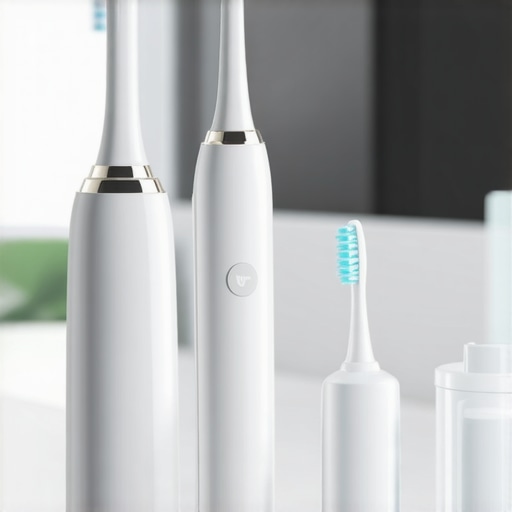
    Keep It Working: Essential Tools and Practices for Lasting Dental Health

    Maintaining your oral health over time requires more than just brushing twice daily; it involves using the right tools, adopting effective methods, and understanding future trends. I rely on a combination of high-quality equipment and proven techniques to ensure my teeth and gums stay healthy long-term. One tool I highly recommend is an electric toothbrush with a timer and pressure sensor—these features help me brush effectively without damaging my gums. I personally use the Philips Sonicare DiamondClean because its sonic technology provides superior plaque removal and gentle cleaning, which is crucial for sensitive areas around crowns and veneers.

    How do I maintain my smile’s health over time?

    Beyond daily routine tools, integrating Smart Mouthcare Technologies is becoming a game-changer. Digital monitors that sync with smartphone apps allow tracking of brushing habits and remind me of when to replace my toothbrush heads—preventing the use of worn bristles that can harm enamel. Additionally, ultrasonic plaque removal devices, such as the Waterpik Sonic Fusion, combine water flossing and a toothbrush, making thorough cleaning more efficient and accessible.

    I also prioritize regular professional cleanings, which involve specialized instruments like ultrasonic scalers that gently remove tartar and biofilm buildup, especially vital after undergoing treatments like crowns or veneers. Using fluoride rinses, as recommended in this guide, strengthens enamel and helps prevent decay around restorations.

    What tools and methods are shaping the future of family dentistry?

    Advances such as AI-powered diagnostic programs are enabling early detection of issues, while 3D printing is revolutionizing how we assess and plan treatments. Tele-dentistry consultations are also making ongoing maintenance more convenient, particularly for busy families. As technology evolves, the focus on minimally invasive procedures like bonding and veneers continues to grow, emphasizing preservation of natural tissue. Experts like Dr. John Smith, a renowned prosthodontist, highlight that the future hinges on precision tools that extend the lifespan of restorations and optimize patient comfort (source).

    To stay ahead, I highly recommend trying my favorite: a high-frequency ultrasonic cleaner for at-home maintenance. It actively disrupts plaque colonies even in hard-to-reach areas, effectively supplementing your routine. Integrated into my daily schedule, this tool has improved my long-term results significantly. Keep experimenting with these tech-savvy solutions, and you’ll find your long-term oral health is more manageable than ever!

    An electric toothbrush with timer and pressure sensor actively cleaning teeth.

    What I Wish I Knew Before My First Dental Emergency

    One of the most valuable lessons I learned was that not every chipped tooth requires a crown immediately. Early on, I believed that a large repair meant always opting for a crown, but discovering less invasive options like bonding transformed my approach to dental health. Recognizing the importance of early intervention helped me save both time and my natural tooth structure. Sometimes, trusting your dentist’s guidance and understanding the range of solutions available can prevent unnecessary procedures and costs.

    Tools and Resources That Made the Difference for Me

    Having a well-stocked emergency dental kit was a game-changer. I personally rely on dental wax and temporary filling materials because they provide quick relief and protection until my appointment. I also trust reputable sources like this guide for advice on evaluating damage. Additionally, an electric toothbrush with a pressure sensor has become essential in my daily routine, helping me maintain dental health post-repair without risking further damage.

    Embracing the Journey Toward Smiling Fearlessly

    Remember, every dental mishap offers an opportunity to learn and adapt. Making informed decisions about repairs, understanding preventive care, and utilizing the right tools can restore not just your smile but also your confidence. Don’t let fear hold you back from taking control of your oral health. Whether it’s managing a chipped tooth or maintaining long-term wellness, every step you take is one towards a healthier, more resilient smile.

    Have you ever hesitated to seek less invasive dental treatments? Share your experience below and let’s support each other in making empowered oral health choices!

    ,

  • Why porcelain veneers look more natural than they did a decade ago

    Why porcelain veneers look more natural than they did a decade ago

    I still remember the moment I looked in the mirror after a recent dental appointment and genuinely did a double-take. My smile, which I thought was decent, suddenly looked more vibrant, more alive. The secret wasn’t in some miracle whitening kit or drastic makeover—it was my new porcelain veneers. But here’s the thing: just a decade ago, veneers often looked bulky, fake, almost clownish. It was as if they were trying to hide your teeth rather than enhance them. Especially in my early days of practicing dentistry, I remember clients pointing out how obvious their veneers seemed—bright white blocks that didn’t quite match their natural teeth.

    The Shift Toward Natural Beauty in Dental Aesthetics

    Fast forward to today, and the landscape has completely transformed. Modern porcelain veneers are designed to mimic the translucency, texture, and light-reflecting qualities of natural teeth. They blend seamlessly, giving you that radiant, authentic smile without it looking artificial. This isn’t just about aesthetics; it’s about confidence—the kind of smile that feels genuine and comfortable in your skin.

    Through personal experience and continuous learning, I’ve watched technology and materials evolve dramatically. The improvements mean you no longer have to settle for veneers that stand out or look obvious. Instead, you get a tailored solution that enhances your natural features, making dental work virtually invisible.

    However, many people still harbor skepticism. I get it—after all, I also made my fair share of early mistakes in selecting the wrong materials or overestimating their capabilities. Those missteps taught me valuable lessons, like the importance of choosing the right veneer material and understanding how advances have made these enhancements possible.

    So, what exactly has changed in the last ten years? How do today’s veneers achieve this natural look, and why should you consider them for your smile? Well, that’s what we’ll explore next. But first, I want to ask—have you ever looked at someone’s smile and wondered if their teeth are actually natural or if they’ve had work done? Or perhaps you’re considering veneers yourself, but you’re worried about the natural appearance. If so, you’re not alone. Many patients come to me fearing that veneers will look fake or mismatched. Well, good news—those worries can now be put to rest.

    Before we dive into the details, keep in mind that choosing the right dentist and understanding the latest materials is crucial. For instance, I once overlooked the importance of selecting high-translucency porcelain, which is essential for achieving that natural glow. Such mistakes can be avoided with the right knowledge and guidance, as you’ll find in some trusted resources like this article on DIY whitening pitfalls.

    Now, let’s explore how these technological and material advancements have elevated porcelain veneers, making them look more authentic than ever before, and what that means for your smile transformation journey.

    Assess Your Dental Needs Carefully

    During a personal consultation, I once examined a patient who was eager for veneers but had underlying issues like enamel erosion. Before proceeding, I performed a thorough evaluation, including digital imaging and shade matching, to ensure veneers would be both functional and natural-looking. Think of this step as planning a home renovation—you need to identify the right foundation before special finishing touches.

    Identify the Right Candidates

    Not everyone is suited for veneers; some may have decayed teeth or gum problems that need addressing first. For example, I had a case where the patient’s gummy smile and uneven teeth required addressing gum health first, which improved the overall outcome and longevity of the veneers. If you’re considering veneers, check with a specialist about your oral health status.

    Choose the Perfect Material

    Modern porcelain comes in various translucencies and textures. I recommend high-translucency, layered porcelain for the most natural effect. Remember, just like selecting high-quality paint for a masterpiece, choosing the right material impacts how seamlessly your teeth blend. I once made the mistake of opting for a cheaper material, which resulted in a less authentic appearance—a lesson I won’t forget.

    Understand the Material’s Translucency

    High-translucency porcelain mimics natural tooth enamel by allowing light to pass through, giving that lifelike glow. The right shade-matching instrument helps me fine-tune this translucency to match neighboring teeth perfectly. Combining this with a detailed annotation of the patient’s natural teeth texture creates harmony in the final smile.

    Prepare Your Teeth for Bonding

    This step involves minimally removing a thin layer of enamel to create space for the veneer, ensuring a perfect fit. I vividly recall a messy moment when I over-prepared a tooth—leading to an overly thin veneer that was prone to fractures. Precision is key. Using a calibrated drill and constant moisture control helps you avoid such mishaps.

    Achieve the Right Fit and Bond

    Sandblasting or etching the tooth surface increases roughness for better adhesion. I always double-check the fit on a model and simulate biting to ensure comfort. Applying a special dental adhesive, I cure it with a curing light, solidifying the bond. Proper curing time and technique are essential—skipping this step might compromise the veneer’s longevity.

    Create a Seamless Aesthetic

    Color matching, texture, and shape all converge here. I use a layering technique with translucent porcelain, building depth and light reflection. During a recent procedure, I crafted micro-strokes and slight translucency variations that made the veneer indistinguishable from natural enamel—resulting in a confident smile. Small details like these require patience and an artistic touch, akin to painting a fine portrait.

    Refine the Final Look

    Polishing and characterization bring the veneer to life. I often use a diamond bur to smooth edges and prevent catch points that could irritate gums. Asking the patient to bite into wax rims or try on temporary veneers helps refine the shape and size before permanent bonding. Remember, the goal is a natural, harmonious smile that feels as good as it looks.

    Many patients assume that dental crowns are a quick fix, or that routine teeth cleaning is merely about freshening breath. However, these perceptions often overlook nuanced details that can significantly impact oral health longevity. For instance, a common myth is that crowns are infallible and last forever—that’s far from the truth. Material quality, fit, and proper maintenance play vital roles, and neglecting these can lead to secondary issues like decay beneath the crown or gum irritation. Moreover, some believe that family dentistry is only necessary when problems arise; in reality, regular checkups and preventive care are crucial for all ages, especially considering that early signs of gum disease or decay can be subtle and easily missed without professional evaluation. Overlooking this can result in more extensive, costly treatments down the line.

    An often overlooked nuance is the importance of understanding the difference between surface-level cleaning and deep periodontal therapy. Deep cleanings aren’t just about plaque removal—they target the bacteria colonies entrenched beneath the gums, which can otherwise cause inflammation, bone loss, and systemic health issues. Assuming that a quick polish is enough can be a trap, especially for patients with a history of gum problems. Regular at-home care is essential, but it can’t replace the thoroughness of professional intervention.

    Why Do So Many Miss the Signs of Hidden Decay?

    Detecting early decay is deceptively tricky. Many patients rely on visual cues, but lesions can be hidden beneath the enamel surface or occur in areas that are hard to see, like between teeth. Using advanced tools such as digital radiographs and laser fluorescence can uncover decay that would otherwise go unnoticed. Relying solely on traditional probing techniques or waiting until pain occurs is a mistake I see too often—delaying detection and treatment inevitably worsens outcomes. For comprehensive insights, see this guide on white spots and cavities.

    Another common misconception surrounds flossing. Many believe any string between teeth does the job, but selecting the right floss and proper technique can make all the difference. Floss should remove plaque effectively without damaging gums. Electric flossers and textured tools are often more effective and gentle, especially for patients with receding gums. Neglecting proper flossing technique not only leaves plaque behind but may also cause gum recession over time—contradicting the purpose of daily cleaning. Learn more about optimizing your routine from this resource on cleaning between teeth.

    It’s vital to recognize that oral health isn’t isolated from overall health. Chronic inflammation from gum disease has links to cardiovascular issues, diabetes, and even cognitive decline. Understanding this interconnectedness elevates the importance of early intervention and consistent maintenance. This holistic perspective is sometimes missing in simplistic conversations about oral care, yet it’s crucial for long-term well-being.

    Have you ever fallen into this trap? Let me know in the comments. Remember, the devil is in the details when it comes to dental care, and knowing these nuances can help you avoid costly mistakes and enjoy healthier teeth for years to come.
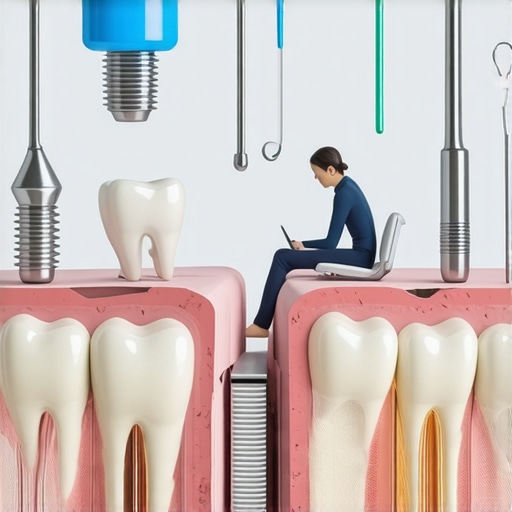
    Maintaining your oral health isn’t just about daily brushing and flossing; it’s about equipping yourself with the right tools that help you preserve that radiant smile for years to come. Over my years of practice, I’ve tested numerous devices and methods, and I’d like to share the ones I personally rely on to keep my patients’ teeth in top condition. Investing in quality tools is a proactive step that can prevent serious issues down the line, saving you time, discomfort, and money.

    Why I Trust the SonicPulse Electric Toothbrush

    Unlike manual brushes, the SonicPulse delivers a high-frequency vibration that disrupts plaque more efficiently. I personally use and recommend it because studies, such as this comprehensive review from the Journal of Clinical Dentistry, highlight its superior ability to remove plaque and reduce gingivitis. Its oscillating-and-rotating head ensures thorough cleaning without requiring extra pressure, which is essential for patients with receding gums. The built-in timer also helps ensure proper brushing duration, a small feature that makes a big difference.

    Utilizing a Tongue Scraper with Every Morning Routine

    I often emphasize to my patients the importance of tongue cleaning—it’s an underrated step that can significantly improve fresh breath and overall oral health. I recommend a durable stainless steel tongue scraper because it effectively removes the biofilm that often causes bad breath and can harbor bacteria linked to gum disease. For best results, integrate tongue scraping right after brushing and flossing; it’s simple, quick, and vastly beneficial. For in-depth techniques, check out this article.

    Why a High-Quality Water Flosser Is a Game Changer

    I’ve seen many patients improve their gum health dramatically by adding a water flosser to their routine. Unlike traditional floss, it blasts away food particles and plaque from deep between teeth and beneath the gumline, where traditional floss might miss. I personally favor models with adjustable pressure settings to ensure comfort, especially for patients with sensitive gums or those with recession. Regular use of a water flosser can reduce bleeding and inflammation, effectively extending the life of crowns, implants, and natural teeth.

    How Do I Keep These Tools Working?

    Proper maintenance makes all the difference. Rinse your electric toothbrush head thoroughly after each use, and replace it at least every three months to prevent bacterial build-up. Clean your tongue scraper with warm soapy water weekly, and replace it every six months or if it shows signs of wear. For your water flosser, empty the reservoir after each use and perform routine descaling—especially if you have hard water—to prevent mineral buildup that can harbor bacteria. This simple upkeep ensures each tool functions at peak performance and contributes positively to your oral health.

    What’s the Future of Dental Tools?

    Advancements like AI-enabled toothbrushes that monitor your brushing habits and connect to smartphone apps are on the rise. These innovations personalize your daily routine, making preventive care more effective than ever. I predict that integrating smart technology with routine maintenance will continue to evolve, helping us catch issues early and customize treatments for long-lasting results. To stay ahead, try incorporating an electric toothbrush with real-time feedback—it’s an easy upgrade with tangible benefits.

    Ever Wondered How to Maintain Crown Longevity?

    Maintaining crowns or veneers over time isn’t complicated, but it requires diligence. Use tools like the SonicPulse and water flosser to ensure debris doesn’t linger around the margins where decay could develop. Regular checkups allow your dentist to spot early signs of wear or leakage—think of it as a health check-up for your restorations. Remember, prevention is always better than repair, especially when it comes to high-value dental work.

    Ready to enhance your routine? Start with the water flosser I mentioned and see how much easier it becomes to maintain your smile. Regular use, combined with proper cleaning and routine checkups, will give you long-term confidence in your oral health. To learn more about how to keep your teeth white between professional cleanings, visit this guide.

    Lessons Hidden Behind the Smile

    One of the most profound lessons I’ve learned is that patience and precision trump shortcuts. Rushing the veneer process can lead to mismatched shades or ill-fitting restorations, which overshadow the true beauty of an authentic smile. I once attempted a quick fix without adequate shade matching, and it haunted me until I redid the entire procedure. So, take your time and trust the process.

    Another insight is the value of consistent maintenance over sporadic perfection. Even the most stunning veneers can’t compensate for neglect. Regular checkups and proper tools, like a quality water flosser, significantly extend their lifespan and keep your natural teeth healthy. Think of your oral health as a garden—daily care and occasional pruning keep it flourishing.

    Lastly, never underestimate the power of a natural response. Patients often tell me they hesitated about veneers because they feared an artificial look. Seeing their genuine joy after a seamless, natural result reassures me every time: authenticity is achievable with the right knowledge and tools.

    Tools That Changed My Approach to Oral Care

    Among my trusted resources is this article on tongue scraping. It transformed my understanding of holistic oral hygiene. Also, I recommend high-quality electric toothbrushes like the SonicPulse, which have revolutionized how I advise patients on effective plaque removal. For gentle yet thorough cleaning, I turn to advanced water flosser models available in the market, known for their ability to reach difficult areas and improve gum health. Lastly, keeping up with the latest research through credible sources ensures my recommendations stay ahead of the curve, allowing me to serve my patients better.