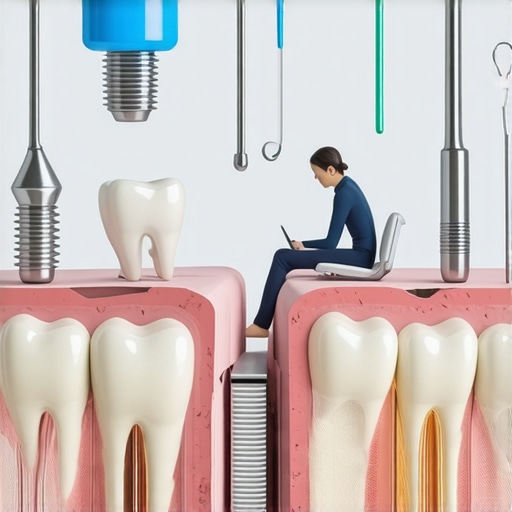
I remember the moment vividly: I had just finished a quick bite and looked into the mirror. To my shock, I noticed a discolored, uneven crown where a shiny new implant should have been. Suddenly, what seemed like a savvy, cost-saving decision turned into a headache I hadn’t anticipated. That experience was a lightbulb moment for me. I realized that opting for cheap dental implants abroad might seem like a smart money move upfront, but it can come with hidden costs that far outweigh the savings.
Why Saving Money Can Cost You More Than You Think
When families consider dental work abroad, the goal is usually to save money. But the truth is, cheap implants often mean sacrificing quality—a gamble that can lead to complications like implant failure, infection, or damaged neighboring teeth. These issues can be incredibly costly, both financially and emotionally. According to the American Dental Association, poor-quality implants can lead to added treatments, increased discomfort, and even the need to redo the surgery altogether.
Is Cutting Corners Worth It in Dental Care?
My early mistake was thinking that all implants are pretty much the same. I trusted the price tag more than I trusted my dentist’s expertise. That was a mistake. I learned the hard way that affordable doesn’t always mean good, especially when it involves your oral health. Ensuring that your implant is placed correctly and with high-quality materials is crucial for long-term success. Better outcomes come from experienced surgeons who prioritize proper planning and aftercare, which can make all the difference in your smile’s durability and aesthetics.
If you’re contemplating dental work abroad to cut costs, ask yourself: Are you prepared for the possible additional expenses when things go wrong? Or better yet, let’s explore how you can make an informed decision that protects your health and wallet in the long run.
Next steps: Protect Yourself and Your Smile
Now that I’ve shared my experience, let’s look at some practical steps to avoid falling into the trap of cheap, low-quality implants. Knowing what to look for, understanding the importance of comprehensive care, and choosing experienced professionals are key to ensuring your investment pays off. But before we dive into those tips, I want to address one common skepticism — is it really worth spending more on quality? The following section will shed light on why the old adage “You get what you pay for” is especially true when it comes to dental implants.
If you’ve ever faced the dilemma of choosing between affordability and quality, you’re not alone. Keep reading to find out how to make smarter choices that safeguard your smile and your health for years to come.
Prioritize Professional Evaluation First
Before considering any cosmetic or restorative procedure, schedule a comprehensive consultation with a qualified dentist experienced in family dentistry. During this visit, the dentist will evaluate your oral health, take necessary X-rays, and discuss personalized treatment options. I once skipped this step and immediately opted for a cheap crown online, which led to fit issues and discomfort. Now, I always insist on professional assessment to prevent costly mistakes. Learn more about family dentistry.
Choose High-Quality Materials and Techniques
Invest in restorations made from durable, biocompatible materials like porcelain or zirconia. When I needed a crown, I researched materials that replicate natural tooth translucency and ensured the lab used CAD/CAM technology for precise fitting. This prevented issues like chipping or shade mismatch. Always ask your dentist for material options and verify their experience with advanced techniques. For deeper insights, visit crown explanations.
Demand an Exact Fitting Process
Accurate fitting is crucial to avoid long-term problems. During my last crown placement, I insisted on a meticulous process—impressions were double-checked and try-in steps were observed to catch misalignments immediately. Poorly fitted crowns can cause bite issues and wear down adjacent teeth quickly. Ensure your dentist uses digital scans rather than traditional molds, and don’t hesitate to ask about the fitting procedure. For more on achieving perfect fit, see fitting tips.
Emphasize Aftercare and Regular Maintenance
Once your crown or implant is in place, maintenance determines longevity. I learned this after neglecting regular cleaning; plaque buildup under the crown caused gum inflammation. Daily brushing with an electric toothbrush, flossing, and periodic check-ups are vital. I now use interdental brushes and a water flosser to clean hard-to-reach areas, which has extended the life of my restorations. Don’t forget to schedule routine professional cleanings—think of it as car maintenance for your smile. Discover essential aftercare routines here.
Maintain Ongoing Communication with Your Dental Team
Good communication ensures prompt resolution of any issues. After my first crown, I noticed slight sensitivity but ignored it. Eventually, it worsened and required redoing. Now, I immediately consult my dentist if I experience discomfort or changes. Keep track of your symptoms, ask questions, and follow recommended care instructions diligently. Remember, your dentist is your partner in long-term oral health. Read more about working effectively with your dental team.
Understand the Link Between Oral Hygiene and Restoration Success
High-quality restorations rely heavily on excellent oral hygiene. I adopted a daily routine that includes brushing twice, flossing, and using a mouth rinse. Regular visits prevent tartar buildup and detect early issues. Think of your teeth and crowns as a garden—you need consistent watering and pruning. For detailed tips, explore daily oral routines.
Many people assume that brushing twice a day and flossing regularly are enough for optimal oral health. However, this oversimplification can lead to overlooked nuances and common myths that compromise long-term dental success. Let’s dig deeper into what most get wrong about teeth cleaning, family dentistry, and crowns, and how understanding these nuances can make a significant difference in your oral wellness.
First, a widespread misconception is that aggressive brushing is beneficial for removing plaque. Actually, brushing too hard can erode enamel and cause gum recession, exposing sensitive roots and increasing cavity risk. Using a soft-bristled toothbrush and gentle, circular motions are far more effective and protective. For expert-backed guidance, visit this detailed article.
Another nuance often missed involves the role of personal habits and appliance care. Many believe that once a crown is placed, regular maintenance isn’t critical beyond brushing. In reality, failing to clean around crowns properly can lead to decay at the margins, gum inflammation, or even crown failure. Incorporating interdental brushes and water flossers can enhance cleanliness and longevity. For comprehensive tips, see this resource.
Are flossing techniques as crucial as we think?
It’s tempting to think that any flossing is enough, but the technique can determine the effectiveness. Incorrect flossing—such as snapping it between teeth or avoiding the gumline—can cause gum injury without removing plaque effectively. Learning proper flossing, including gentle curving around each tooth and beneath the gumline, is vital. Studies support that meticulous flossing reduces the risk of periodontal disease more than sloppy practices. Check out this guide for mastery tips.
Now, let’s address a trap many unwittingly fall into: neglecting the importance of professional cleanings. Some believe daily home care suffices, dismissing the need for biannual visits. But professional cleanings remove tartar buildup that can’t be brushed away, and they allow early detection of issues like cavities or receding gums. Regular check-ups are not just about aesthetics—they are investments in your overall health. Discover more at this insightful article.
Lastly, advanced patients often overlook the importance of understanding the material and fit of their crowns. Poorly fitted crowns can cause uneven wear, bite problems, or even nerve damage. Modern techniques, like CAD/CAM technology, ensure precise fit and surface contours. For a deep dive into selecting the right crowns, visit this detailed explanation.
Remember, mastering these nuances not only preserves your smile but also saves you from costly re-treatments down the line. Engaging with your dental team, asking informed questions, and committing to proper techniques can significantly improve your oral health. Have you ever fallen into this trap? Let me know in the comments.
Keeping It Working: Essential Tools and Techniques for Long-Term Success
Achieving a healthy, long-lasting smile isn’t just about the initial dental work; it’s about maintaining it with precision and care over time. One of my top recommendations is investing in an electric toothbrush with a timer and pressure sensor. I personally use the Philips Sonicare DiamondClean because it gently yet effectively removes plaque without damaging enamel, especially around crowns and delicate restorations. Regular mechanical cleaning is complemented by high-quality interdental brushes, which I favor for reaching tight spaces that floss might miss. These tools are vital for preventing the buildup of plaque at crown margins and around implants, reducing the risk of gum inflammation and decay.
In addition to physical tools, modern software aids in monitoring your oral health. I rely on my dentist’s digital platform to review photographs and X-rays slightly more frequently than annual check-ups, allowing early detection of subtle changes. Ideally, future trends will further integrate AI-driven diagnostics, offering personalized maintenance plans based on your specific oral microbiome and wear patterns, thus making long-term care even more proactive.
How do I maintain my restorations and oral health over time?
Consistent routine, professional evaluations, and proper tools are essentials. For crowns, I follow the guidelines highlighted in this resource to ensure longevity. Regular cleaning around restorations prevents decay at margins and maintains gum health, while periodic professional cleanings help address tartar buildup that home tools can’t effectively remove. Staying vigilant with daily habits and consulting with your dentist about any changes can prevent small issues from escalating into costly repairs. Remember, personalized strategies—like tailored oral hygiene routines—are the cornerstone of durable results, especially for complex restorations like crowns or implants. For more detailed practices, visit this comprehensive guide. To stay ahead, consider using an ultrasonic scaler at home and schedule regular professional evaluations to monitor the health of your restorations and tissue support.
In my experience, implementing specific tools and routines has extended the life of my dental work significantly. Try incorporating an interdental brush beneath your crown margins or setting a reminder for biannual check-ups. This proactive approach is essential for preventing issues and ensuring your investment remains intact for years to come.
Visualize your routine with an image of advanced dental tools like ultrasonic scalers, interdental brushes, and digital monitoring apps. Alt text: Modern dental tools and technology for maintaining crowns and oral health. Title: Cutting-edge tools for long-term dental care.
The Biggest Wake-Up Call I Didn’t Expect
One of the most valuable lessons I learned about dental care was realizing that shortcuts often lead to setbacks. It took me experiencing a flawed crown placement—something I initially thought was a minor expense cut—to understand the true cost of choosing cheap solutions. That mistake transformed my approach to oral health, pushing me to prioritize quality over cost in all future decisions.
Lessons That Changed My Perspective on Dental Investments
- Quality Materials Are Worth the Extra Cost: Opting for durable, biocompatible materials like zirconia can vastly improve longevity and aesthetics. Rushing for cheaper options often results in frequent repairs or replacements.
- Proper Fit Is Non-Negotiable: A crown or implant that isn’t precisely fitted can cause discomfort, bite issues, and accelerated wear. Modern technologies like CAD/CAM help ensure that every restoration fits flawlessly, saving you hassle down the line.
- Aftercare Is Where the Real Battle Is Won: Regular maintenance using the right tools—like interdental brushes and water flossers—has been pivotal in preserving my restorations and preventing issues that could be costly and painful.
- Communication with Your Dentist Can Save You Money: Asking questions about materials, techniques, and aftercare routines fosters transparency and ensures you’re making informed decisions tailored to your long-term health.
- Consistency Outperforms Occasional Efforts: Developing a daily routine of gentle brushing, proper flossing, and routine check-ups keeps your smile healthy beyond the initial treatment, ultimately saving time and money.
Tools That Keep My Smile in Top Shape
I rely on a few key tools to maintain my dental work effectively. An electric toothbrush like the Philips Sonicare DiamondClean provides gentle yet thorough cleaning, especially around crowns and implants. High-quality interdental brushes help reach tight spaces, preventing plaque buildup at critical margins. Additionally, digital monitoring platforms from my dentist’s office allow me to stay ahead of potential issues, making proactive care much easier. For practical tips on maintaining your crowns, check this guide.
Keep Your Promise to Your Smile
Investing in high-quality dental care is a commitment that pays dividends over the long haul. By choosing experienced professionals, understanding the importance of precision in fit and materials, and adopting diligent maintenance routines, you’re actively safeguarding your confidence and oral health. Don’t let cost-cutting choices undermine your smile’s future—embrace informed decision-making and ongoing care.
What has been your biggest realization when it comes to choosing between affordability and quality in dental treatments? Share your experience below and let’s inspire each other to prioritize lasting health over fleeting savings.