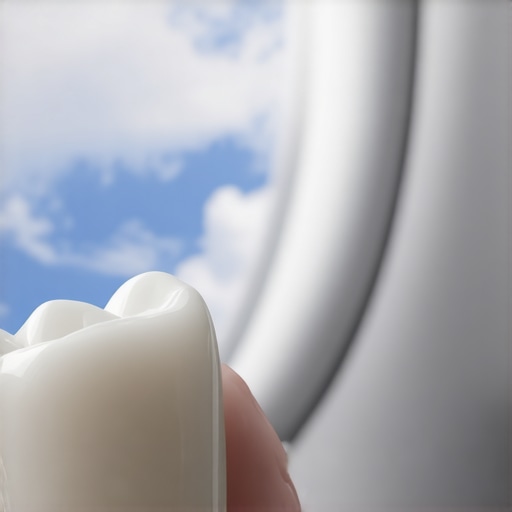
I’ll never forget the flight back from Seattle three years ago. I’d just treated myself to a giant latte at the airport, settled into my cramped middle seat, and by the time we hit 30,000 feet, I felt it. A slow, thumping pressure right on my lower left molar. It felt like my dental crown was suddenly a size too small, squeezing my tooth like a pair of skinny jeans after a holiday dinner. I panicked. I spent the next three hours poking at it with my tongue, convinced it was about to launch across the cabin. Looking back, I realized I was making a classic traveler’s mistake by not understanding how air pressure toys with our dental work. Today, I’m going to walk you through exactly why this happens and how you can find relief before you even reach baggage claim. [image_placeholder]
The Science Behind the Squeeze
It sounds like science fiction, but your mouth is actually a tiny barometer. When you’re soaring through the clouds, the cabin pressure drops, causing tiny pockets of air trapped under your dental work to expand. This phenomenon is known as barodontalgia, or “flyer’s toothache.” According to a study published by the Journal of Conservative Dentistry, pressure changes can actually cause pain in teeth with restorations, even if there’s no visible decay. In my early days of dealing with dental work, I made the mistake of thinking I could just “tough it out” or, worse, use a toothpick to check the seal while in the air. Trust me, never use a toothpick as a dental tool because you’ll likely just irritate your gums further. The tightness isn’t usually a sign that your dentist messed up, but rather a sign that your body is reacting to the environment. Proper maintenance of your dental crowns is key, but even the best-fitted crown can feel the squeeze if there’s a microscopic gap.
Is This Feeling Just All in My Head?
You might be sitting there wondering if you’re just sensitive or if everyone else on the plane is secretly suffering too. You aren’t crazy. That “tight” sensation is a physical response. If you’ve ever felt your new crown feel cold when you breathe, you know how sensitive these areas can be. When the air expands, it pushes against the nerves in your tooth. Have you ever felt that sudden, sharp pressure while the “Fasten Seatbelt” sign was on? It’s a common frustration that rarely gets discussed in travel brochures.
Why Altitude Targets Your Dental Work
The reason this happens is usually tied to a tiny bit of trapped air or even the way your gums react to the dry cabin air. If your oral health isn’t in top shape, these symptoms can be amplified. I’ve found that staying consistent with expert advice on crowns and cleaning helps minimize the chances of microscopic gaps where air can hide. If you’re already on the ground and still feeling the pinch, it’s time to look at soft foods and gentle care. Stick to the best foods to eat after getting a dental crown, like yogurt or lukewarm soup, to avoid aggravating the area while the pressure equalizes. Have you ever felt your teeth acting up while traveling?
Manage the Pressure Before You Land
Once you feel that tell-tale squeeze at 30,000 feet, your priority should be to stabilize the area and reduce the immediate physical stress on your gums. The tight sensation often stems from inflammation meeting atmospheric change. I learned this the hard way on a six-hour red-eye to London. In my desperation, I tried drinking ice-cold water, thinking it would numb the pain. Big mistake. The cold caused my crown to contract slightly while the trapped air pocket remained the same, making the pressure feel twice as intense. Instead, ask the flight attendant for a cup of lukewarm tea. Holding the warm liquid in your mouth for a few seconds can help relax the periodontal ligaments and the tiny blood vessels around the crown. Think of it like stretching out a tight pair of shoes; the warmth provides a bit of ‘give’ to the surrounding tissue, allowing the tooth to settle without that sharp, pinching sensation.
Seal the Gaps with Better Daily Care
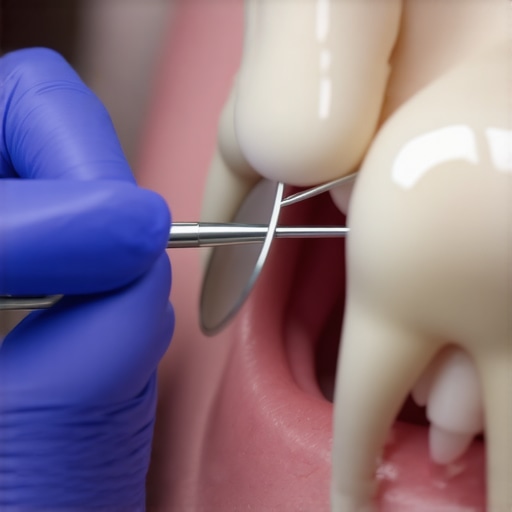
The most effective fix for ‘flyer’s toothache’ isn’t actually found in the air; it starts at your bathroom mirror. If air is getting trapped under your dental work, it often means the seal on your restoration is slightly compromised or your gums are not as healthy as they could be. Establishing a solid oral health routine is your first line of defense against pressure changes. When your gums are healthy and snug against the base of the crown, there is significantly less chance for external air pressure to find a way into microscopic gaps.
Invest in Professional Maintenance
In the world of family dentistry, regular visits are essentially ‘hardware checks’ for your crowns. If you haven’t had a professional cleaning in over six months, plaque buildup can cause minor gum inflammation that you might not even notice on the ground. However, that inflammation creates the very gaps that expand in the air. By prioritizing the impact of regular teeth cleaning on overall oral wellness, you ensure that the interface between your natural tooth and the crown remains as airtight as possible. It is like checking the seals on a submarine before you dive; you want everything watertight before the environment changes.
Keep Your Hardware Shiny and Secure
Maintaining dental work requires more finesse than caring for natural teeth. You should focus on caring for crowns by using non-abrasive pastes and soft-bristled brushes. I once made the mistake of using a ‘heavy-duty’ whitening paste right before a trip, thinking I’d have a perfect smile for vacation photos. Instead, the abrasive chemicals irritated the margin of my crown, and the subsequent flight was miserable because my gums were already tender. Stick to gentle, consistent habits to maintain the integrity of the dental cement and the health of the surrounding tissue.
Fix the Foundation of Your Smile
A crown is only as strong as the foundation underneath it. If you neglect the general health of your mouth, you are essentially building a house on shifting sand. I have found that following oral health tips every family should follow keeps everyone’s restorations in top shape for travel. For example, switching to interdental brushes helped me reduce the pocket depth around my molars, which completely eliminated that ‘squeezing’ feeling on my last three flights. Consistency in cleaning ensures that no bacteria can weaken the bond that keeps the air out.
Your Crown Is Not a Suit of Armor
Most people assume that once a crown is cemented in place, that tooth is ‘safe’ forever. This is perhaps the most dangerous misconception in family dentistry. In my experience, treating a crown like an indestructible shield is exactly what leads to premature failure. The crown itself won’t decay, sure, but the tiny sliver of natural tooth where the ceramic meets the gum—the margin—is actually more vulnerable than a healthy, untouched tooth. The contrarian view here is that a crowned tooth actually requires more meticulous care than a natural one, not less, because that margin is a magnet for microscopic debris.
Ditch the Whitening Paste to Save Your Seal
Here is the ‘Oops’ factor I see most often: the ‘over-cleaner.’ Many people feel that because they have an artificial surface, they need to scrub harder to keep it shiny. This is one of the 5-dental-habits-that-are-actually-ruining-your-enamel. Abrasive whitening pastes act like sandpaper on the dental cement at the margin. This can cause the seal to fail years earlier than intended. Why hard brushing actually makes your teeth look darker is a lesson many learn too late; as you wear down the surrounding natural enamel and irritate the gums, the crown can start to look like an island in a receding sea of red, inflamed tissue. 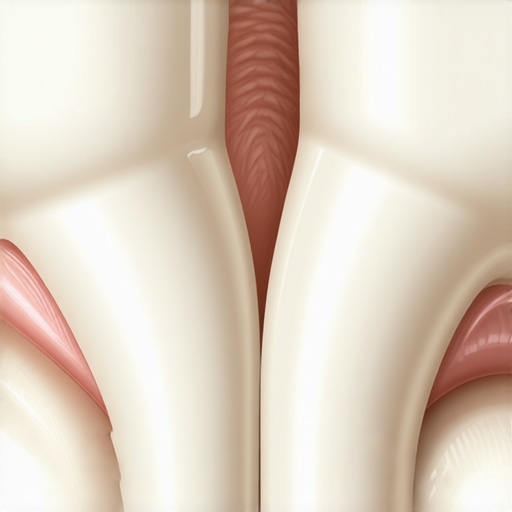
Can a Crowned Tooth Still Get a Cavity?
Absolutely, and it is much harder to detect than a standard one. This is known as secondary or recurrent caries. A study published in the International Journal of Dentistry highlights that marginal leakage—the microscopic breakdown of the bond between tooth and crown—is the leading cause of restoration failure. Because the crown covers the top of the tooth, you often won’t see the decay during a casual mirror check. You might only realize there is a problem when the reason your tooth hurts only when you bite down hard becomes an everyday occurrence. By the time you feel it, the decay is often deep. This is why expert advice on crowns and teeth cleaning for lasting results isn’t just about aesthetics; it is about preventing a total loss of the tooth structure underneath.
Clean the Interface Not Just the Surface
If you have ever noticed the hidden reason your teeth feel fuzzy after lunch, you are feeling the early stages of biofilm formation. On a crown, that ‘fuzzy’ layer is even more dangerous because it concentrates at the gum line where it can compromise the cement. Instead of broad strokes, use a soft brush at a 45-degree angle to focus on the gum line specifically during your oral health routine. This technique is one of the secrets to making your professional cleaning last longer. It ensures you are disrupting the bacteria right at the ‘interface’ where the crown meets the tooth, which is exactly where air gets trapped during those painful flights. Have you ever fallen into the ‘harder is better’ trap when brushing your dental work? Let me know in the comments below!
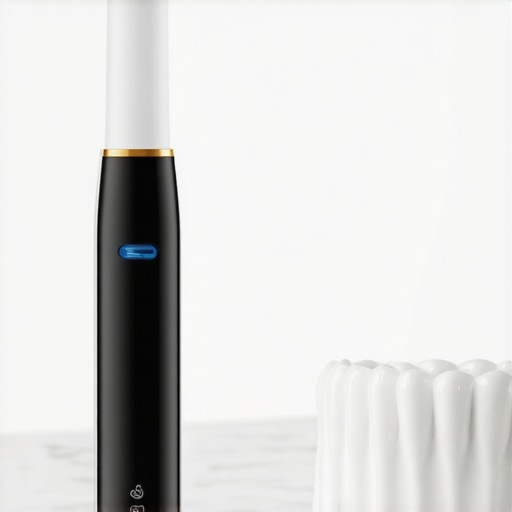
I used to think my hands were steady enough for a manual brush until I saw a high-definition scan of my gum line at my last checkup. Now, I swear by a sonic toothbrush with a built-in pressure sensor. Why? Because these sensors are the only thing standing between me and the receding gums that cause so much trouble in the air. A meta-analysis published by the Cochrane Library found that powered toothbrushes show a statistically significant reduction in plaque and gingivitis compared to manual brushing over both the short and long term. For those of us with crowns, especially if you have zirconia crowns on back molars, this technology isn’t just a luxury; it is a necessity to protect the margin from the ‘micro-leakage’ we discussed earlier.
Let the Micro-Bubbles Protect Your Investment
The real secret to my pain-free flights lately has been my transition to a water flosser. I use it on a medium-low setting specifically to flush out the subgingival area where trapped air and bacteria love to hide. It is far more effective at reaching the ‘interface’ than standard string if your teeth are tightly packed. If you are traveling, I highly recommend learning the proper way to use interdental brushes; they are my go-to for road trips because they don’t require a power outlet and can clear out a popcorn hull before it triggers inflammation. These tools ensure that when you hit 30,000 feet, there is no debris left to expand and cause that thumping pressure.
Stop the Squeeze with Smarter Home Tech
Another tool I personally use is a custom-fitted night guard. If you tend to grind your teeth, you are putting incredible lateral pressure on your dental work, which can micro-fracture the cement seal over time. I found that when I learned how to stop clenching your teeth when you are stressed, my ‘flyer’s toothache’ symptoms almost vanished. The stress of travel often makes us clench more, so protecting that crown at night is vital for its long-term survival. In the near future, I suspect we will see smart brushes that use AI to detect chemical changes in our saliva, alerting us to a failing seal before we even book a flight.
How do I keep my dental work healthy for the long haul?
Longevity is the name of the game in family dentistry. To keep your work working, you need to think of your mouth as a high-performance engine that requires regular ‘oil changes’ in the form of professional cleanings. Following the maintaining your dental crowns dos and donts for best results isn’t just about what you do at the sink; it is about the tools you choose. I recommend using a pH-neutral mouthwash to avoid eroding the dental cement. High-acid rinses can slowly dissolve the bond over years, leading to the very gaps that let air in during flight. My advanced tip for you tonight: Instead of a quick scrub, spend a full thirty seconds just on the margins of your crowned teeth using the lowest power setting on a sonic brush to disrupt the biofilm without irritating the tissue.
I’ll never forget the flight back from Seattle three years ago. I’d just treated myself to a giant latte at the airport, settled into my cramped middle seat, and by the time we hit 30,000 feet, I felt it. A slow, thumping pressure right on my lower left molar. It felt like my dental crown was suddenly a size too small, squeezing my tooth like a pair of skinny jeans after a holiday dinner. I panicked. I spent the next three hours poking at it with my tongue, convinced it was about to launch across the cabin. Looking back, I realized I was making a classic traveler’s mistake by not understanding how air pressure toys with our dental work. Today, I’m going to walk you through exactly why this happens and how you can find relief before you even reach baggage claim. [image_placeholder]
The Science Behind the Squeeze
It sounds like science fiction, but your mouth is actually a tiny barometer. When you’re soaring through the clouds, the cabin pressure drops, causing tiny pockets of air trapped under your dental work to expand. This phenomenon is known as barodontalgia, or “flyer’s toothache.” According to a study published by the Journal of Conservative Dentistry, pressure changes can actually cause pain in teeth with restorations, even if there’s no visible decay. In my early days of dealing with dental work, I made the mistake of thinking I could just “tough it out” or, worse, use a toothpick to check the seal while in the air. Trust me, never use a toothpick as a dental tool because you’ll likely just irritate your gums further. The tightness isn’t usually a sign that your dentist messed up, but rather a sign that your body is reacting to the environment. Proper maintenance of your dental crowns is key, but even the best-fitted crown can feel the squeeze if there’s a microscopic gap.
Is This Feeling Just All in My Head?
You might be sitting there wondering if you’re just sensitive or if everyone else on the plane is secretly suffering too. You aren’t crazy. That “tight” sensation is a physical response. If you’ve ever felt your new crown feel cold when you breathe, you know how sensitive these areas can be. When the air expands, it pushes against the nerves in your tooth. Have you ever felt that sudden, sharp pressure while the “Fasten Seatbelt” sign was on? It’s a common frustration that rarely gets discussed in travel brochures.
Why Altitude Targets Your Dental Work
The reason this happens is usually tied to a tiny bit of trapped air or even the way your gums react to the dry cabin air. If your oral health isn’t in top shape, these symptoms can be amplified. I’ve found that staying consistent with expert advice on crowns and cleaning helps minimize the chances of microscopic gaps where air can hide. If you’re already on the ground and still feeling the pinch, it’s time to look at soft foods and gentle care. Stick to the best foods to eat after getting a dental crown, like yogurt or lukewarm soup, to avoid aggravating the area while the pressure equalizes. Have you ever felt your teeth acting up while traveling?
Manage the Pressure Before You Land
Once you feel that tell-tale squeeze at 30,000 feet, your priority should be to stabilize the area and reduce the immediate physical stress on your gums. The tight sensation often stems from inflammation meeting atmospheric change. I learned this the hard way on a six-hour red-eye to London. In my desperation, I tried drinking ice-cold water, thinking it would numb the pain. Big mistake. The cold caused my crown to contract slightly while the trapped air pocket remained the same, making the pressure feel twice as intense. Instead, ask the flight attendant for a cup of lukewarm tea. Holding the warm liquid in your mouth for a few seconds can help relax the periodontal ligaments and the tiny blood vessels around the crown. Think of it like stretching out a tight pair of shoes; the warmth provides a bit of ‘give’ to the surrounding tissue, allowing the tooth to settle without that sharp, pinching sensation.
Seal the Gaps with Better Daily Care
The most effective fix for ‘flyer’s toothache’ isn’t actually found in the air; it starts at your bathroom mirror. If air is getting trapped under your dental work, it often means the seal on your restoration is slightly compromised or your gums are not as healthy as they could be. Establishing a solid oral health routine is your first line of defense against pressure changes. When your gums are healthy and snug against the base of the crown, there is significantly less chance for external air pressure to find a way into microscopic gaps.
Invest in Professional Maintenance
In the world of family dentistry, regular visits are essentially ‘hardware checks’ for your crowns. If you haven’t had a professional cleaning in over six months, plaque buildup can cause minor gum inflammation that you might not even notice on the ground. However, that inflammation creates the very gaps that expand in the air. By prioritizing the impact of regular teeth cleaning on overall oral wellness, you ensure that the interface between your natural tooth and the crown remains as airtight as possible. It is like checking the seals on a submarine before you dive; you want everything watertight before the environment changes.
Keep Your Hardware Shiny and Secure
Maintaining dental work requires more finesse than caring for natural teeth. You should focus on caring for crowns by using non-abrasive pastes and soft-bristled brushes. I once made the mistake of using a ‘heavy-duty’ whitening paste right before a trip, thinking I’d have a perfect smile for vacation photos. Instead, the abrasive chemicals irritated the margin of my crown, and the subsequent flight was miserable because my gums were already tender. Stick to gentle, consistent habits to maintain the integrity of the dental cement and the health of the surrounding tissue.
Fix the Foundation of Your Smile
A crown is only as strong as the foundation underneath it. If you neglect the general health of your mouth, you are essentially building a house on shifting sand. I have found that following oral health tips every family should follow keeps everyone’s restorations in top shape for travel. For example, switching to interdental brushes helped me reduce the pocket depth around my molars, which completely eliminated that ‘squeezing’ feeling on my last three flights. Consistency in cleaning ensures that no bacteria can weaken the bond that keeps the air out.
Your Crown Is Not a Suit of Armor
Most people assume that once a crown is cemented in place, that tooth is ‘safe’ forever. This is perhaps the most dangerous misconception in family dentistry. In my experience, treating a crown like an indestructible shield is exactly what leads to premature failure. The crown itself won’t decay, sure, but the tiny sliver of natural tooth where the ceramic meets the gum—the margin—is actually more vulnerable than a healthy, untouched tooth. The contrarian view here is that a crowned tooth actually requires more meticulous care than a natural one, not less, because that margin is a magnet for microscopic debris.
Ditch the Whitening Paste to Save Your Seal
Here is the ‘Oops’ factor I see most often: the ‘over-cleaner.’ Many people feel that because they have an artificial surface, they need to scrub harder to keep it shiny. This is one of the 5-dental-habits-that-are-actually-ruining-your-enamel. Abrasive whitening pastes act like sandpaper on the dental cement at the margin. This can cause the seal to fail years earlier than intended. Why hard brushing actually makes your teeth look darker is a lesson many learn too late; as you wear down the surrounding natural enamel and irritate the gums, the crown can start to look like an island in a receding sea of red, inflamed tissue.
Can a Crowned Tooth Still Get a Cavity?
Absolutely, and it is much harder to detect than a standard one. This is known as secondary or recurrent caries. A study published in the International Journal of Dentistry highlights that marginal leakage—the microscopic breakdown of the bond between tooth and crown—is the leading cause of restoration failure. Because the crown covers the top of the tooth, you often won’t see the decay during a casual mirror check. You might only realize there is a problem when the reason your tooth hurts only when you bite down hard becomes an everyday occurrence. By the time you feel it, the decay is often deep. This is why expert advice on crowns and teeth cleaning for lasting results isn’t just about aesthetics; it is about preventing a total loss of the tooth structure underneath.
Clean the Interface Not Just the Surface
If you have ever noticed the hidden reason your teeth feel fuzzy after lunch, you are feeling the early stages of biofilm formation. On a crown, that ‘fuzzy’ layer is even more dangerous because it concentrates at the gum line where it can compromise the cement. Instead of broad strokes, use a soft brush at a 45-degree angle to focus on the gum line specifically during your oral health routine. This technique is one of the secrets to making your professional cleaning last longer. It ensures you are disrupting the bacteria right at the ‘interface’ where the crown meets the tooth, which is exactly where air gets trapped during those painful flights. Have you ever fallen into the ‘harder is better’ trap when brushing your dental work? Let me know in the comments below!
I used to think my hands were steady enough for a manual brush until I saw a high-definition scan of my gum line at my last checkup. Now, I swear by a sonic toothbrush with a built-in pressure sensor. Why? Because these sensors are the only thing standing between me and the receding gums that cause so much trouble in the air. A meta-analysis published by the Cochrane Library found that powered toothbrushes show a statistically significant reduction in plaque and gingivitis compared to manual brushing over both the short and long term. For those of us with crowns, especially if you have zirconia crowns on back molars, this technology isn’t just a luxury; it is a necessity to protect the margin from the ‘micro-leakage’ we discussed earlier.
Let the Micro-Bubbles Protect Your Investment
The real secret to my pain-free flights lately has been my transition to a water flosser. I use it on a medium-low setting specifically to flush out the subgingival area where trapped air and bacteria love to hide. It is far more effective at reaching the ‘interface’ than standard string if your teeth are tightly packed. If you are traveling, I highly recommend learning the proper way to use interdental brushes; they are my go-to for road trips because they don’t require a power outlet and can clear out a popcorn hull before it triggers inflammation. These tools ensure that when you hit 30,000 feet, there is no debris left to expand and cause that thumping pressure.
Stop the Squeeze with Smarter Home Tech
Another tool I personally use is a custom-fitted night guard. If you tend to grind your teeth, you are putting incredible lateral pressure on your dental work, which can micro-fracture the cement seal over time. I found that when I learned how to stop clenching your teeth when you are stressed, my ‘flyer’s toothache’ symptoms almost vanished. The stress of travel often makes us clench more, so protecting that crown at night is vital for its long-term survival. In the near future, I suspect we will see smart brushes that use AI to detect chemical changes in our saliva, alerting us to a failing seal before we even book a flight.
How do I keep my dental work healthy for the long haul?
Longevity is the name of the game in family dentistry. To keep your work working, you need to think of your mouth as a high-performance engine that requires regular ‘oil changes’ in the form of professional cleanings. Following the maintaining your dental crowns dos and donts for best results isn’t just about what you do at the sink; it is about the tools you choose. I recommend using a pH-neutral mouthwash to avoid eroding the dental cement. High-acid rinses can slowly dissolve the bond over years, leading to the very gaps that let air in during flight. My advanced tip for you tonight: Instead of a quick scrub, spend a full thirty seconds just on the margins of your crowned teeth using the lowest power setting on a sonic brush to disrupt the biofilm without irritating the tissue.
The Most Expensive Mistake I Made with My Molars
If I could go back to that flight from Seattle, I’d tell myself that ignoring the minor ‘fuzziness’ along my gum line was the real culprit. Here are the lightbulb moments that changed how I travel: First, micro-inflammation is a trap. Even if your tooth doesn’t hurt on the ground, a tiny bit of swelling acts like a dam for air. Second, hydration is a dental tool. When you are dehydrated, your gums can pull back just enough to expose a margin. Third, your crown needs a ‘pre-flight check’ just like the airplane. Checking how to tell if your tooth sensitivity is a cavity before you leave can save you from a mid-air emergency. Finally, I realized that understanding the role of crowns in modern smile makeovers includes knowing their mechanical limits under pressure.
Gear That Keeps My Smile Flight-Ready
I don’t leave the house without a few specific items that have earned my trust over years of trial and error. I swear by GUM Soft-Picks; they are far gentler than wood and perfect for tight spaces. I also recommend a travel-sized alcohol-free fluoride rinse to keep the enamel strong without the sting. For home prep, mastering teeth-cleaning secrets and effective home practices ensures that my crowns are seated in the healthiest possible environment before I ever reach the gate. These aren’t just gadgets; they are the insurance policy for my comfort.
Your Next Flight Should Be Pain-Free
You deserve to focus on your destination, not the thumping in your jaw. By shifting your focus from ‘fixing’ the pain in the air to ‘preventing’ the gaps on the ground, you can achieve a level of renewed dental confidence that lasts through every time zone. Take these steps, protect your investment, and enjoy the view from the window seat without the squeeze of barodontalgia. Have you ever experienced a sudden toothache while the plane was descending? Let me know your story in the comments!