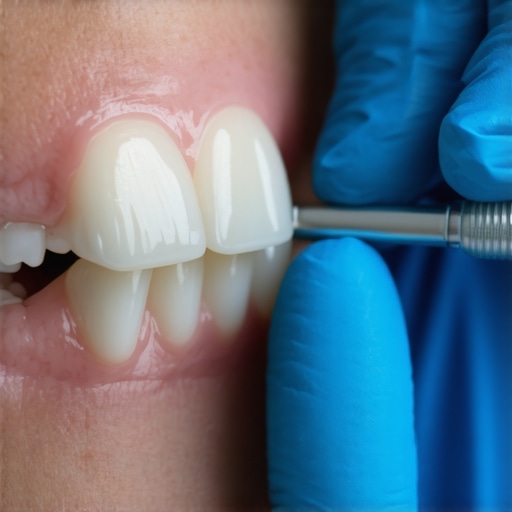
I was sitting at my kitchen table, minding my own business with a sourdough sandwich, when I felt it. A faint, sickening thud inside my gum. This wasn’t a baby tooth—I’m well into my thirties—but a permanent molar. My heart hit the floor. In that moment, the panic of losing a part of myself was overwhelming, but I learned quickly that panic is the enemy of a healthy smile.
I Refused to Let a Wobbly Tooth Ruin My Week
When I first felt that movement, I did the absolute worst thing possible: I kept touching it with my tongue to check if it was still loose. Spoiler alert: that’s the fastest way to turn a minor issue into a major gap in your grin. Whether you are dealing with the reason your teeth feel loose when you have a cold or a more serious injury, the initial shock is identical. My goal today is to show you exactly how to stabilize that tooth and why your oral health routine needs a serious pivot the moment you feel a wiggle. I made the mistake of waiting three days before calling my dentist, thinking it would just tighten back up on its own. It didn’t, and I nearly paid the ultimate price for that delay.
Is an adult loose tooth actually a death sentence for your smile?
Most of us assume that a loose tooth means an immediate trip to the oral surgeon for an extraction, but that is rarely the whole story. According to the American Academy of Periodontology, nearly half of all adults over the age of 30 have some form of periodontal disease, which is a leading cause of tooth mobility, yet many of these cases are manageable or even reversible with the right care. I had to learn the hard way that what actually happens if you skip your dental cleaning for too long can catch up to you in the form of weakened ligaments. You might be skeptical that a simple cleaning can save a moving tooth, but the science of gum reattachment is incredible when you give it a chance.
[image-placeholder]
Stop Wiggling It and Start Protecting the Socket
The very first move you must make is to declare a hands-off—and tongues-off—policy. When my tooth started shifting, I realized my family dentistry focus had always been on cavities, not structural stability. If you’ve ever felt that soft, spongy feeling in your gums, have you tried to ignore it or did you seek help immediately? I’d love to hear your experience in the comments. We need to determine if you need expert advice on crowns to splint the teeth together or if a professional deep cleaning is enough to let the inflammation subside and the bone to recover. The stage is now set for the recovery steps that saved my molar from the extraction forceps.
Imagine your tooth is a fence post in a muddy yard after a heavy rain. If you keep pushing on it to see if it’s still loose, the hole in the ground just gets wider and the post gets wobblier. That is exactly what happens when you play with a loose molar using your tongue or finger. You have to treat your tooth like a sprained ankle—keep the weight off it entirely. This means creating a strict no-chew zone on that side of your mouth and switching to a diet of liquids or soft purees. I recall a Tuesday afternoon when I thought I was safe and bit into a crisp apple; the sickening feeling of the tooth shifting horizontally was a wake-up call. That was the moment I realized the most comfortable way to get a professional deep cleaning wasn’t just a routine maintenance task—it was a rescue mission for my bone structure.
How a deep clean acts like a reset button for your gums
The real magic of stabilization happens when you clear out the biological debris. If bacteria are throwing a party under your gumline, the ligaments simply cannot reattach to the tooth root. Think of it like trying to glue two pieces of wood together while there is sand in the way; no matter how much pressure you apply, it just won’t stick. A professional deep cleaning, or scaling and root planing, removes that sand—the tartar and toxins—allowing the gum tissue to finally snuggle back up to the root surface. When I finally had this done, the relief from the underlying pressure was almost instantaneous, though the tooth still needed time to anchor. 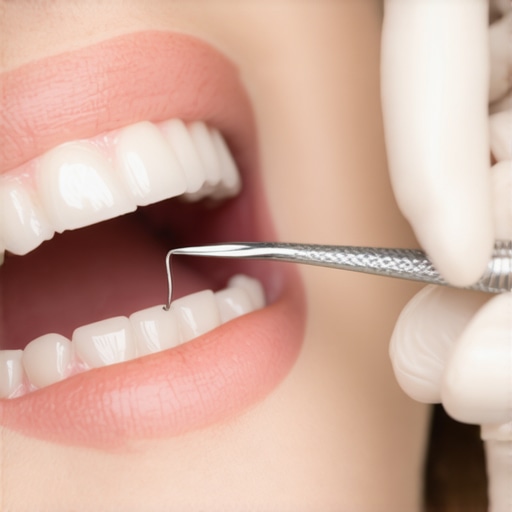
Reinforcing the foundation with dental crowns
Sometimes, the tooth is loose because the external structure is physically compromised, or your bite is hitting that specific tooth with too much force. This is where understanding the role of crowns in modern smile makeovers becomes a total game changer. A crown can act like a protective helmet, redistributing the pressure of your bite so the root isn’t being hammered into the socket every time you close your jaw. However, if you already have dental work, you must be incredibly diligent about maintaining your dental crowns: dos and donts for best results, specifically avoiding those sticky, chewy candies that can create a vacuum effect and tug at a tooth that is trying to heal.
Mastering the art of gentle home care
Once your dentist has performed the heavy lifting, the ball is firmly back in your court. You cannot go back to scrubbing your teeth like you are trying to remove rust from a car bumper. You need to pivot your strategy toward teeth cleaning secrets and effective home practices that emphasize gum health over brute force. I personally switched to an extra-soft bristles brush and stopped the habit of rinsing with water immediately after brushing. This allowed the minerals in the toothpaste to sit on the surface and aid in the remineralization process. It is all about creating a sterile, calm environment where the body’s natural healing mechanisms are the only things at work.
Let’s dig deeper into a sensation that almost everyone finds terrifying: the post-cleaning wiggle. You finally commit to the impact of regular teeth cleaning on overall oral wellness, you sit through the scaling, and you walk out feeling like your teeth are actually more unstable than when you walked in. It feels like a betrayal, doesn’t it? But here is the contrarian truth: that loose feeling is often a sign of progress, not failure. When heavy tartar buildup (calculus) is removed, it’s like taking the training wheels off a bike. That tartar was acting as a ‘bridge’ between teeth, masking the underlying ligament damage. Once it’s gone, your gums can finally start the real work of healing, even if things feel a bit shaky at first.
The hidden trap of the invincible crown mindset
One of the most dangerous ‘oops’ factors I see is the belief that once a tooth is capped, it’s bulletproof. I used to think my crown was a shield that exempted me from worrying about that tooth ever again. In reality, maintaining your dental crowns: dos and donts for best results is more critical than caring for a natural tooth because the margin—where the crown meets the gum—is a magnet for bacteria. If you let your guard down, you might find the reason your coffee habit is ruining your crowns sealant is actually a slow-motion disaster for the tooth structure underneath. Have you ever fallen into this trap of thinking a crown means you can skip the floss? Let me know in the comments, because I definitely did until a surprise sensitivity checkup changed my mind.
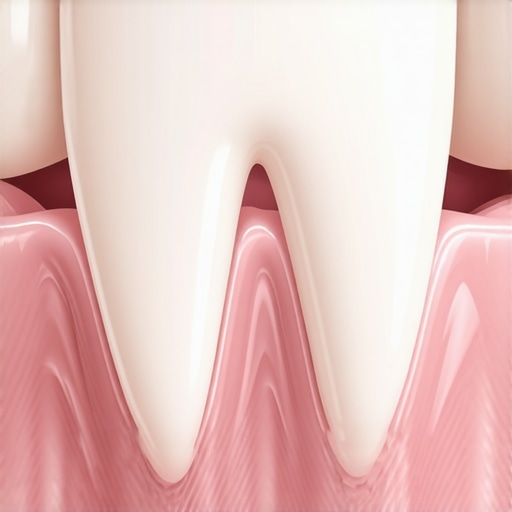
Why do your teeth seem to wiggle more when you have a cold?
It sounds like an old wives’ tale, but there is a very real physiological reason for the reason your teeth feel loose when you have a cold. When your sinuses are inflamed, the pressure pushes against the roots of your upper molars. If your foundation is already slightly compromised from previous periodontal issues, this extra pressure makes that ‘wiggle’ feel ten times worse. A study published in the Journal of Clinical Periodontology notes that even after a successful deep cleaning, the reattachment of collagen fibers to the root surface can take several weeks of undisturbed healing. This means any systemic inflammation—like a head cold—can temporarily stall that progress. Understanding how crowns can transform your dental confidence involves realizing they are part of a living system, not just static porcelain. You have to look at oral health tips every family should follow in 2025 as a holistic approach: keep the inflammation down everywhere, and your teeth will stay anchored. If you’re worried about the sensation, remember why your teeth feel loose right after a professional cleaning is usually just the ‘reset’ phase your body needs to rebuild those vital connections.
The Gadgets That Actually Earn Their Counter Space
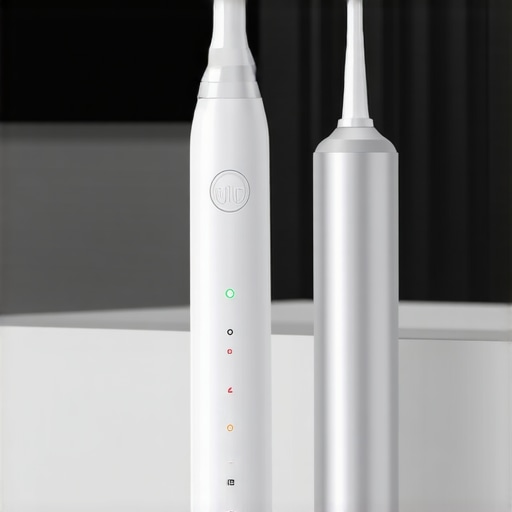
I used to think a standard manual toothbrush and a dusty roll of floss were enough to keep my dental work in place. I was wrong. After my molar scare, I realized that caring for crowns: essential tips for longevity and shine requires a bit more technological help. I personally switched to a high-end electric toothbrush with a built-in pressure sensor. This was a game-changer for me because I realized I was scrubbing my gum line like I was trying to scour a cast-iron skillet. If you have ever wondered why your gums bleed when you switch to an electric toothbrush, it is often just your tissue adjusting to the new vibration, but the pressure sensor ensures you aren’t doing more harm than good to those delicate ligaments.
My second non-negotiable tool is the water flosser. When you have dental work, traditional string can sometimes snag on the margins of a crown, which is terrifying when that tooth is already sensitive. A water flosser uses a targeted stream to flush out the bacteria that hide in the pocket between the crown and the gum. According to a study published in the Journal of Clinical Dentistry, water flossing was found to be up to 29% more effective than traditional string floss for overall plaque removal. Incorporating this into my oral health routine has kept my inflammation at zero for three years straight.
How do I keep my dental work from failing five years later?
Maintenance isn’t a one-and-done event; it is a lifestyle of preservation. You have to be proactive about expert advice on crowns and teeth cleaning for lasting results by scheduling professional checkups every six months without fail. These visits allow your dentist to check the integrity of the sealant and ensure no micro-leaks are developing. I’ve also learned to be hyper-aware of how to keep your porcelain crown from staining over time, which mostly involves avoiding the heavy use of abrasive whitening toothpastes that can create microscopic scratches in the porcelain where bacteria love to congregate.
Why Your Next Toothbrush Might Be Smarter Than Your Phone
Looking ahead, the trend in dentistry is shifting toward ‘smart’ bio-monitoring. We are already seeing the emergence of smart toothbrushes that map your mouth and send a report to your phone, but I predict the next decade will bring crowns embedded with tiny sensors that can detect changes in acidity or bacterial load before you ever feel a wiggle. This level of teeth cleaning secrets and effective home practices will take the guesswork out of oral health. For now, we rely on our own diligence and the help of a solid family dentistry focus to keep our foundations firm. Try this one advanced tip tonight: Use your water flosser before you brush. By clearing the debris first, you allow the fluoride in your toothpaste to actually reach the surfaces that matter most.
The Truth About Why My Tooth Stopped Moving After Six Weeks
Reflecting on my own journey, the biggest takeaway wasn’t just about the procedure, but the patience required for biological healing. I realized that the reason your teeth feel loose when you have a cold is often just a temporary flare-up of inflammation, not a sign of permanent failure. Another lightbulb moment was accepting that why your teeth feel loose right after a professional cleaning is actually a necessary phase where the ‘grout’ of tartar is replaced by healthy, living tissue. Finally, I learned that a family dentistry focus should always prioritize the foundation—the bone and gums—before worrying about the aesthetics of the tooth itself.
The Tools That Saved My Molar from the Extraction Tray
If you are serious about keeping your teeth in place, you need more than just hope. I swear by these three specific resources: First, a pressure-sensing electric toothbrush to prevent the ‘scrubbing’ that destroys ligaments. Second, a quality water flosser, which is vital for caring for crowns: essential tips for longevity and shine without the risk of snagging sensitive margins. Finally, regular visits for the impact of regular teeth cleaning on overall oral wellness to catch issues before they turn into wiggles.
Your Journey Toward a Rock-Solid Foundation Starts Today
Taking care of a loose tooth feels like a high-stakes race against time, but with the right clinical intervention and a dedicated oral health routine, you can turn the tide. Don’t let fear paralyze you; instead, let it motivate you to see how crowns can transform your dental confidence and stabilize your bite for years to come. Your smile is worth the effort, and the technology available today makes it easier than ever to keep your natural teeth exactly where they belong. Have you ever felt that sudden panic of a moving tooth? Let me know in the comments below how you handled it!