I’ll never forget the sound of that heavy sigh from Dr. Miller during my daughter’s last check-up. I was sitting in the corner of the exam room, scrolling through my phone and thinking we were in the clear because we don’t buy soda. Then came the words every parent dreads: “We’ve got some work to do.” Four cavities. I felt like I’d failed some secret parenting test. I’d been so careful about juice, but I completely missed the mark on the “healthy” snacks filling our pantry. It was a visceral gut-punch that changed how I looked at every granola bar and fruit leather in the house. This realization hit me hard—I was unknowingly fueling decay while trying to be a health-conscious mom.
The Day the Dentist Found Four Cavities in My Six-Year-Old
That afternoon was a turning point for my family’s approach to building a lifetime of healthy smiles. I realized that my early mistake wasn’t a lack of effort, but a lack of specific knowledge about how sugars hide in plain sight. I used to think as long as it wasn’t a candy bar, we were safe. Boy, was I wrong. Those sticky “fruit” snacks I packed every day were basically glue for decay. If you’ve ever felt that pit in your stomach during a dental exam, you’re not alone. Have you ever walked into a check-up feeling confident, only to leave with a list of fillings for your little one? Today, I’m going to share the snack swaps that actually work—the ones that my kids don’t complain about and that keep their enamel strong. We’re moving beyond the basic “eat your veggies” advice and diving into the science of what stays on the teeth. According to the American Academy of Pediatric Dentistry, the physical form of a food and how long it remains on the teeth are often bigger culprits than the total amount of sugar consumed. We’ll look at why some snacks for kids won’t cause instant cavities while others are a recipe for disaster.
Is a sugar-free diet actually worth the stress?
Let’s be real: trying to ban every gram of sugar is a losing battle that usually leads to secret candy stashes under the bed. You don’t have to be a drill sergeant to protect those pearly whites. By focusing on effective home practices for family dental health, like choosing snacks that stimulate saliva instead of feeding bacteria, you can find a middle ground. I learned the hard way that even “natural” sugars from dried fruit can be devastating if they sit on the teeth all day. This isn’t about deprivation; it’s about strategy. We’ll get into the “why” behind certain foods and how to avoid the mistake most parents make by assuming “organic” or “all-natural” labels mean the food is dentist-approved. Get ready to overhaul your pantry without a single tear from the kids.
Stop treating every fruit snack like it’s health food
Think of your child’s mouth as a tiny ecosystem. When they eat something sticky—like those gummy vitamins or ‘all-natural’ fruit strips—it’s like pouring wet cement into the deep grooves of their molars. While the sugar content matters, the duration it stays on the tooth is the real enemy. This is precisely why your back molars always get the most cavities; they have deep pits that act as traps for anything chewy. Even if you are diligent with the brush, those microscopic valleys in the tooth are often narrower than a single toothbrush bristle, making it impossible to scrub out sticky residue once it has settled in.
#IMAGE_PLACE_HOLDER_B#
Check the texture before you check the label
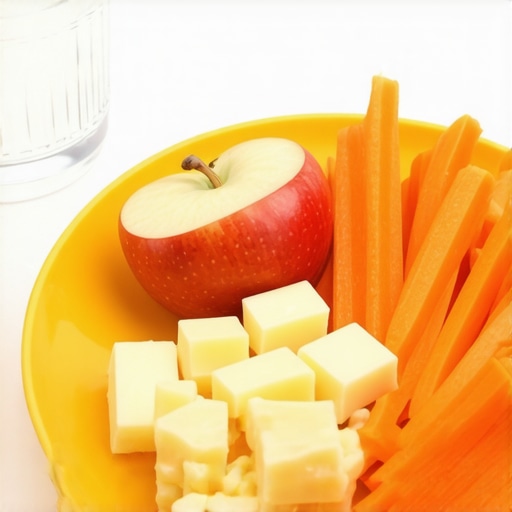
I remember the specific Tuesday I tried to swap our usual fruit leathers for sliced apples. My daughter looked at me like I’d just cancelled Christmas. But after that four-cavity wake-up call, I knew I had to be direct. I sat her down and we did a little experiment: we both ate a gummy, then looked in the mirror. Five minutes later, the gummy was still there, tucked into the crevices of her teeth. When we ate the apple, her teeth looked clean and the chewing process had actually stimulated saliva. Seeing that ‘sugar glue’ in real-time changed her perspective more than any lecture could. Now, we follow a simple rule: if it sticks to your fingers, it’s going to stick to your teeth. We transitioned to the best snacks for kids that won’t cause instant cavities, focusing on high-water content foods like cucumbers, peppers, and celery that help scrub the teeth naturally as they chew.
The 20-minute window that saves their enamel
Saliva is your family’s secret weapon. It’s a natural buffer that neutralizes acids and washes away food debris. However, it needs time to work its magic. If your kids are grazing all day, their mouth stays in a constant acidic state, never giving the enamel a chance to remineralize and harden. To combat this, we implemented the ‘water wash’ method. After any snack that isn’t water, they have to swish with plain water. It sounds simple, but it’s a foundational part of an oral health routine strengthening your smile every day. This prevents the sugar from sitting undisturbed on the tooth surface until the next brushing session.
Why you should stop the immediate post-snack brush
Here is a nuance that surprises most parents: don’t rush to the bathroom immediately after they eat something acidic like oranges, grapes, or yogurt. Acid softens the enamel temporarily, and brushing right away can actually scrub that softened layer off, leading to sensitivity and wear. You should wait at least 30 minutes for the saliva to stabilize the pH levels. This kind of expert advice on crowns and teeth cleaning applies to the whole family, ensuring you aren’t accidentally causing long-term damage while trying to be helpful. If your child has a particularly tight smile, you might also need to learn how to clean between teeth if you have tight spacing to prevent those hidden ‘interproximal’ cavities that only show up on X-rays.
How we turned flossing into a non-negotiable habit
For my teenager, the ‘health’ argument fell on deaf ears until we changed the narrative. What finally worked was the ‘social’ argument. We talked about how food trapped between teeth causes a specific kind of odor that a tongue scraper simply cannot reach. Once we found the simple trick to getting your teenager to floss daily—which for us was keeping flavored floss picks in the car for the morning drive to school—the resistance vanished. It’s about accessibility and meeting them where they are in their daily routine. If you’re dealing with older children who already have dental work, such as caring for crowns, these small habit shifts are what ensure those expensive investments last a lifetime without the embarrassment of bad breath or localized gum irritation.
Why scrubbing your teeth harder is actually turning them yellow
Most people assume that the harder you scrub, the cleaner your teeth get. In reality, aggressive brushing is a top reason for enamel erosion and gum recession. This is exactly why hard brushing actually makes your teeth look darker. When you wear down that bright white enamel, the yellowish dentin underneath starts to show through. It’s a counterintuitive truth: the more you ‘clean’ with physical force, the more ‘stained’ your smile appears. I’ve seen many patients come in with deep notches in their gum line from over-brushing, which often requires expert advice on crowns and teeth cleaning to repair the permanent damage to the tooth structure.
#IMAGE_PLACE_HOLDER_C#
Can a crown really develop a cavity underneath its surface?
One of the most common misconceptions I encounter in family dentistry focus building a lifetime of healthy smiles is the ‘invincibility’ of dental work. Many believe that because a crown is made of porcelain or metal, it cannot decay. While the crown itself is immune, the natural tooth structure underneath is still vulnerable at the margins where the crown meets the gum. If that seal is compromised, bacteria crawl right under the restoration. This is often the reason people search for how to stop your crown from smelling like old food—it is usually trapped bacteria or secondary decay. A study published in the Journal of Prosthetic Dentistry highlights that marginal leakage is a primary cause of crown failure, emphasizing that maintaining your dental crowns dos and donts for best results isn’t just about the aesthetics, but the structural integrity of the tooth beneath.
The coffee trap you didn’t see coming
The biggest ‘oops’ factor for parents and professionals alike? Your morning ritual. If you have dental work, the reason your coffee habit is ruining your crowns sealant isn’t just the surface staining; it is the acidity that slowly dissolves the dental cement over years of micro-exposure. This leads to microscopic gaps you cannot see, but your dentist will definitely find during an X-ray. Have you ever fallen into this trap of thinking your ‘fake’ teeth didn’t need as much care as your real ones? Let me know in the comments. Finally, be wary of trends. I always warn about the scary truth about buying DIY whitening kits online. Without a professional check-up, you could be applying bleach to an undiagnosed cavity or a failing crown. Following oral health tips every family should follow in 2025 means prioritizing safety and caring for crowns with the same technical precision you apply to your natural enamel.
The three gadgets that saved my bank account from more fillings
After that four-cavity wake-up call, I realized my manual toothbrushing technique was essentially like trying to clean a shag carpet with a broom. I wasn’t getting into the nooks and crannies where it mattered. I finally invested in a high-quality electric toothbrush with a built-in pressure sensor. This is a game-changer because, as we discussed, scrubbing too hard is why hard brushing actually makes your teeth look darker. My brush now vibrates red if I apply too much force, protecting my enamel and my daughter’s sensitive gums. We also swapped traditional string floss for a cordless water flosser. For a six-year-old, it’s much more fun—it’s like a tiny power washer for her mouth—and it’s incredibly effective at flushing out those sticky fruit snack residues that hide in the back molars. Following an oral health routine strengthening your smile every day became less about a chore and more about using the right tech for the job.
#IMAGE_PLACE_HOLDER_D#
How do I keep my family’s smiles healthy over the long haul?
Consistency is the boring truth behind every great smile. It’s not about one deep cleaning; it’s about the cumulative effect of small habits. For those of us with restorations, maintaining your dental crowns dos and donts for best results includes using a non-abrasive fluoride toothpaste to keep the margins clean without scratching the porcelain. I also started using a pH-neutralizing mouthwash. According to Dr. Gordon Christensen of Clinicians Report, maintaining a neutral oral pH is one of the most overlooked aspects of preventing secondary decay under crowns. If your mouth is constantly acidic from snacks or coffee, even the best dental work will eventually fail. We’ve also made it a point to never skip our bi-annual visits because the impact of regular teeth cleaning on overall oral wellness goes far beyond just white teeth; it’s about catching those microscopic leaks in a crown’s sealant before they become a $1,500 problem. By combining expert advice on crowns and teeth cleaning with the right home tools, we’ve managed to go two full years without a single new cavity diagnosis.
Why AI might be your next dental hygienist
Looking ahead, I see the world of family dentistry focus building a lifetime of healthy smiles shifting toward proactive home monitoring. We are already seeing the rise of smart toothbrushes that map your mouth via an app, showing you exactly which spots you missed. In the next few years, I expect we will have simple smartphone attachments that allow us to take high-resolution photos of our molars to be screened by AI for early signs of demineralization. This kind of technology will make oral health tips every family should follow in 2025 much easier to implement because we won’t be guessing if our kids are brushing well enough—we’ll have the data to prove it. For now, my best advice is to start with one simple shift: try the ‘water wash’ method after your next cup of coffee or your kid’s afternoon snack. It costs nothing and is the easiest way to protect that precious enamel between professional visits.
The Lessons My Dentist Taught Me the Hard Way
Reflecting on our journey from four cavities to two years of clean check-ups, I’ve realized that the small, daily wins are far more important than the big, scary appointments. One of my biggest lightbulb moments was discovering the simple trick to getting your teenager to floss daily; it wasn’t about nagging, but about making the tool convenient for their specific lifestyle. I also learned that the white appearance of teeth can be deceptive. Following expert advice on crowns and teeth cleaning taught me that protecting the enamel you still have is much easier than replacing it later. Finally, don’t ignore the subtle signs of dental wear in your kids, as catching a small issue now prevents a major restoration down the road.
My Essential Toolkit for a Cavity-Free House
I don’t recommend habits lightly, but these three shifts changed our mornings forever. First, switching to a pressure-sensing electric toothbrush stops that aggressive scrubbing that can lead to permanent recession. Second, I swear by the oral health tips every family should follow in 2025 which emphasizes the shift toward pH-balanced rinses over harsh alcohol-based ones that can sting. Third, we keep a supply of tooth-friendly snacks like cheese and nuts in the car for those busy afternoons when we can’t brush immediately. These small tools, combined with maintaining your dental crowns dos and donts for best results, have kept our dental bills low and our confidence high.
Start Rewriting Your Family’s Dental Story Today
You don’t have to overhaul your entire pantry overnight to see a difference. Start with one simple change, like implementing the water wash method after snacks, and build your momentum from there. When you keep a family dentistry focus building a lifetime of healthy smiles, you’re teaching your children that their health is a valuable asset worth protecting for the long term. It’s about more than just avoiding the dental drill; it’s about ensuring a lifetime of confident, pain-free laughter for the people you love most. Have you ever discovered a hidden source of sugar in your favorite healthy snacks? Let me know in the comments below!