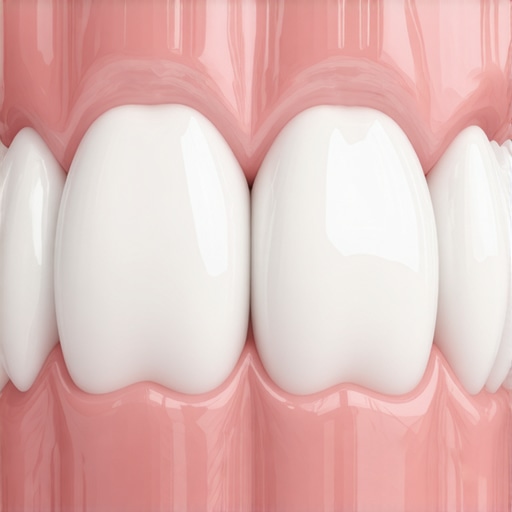
I remember staring into the bathroom mirror, clutching my toothbrush, and wondering why on earth my bottom front teeth were suddenly overlapping. I had done my time with braces. I had worn the headgear. But there it was—a tiny, unmistakable shift that made me feel like my teenage dental struggles were coming back to haunt me. I made the classic mistake of thinking that once your adult teeth are in, they are essentially anchored in concrete. I was wrong. It turns out, those late-blooming third molars can be real troublemakers for your alignment, even if they haven’t fully poked through the gums yet. If you have been feeling a strange pressure or noticing new gaps (or lack thereof), you are in the right place.
The sneaking suspicion that your smile is changing
If you have noticed that your teeth feel tight after you haven’t worn your retainer, or even if you have been diligent with it, you aren’t just imagining things. That creeping sensation of crowding usually starts right at the front, where the teeth are smallest and easiest to move. I spent months convincing myself it was just ‘stress grinding’ before I finally realized my gum tissue was growing over my back tooth in a way that signaled a serious impaction. Today, I want to help you decode these subtle signals so you can protect the smile you’ve worked so hard for.
Is the ‘wisdom tooth shift’ actually worth the worry?
You might hear some people say that wisdom teeth don’t have enough ‘force’ to move an entire row of teeth, but my personal experience (and my dental bill) says otherwise. While it’s true that some shifting is natural as we age—often why front teeth look shorter as you age—the intense pressure of a horizontal wisdom tooth is a different beast entirely. According to the American Association of Oral and Maxillofacial Surgeons, roughly 85% of wisdom teeth will eventually need to be removed to avoid crowding or infection. I ignored the dull ache in my jaw for a year, thinking I was just being dramatic. By the time I went in for my regular family dentistry visit, my front incisors had already started their ‘scootch’ to the left. Have you ever felt that weird, rhythmic throbbing in the back of your jaw only to see a new overlap in your mirror the next morning? That is the ‘lightbulb moment’ we need to talk about. Let’s look at the specific red flags that mean it’s time to stop waiting and start acting.
Stop Guessing and Map Your Mouth
The first mistake most of us make is playing the waiting game. We wait for the pain to become unbearable before we book an appointment, but by then, the structural shift has already happened. Think of your jaw like a crowded subway car. When a new person (the wisdom tooth) tries to shove their way in, everyone else has to shuffle to make room. If you want to stop the movement, you need a professional roadmap. I found out the hard way that missing regular checkups leads to more than just plaque buildup. You need to know what actually happens if you skip your dental cleaning for too long, because it is during these sessions that your dentist catches the early signs of impaction before they turn into a full-blown alignment crisis.
Look for the Battering Ram on Your X-rays
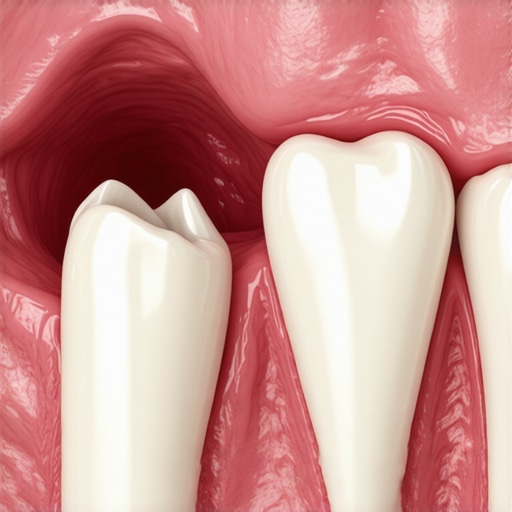
When I finally sat down for my 3D scan, the image was shocking. My bottom left wisdom tooth wasn’t growing up; it was growing sideways, acting like a battering ram against my healthy molars. This is the ‘HOW’ of the problem. That constant, microscopic pressure is enough to overcome the resistance of your other teeth. If your scans show a horizontal or angular tilt, you aren’t just looking at a future toothache; you are looking at a permanent change to your facial profile and bite. This is why family dentistry is so vital—it tracks these changes over years, not just months.
Protect the Neighbors from Collateral Damage
The danger isn’t just about the shifting; it is about the damage that wisdom teeth do to the teeth they are pushing against. When a wisdom tooth is impacted, it creates a tiny pocket where bacteria thrive, often leading to a cavity on the backside of your second molar. In my case, I ignored a dull ache until the decay reached the nerve. This is where things get expensive and complicated. If the damage to the neighboring tooth is severe enough, a simple filling won’t cut it. Often, why your dentist recommends a crown after a root canal is to save that neighboring tooth from fracturing under the new pressure. You want to avoid this at all costs by being proactive about extractions.
Why You Might Need a Crown After the Dust Settles
Once the wisdom teeth are out, you might think you are in the clear, but the ‘settling’ process can reveal cracks or weakened enamel on the teeth that were under pressure. Using modern restorations can restore that strength. If you have been dealing with a weird bite for a year, those teeth have been grinding in ways they weren’t designed to. Investing in crowns in modern smile makeovers can actually realign your bite surface and stop the wear and tear that leads to premature aging of your smile.
Keep Your Alignment from Rebounding
After the extractions are done, your teeth have a sort of ‘muscle memory’ and might try to drift back into their shifted positions. This is the most critical phase for your oral health routine. You must be religious about your retainer. I remember thinking I could skip a week because the ‘pressure’ was gone, only to find that teeth feel tight after you haven’t worn your retainer for even a few nights. That tightness is the sound of your investment slipping away. To keep everything pristine, make sure you are getting deep cleanings to keep the gum tissue healthy around the old extraction sites. Many people find that ultrasonic cleaning is faster and more comfortable than hand scaling, especially when the back of the mouth is still a bit sensitive from surgery.
Most people assume that once a crown is cemented in place, that tooth is officially ‘off the hook’ for future problems. I have seen so many friends relax their hygiene routine because they think porcelain cannot decay. While it is true that the ceramic itself will not get a cavity, the tiny sliver of natural tooth at the gum line—known as the margin—is actually more vulnerable than ever. If you do not master maintaining your dental crowns dos and donts for best results, bacteria will find that microscopic ledge and tunnel underneath. It is an incredibly expensive lesson to learn. In fact, why your crown might feel sensitive to cold even years after placement is often the first warning sign that the seal has been compromised. Have you ever fallen into this trap where you thought a ‘weird’ bite would just settle on its own? Let me know in the comments.
Why does my crown feel like it is ‘fighting’ my other teeth?
This is a question that pops up frequently among those who have had restorative work, and the answer is usually related to complex bite mechanics. A common mistake is viewing a crown as just a cap; in reality, it is a structural component of your entire jaw’s alignment. If a crown is even a fraction of a millimeter too high, it can trigger a domino effect of shifting, tooth wear, and even chronic morning headaches. This is why expert advice on crowns and teeth cleaning for lasting results emphasizes the absolute precision of the final fit. 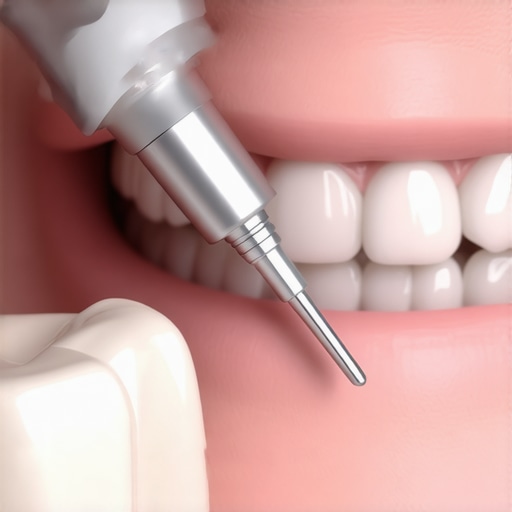 Let’s talk about the ‘oops’ factor in professional cleanings. People often view them as a glorified tooth brushing session, but the real work happens where you cannot see. A landmark study published in the Journal of Periodontology highlights that regular professional scaling is the primary defense against alveolar bone loss. You aren’t just paying for a white smile; you are paying to keep the bone that holds your teeth in your head. Understanding how often you actually need a professional scaling to prevent bone loss is the difference between keeping your natural teeth into your seventies or needing a full set of implants. Another nuance many miss is the impact of regular teeth cleaning on overall oral wellness. It is not just about the mouth. Modern research has shown a staggering connection between your heart health and your last dental cleaning—chronic inflammation in the gums can literally travel through your bloodstream. If you are skipping cleanings because your teeth ‘look fine,’ you are ignoring the invisible battle your body is fighting. To truly protect your smile, you need to shift your focus from aesthetics to longevity. Start by caring for crowns with essential tips for longevity and shine and treating your biannual visits as a vital health screening, not just a cosmetic refresh.I’ve spent a small fortune on dental gadgets over the years, and if there is one thing I have learned, it’s that expensive doesn’t always mean effective. When I first got my crowns, I thought a standard electric toothbrush was enough. I was wrong. The real game-changer for me was switching to a water flosser with a specialized tip designed specifically for restorations. This isn’t just about blowing water between your teeth; it’s about the pulsated pressure that disrupts biofilm in the tiny gaps where your gums meet your dental work. If you are serious about strengthening your smile every day, you need to get comfortable with specialized interdental tools.
Upgrade your toolkit before your next cleaning
These little interproximal brushes are, in my opinion, far superior to string floss for anyone with crowns or permanent retainers. They physically scrub the sides of the teeth, which is vital because caring for crowns with essential tips for longevity and shine requires more than just a surface-level polish. I personally use plastic-coated versions to ensure there is no microscopic scratching on my sensitive porcelain surfaces. If you have been relying solely on a manual brush, you are essentially leaving your dental investment to chance. 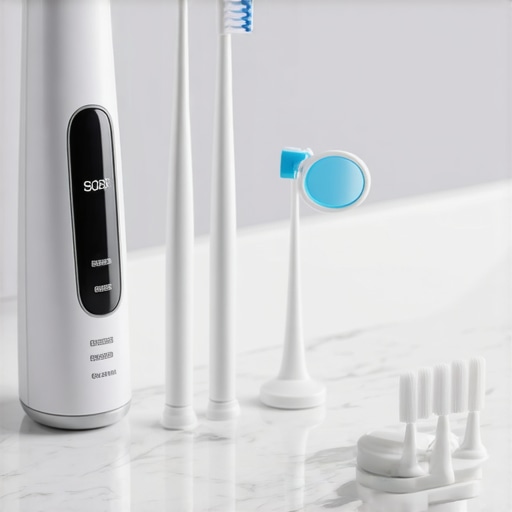
How do I maintain my dental crowns over time?
The secret isn’t just in the tools; it’s in the frequency and the microscopic precision of your technique. I’ve adopted a ‘two-minute rule’ specifically for my back molars where the wisdom teeth used to be. Most of us rush the hard-to-reach areas, but that is exactly where the bacteria hide. Following maintaining your dental crowns dos and donts for best results means being obsessive about the margin—the area where the crown meets the natural tooth. According to a study published in the Journal of Clinical Periodontology, interdental cleaning tools are significantly more effective at reducing gingival inflammation than brushing alone, particularly in patients with fixed prosthetic restorations. If you haven’t yet, check out these teeth cleaning secrets for family dental health to see how to integrate these specialized tools into your family’s routine.
Why your phone might be the next big dental tool
Looking ahead, I predict we are going to see a massive shift toward teledentistry and AI-driven home monitoring. We are already seeing toothbrushes that map your mouth in real-time on a smartphone app, pointing out exactly where you missed. In the next few years, I expect we will have sensors in our crowns that can detect early-stage acidity changes or shifts in our bite before we even feel a twinge. This is why staying connected with your family dentistry provider is so important; they are the ones who will help you interpret all this new data. For now, the best move you can make is to stop treating your dental visits as optional. Get that professional perspective on expert advice on crowns and teeth cleaning for lasting results to ensure your smile remains stable for decades. My advanced tip for tonight? Try using an interproximal brush before you do your normal brushing—you’ll be shocked at what your standard brush has been leaving behind.
Hard Truths About Staying Ahead of a Shifting Smile
The biggest takeaway from my dental journey is that the ‘phantom shift’ is real. Even if your teeth look straight today, the pressure from dormant wisdom teeth is like a ticking clock under your gums. I learned that strengthening your smile every day isn’t just a catchy phrase—it is a financial strategy. I once spent $200 on a replacement retainer that could have saved me over $3,000 in corrective work later.
Another ‘lightbulb moment’ was realizing a crown isn’t a permanent shield against neglect. You have to be meticulous because maintaining your dental crowns requires more attention to the gum line than natural teeth. Finally, if you ever find that your teeth feel tight after you haven’t worn your retainer, take it as a final warning. Your jaw is constantly changing, and that tightness is the sound of your investment trying to slip away.
My Personal Toolkit for a Lifetime of Straight Teeth
Over the years, I have narrowed down my routine to a few essentials that actually make a difference. First, interproximal brushes are my secret weapon. They are far more effective than string floss for caring for crowns because they physically scrub the hard-to-reach margins where bacteria hide. I also swear by a high-quality water flosser, especially if you have a coffee habit that might ruin your crowns’ sealant. The quick rinse after your morning latte can prevent staining and decay from taking hold. Lastly, I always advocate for 3D dental mapping. It provides a level of detail that traditional X-rays miss, allowing your family dentistry team to spot microscopic shifts before they become visible overlaps.
#IMAGE_PLACEHOLDER_E#
The Best Time to Act is Before the Pressure Starts
Your teeth are dynamic, living parts of your body, and they require consistent stewardship to stay in place. By prioritizing professional checkups and seeking expert advice on crowns and teeth cleaning, you aren’t just fixing a bite—you are protecting your long-term confidence. Don’t wait for a dull ache or a new gap to appear in the mirror. Start an oral health routine that treats your smile as the lifetime asset it truly is. Did your wisdom teeth cause a major shift in your smile, or did you catch them just in time? Let me know your story in the comments below!