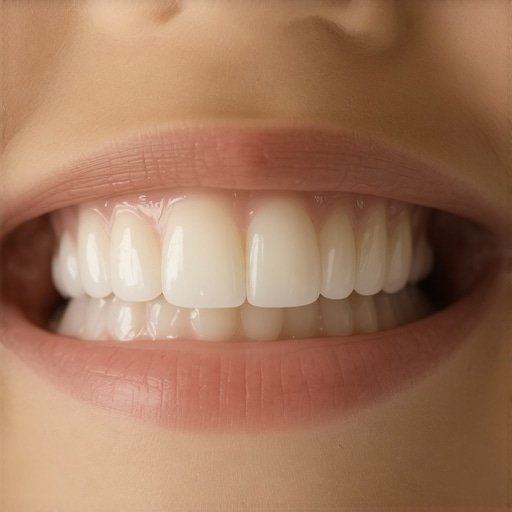
I remember the morning clearly. My six-year-old was grinning over her cereal, showing off that giant “shark tooth” coming in behind her tiny baby bottom teeth. My heart sank. That new tooth wasn’t the sparkling white of its neighbors; it looked… yellow. Dingy. I immediately started scrubbing her teeth like I was trying to buff out a scratch on a car, convinced she had a cavity already. I felt like a failure in the family dentistry department before she’d even hit second grade. I was convinced my child had the worst oral health in the neighborhood. But here is the secret: those adult teeth are supposed to look different. Today, I’m going to walk you through the science of that “butter” shade so you can stop stressing. Have you ever looked at your kid’s smile and wondered if you forgot to teach them how to brush? [IMAGE_PLACEHOLDER]
Stop panicking about that butter-colored grin
It’s one of those weird parenting milestones nobody warns you about. We spend years looking at those bright, milky-white baby teeth, and then the adult ones arrive looking like they’ve been soaking in coffee. I made the classic mistake of over-scrubbing her gums until they were red, which actually does more harm than good and can lead to issues like why hard brushing actually makes your teeth look darker. You see, the real reason some teeth are naturally yellower than others comes down to anatomy, not just hygiene. Permanent teeth have a much thicker layer of dentin—the tissue that sits right under the enamel. According to the American Academy of Pediatric Dentistry, permanent teeth contain more dentin and have larger pulp chambers, making them naturally less “milky” than the primary teeth they replace. This is perfectly normal, yet it’s the number one thing parents ask me about when they notice why your child’s adult teeth look yellow next to baby teeth.
Is this discoloration permanent or just a fluke?
You might be worried that those teeth will stay that way forever, or that you need to find some teeth cleaning secrets to fix it immediately. In reality, as the rest of the adult teeth come in and the small, bright baby teeth fall out, the contrast disappears. It’s a “perspective” problem more than a “color” problem. By following oral health tips every family should follow in 2025, you can ensure that those new teeth stay healthy, even if they aren’t neon white. Let’s dive into exactly why that contrast is so jarring and what you should actually be looking for instead of just color. Have you noticed this shift in your own child’s smile yet? Let me know in the comments if you also reached for the toothbrush in a panic.
Stop the scrub and start observing
When I first saw my daughter’s adult molar, I acted like I was trying to sand down an old deck. I bought the grittiest whitening paste I could find, convinced I could buff the yellow away. Within three days, her gums were tender and she was flinching at her morning juice. I learned the hard way that you cannot clean away the natural color of dentin. If you want to protect that new smile, you have to shift your focus from bleaching to building strength. Those adult teeth are built differently for a reason; they are the heavy-duty versions designed to last a lifetime, whereas baby teeth are essentially temporary space-holders.
Protect the enamel like a precious shield
Think of enamel as a clear window. The thicker and smoother it is, the more it reflects light and appears bright. When we over-brush with the intent of whitening, we actually scratch that window. I always tell parents that why hard brushing actually makes your teeth look darker is because it thins out the white protective layer, letting more of that yellow dentin peek through from underneath. Instead of scrubbing, focus on a gentle, circular motion. It is about removing sticky plaque, not layers of the tooth itself. Establishing a consistent oral health routine early on ensures that the enamel remains dense and resilient as more permanent teeth join the party. 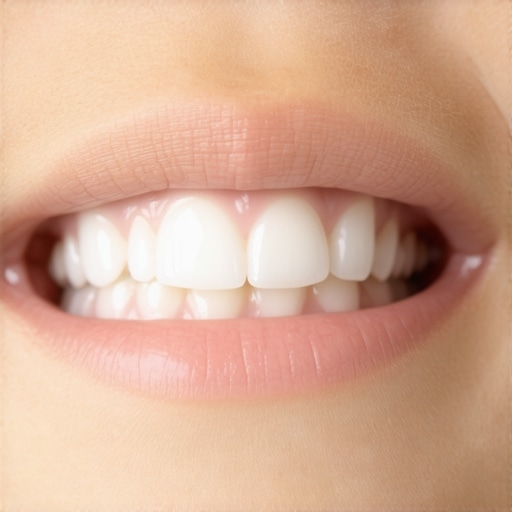
Watch for these three red flags instead of color
If you are staring into your child’s mouth with a flashlight, stop looking for yellow and start looking for texture. First, look for matte or chalky spots. If a section of the tooth looks like a piece of dry white chalk, that is a sign of demineralization, and you should check out why your child’s teeth have white chalky patches to address it before it becomes a cavity. Second, check the gum line for deep red edges or swelling. Finally, keep an eye on staining from food. While adult teeth are naturally darker, they can also pick up pigments from a fruit-heavy diet. Knowing how to get berry stains off your child’s teeth safely will save you a lot of stress without involving harsh chemicals.
Sync up with professional care to track the transition
The transition from a milk smile to an adult one takes years, and during this time, the mix of sizes and colors can look chaotic. A solid family dentistry focus means your provider is tracking the eruption pattern, not just the aesthetics. They can tell if a tooth is naturally yellow or if there is an underlying enamel issue. By sticking to teeth cleaning secrets like using the right fluoride concentration, you are playing the long game. You are not just cleaning for today; you are preserving that tooth for the next eighty years. If the color still bothers you, remember that the yellow look often softens as the tooth fully matures and the dental pulp shrinks slightly, naturally changing how light hits the tooth.
Stop chasing the ‘refrigerator white’ standard
Let’s dig deeper into a common trap I see parents fall into—the belief that ‘white’ is a synonym for ‘healthy.’ We are conditioned by social media filters and toothpaste commercials to think that if a tooth isn’t the color of a fresh sheet of paper, it’s failing. In my experience, chasing a specific shade can actually backfire. The common contrarian view I hold is that a slightly yellow tint is often a sign of a high-mineral, resilient tooth. We need to stop equating the brightness of baby teeth with the health of adult teeth. The real reason some teeth are naturally yellower than others is because they are built to last eighty years, not eight. When we obsess over whitening, we risk compromising that longevity for a temporary aesthetic. Have you ever fallen into this trap of comparing your child’s teeth to a celebrity’s? Let me know in the comments if you’ve felt that pressure too.
The hidden trap of natural whitening hacks
Here is the ‘oops’ factor many parents miss: the ‘natural’ product trap. In an effort to avoid chemicals, many families turn to charcoal-based pastes or DIY lemon juice rinses. This is a massive mistake. The truth about the charcoal whitening trend is that these substances are often incredibly abrasive. According to the American Dental Association (ADA), products with high Relative Dentin Abrasion (RDA) values can permanently wear down the enamel. For a child whose adult teeth have just erupted, the enamel is still maturing and is more susceptible to this kind of mechanical wear. Using these ‘hacks’ actually strips away the white outer layer, exposing the yellow dentin even more—literally the opposite of what you want. 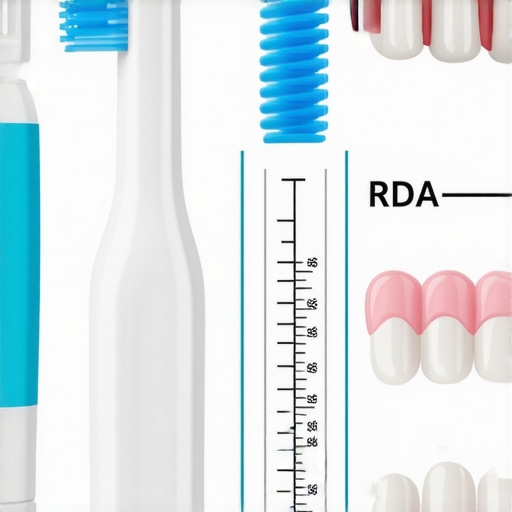
Does your child really need dental sealants on their first molars?
This is one of the most common questions for families entering the ‘mixed dentition’ stage. While we focus on color, we often ignore the deep grooves on the chewing surfaces of those new molars. You might think that a good oral health routine is enough, but those grooves can be thinner than a single toothbrush bristle. Does your child really need dental sealants on their first molars? Absolutely. They act as a protective barrier, preventing the ‘chalky patches’ and demineralization I mentioned earlier. It’s about more than just cleaning; it’s about structural reinforcement. When you combine this with expert advice on crowns and teeth cleaning for lasting results, you are setting your child up for a lifetime of minimal dental work.
Mastering the long-term family dentistry focus
We also need to discuss the nuance of professional cleanings. Many parents think a cleaning is just a ‘polish,’ but the impact of regular teeth cleaning on overall oral wellness goes much deeper. It’s the only time a professional can check the seal of those new teeth and ensure that the transition from baby to adult is happening without crowding that could lead to future issues. If a tooth is severely damaged early on, understanding how crowns can transform your dental confidence becomes vital even in family dentistry. Don’t wait for a cavity to start thinking about the structural integrity of these ‘forever’ teeth. Focus on a family dentistry focus that prioritizes strength over shade, and you’ll find that the color naturally settles into a beautiful, healthy glow as the mouth matures.
If we’re going to be real about maintenance, we have to talk about the gear that actually works. I’ve stopped recommending generic drugstore toothbrushes entirely. Personally, I’ve switched my whole family to the Philips Sonicare ProtectiveClean 6100. Why? Because it has a built-in pressure sensor that pulses the second you press too hard. For a kid who is trying to scrub their new adult teeth white, this sensor is a game-changer. It’s the physical reminder they need to realize that why your dentist wants you to stop using hard bristles is about saving their enamel, not just cleaning it. We also swapped traditional string floss for a Waterpik Aquarius. It sounds like overkill for a second-grader, but a 2023 study published in the Journal of Dentistry highlighted that hydro-pulsating devices are significantly more effective at reducing gingival inflammation in patients who struggle with manual dexterity compared to traditional string. 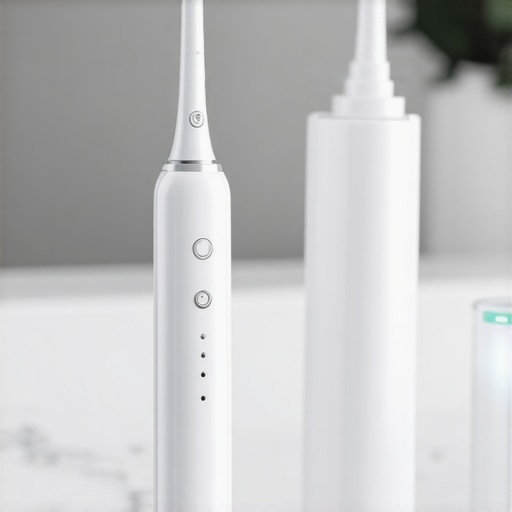
How do I keep my family’s smiles working long-term?
Longevity isn’t about one deep clean every six months; it’s about the micro-habits you build between visits. If your child ends up needing restorative work early on due to genetics or deep grooves, knowing the right way of caring for crowns is essential for keeping those investments in place for decades. We often treat these like indestructible fixtures, but they require specific care to prevent marginal decay where the crown meets the natural tooth. I predict that in the next five years, we’ll all be using AI-enabled cameras on our phones to scan our mouths weekly for early demineralization—similar to how we track daily steps. This kind of proactive monitoring will change the face of family dentistry focus forever.
Until that tech is standard, you need expert advice on crowns and teeth cleaning for lasting results to ensure you aren’t making common mistakes, like using abrasive charcoal pastes on porcelain or new enamel. Following the maintaining your dental crowns dos and donts for best results will save you thousands in replacement costs. My most specific recommendation for you this week is to ditch the string floss and try a high-quality water flosser on the lowest setting for your kids; it turns a painful chore into a gadget-based win that they will actually stick to. Let’s stop reactive dentistry and start building a foundation that lasts. Check out our oral health routine guide to see exactly how to layer these tools for the best outcome.
Hard-won lessons from a mother who over-scrubbed
Reflecting on those early years of panic, I’ve realized a few things that aren’t in the standard parenting manuals. First, the transition from baby teeth to permanent ones is messy and uncoordinated—it’s okay to embrace the chaos. I learned that focusing on the gum line is far more important than scrubbing the tooth surface, especially since why hard brushing actually makes your teeth look darker is a lesson you don’t want to learn through your child’s sensitivity. I also discovered that my own anxiety was contagious; when I stopped inspecting her teeth with a detective lens, she became much more cooperative with her teeth cleaning secrets. Most importantly, I realized that a professional family dentistry focus is about partnership and structural health, not just judging the shade of a tooth.
My must-have tools for building a forever smile
If you want to move from panic to proactive care, these are the resources that changed the game for our household. I swear by the American Academy of Pediatric Dentistry (AAPD) parent portal for evidence-based answers that cut through the social media noise. For daily maintenance, we rely on a high-quality water flosser because it reaches areas where demineralization often hides. I also highly recommend looking into expert advice on crowns and teeth cleaning for lasting results if your child has deep grooves or previous work, as caring for crowns requires a different mindset than natural enamel. Lastly, keep a link to oral health tips every family should follow in 2025 bookmarked for those inevitable ‘is this normal?’ moments as your child grows.
[IMAGE_PLACEHOLDER]
Confidence starts with health not just brightness
At the end of the day, that butter shade is a sign of a tooth that is built for the long haul. It is easy to get caught up in the aesthetics of social media, but the impact of regular teeth cleaning on overall oral wellness is what will actually keep your child out of the dental chair for emergencies later in life. When you maintain a consistent family dentistry focus, you aren’t just protecting a smile; you’re protecting their self-esteem and their long-term systemic health. Trust the anatomy, trust the science, and most of all, trust that those new teeth are exactly as they should be. Did the color of your child’s first adult tooth catch you by surprise, or were you prepared for the change?