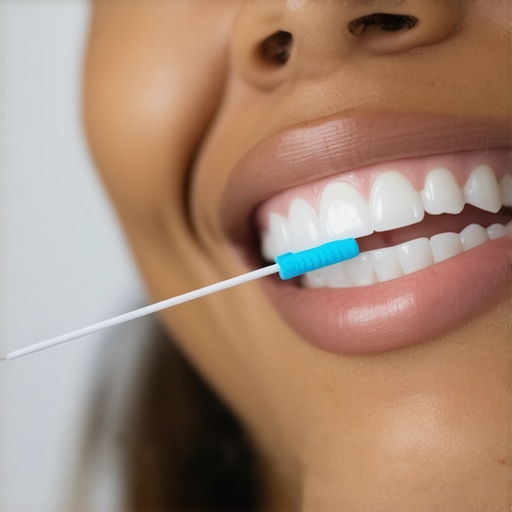
I sat there, white-knuckling the armrests of the dental chair, heart hammering against my ribs like a trapped bird. I’d spent twenty minutes in front of my bathroom mirror that morning, scrubbing my teeth with such intensity you’d think I was trying to scour a burnt lasagna pan. I wanted to look like the poster child for family dentistry excellence. But when the hygienist barely touched my lower incisors with that metal scaler, I practically jumped out of my skin. My gums were screaming. I’d made the same mistake many of us make: I tried to ‘cram’ for my dental exam by over-cleaning at the last second. In reality, that aggressive last-minute scrubbing just left my mouth inflamed, raw, and hyper-sensitive. Today, I am sharing the one thing you actually need to do before you walk into that office to make the whole experience painless and productive.
Your hygienist can see right through the morning-of scrub
It is a bit of a neighborly secret, but your dentist is never fooled by a ten-minute deep clean. I learned this the hard way after years of dealing with sore gums after flossing only on appointment days. The truth is, the impact of regular teeth cleaning is built on steady consistency, not a single burst of panic-fueled effort. My biggest early mistake was switching to a hard-bristled brush right before a visit, thinking it would work better. However, the American Dental Association (ADA) notes that scrubbing too hard can actually damage your gum tissue and wear away enamel. The ‘one thing’ you must do instead is a simple, lukewarm saltwater rinse an hour before your appointment. This gentle rinse naturally reduces inflammation in your gingival tissues, which means when the hygienist starts their work, your mouth is calm rather than reactive. Have you ever tried to ‘over-brush’ just to hide a few weeks of missed flossing from your dentist?
Is it really worth being honest about my flossing habits?
You might think staying quiet about your daily routine saves you from a lecture, but it actually stops your dental team from giving you the specific help you need. If you have crowns or specific dental work, they need to know your real habits to ensure those restorations stay sealed and healthy. Being honest about my own ‘flossing laziness’ was the lightbulb moment that finally stopped the bleeding and the biannual dread I used to feel. Starting today, we are going to look at how a few small, honest shifts in your routine can change everything.The first phase of a painless appointment happens in your own bathroom, but it’s not about scrubbing. Think of your gums like an angry sunburn; you wouldn’t use a coarse sponge on a burn, so don’t use a hard brush on sensitive gingiva. Instead, reach for the salt. A lukewarm saltwater rinse acts like a reset button for your mouth’s ecosystem. Unlike commercial products where your mouth stings when you use alcohol-based mouthwash, salt is isotonic and won’t irritate your already tender tissues. This simple step helps shrink the swelling, making the dental probe’s job much smoother.
Track your sensitivity before you arrive
Instead of guessing when the dentist asks ‘does this hurt?’, spend the 48 hours before your visit mapping out your triggers. I remember one specific Tuesday where my morning latte felt like a lightning bolt hitting my jaw. I almost canceled the appointment out of fear, but instead, I wrote down that the pain only happened with heat. It turns out, knowing how to manage sudden tooth sensitivity to hot coffee or tea gave my dentist the clue that my old filling had a hairline crack. If I hadn’t been specific, we might have wasted time looking at the wrong tooth entirely.
Take a mental inventory of your restorations
If you have previous work, pay attention to how it feels under pressure. I once ignored a slight ‘click’ in my back molar for months. By the time I mentioned it, the sealant had already failed. Learning the essential tips for crown longevity and shine is great, but catching a loose fit early is what saves your wallet. #IMAGE_PLACE_HOLDER_B#
Switch to softer tools to save your enamel
One of the most common mistakes is the ‘pre-game scrub’ using high-pressure manual strokes. Most of us think more pressure equals more clean, but that’s an illusion. I used to be a ‘medium-bristle’ loyalist until my dental hygienist showed me the recession lines starting on my canines. There is a reason your dentist wants you to stop using hard bristles immediately; they act like sandpaper on your teeth’s protective shield. Switching to an electric brush with a pressure sensor was the single best investment I made. It takes the guesswork out of your home practices for family dental health by doing the work for you without the trauma.
Notice the morning-after signs
If you wake up with a dull ache, it’s rarely just a random toothache. Last year, I was convinced I had a massive cavity because my teeth throbbed every morning. My dentist didn’t find decay; he found wear patterns from grinding. He explained how a simple night guard can save you thousands in future restorative work. By identifying that I was clenching during sleep—often signaled if your crown feels loose when you wake up—we were able to stop the damage before I cracked a real tooth. Being proactive about these small signals changes the appointment from a scary interrogation into a collaborative strategy session for your health.
I used to believe that if I was diligent enough at home, the dental office was just a place for a quick polish and a ‘good job’ sticker. But there is a nuance most of us miss: your toothbrush, no matter how high-tech, is physically incapable of removing tartar once it has mineralized. This is the biggest misconception in family dentistry today. Many patients assume that zero pain equals zero problems, but bone loss is a silent traveler. Understanding how often you actually need a professional scaling to prevent bone loss is vital because, by the time you feel a wiggle, the damage is often irreversible.
Your toothbrush cannot reach the danger zone
Even if you follow the best oral health tips every family should follow in 2025, you are only cleaning about 60% of your tooth’s surface. The real trouble starts in the gingival sulcus—the tiny pocket between your tooth and gum. When plaque sits there for more than 48 hours, it hardens into calculus. I’ve seen people double down on their efforts, thinking they can ‘scrub’ it away, but that only leads to recession. This is where expert advice on crowns and teeth cleaning for lasting results becomes critical; you need specialized tools to clean the interface where a crown meets the natural tooth without breaking the seal.
#IMAGE_PLACE_HOLDER_C#
Do I really need a professional scaling if my teeth feel fine?
The short answer is a resounding yes. A common trap many health-conscious people fall into is the ‘natural’ whitening trend. I once tried a popular soot-based powder, thinking it was a safer alternative to chemicals. However, the truth about charcoal toothpaste and why it might be ruining your enamel is backed by hard science. A study published in the Journal of the American Dental Association (JADA) warns that these abrasive materials can wear down the very enamel you are trying to protect, making teeth more porous and prone to staining. It’s an ‘oops’ factor that can lead to permanent sensitivity and a duller smile over time.
The silent threat to your restorative work
If you have invested in your smile, you have to be even more vigilant about your habits. I learned that even my morning ritual was a risk factor; specifically, the reason your coffee habit is ruining your crowns sealant isn’t just about the color. The acidity in coffee can slowly degrade the bonding agents used in modern smile makeovers, creating microscopic gaps where bacteria hide. By the time you notice a weird taste or a slight ‘ping’ of sensitivity, the decay might already be underneath the restoration. Have you ever fallen into the trap of thinking a ‘natural’ remedy was better than a professional one? Let me know in the comments. We are all learning this together, and shifting from ‘cleaning for the dentist’ to ‘cleaning for your future’ is the ultimate win for your health.
Moving from a reactive mindset to a proactive one changed my entire perspective on the dental chair. I used to think the tools at the office were just more powerful versions of what I had at home, but that is not quite right. Professional equipment is designed to manage the architecture of your mouth in ways a manual brush never could. This transition into maintenance is where you really start to see the ROI on your oral health routine strengthening your smile every day. It is not just about showing up; it is about the specific hardware you use between those visits to keep the foundation solid.
Stop guessing where your floss is going
I finally gave up on traditional string floss after my dentist pointed out that I was missing the back side of my furthest molars. I switched to a high-powered water flosser, and the difference was immediate. The reason I swear by this tool isn’t just the convenience; it is the hydro-kinetic energy. According to research published in Clinical Oral Investigations, water flossing can be significantly more effective than string floss for reducing gingival bleeding and plaque because it reaches into the deeper pockets where bacteria thrive. This is particularly vital for family dentistry patients who may have varying levels of manual dexterity. If you are still struggling with bleeding, it is usually a sign you are missing those microscopic traps. When you go in for your next visit, you might even find that why ultrasonic cleaning is faster and more comfortable than hand scaling becomes the highlight of your appointment, as there is simply less hardened buildup for the hygienist to remove.
#IMAGE_PLACE_HOLDER_D#
How do I maintain my dental crowns over time?
The longevity of your restorative work depends entirely on the health of the gum line. I used to worry that my restorations were fragile, but once I learned about maintaining your dental crowns dos and donts for best results, the anxiety vanished. You have to treat the margin—the place where the crown meets the tooth—as the most important square millimeter in your mouth. This is where how crowns can transform your dental confidence really shines; they look and feel like natural teeth, but they require you to avoid the ‘pick and poke’ habit with toothpicks, which can traumatize the seal. I personally use a non-abrasive gel once a week to keep the porcelain polished without scratching the surface.
The future of your bathroom sink
As we look toward oral health tips every family should follow in 2025, I predict we are going to see a massive shift toward bio-luminescent plaque trackers. Imagine a rinse that highlights exactly where the biofilm is hiding in neon colors before you brush. This level of precision will take the guesswork out of home care. Until then, my best advice is to embrace the ‘interdental brush’ for those tight gaps. It is a tiny tool that looks like a pipe cleaner, and it changed my life. My challenge to you: Put down the wooden toothpicks and try a silicone interdental cleaner for just one week. You will be shocked at what your toothbrush has been leaving behind. Trusting the tech and the expertise of your dental team is the only way to ensure your smile stays as bright as the day you got it.
Why Trying to Outsmart Your Hygienist Usually Backfires
Reflecting on years of dental anxiety, the biggest shift wasn’t in how I brushed, but in how I thought about the appointment. I learned that consistency always beats intensity. Trying to compensate for weeks of neglect in one morning doesn’t work; it just makes the impact of regular teeth cleaning much more painful than it needs to be. For years, I thought ‘a little pink in the sink’ was just part of the process, but it’s actually an alarm system. When I finally admitted my habits, we could find tools that worked for my lifestyle rather than fighting a losing battle. My dentist became a health partner, not a judge, which is the core value of quality family dentistry.
The Gear That Finally Ended My Dental Anxiety
If you want to walk into your next appointment with total confidence, you need to upgrade your toolkit. I stopped relying on guess-work and started using tools that provide real feedback. First, an electric toothbrush with a pressure sensor is non-negotiable to prevent gum recession. Second, I swapped out abrasive fads for science-backed care, especially after learning the truth about the charcoal whitening trend. If you still prefer a manual brush, you must learn the right technique for manual toothbrushes to avoid damage. #IMAGE_PLACE_HOLDER_E# Lastly, I swear by interdental brushes; they reach the corners floss often misses, providing the expert advice on crowns and teeth cleaning for lasting results that keeps restorations secure for decades.
Step Into the Future of Your Own Health
Your journey toward a healthier mouth doesn’t have to be a source of stress. By making your oral health routine strengthening your smile every day a simple, non-negotiable habit, you turn those biannual visits into quick check-ins rather than major repairs. You deserve a smile that makes you feel confident. If you are ready for a fresh start, contact us today to schedule a consultation that focuses on your long-term wellness. Have you ever struggled with a specific part of your daily flossing routine? Share your stories in the comments below!