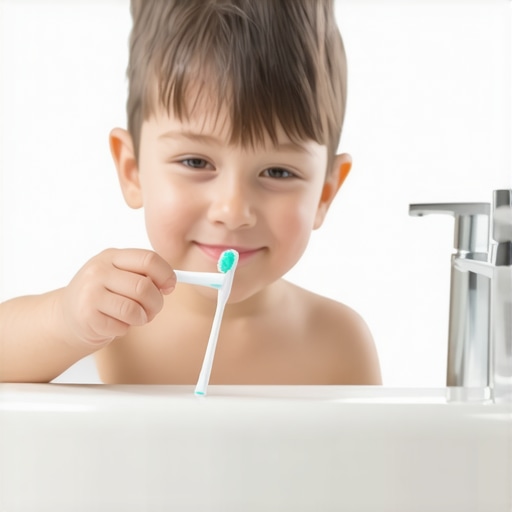
I remember standing in the bathroom, frozen, as my three-year-old licked a pea-sized mountain of bubblegum toothpaste off his brush like it was a gourmet dessert. I’d spent twenty minutes trying to explain that “we spit, we don’t swallow,” but the allure of that sugary, blue goo was just too strong. In that moment, I wasn’t just a parent; I was a frantic investigator wondering if I should call poison control or just buy a bulk pack of toothbrush-themed stickers. It’s a battle many of us in the family dentistry trenches know all too well. We want them to have clean teeth, but we don’t want their stomachs to become a repository for fluoride. Today, I’m going to share the exact strategies I used to turn my “toothpaste eater” into a spitting pro, so you can finally stop hovering over the sink with a look of pure dread. [image_placeholder]
The Candy Flavor Trap I Fell For
The truth is, I made a massive mistake early on. I bought the most delicious, candy-flavored paste I could find, thinking it would make brushing easier. It backfired. To a toddler, if it tastes like a strawberry cupcake, it is a strawberry cupcake. If you have a toddler who hates the taste and texture of toothpaste, you might actually have an easier time because they won’t want to keep it in their mouth! But for the rest of us, we’re dealing with a biological drive to swallow things that taste good. According to the American Academy of Pediatrics, young children often lack the motor skills to spit effectively until they are about three or even four years old. It’s a physical hurdle as much as a behavioral one.
Is a little swallowed paste really dangerous?
You might be wondering if this is a hill worth dying on. After all, it’s just a tiny bit, right? Well, the risk of dental fluorosis—which can cause white streaks or even pits on developing permanent teeth—is real if they’re gulping down fluoride regularly. This is where many parents get stuck. Some think switching to fluoride-free is the answer, but natural toothpastes without fluoride might be a risk for your kids because they miss out on essential cavity protection. Have you ever caught your little one treating the toothpaste tube like a Go-Gurt packet? It’s a stressful realization, but I promise we can fix the behavior without sacrificing their teeth cleaning secrets and overall oral hygiene. Let’s look at how we can transition from swallowing to spitting without the morning tantrum.
Stop the Swallow Before It Starts
To fix the ‘paste eater’ problem, we have to treat spitting like a physical skill, much like catching a ball or using a spoon. You can’t expect a child to master the mechanics of oral ejection while they are also distracted by a delicious strawberry flavor. I started by removing the temptation entirely.
Practice With a Clean Dry Brush
For three days, we used zero toothpaste. This allowed my son to focus purely on the sensation of the bristles without the overwhelming urge to swallow. During this phase, I focused on oral health tips every family should follow in 2025, which emphasize mechanics over products. We called it ‘tickling the teeth.’ If there’s nothing to swallow, the habit of gulping begins to fade.
Turn Spitting Into a Water Fountain Game
This was the turning point in our house. One Tuesday morning, I decided we weren’t leaving the bathroom until Leo made a ‘pfft’ sound. I knelt on the floor, mouth wide, looking like a gargoyle. I took a sip of water, puffed my cheeks out like a blowfish, and launched a stream into the basin. Leo tried to mimic me, but instead of a stream, he just let the water fall straight out of his mouth onto his favorite T-Rex shirt. He looked at the wet patch, then at me, and started cackling. It wasn’t a perfect spit, but the concept of releasing the liquid finally clicked. Using water as a ‘training liquid’ is safer and less messy than paste. 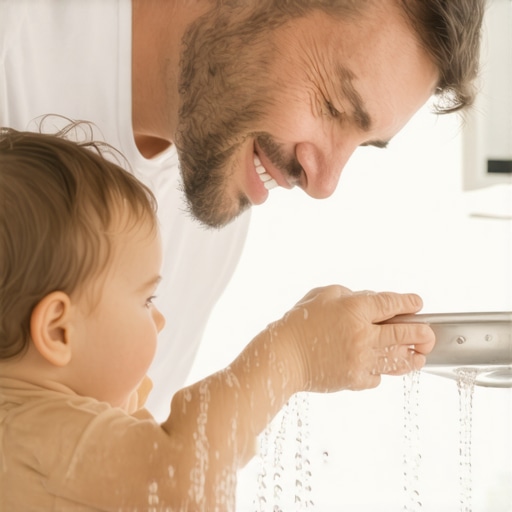
Shrink the Paste to a Tiny Speck
Once the water-spitting game is won, reintroduce the paste, but keep it to the size of a single grain of rice. Many parents use way too much, which makes the ‘gulp’ almost inevitable. By sticking to teeth cleaning secrets like minimal dosing, you ensure that even if they do have a slip-up and swallow, the fluoride intake is negligible. Think of the paste as a tiny helper, not a full meal. You can even supplement their diet with the 5 foods that act as natural toothbrushes for your family to take the pressure off the brushing session itself.
Let Them Be the Toothpaste Boss
Giving a toddler a sense of agency often stops the power struggle. I started letting Leo ‘load’ the brush himself under my strict supervision. When they feel in control of the tool, they are more likely to follow the ‘rules’ of the tool—which include the big spit at the end.
Why Early Mechanics Protect Future Dental Work
You might think these struggles are small, but building these habits now prevents massive headaches later. For instance, if a child grows up with poor hygiene habits, they might eventually need complex restorations. The impact of regular teeth cleaning on overall oral wellness cannot be overstated, especially as they age and potentially face the need for maintaining dental crowns or other interventions. Teaching them to spit now is the first step in a lifetime of avoiding the dentist’s drill for preventable issues.Let’s dig deeper into a nuance that even the most dedicated parents often miss. We spend so much time teaching our kids the mechanics of spitting and scrubbing that we forget to check if our own ‘expert’ habits are actually destructive. For years, I believed that the harder I brushed, the cleaner my teeth would be. I was wrong. In fact, many adults are surprised to learn that why your dentist wants you to stop using hard bristles isn’t just a suggestion; it’s a plea to save your enamel. Most people think ‘squeaky clean’ involves a heavy hand, but that mechanical force is a leading cause of preventable damage.
Stop Scrubbing Like You’re Cleaning a Kitchen Tile
The ‘squeaky clean’ feeling we crave is often a sign of mechanical abrasion. If you’ve noticed the reason your teeth look longer than they used to, you might be experiencing gum recession caused by over-aggressive brushing. This is a classic ‘oops’ factor in family dentistry. We think we’re being thorough, but we’re actually sawing away at the gingival margin, exposing sensitive roots that weren’t meant for the open air. #IMAGE_PLACE_HOLDER_C#
Does Your Morning Coffee Make Your Crown More Vulnerable?
Here is the hidden nuance: timing matters more than intensity. Most of us brush immediately after breakfast to ‘get the coffee off.’ This is a massive mistake. According to a study published in the Journal of the American Dental Association, brushing within 30 minutes of consuming acidic foods or drinks—like coffee, fruit juice, or even berries—can actually push the acid deeper into the enamel. The reason your coffee habit is ruining your crowns’ sealant often isn’t the drink itself, but the immediate brushing that follows. You are essentially sandpapering your teeth while the enamel is in its most vulnerable, softened state.
Wait an Hour Before You Reach for the Brush
Instead of immediate scrubbing, try rinsing with plain water to neutralize the pH. If you have existing restorations, understanding caring for crowns means knowing when to step away from the sink. This sophisticated approach to an oral health routine ensures you aren’t accidentally accelerating wear and tear. We need to shift our mindset from ‘cleaning’ to ‘preserving.’ I’ve seen patients who are meticulous with their teeth cleaning secrets but still end up needing expert advice on crowns because they didn’t respect the ‘acid window.’ The impact of regular teeth cleaning on overall oral wellness is profound, but only if it’s done with the right technique. Have you ever fallen into the trap of ‘over-cleaning’ right after a meal? I know I did for years. Let me know in the comments if this changes your morning routine!I used to think my manual brush was enough, but my dentist pointed out tiny micro-fractures in my enamel that were basically a roadmap for future cavities. That was the wake-up call I needed to invest in high-end tools and move beyond the basics. I personally switched to a sonic brush with a built-in pressure sensor because it vibrates to warn me whenever I’m pressing too hard—literally saving my gums from my own over-eagerness. If you’re serious about an oral health routine strengthening your smile every day, this isn’t a luxury; it’s preventative maintenance. For those of us with older fillings or porcelain work, caring for crowns involves more than just a quick scrub. I’ve added a water flosser to my nightly ritual because it reaches the margins where traditional string often fails, which is vital for maintaining your dental crowns and keeping the seal intact.
How can I make my professional dental results last for years?
The secret isn’t just what you do at home; it’s respecting the schedule of how often you actually need a professional scaling to prevent bone loss. My hygienist explained that plaque hardens into tartar in as little as 24 to 72 hours, and once it’s there, no amount of home brushing will budge it. This is why why ultrasonic cleaning is faster and more comfortable than hand scaling has become my preferred method; it uses high-frequency vibrations to blast away debris without that aggressive scraping sound. According to a study in the Journal of Clinical Periodontology, consistent interdental cleaning combined with professional biofilm management reduces the risk of tooth loss by over 40% in adults. Looking ahead, I predict we’ll soon see AI-integrated toothbrushes that analyze our saliva pH in real-time to detect inflammation before we even feel a twinge. For now, the best insurance policy you can buy is a custom-fit protector. I realized that how a simple night guard can save you thousands in future dental work is the most underrated tip in family dentistry, especially if you tend to clench during stressful work weeks. #IMAGE_PLACE_HOLDER_D#
Start Your Oral Longevity Kit Today
If you want to stop the cycle of ‘fix and repeat,’ start with one specific upgrade: swap your medium-bristled brush for a soft-bristled electric version today. Most of us brush for less than a minute without realizing it, so let the timer do the work for you. Your future self will thank you when you’re still rocking your natural teeth decades from now. If you’re unsure which tool is right for your specific dental history, feel free to contact us for a personalized recommendation.
Lessons Learned From the Front Lines of Family Dental Drama
I used to think a white smile was the only metric of success, but my journey through parent-led dental care taught me otherwise. One of the most significant lightbulb moments was realizing that the connection between your heart health and your last dental cleaning is incredibly direct; oral inflammation is a systemic warning light. I also learned that persistence with the water-spitting game is better than a perfect result on day one. Most importantly, I discovered that my own stress-grinding was undoing all my hard work. Realizing how a simple night guard can save you thousands in future dental work was the single best financial decision I made for my mouth. Dental health isn’t a destination; it’s a series of tiny, repeated wins.
The High-Value Tools I Use to Keep My Gums Happy
You don’t need a bathroom cabinet overflowing with gadgets to see results. I swear by three specific essentials. First, a high-quality electric brush with a visible pressure sensor—it’s the only thing that stopped my habit of ‘sawing’ at my gums. Second, I keep a bowl of the 5 foods that act as natural toothbrushes for your family, like crisp apples and celery, for those busy afternoons when we can’t reach a sink. Third, a cordless water flosser has been a game-changer for my teenagers who otherwise ‘forget’ to floss. If you’re feeling overwhelmed by the endless options in the dental aisle, you can always contact us for a personalized recommendation tailored to your family’s unique needs.
Take the First Step Toward Your Forever Smile Today
Transitioning from a ‘toothpaste swallower’ to a savvy oral health pro doesn’t happen overnight, but the effort pays dividends for decades. Whether you are retraining a toddler or refining your own oral health routine strengthening your smile every day, remember that every gentle brush and every delayed coffee rinse matters. You are building a foundation of confidence that will serve your family for a lifetime. [image_placeholder] Have you ever struggled with a toddler who treats toothpaste like a gourmet snack, or are you still trying to break the habit of brushing immediately after your morning coffee? Let me know your biggest hurdle in the comments below!