
I was on my knees, sweating, while my two-year-old arched her back and screamed like I was trying to feed her broccoli-flavored lava. All I had in my hand was a soft-bristled brush and a tiny smear of ‘bubblegum’ paste that, honestly, smelled more like a chemical plant than a candy shop. She hated the taste. She hated the gritty texture. Most of all, she hated me trying to control her mouth. I looked at the sink, then at her tear-streaked face, and felt like a total failure as a parent. If I couldn’t even get her to brush for thirty seconds, how was I supposed to protect her from the scourge of early childhood cavities? It felt like a nightly WWE match where nobody won, and my stress levels were through the roof.
That Night I Almost Gave Up on Brushing
It is easy for dentists to sit in their sterile offices and say ‘just brush twice a day,’ but they aren’t in your bathroom at 7:30 PM when the sensory meltdown starts. I made a massive mistake early on: I thought I could just ‘power through’ the resistance. I figured she would eventually get used to it if I was firm enough. Spoiler alert: she didn’t. It only made her associate the toothbrush with fear and frustration. We need a better way to handle family dentistry than turning the bathroom into a battleground every single evening. The ‘why’ behind this struggle matters because toddler teeth are surprisingly fragile. According to the Centers for Disease Control and Prevention (CDC), about 20% of children aged 2 to 5 have at least one untreated cavity. That is a staggering number. If we do not find a way to make the paste palatable and the texture tolerable, we are setting them up for a lifetime of dental anxiety. Today, I am going to share exactly how I flipped the script from ‘no way’ to ‘okay, maybe’ by focusing on sensory-friendly hacks and gradual transitions that actually work for a toddler’s unique perspective.
Does the flavor really matter this much?
You might be thinking, ‘It is just toothpaste, surely they will just get over it?’ But for a toddler, a strong minty flavor can actually feel like it is burning their mouth. Their taste buds are incredibly sensitive. When you combine that with the foamy or gritty texture of many commercial brands, it is a recipe for sensory overload. I have learned that staying ahead of oral health trends means looking at the ingredients—sometimes the foaming agent, like Sodium Lauryl Sulfate (SLS), is the real villain because of that weird tingling sensation it creates. Have you ever had a night where you just considered letting them go to bed with ‘dirty’ teeth just to keep the peace? Trust me, I have been there more times than I care to admit. We are going to fix this. We will look at how to pick a paste that doesn’t trigger a gag reflex and how to introduce the brush without the drama. We might even touch on why skipping fluoride isn’t always the best shortcut despite the taste struggles. It is all about finding that middle ground where their teeth stay clean and your sanity stays intact.
Stop the Brushing Battle with Better Positioning
The biggest hurdle I faced wasn’t just the screaming; it was the total lack of visibility. I was trying to brush while my daughter was standing up, which is like trying to detail a car engine while the hood is half-closed. You need a clear line of sight to be effective. I started using the ‘lap technique’—sit on the floor or a sofa and have your child lay their head in your lap. This gives you total control and allows you to lift the lips to see the gum line clearly. When I first tried this on a frantic Tuesday evening, the difference was night and day. I wasn’t poking her cheeks blindly anymore, and she felt more secure being cradled. This simple shift is one of those home practices for family dental health that changes everything because it reduces the physical struggle for both of you.
Choose Your Toothpaste Like a Tiny Food Critic
We often forget that kids have way more taste buds than we do, and their sensitivity is dialed up to ten. If a paste is too ‘spicy’ (which is how they describe mint) or too gritty, it feels like sandpaper in their mouth. I went through four different brands before finding a clear gel that didn’t foam up. Most toothpaste foams because of Sodium Lauryl Sulfate (SLS), but that bubbly sensation can be terrifying for a toddler with sensory sensitivities. However, be careful not to swing too far into the ‘all-natural’ camp without checking the ingredients. You have to understand why natural toothpastes without fluoride might be a risk for your kids, especially if they have a diet high in fruit sugars. It is a delicate balance between a flavor they will tolerate and the mineral protection they actually need to avoid a trip for an early filling.
Swap Your Tools to Lower the Resistance
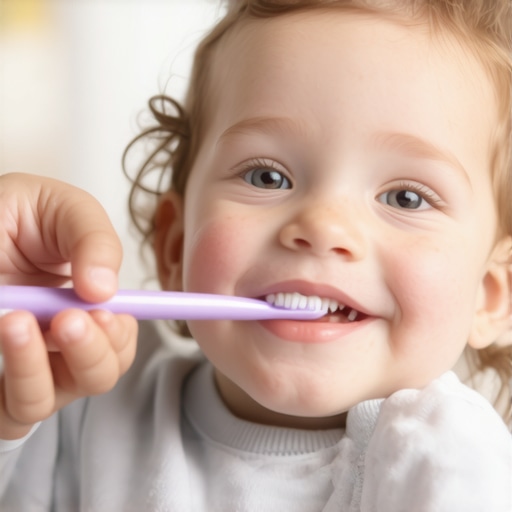
If the manual brush feels like a chore, it might be time to introduce some gentle vibration. I was initially worried the buzzing would scare my daughter, but she actually preferred it because it felt more like a ‘mouth massage’ than a scrubbing tool. Learning how to transition your child to an electric toothbrush without a fight involves letting them play with the brush while it is turned off first. Let them feel the bristles on their hand, then their cheek, and then their teeth. It takes the mystery out of the device. Think of the brush as a tiny power tool for a construction site; if the site manager (the toddler) doesn’t know how the equipment works, they won’t let you on the lot. This proactive approach helps maintain the long-term goals of family dentistry by preventing pain and dental fear before they ever take root.
Try the Two-Brush Strategy for Independence
Toddlers are obsessed with autonomy and ‘doing it myself.’ I found that if I gave my daughter her own brush to hold while I used a second one to do the actual cleaning, she felt like she was in charge of the operation. It turned a power struggle into a collaboration. I would say, ‘You scrub the bottom, and I will get the top!’ Even if she just chewed on hers, it kept her hands busy and her mouth open. This kind of ‘parallel play’ is a cornerstone of oral health tips every family should follow to avoid the ‘clamped jaw’ reflex. One night, she even tried to brush my teeth with her spare brush. It was messy, and I ended up with paste on my nose, but she was laughing instead of crying. That is the ultimate win for a parent.
Protect Those Molars from Nighttime Decay
One of the most dangerous habits we had to break was the ‘comfort bottle’ or milk cup at bedtime. If milk or juice sits on those tiny teeth all night, the lactose and sugars throw a party that leads straight to rapid decay. You have to know how to prevent toddler tooth decay from nighttime bottle feeding by switching to plain water or ensuring you brush after that last drink. If we do not catch these issues early, we end up discussing the role of crowns in modern smile makeovers far earlier than any parent ever wants. I remember the panic I felt when I saw a tiny white spot on her front tooth—that was my wake-up call that ‘good enough’ brushing wasn’t cutting it. We had to get serious about the back molars, which are the real magnets for trapped food and plaque buildup.
We often assume that if we skip the juice boxes and lollipops, we are in the clear. But here is the contrarian truth: even the most ‘sugar-free’ households can face dental disasters. I have met parents who are meticulous about diet, yet their kids still end up in the chair. This usually happens because we overlook the biological nuances of the mouth. You need to understand why some children get cavities despite never eating candy; often, it is about the mouth’s pH balance and the frequency of grazing rather than just the sugar content itself. If your child is snacking every thirty minutes, their saliva never gets a chance to neutralize the acids, leaving their enamel under a constant state of siege.
The Trap of Assuming All Cleanings Are Equal
One of the most common mistakes I see adults make is treating a dental appointment like a car wash—you go in, get a scrub, and leave. But there is a massive difference between a quick polish and actual therapeutic care. Most people do not realize the difference between a standard cleaning and a gum therapy session. If you have any underlying inflammation, a standard ‘prophy’ is like painting over a rusted fence. It looks good for a week, but the structural damage continues underneath. This is why the impact of regular teeth cleaning on overall oral wellness cannot be overstated; it is not just about a white smile, it is about preventing systemic inflammation that can affect your entire body.
Why does my dentist suggest different materials for different teeth?
It is easy to think a crown is just a crown, but that is a dangerous ‘oops’ factor that can lead to wasted money and repeat procedures. When it comes to restorative work, location is everything. We have to look at why we use different materials for front crowns versus back molars. For example, a beautiful porcelain crown might look great on a front tooth but will shatter under the immense grinding pressure of a back molar. For those heavy-lifting teeth, something like zirconia or even gold is far superior for longevity. According to a study published in the Journal of Adhesive Dentistry, the failure rate of crowns drops significantly when the material is matched specifically to the patient’s bite force and grinding habits. If you choose aesthetics over durability in the back of your mouth, you are likely to experience the most common reason dental crowns fall out, which is mechanical failure from improper material selection.
The real secret to mastering family dentistry is moving past the basics and looking at the ‘hidden’ risks, like how stress-induced grinding can crack a crown or how a minor chip can lead to an internal infection if ignored. We often wait for pain to be the signal to act, but in the dental world, if it hurts, you are usually already looking at a more invasive and expensive fix. Taking a proactive stance means seeing the dentist as a partner in prevention rather than an emergency mechanic. Have you ever fallen into the trap of waiting for a tooth to hurt before booking an appointment? Let me know in the comments, and let’s talk about how to break that cycle for good.
I used to think that as long as I didn’t have a hole in my tooth, I was winning. But after seeing how quickly a small oversight can turn into a major procedure, I changed my entire kit. The truth is, your bathroom counter needs to look less like a grocery store shelf and more like a precision laboratory. I personally swear by a high-end sonic brush paired with a water flosser. Why? Because manual brushing often misses the microscopic ‘pockets’ where bacteria congregate, especially if you have existing restorative work. If you want expert advice on crowns and teeth cleaning for lasting results, you have to realize that the junction where the crown meets your natural tooth is the most vulnerable spot for new decay.
Why I Swapped String Floss for a High-Powered Jet
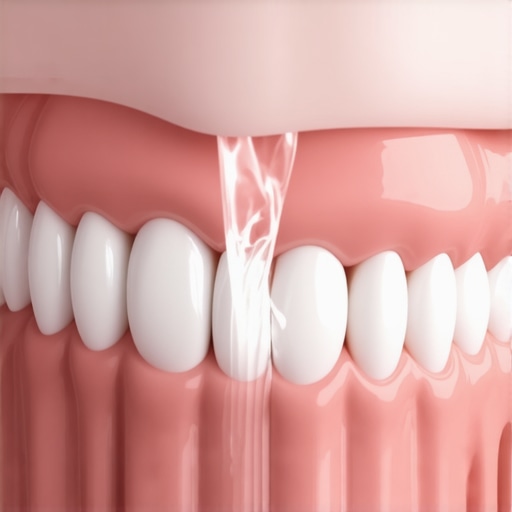
I’ll be honest: I hated flossing. It felt like a chore that I’d skip three nights out of four. That changed when I invested in a water flosser with a specialized orthodontic tip. It isn’t just about the convenience; it’s about fluid dynamics. The pressurized stream can penetrate up to 6mm into the gingival sulcus, reaching areas that traditional floss simply shreds against. This is particularly vital for caring for crowns and essential tips for longevity because it flushes out the biofilm without risking the seal of the cement. I noticed my gums stopped bleeding within ten days of making the switch. It’s one of those teeth cleaning secrets that professional hygienists use but rarely emphasize enough for home care.
How do I keep my crowns and natural teeth healthy for decades?
Maintenance is a marathon, not a sprint. Beyond the daily scrub, you have to protect your investment from mechanical wear. I realized this the hard way after waking up with a sore jaw and a ‘clicking’ sensation in my dental work. I found that how a simple night guard can save you thousands isn’t just marketing—it’s a structural necessity for anyone who carries stress in their jaw. By wearing a custom-fitted guard, I’m not just protecting my enamel; I’m preventing the porcelain on my back molars from fracturing under the 200+ pounds of pressure we exert while grinding at night. You should also be following a strict oral health routine strengthening your smile every day to keep the surrounding gum tissue firm and pink.
AI and Bio-Printing Are the Next Frontier for Your Smile
Looking ahead, the way we handle family dentistry is about to get a major tech upgrade. I predict that within the next five years, we will see AI-integrated toothbrushes that don’t just track *where* you brush, but analyze the chemical composition of your saliva in real-time to alert you to rising acidity levels before a cavity even forms. We are also seeing incredible progress in bio-scaffolding. According to a technical report in the International Journal of Periodontics & Restorative Dentistry, researchers are refining ways to use 3D-printed ‘growth factors’ to regenerate lost bone around failing teeth. This means the future isn’t just about better ‘fake’ teeth like crowns, but potentially regrowing the support systems we thought were gone forever.
If you take away one thing from my journey, let it be this: don’t wait for a flare-up to start a professional-grade habit. I want you to try one specific thing tonight: the salt water trick that calms gum inflammation. It’s the simplest, most effective way to reset your mouth’s pH balance after a long day of eating and drinking. It’s these small, consistent actions that determine whether you’ll be sitting in the dentist’s chair for a quick chat or a three-hour overhaul. Your future self will thank you for the five minutes of effort you put in today.
Reflecting on those early nights of wrestling with a toothbrush, I realize that oral health isn’t about perfection; it’s about progress and patience. We often focus so much on the ‘brush and floss’ command that we forget the emotional component of dental care for our kids and ourselves.
The Hardest Lessons I Learned Managing My Familys Dental Health
First, I learned that timing is everything. You should never brush your teeth immediately after eating citrus or acidic foods because it can actually rub the acid into your enamel and cause erosion. Waiting thirty minutes allows your saliva to neutralize the acidity naturally. Second, I discovered that aesthetics and function can coexist beautifully. Understanding why ceramic crowns are the best choice for your front teeth helped me prioritize my own dental confidence while focusing on my kids’ health. Finally, I realized that maintaining your dental crowns dos and donts is a lesson best taught by example; when my kids see me meticulously caring for my smile, they are far more likely to take their own routine seriously.
#IMAGE_PLACEHOLDER_E#
My Tested Toolkit for a Cavity-Free Home
I have narrowed down my daily routine to a few essentials that actually make a difference for a busy household. I highly recommend a high-quality water flosser with an adjustable pressure setting, especially for those with restorative work. I also suggest incorporating the 5 foods that act as natural toothbrushes for your family, such as apples and crunchy celery, which stimulate saliva and scrub tooth surfaces naturally between meals. When it is time for professional help, I always seek out modern tech, having found that ultrasonic cleaning is faster and more comfortable than hand scaling, making the experience much better for nervous family members. Lastly, keep a stash of xylitol-sweetened mints; they are a game-changer for neutralizing mouth pH when you are on the go.
Building a Legacy of Healthy Smiles Together
Taking control of your family’s oral health does not happen overnight. It starts with one less power struggle in the bathroom and one more positive checkup at the clinic. I have seen firsthand how crowns can transform your dental confidence and restore a sense of pride in your appearance. By implementing a solid oral health routine strengthening your smile every day, you are giving your children a gift of health that lasts a lifetime. You have got this, and your family’s smiles are worth every bit of the effort. Have you ever struggled with a toddler who refuses to brush, or have you found a unique trick that works for your household? Let me know in the comments below!