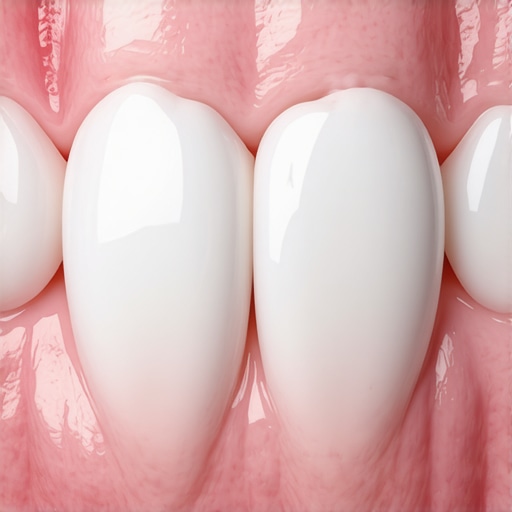
Last Tuesday, I was brushing my teeth and noticed my gums looked like they’d just gone three rounds with a heavyweight boxer. Swollen, puffy, and a scary shade of crimson. I braced myself for the sharp, lightning-bolt pain of a cavity, but it never came. Nothing. My teeth felt solid, yet my gums were screaming for help without making a sound. It’s a bizarre, unsettling feeling that makes you wonder if your mouth is playing a prank on you. You poke at the tissue, expecting a wince, but there’s just… silence. [image]
The Reason My Gums Turned Red Overnight
I used to think that as long as I wasn’t clutching my jaw in agony, everything was fine. Boy, was I wrong. Early on in my journey to better dental health, I made a classic mistake: I ignored a bit of puffiness because I was too busy to deal with an appointment. I assumed it was just a rough piece of toast or maybe I’d been a bit too aggressive with the floss. I waited weeks. By the time I finally sat in the dentist’s chair, I learned that silence doesn’t mean safety; it often means the problem is just getting started. Today, we are going to peel back the layers on why your gums swell up when your teeth feel perfectly fine. I want to help you spot the difference between a minor irritation and a quiet emergency so you don’t end up needing to know what to expect during your first deep cleaning like I eventually did. We’ll look at everything from plaque buildup to the simple teeth cleaning secrets that can turn things around at home.
Is This Swelling Actually Worth the Panic?
It’s easy to be skeptical when there’s no throbbing pain to keep you awake at night. If it doesn’t hurt, why worry? But here is the reality: your gums are the foundation for your teeth, and they are surprisingly sensitive to what’s happening in the rest of your body. When that tissue is inflamed, it’s often a sign of gingivitis or even systemic issues you wouldn’t expect. According to the Centers for Disease Control and Prevention (CDC), nearly 47.2% of adults aged 30 and older have some form of periodontal disease. That is a staggering number of people walking around with ‘silent’ symptoms that could lead to tooth loss if left unchecked. Sometimes, the fix is as simple as refining your oral health routine or realizing there is a hidden reason your gums still bleed even when you think you’re doing everything by the book. We all want to focus on building a lifetime of healthy smiles, but that starts with paying attention to these quiet warnings before they get loud. Have you ever noticed your gums looking a bit ‘angry’ even when your teeth felt great? I’d love to know what you did first—did you wait it out or call the pro right away? Let’s dive into what’s actually going on in there.
Flush Out the Hidden Bacteria Trap
To get those gums back to a healthy pink, you have to think like a specialized cleaner. Plaque isn’t just food debris; it’s a living biofilm that acts like a sticky, invisible blanket over your teeth. If you don’t break it up every single day, it calcifies into tartar—essentially ‘dental concrete’ that your brush can’t touch. This is the hidden reason your gums still bleed even when you think you’re being diligent. You need to focus on the ‘mechanical disruption’ of that film rather than just a quick surface scrub.
Switch to Techniques That Actually Reach the Pocket
Standard back-and-forth scrubbing is like trying to wash a car with a dry sponge; it just moves the dirt around. Instead, angle your bristles at 45 degrees toward the gum line. This allows the bristles to slip slightly into the ‘sulcus’—the tiny pocket where your tooth meets the gum. By strengthening your oral health routine with this slight adjustment, you’re targeting the exact spot where inflammation starts. Using a soft-bristled brush is crucial here; hard bristles can cause micro-tears in the tissue, leading to more inflammation. If you’ve recently upgraded your tech, you might notice why your gums bleed when you switch to an electric toothbrush—it is often just the vibration loosening up deep-seated debris that your old brush missed for months. 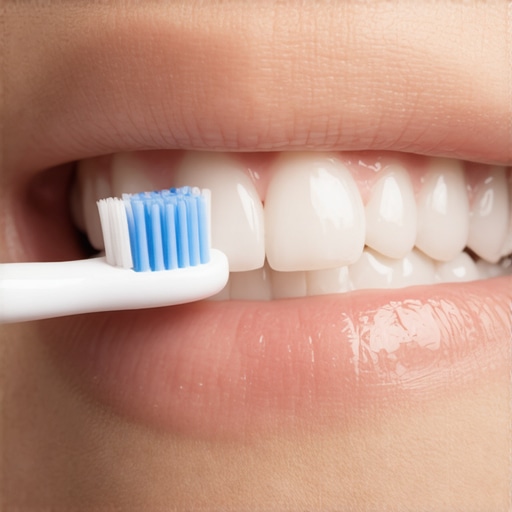
Check for Hidden Irritants Under Your Hardware
If you have restorations like crowns or bridges, your gums might be reacting to something trapped underneath or around the edges. I once spent an entire weekend thinking I had a massive infection because the gums around my back molar were throbbing. I was terrified I needed a root canal, but it turned out to be a single, microscopic popcorn hull wedged into the gum pocket. Learning how to remove a popcorn hull stuck under your gum line safely can prevent a lot of unnecessary panic and stop the swelling before it turns into an abscess.
Keep Your Dental Crowns from Harboring Bacteria
Crowns are fantastic for restoring function, but they require a different approach than natural enamel. The ‘margin’ where the porcelain meets your natural tooth is prime real estate for bacterial growth. Following the maintaining your dental crowns dos and donts is non-negotiable if you want to keep that tissue healthy. If that margin isn’t kept perfectly clean with floss or an interdental brush, the gums will swell in protest, eventually leading to recession.
Get the Professional Reset You Cannot Do at Home
There is a hard limit to what home care can achieve once inflammation sets in. A professional prophy cleaning removes what your toothbrush can’t touch, especially those hardened deposits below the surface that keep the gums in a state of constant alarm. If you’ve been ignoring your gums for a while, you might need to know how often you actually need a professional scaling to keep the underlying bone from being affected. Modern dental tech like ultrasonic cleaning is faster and more comfortable than the old-school scraping methods, making it much easier to hit the reset button on your oral health.
Stop Assuming Bleeding is Normal During Your Routine
Many people tell me they’ve accepted a little pink in the sink as a standard part of life, especially when they start a new flossing habit. I’m here to tell you that this is a dangerous misconception. Everyone says that if your gums bleed, you just need to ‘tough it out’ and floss more until it stops, but in my experience, persistent bleeding is a sign that your body is currently losing a battle with bacteria. It’s not just a physical irritation; it’s an inflammatory response. According to the American Academy of Periodontology, chronic inflammation in the mouth is a major risk factor for systemic conditions like cardiovascular disease and diabetes. If your gums are still puffy despite daily care, you might be falling for the mistake most people make by treating the symptom rather than the source. You shouldn’t just brush harder; you need to change how you disrupt the biofilm. Use teeth cleaning secrets like switching to an extra-soft brush to avoid scrubbing away your delicate enamel while still clearing out the bacteria. 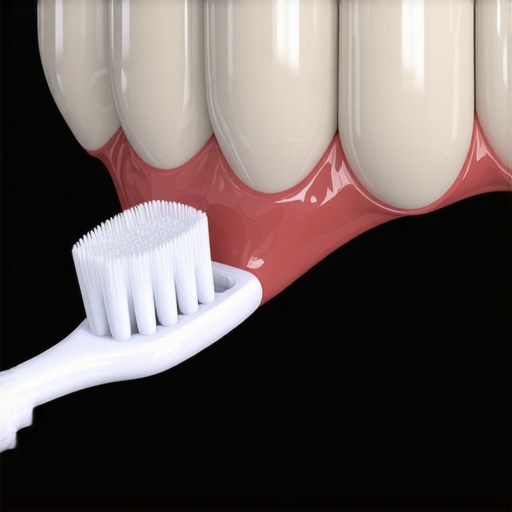
Watch Out for the Hidden Gap Under Your Restorations
The biggest ‘oops’ factor I see with long-term dental health is the ‘set it and forget it’ mentality regarding restorations. If you have a crown, you might think that tooth is now invincible. That couldn’t be further from the truth. The ‘trap’ to avoid is neglecting the margin—that microscopic line where the crown meets your natural tooth. This is where caring for crowns becomes a high-stakes game. If plaque accumulates there, it can lead to a cavity *underneath* the crown where you can’t see it and your dentist can’t easily detect it without X-rays. This is often why your crown feels loose when you wake up; the foundation itself is being compromised by ‘silent’ decay. To avoid this, you need to be proactive with maintaining your dental crowns dos and donts, which includes using a water flosser or interdental brushes to flush out that specific margin.
Why does my crown still feel sensitive to cold even years after placement?
This is a sophisticated question that often puzzles patients who think the nerve should be ‘protected’ by the cap. If you’re experiencing this, it’s usually because of gum recession. When the gum line retreats—even by a millimeter—it exposes the natural tooth root below the crown’s edge. Unlike the crown, the root doesn’t have enamel protection, leading to sharp sensations. This is a common nuance discussed in expert advice on crowns and teeth cleaning. It can also be a sign of a ‘high’ bite, where the crown is hitting its opposite tooth just a fraction of a second too early, causing the ligament to become inflamed. If you’ve ever felt like your dental work was ‘finished’ only to have it act up years later, have you ever fallen into this trap of ignoring the subtle signs? Let me know in the comments! Staying on top of oral health tips every family should follow will help you catch these tiny shifts before they become expensive repairs.I used to think a standard manual brush was enough, but my hygienist finally convinced me to go electric after years of fighting inflamed gums. I personally switched to a sonic toothbrush with a built-in pressure sensor. If you are like me and tend to ‘over-scrub’ when you are in a rush, that little vibration change tells you to back off before you ruin your gum line. According to a systematic review published in the Cochrane Library, powered toothbrushes—especially those with oscillating-rotating technology—showed a modest reduction in plaque and gingivitis compared to manual brushing over both the short and long term. This is not just marketing hype; it is about the sheer number of strokes per minute your hand simply cannot replicate. 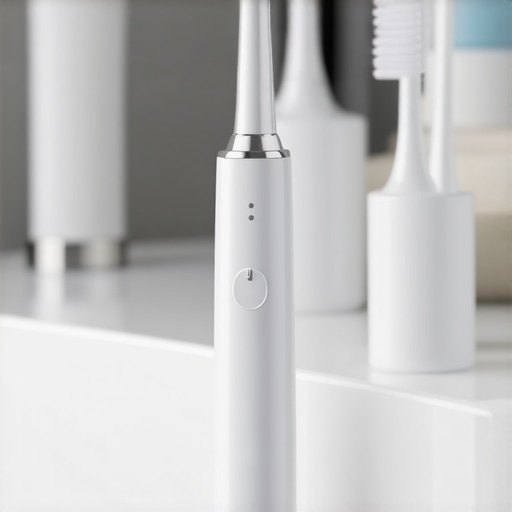 Beyond the brush, I have become an evangelist for interdental brushes. Floss is great for tight spaces, but if you have gaps or restorations, those tiny, reusable brushes are life-changers because they actually scrub the sides of the teeth. If you want to see the impact of regular teeth cleaning on overall oral wellness, you have to start treating the hidden spaces between your teeth with as much respect as the surfaces.
How do I maintain my crowns and gums for decades?
The secret to longevity is not a one-time fix; it is a series of small, intentional habits. I have learned that caring for crowns means avoiding ‘sticky’ situations—literally. I stopped eating hard caramels after a close call with a porcelain cap. I also started wearing a custom bite guard every night. It sounds like a chore, but realizing how a simple night guard can save you thousands in future dental work was a major ‘lightbulb’ moment for me. It protects the porcelain from the immense pressure of night-time grinding, which is a leading reason restorations fail prematurely. To ensure you are getting expert advice on crowns and teeth cleaning, I recommend asking your dentist for a ‘marginal integrity’ check at every six-month visit. They can use a fine explorer tool to make sure the seal between the crown and your tooth is still perfectly tight. Smart tech is coming for your bathroom sink, and I predict we will soon see brushes that analyze the chemical makeup of your saliva to detect early-stage inflammation before you even see redness. For now, the best thing you can do is stay consistent with oral health tips every family should follow in 2025. My challenge to you this week: swap your standard floss for an interdental brush for just seven days. You will be shocked at what your old routine was leaving behind. Check out our teeth cleaning secrets for more ways to level up your home care.
What I Discovered When I Stopped Waiting for the Pain to Start
I realized that “no pain” is the biggest lie in modern dentistry. Just because your nerves aren’t firing doesn’t mean your bone isn’t slowly dissolving under inflamed tissue. Bleeding is your body’s alarm system, and ignoring it is like muting a smoke detector because you don’t see flames yet. My biggest “lightbulb” moment was learning that a solid oral health routine isn’t about scrubbing harder—it’s about being more strategic with where the bristles actually go. I also stopped thinking of my restorations as invincible caps; caring for crowns is actually more labor-intensive than natural teeth because of that tiny margin where bacteria love to hide.
#IMAGE_PLACEHOLDER_E#
The Daily Toolkit That Keeps My Gums Looking Pink and Healthy
An electric toothbrush with a pressure sensor is my top recommendation for anyone struggling with puffiness. It keeps you from over-brushing, which I learned the hard way after seeing why your gums bleed when you switch to an electric toothbrush during that initial adjustment period. Interdental brushes are my second “must-have” tool because they reach the concave areas of the tooth that floss simply skips over. I also never sleep without my custom orthotic now; it’s wild how how a simple night guard can save you thousands in future dental work by simply preventing the micro-trauma of grinding. Finally, I commit to that six-month “reset” because understanding what a professional prophy cleaning removes gave me a new respect for the stubborn plaque my brush just can’t touch.
Why You Should Listen to Your Gums Before They Start Screaming
It’s easy to put off a checkup when you feel fine, but your future self will thank you for being proactive. Taking a family dentistry focus means teaching everyone in the house that a healthy mouth is the gateway to a healthy body. Don’t wait until you have to learn how to stop a minor toothache from becoming a major emergency. Start today, refine your technique, and keep those gums as solid as the teeth they protect. Have you noticed your gums looking a bit angry lately even though your teeth feel totally fine? Let me know what your first step was in the comments below!