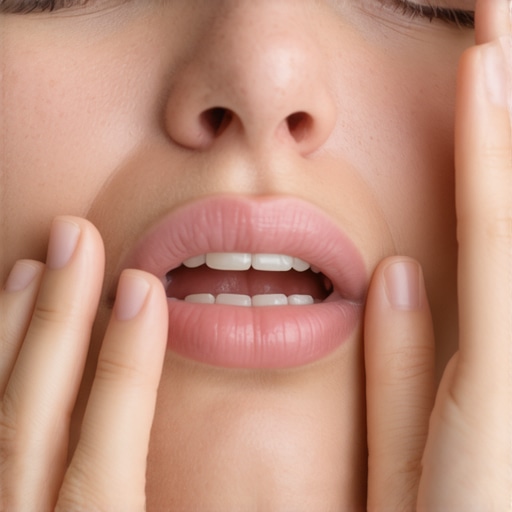
I’ll never forget the Tuesday morning I woke up convinced I was about to lose my upper left molar. Every step I took sent a jolt of electricity through my jaw, and honestly, I was already mourning the cost of a new crown. I’ve always been diligent about my oral health routine, so the sudden, throbbing pressure felt like a personal betrayal. I spent hours poking at my gums and wondering if I’d missed some teeth cleaning secrets that would have saved me. I even made the classic mistake of scheduling an emergency appointment, fully prepared for a drill, only for my dentist to ask one simple question: “Have you been congested lately?” [image_placeholder]
Why Your Back Teeth Might Be Blaming Your Nose
It turns out, our bodies are built like a poorly organized apartment complex where the neighbors constantly complain about each other’s noise. Your maxillary sinuses sit right on top of your upper teeth. When those sinus cavities get inflamed or filled with fluid, they press down directly on the nerves of your tooth roots. Today, I’m going to help you decipher that confusing map of pain so you don’t end up paying for a dental procedure you don’t actually need. We will look at the “jump test,” the “lean-over method,” and how to distinguish a true dental emergency from a seasonal allergy flare-up.
Can a cold really make my teeth feel like they’re falling out?
The skepticism is real. Most of us think tooth pain is localized—if it hurts *here*, the problem is *here*. But the American Dental Association confirms that sinusitis is one of the most common copycat causes of tooth sensitivity. I once spent a small fortune on extra sensitivity toothpaste, only to realize my problem was a $10 pack of decongestants. If you’re feeling a dull ache in several teeth at once rather than one specific spot, you’re likely dealing with the connection between sinus infections and upper tooth pain rather than a structural failure. Have you ever felt a toothache vanish the moment your nose finally cleared up? It’s a bizarre relief, but it’s also a sign that your family dentistry checkups are doing their job and your teeth are actually fine. Before you panic about the impact of regular teeth cleaning not being enough, let’s look at the specific physical cues that give the sinus culprit away.
Use the Lean-Over Test to Check for Sinus Pressure
The fastest way to see if your toothache is actually a sinus issue is to change your head’s relationship with gravity. Stand up straight, then slowly bend over to touch your toes. If that dull throb in your upper molars intensifies into a sharp, heavy pressure the second your head goes below your waist, it’s almost certainly your sinuses. Think of your sinus cavity like a water balloon resting on top of your tooth roots. When you tip your head, the fluid shifts, putting immediate weight on those sensitive nerves. This is a classic sign that you need to address inflammation rather than worrying about expert advice on crowns and teeth cleaning for a structural break. When I tried this during my last “emergency,” the sudden surge of pressure was so undeniable I actually laughed with relief. I knew right then my tooth was fine; my head was just full of spring pollen.
Why Movement Changes the Level of Pain
If you find that your “toothache” gets worse when you walk down stairs or jump, you’re looking at a mechanical issue within the sinus, not a cavity. Impact causes the fluid in the maxillary sinus to bounce, which repeatedly taps the nerves of your upper teeth. A real dental infection usually pulses with your heartbeat and doesn’t care if you’re jogging or sitting still. If you’re experiencing this, it’s worth trying to fix a sensitive tooth flare-up before your next appointment by using a saline rinse or a decongestant to see if the tooth pain subsides as the pressure drains. #IMAGE_PLACE_HOLDER_B#
Check Your Saliva and Other Physical Cues
Look beyond the tooth itself. Are you waking up with a dry mouth or noticing that your saliva turns thick and sticky? This often happens when you’re mouth-breathing due to congestion, which dries out the gums and can make your teeth feel “tall” or sensitive. Also, pay attention to the timing of your discomfort. Sinus-related toothaches are often worse in the morning because fluid has settled overnight. If you have a dull morning headache coupled with upper tooth pain, it’s a major red flag for sinusitis.
Focus on One Tooth vs Several
A helpful rule of thumb in family dentistry is to count the “victims.” A cavity or a cracked root usually affects one specific tooth. If you bite down on a piece of bread and only one spot screams, it’s time to call the dentist. However, if the entire upper-left quadrant of your jaw feels tight and tender, the connection between sinus infections and upper tooth pain is likely the culprit. When my toothache was at its worst, I noticed that even touching my cheekbone felt tender—that’s a clear sign the infection is in the “attic” (the sinus) and not the “basement” (the tooth). Learning how to stop a minor toothache from becoming a major emergency starts with identifying exactly where the pressure originates.
Stop Treating Every Ache Like a Cavity
Most people believe that once they get a professional restoration, the tooth is bulletproof. It’s a common misconception in family dentistry that a crown solves the problem forever. In reality, getting a crown is just the beginning of a different maintenance phase. If you’ve ever wondered about the truth about how long a porcelain crown actually lasts before replacement, it’s often determined by what’s happening in your nose and your jaw, not just the porcelain itself. I’ve seen people rush into a restorative procedure because of a lingering ache, only to find the pain persists because the issue was actually referred pressure from a chronic sinus condition. This is the ultimate ‘oops’ factor: paying for a complex dental solution for a respiratory problem.
How can I tell if my dental crown is cracked or just the cement?
This is a question that separates the beginners from the experts. If you feel a sharp zing when you bite down, you might panic and assume the structural integrity of the tooth is gone. However, sometimes it is just the bonding agent failing. You should learn how to tell if your dental crown is cracked or just the cement before you agree to a full replacement. A study published in the Journal of Endodontics indicates that nearly 12% of patients with odontogenic-like pain actually have non-dental origins, such as maxillary sinusitis. If you jump to a crown too quickly, you might be capping a perfectly healthy tooth that just needed a decongestant. 
The Dangerous Loop of Sinus Pressure and Tooth Grinding
Here is a nuance most people miss: sinus pressure doesn’t just mimic tooth pain; it can actually cause it. When your sinuses are inflamed, your bite often shifts slightly to compensate for the internal pressure. This leads many people to subconsciously clench or grind their teeth at night. If you’ve noticed the reason your crown feels loose when you wake up, it might not be a failure of the restoration, but rather your jaw trying to find a comfortable position against that sinus-induced pressure. Instead of asking for a more aggressive teeth cleaning or a new prosthetic, you might actually need to address the inflammation. I once spent weeks obsessing over caring for crowns: essential tips for longevity and shine, only to realize the real threat was my nocturnal grinding during allergy season. Have you ever fallen into this trap where you treated the symptom but ignored the sinus-related cause? Let me know in the comments. When you are looking for expert advice on crowns and teeth cleaning for lasting results, always ask your dentist to check for signs of bruxism—wear facets that suggest you’re grinding—especially if your pain flares up alongside your seasonal allergies. Understanding the connection between sinus infections and upper tooth pain is the only way to avoid unnecessary, expensive procedures.Once you have ruled out sinus pressure and confirmed that your dental work is structurally sound, the real work begins: the maintenance phase. Most people treat a dental crown like a ‘set it and forget it’ solution, but that is exactly how you end up back in the chair for a replacement. In my personal experience, the secret to longevity isn’t just brushing; it is the specific tools you use to protect the marginal integrity of your dental work. I’ve transitioned almost entirely to using a water flosser with a specialized plaque-seeker tip. Standard string floss is great, but it often misses the tiny microscopic shelf where the crown meets your natural tooth. If you are following maintaining your dental crowns dos and donts for best results, you know that keeping that margin clean is the only way to prevent ‘recurrent decay’—the fancy term for a cavity that grows underneath your expensive crown.
Stop Using Strings and Start Using Water
I recommend the Waterpik Aquarius because of its adjustable pressure settings. When you have crowns, you want enough pressure to flush out debris but not so much that you irritate the gum tissue. A study published in the Journal of Prosthetic Dentistry highlights that the marginal fit of a crown is the single most important factor for its survival. Even a gap of 50 microns—thinner than a human hair—is enough for bacteria to enter. This is why how to tell if your dental crown has a small leak is such a critical skill for any patient to learn. If you feel a ‘click’ or a catch when you floss, that is your signal to get a professional look. 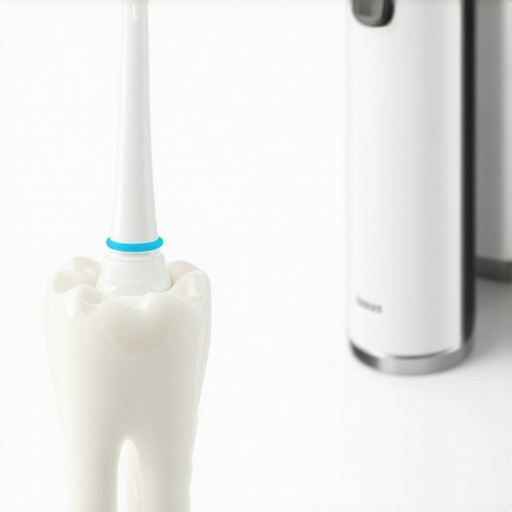
Why My Electric Toothbrush Vibrates When I Press Too Hard
I used to be a ‘scrubber,’ thinking that more force meant cleaner teeth. I quickly learned that why your gums bleed when you switch to an electric toothbrush is often due to the transition from manual pressure to sonic vibration. I personally use the Oral-B iO series because it has a visible pressure sensor that turns red if I’m pushing too hard. For those of us with the benefits of choosing zirconia crowns for back molars, protecting the surrounding gum tissue is vital because gum recession can expose the edge of the crown, making it look artificial and leaving the tooth root vulnerable. In the near future, I suspect we will see smart toothbrushes that use AI to map exactly which margins of your crowns are being neglected, sending a report directly to your dentist before your next the impact of regular teeth cleaning becomes a rescue mission.
How do I keep my dental work healthy for the long haul?
Maintenance is a daily commitment to the ‘biofilm’ on your teeth. You need to focus on the gum line, not just the porcelain surface. By combining a high-end electric toothbrush with a water flosser, you are creating a professional-grade defense system at home. This isn’t just about aesthetics; it is about protecting the investment you made in your family dentistry plan. If you want expert advice on crowns and teeth cleaning for lasting results, try switching to a non-abrasive, fluoride-rich toothpaste that won’t scratch the glaze on your porcelain. I challenge you to try the ‘low-pressure’ flossing method for 30 days—your gums will stop bleeding, and your crowns will feel significantly more secure.I’ll never forget the Tuesday morning I woke up convinced I was about to lose my upper left molar. Every step I took sent a jolt of electricity through my jaw, and honestly, I was already mourning the cost of a new crown. I’ve always been diligent about my oral health routine, so the sudden, throbbing pressure felt like a personal betrayal. I spent hours poking at my gums and wondering if I’d missed some teeth cleaning secrets that would have saved me. I even made the classic mistake of scheduling an emergency appointment, fully prepared for a drill, only for my dentist to ask one simple question: “Have you been congested lately?” [image_placeholder]
Why Your Back Teeth Might Be Blaming Your Nose
It turns out, our bodies are built like a poorly organized apartment complex where the neighbors constantly complain about each other’s noise. Your maxillary sinuses sit right on top of your upper teeth. When those sinus cavities get inflamed or filled with fluid, they press down directly on the nerves of your tooth roots. Today, I’m going to help you decipher that confusing map of pain so you don’t end up paying for a dental procedure you don’t actually need. We will look at the “jump test,” the “lean-over method,” and how to distinguish a true dental emergency from a seasonal allergy flare-up.
Can a cold really make my teeth feel like they’re falling out?
The skepticism is real. Most of us think tooth pain is localized—if it hurts *here*, the problem is *here*. But the American Dental Association confirms that sinusitis is one of the most common copycat causes of tooth sensitivity. I once spent a small fortune on extra sensitivity toothpaste, only to realize my problem was a $10 pack of decongestants. If you’re feeling a dull ache in several teeth at once rather than one specific spot, you’re likely dealing with the connection between sinus infections and upper tooth pain rather than a structural failure. Have you ever felt a toothache vanish the moment your nose finally cleared up? It’s a bizarre relief, but it’s also a sign that your family dentistry checkups are doing their job and your teeth are actually fine. Before you panic about the impact of regular teeth cleaning not being enough, let’s look at the specific physical cues that give the sinus culprit away.
Use the Lean-Over Test to Check for Sinus Pressure
The fastest way to see if your toothache is actually a sinus issue is to change your head’s relationship with gravity. Stand up straight, then slowly bend over to touch your toes. If that dull throb in your upper molars intensifies into a sharp, heavy pressure the second your head goes below your waist, it’s almost certainly your sinuses. Think of your sinus cavity like a water balloon resting on top of your tooth roots. When you tip your head, the fluid shifts, putting immediate weight on those sensitive nerves. This is a classic sign that you need to address inflammation rather than worrying about expert advice on crowns and teeth cleaning for a structural break. When I tried this during my last “emergency,” the sudden surge of pressure was so undeniable I actually laughed with relief. I knew right then my tooth was fine; my head was just full of spring pollen.
Why Movement Changes the Level of Pain
If you find that your “toothache” gets worse when you walk down stairs or jump, you’re looking at a mechanical issue within the sinus, not a cavity. Impact causes the fluid in the maxillary sinus to bounce, which repeatedly taps the nerves of your upper teeth. A real dental infection usually pulses with your heartbeat and doesn’t care if you’re jogging or sitting still. If you’re experiencing this, it’s worth trying to fix a sensitive tooth flare-up before your next appointment by using a saline rinse or a decongestant to see if the tooth pain subsides as the pressure drains. #IMAGE_PLACE_HOLDER_B#
Check Your Saliva and Other Physical Cues
Look beyond the tooth itself. Are you waking up with a dry mouth or noticing that your saliva turns thick and sticky? This often happens when you’re mouth-breathing due to congestion, which dries out the gums and can make your teeth feel “tall” or sensitive. Also, pay attention to the timing of your discomfort. Sinus-related toothaches are often worse in the morning because fluid has settled overnight. If you have a dull morning headache coupled with upper tooth pain, it’s a major red flag for sinusitis.
Focus on One Tooth vs Several
A helpful rule of thumb in family dentistry is to count the “victims.” A cavity or a cracked root usually affects one specific tooth. If you bite down on a piece of bread and only one spot screams, it’s time to call the dentist. However, if the entire upper-left quadrant of your jaw feels tight and tender, the connection between sinus infections and upper tooth pain is likely the culprit. When my toothache was at its worst, I noticed that even touching my cheekbone felt tender—that’s a clear sign the infection is in the “attic” (the sinus) and not the “basement” (the tooth). Learning how to stop a minor toothache from becoming a major emergency starts with identifying exactly where the pressure originates.
Stop Treating Every Ache Like a Cavity
Most people believe that once they get a professional restoration, the tooth is bulletproof. It’s a common misconception in family dentistry that a crown solves the problem forever. In reality, getting a crown is just the beginning of a different maintenance phase. If you’ve ever wondered about the truth about how long a porcelain crown actually lasts before replacement, it’s often determined by what’s happening in your nose and your jaw, not just the porcelain itself. I’ve seen people rush into a restorative procedure because of a lingering ache, only to find the pain persists because the issue was actually referred pressure from a chronic sinus condition. This is the ultimate ‘oops’ factor: paying for a complex dental solution for a respiratory problem.
How can I tell if my dental crown is cracked or just the cement?
This is a question that separates the beginners from the experts. If you feel a sharp zing when you bite down, you might panic and assume the structural integrity of the tooth is gone. However, sometimes it is just the bonding agent failing. You should learn how to tell if your dental crown is cracked or just the cement before you agree to a full replacement. A study published in the Journal of Endodontics indicates that nearly 12% of patients with odontogenic-like pain actually have non-dental origins, such as maxillary sinusitis. If you jump to a crown too quickly, you might be capping a perfectly healthy tooth that just needed a decongestant.
The Dangerous Loop of Sinus Pressure and Tooth Grinding
Here is a nuance most people miss: sinus pressure doesn’t just mimic tooth pain; it can actually cause it. When your sinuses are inflamed, your bite often shifts slightly to compensate for the internal pressure. This leads many people to subconsciously clench or grind their teeth at night. If you’ve noticed the reason your crown feels loose when you wake up, it might not be a failure of the restoration, but rather your jaw trying to find a comfortable position against that sinus-induced pressure. Instead of asking for a more aggressive teeth cleaning or a new prosthetic, you might actually need to address the inflammation. I once spent weeks obsessing over caring for crowns: essential tips for longevity and shine, only to realize the real threat was my nocturnal grinding during allergy season. Have you ever fallen into this trap where you treated the symptom but ignored the sinus-related cause? Let me know in the comments. When you are looking for expert advice on crowns and teeth cleaning for lasting results, always ask your dentist to check for signs of bruxism—wear facets that suggest you’re grinding—especially if your pain flares up alongside your seasonal allergies. Understanding the connection between sinus infections and upper tooth pain is the only way to avoid unnecessary, expensive procedures.Once you have ruled out sinus pressure and confirmed that your dental work is structurally sound, the real work begins: the maintenance phase. Most people treat a dental crown like a ‘set it and forget it’ solution, but that is exactly how you end up back in the chair for a replacement. In my personal experience, the secret to longevity isn’t just brushing; it is the specific tools you use to protect the marginal integrity of your dental work. I’ve transitioned almost entirely to using a water flosser with a specialized plaque-seeker tip. Standard string floss is great, but it often misses the tiny microscopic shelf where the crown meets your natural tooth. If you are following maintaining your dental crowns dos and donts for best results, you know that keeping that margin clean is the only way to prevent ‘recurrent decay’—the fancy term for a cavity that grows underneath your expensive crown.
Stop Using Strings and Start Using Water
I recommend the Waterpik Aquarius because of its adjustable pressure settings. When you have crowns, you want enough pressure to flush out debris but not so much that you irritate the gum tissue. A study published in the Journal of Prosthetic Dentistry highlights that the marginal fit of a crown is the single most important factor for its survival. Even a gap of 50 microns—thinner than a human hair—is enough for bacteria to enter. This is why how to tell if your dental crown has a small leak is such a critical skill for any patient to learn. If you feel a ‘click’ or a catch when you floss, that is your signal to get a professional look.
Why My Electric Toothbrush Vibrates When I Press Too Hard
I used to be a ‘scrubber,’ thinking that more force meant cleaner teeth. I quickly learned that why your gums bleed when you switch to an electric toothbrush is often due to the transition from manual pressure to sonic vibration. I personally use the Oral-B iO series because it has a visible pressure sensor that turns red if I’m pushing too hard. For those of us with the benefits of choosing zirconia crowns for back molars, protecting the surrounding gum tissue is vital because gum recession can expose the edge of the crown, making it look artificial and leaving the tooth root vulnerable. In the near future, I suspect we will see smart toothbrushes that use AI to map exactly which margins of your crowns are being neglected, sending a report directly to your dentist before your next the impact of regular teeth cleaning becomes a rescue mission.
How do I keep my dental work healthy for the long haul?
Maintenance is a daily commitment to the ‘biofilm’ on your teeth. You need to focus on the gum line, not just the porcelain surface. By combining a high-end electric toothbrush with a water flosser, you are creating a professional-grade defense system at home. This isn’t just about aesthetics; it is about protecting the investment you made in your family dentistry plan. If you want expert advice on crowns and teeth cleaning for lasting results, try switching to a non-abrasive, fluoride-rich toothpaste that won’t scratch the glaze on your porcelain. I challenge you to try the ‘low-pressure’ flossing method for 30 days—your gums will stop bleeding, and your crowns will feel significantly more secure.
The Hardest Lesson My Wallet Learned About Sinus Pressure
I have learned that anxiety is often the most expensive guest in a dental office. If I had rushed into a replacement the second I felt that first throb, I would have wasted thousands on a tooth that was perfectly healthy. Here are the lightbulb moments that changed how I approach my oral health routine:
- Trust the timeline over the initial sting. Sinus pressure often fluctuates with humidity, barometric pressure, or your level of hydration, while a true dental infection remains constant or worsens regardless of your environment.
- Multiple teeth in trouble usually points to a single source. It is statistically rare for several back molars to fail simultaneously; it is extremely common for one inflamed sinus cavity to press against all of them.
- Maintenance is your best insurance policy. Sticking to a rigorous oral health routine even when you feel fine ensures that when pain does arise, you can rule out hygiene issues immediately.
#IMAGE_PLACEHOLDER_E#
My Daily Defense Kit for Long-Lasting Crowns
Over the years, I have curated a specific set of tools that I trust to protect my dental work. These aren’t just gadgets; they are the frontline soldiers in maintaining your dental crowns dos and donts for best results. I personally swear by a water flosser used at medium pressure to flush the margins, an electric toothbrush with a built-in timer to ensure I never rush my expert advice on crowns and teeth cleaning, and a high-quality night guard to prevent grinding during those high-pressure allergy months. These tools allow me to sleep soundly knowing my investment is safe.
Your Path to a Confident and Pain-Free Smile
At the end of the day, your teeth don’t exist in a vacuum. By understanding the link between your respiratory health and your jaw, you can avoid the stress of unnecessary procedures and keep your family dentistry focus on long-term prevention rather than emergency damage control. Take a deep breath, try the gravity test the next time you feel a throb, and treat your mouth with the care it deserves. Have you ever been convinced you had a major cavity only to find out it was just your sinuses acting up? Let me know your story in the comments below!”,”image”:{“imagePrompt”:”A high-quality close-up of a modern bathroom vanity featuring a professional water flosser, a sleek electric toothbrush, and a healthy green succulent plant, symbolizing a fresh and clean oral health routine.”,”imageTitle”:”Essential Daily Tools for Dental Crown Maintenance”,”imageAlt”:”Water flosser and electric toothbrush on a clean bathroom counter”},”categoryId”:1,”postTime”:”2025-05-20 10:00:00″}