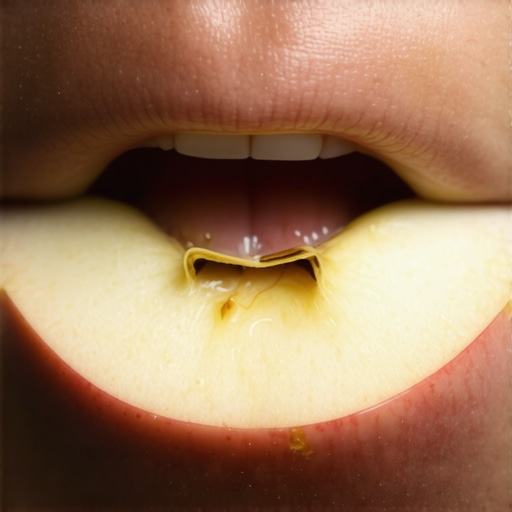
I was sitting on my porch last summer, biting into a perfectly ripe peach, when it happened again. Within seconds, my gums didn’t just tingle—they felt like they were being tickled from the inside out by a tiny, annoying feather duster. My first thought? My expensive crown was failing. I spent twenty minutes in front of the mirror poking at my gum line, convinced I had a massive infection or needed a professional cleaning for lasting results. I even tried scrubbing my teeth with extra force, which was a huge mistake that only made the irritation worse. It turns out, I didn’t have a dental emergency at all. I had Oral Allergy Syndrome (OAS). If you’ve ever felt that bizarre, maddening itch after a slice of apple or a handful of cherries, you aren’t losing your mind, and your teeth probably aren’t falling out. Today, I’m going to help you figure out why your body is reacting this way and how you can get back to enjoying your favorite snacks without the dreaded mouth jitters.
Is this just the start of a dangerous food allergy?
It’s the very question that kept me up at night. I worried that one day a simple Gala apple would cause my throat to close up. While you should always consult a medical professional, OAS is usually a classic case of “mistaken identity” where your body confuses fruit proteins with seasonal pollen. According to the American Academy of Allergy, Asthma & Immunology, this cross-reactivity is remarkably common in people who already suffer from hay fever. It is annoying, certainly, but it is usually manageable once you know the tricks of the trade.
Why Your Gums Are Playing Tricks on You
Years ago, I made the classic blunder of assuming every weird mouth sensation was a sign of poor family dentistry habits. I would rush to the bathroom and brush until my gums were raw, thinking I was cleaning out the itch. Talk about counterproductive! In reality, the real reason your gums itch has more to do with your immune system than a lack of flossing. When you eat raw fruits like apples, pears, or stone fruits, your immune system sees proteins that look nearly identical to the birch or ragweed pollen you sniffle over in the spring. Your body freaks out and sends an inflammatory response straight to your gums and lips. This is why strengthening your smile every day involves understanding how your whole body interacts with what you eat. Have you ever had to stop mid-snack because your mouth felt fuzzy or itchy? It is a weird sensation to describe to someone who hasn’t felt it. Before we dive into the specific fruits that trigger this, we need to look at how to tell the difference between a simple itch and an actual dental problem.To get past the ‘fuzzy mouth’ feeling, you have to realize that the proteins causing your grief are incredibly fragile. I remember one October afternoon when I was desperate for a crisp Honeycrisp apple. Instead of just diving in, I sliced it up and popped it in the microwave for exactly fifteen seconds. It wasn’t quite a baked apple, but it was just warm enough to ‘denature’ the proteins. I ate the whole thing—no itching, no panic, and no rushing to the bathroom to check if my gums were receding. If you can change the shape of those proteins, your immune system won’t recognize them as the ‘enemy’ pollen.
Hack the Fruit Proteins Before They Hit Your Gums
Apply Heat to Change the Game
Most of the triggers for Oral Allergy Syndrome are heat-labile, which means they break down when they get hot. This is why you can likely eat a piece of deep-dish apple pie or canned peaches without a single tingle, even if the raw versions make your mouth feel like a pincushion. If you aren’t ready to cook every snack, even a quick zap in the microwave or a light sauté can do the trick. This is a much better strategy than my old habit of over-brushing. In fact, why you should never brush your teeth immediately after eating citrus fruits or acidic snacks applies here too; your enamel is temporarily softened, and scrubbing it will only cause damage. 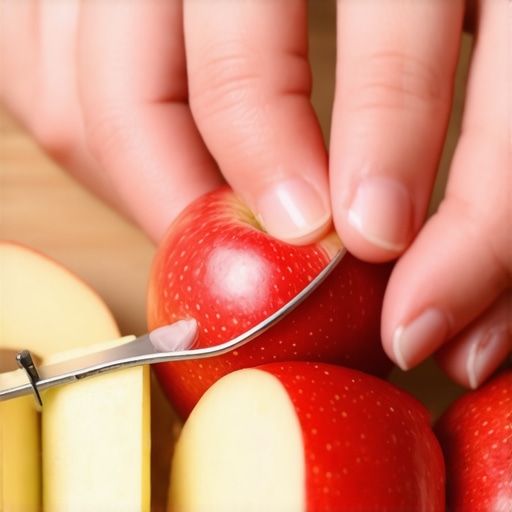
Ditch the Skin to Minimize the Itch
For many of us, the highest concentration of those pesky proteins lives right in the peel. When I started peeling my pears and cucumbers, my reaction dropped by about 70%. It’s a simple mechanical fix that saves your gums from a world of irritation. While you’re at it, pay attention to the variety of fruit. Some apples, like Granny Smith, tend to be higher in birch-related proteins than others. It’s about finding the path of least resistance for your immune system.
Rule Out Real Dental Trouble Early
You need to know if that sensation is actually your body reacting to food or if it’s a sign that you need expert advice on crowns and teeth cleaning for lasting results. If the itch is localized to one specific tooth—especially one with a restoration—it might not be an allergy. I once spent a week blaming a peach for a dull ache, only to find out I was actually dealing with a minor fit issue. Learning how to manage sensitivity after getting a new dental crown is crucial because the symptoms can sometimes overlap with the early stages of an OAS reaction. You might be worried that your restoration is failing, but maintaining your dental crowns involves knowing the difference between a systemic reaction and a structural one.
Track Your Triggers and Timing
Keep a literal ‘itch log’ on your phone. Does the tingling start within seconds of the first bite? That’s almost always OAS. Does it linger for hours or only happen when you drink cold water? That might be a sign of a structural issue or a need for a professional teeth cleaning to remove irritating plaque. If you notice your gums look swollen or red only around a specific tooth, it’s time to check in with a professional rather than reaching for the antihistamines. How to fix a sensitive tooth flare-up before your next appointment usually involves gentle care, not the aggressive scrubbing I used to do. By isolating the cause, you ensure you aren’t ignoring a legitimate dental emergency while treating a simple pollen allergy. Caring for crowns doesn’t mean you have to stop eating fruit; it just means being more strategic about how you do it.Many patients believe that a standard cleaning is always the right answer as long as they do not have a visible cavity. This is a huge misconception in family dentistry. In my experience, treating every visit as a basic prophy is a recipe for long-term disaster. Most people think a professional cleaning is just about getting that shiny feeling, but there is a world of difference between a basic polish and the impact of regular teeth cleaning on overall oral wellness. If you have any history of gum sensitivity or that weird fuzzy feeling, you might actually need to know what to expect during your first deep cleaning session for gum disease rather than just a quick buff. This brings us to a major industry secret: a standard cleaning can actually mask underlying bone loss if your hygienist isn’t performing a full periodontal probe. According to research published in the Journal of Clinical Periodontology, early detection of sub-gingival pockets is the only way to stop the slow-motion bone recession that eventually makes teeth feel loose. Don’t fall into the trap of thinking that no pain equals no problem.
Why do some crowns look like real teeth while others have a dark line?
This is a question I get constantly from people looking for expert advice on crowns and teeth cleaning for lasting results. The answer lies in the materials used during the restorative process. Older Porcelain-Fused-to-Metal (PFM) crowns often leave a gray shadow at the gum line as your tissue naturally matures and recedes. Modern dental practices have largely moved toward zirconia and lithium disilicate to avoid this unsightly metal margin. If you are curious about the specifics of your own restorations, check out why some crowns look like real teeth while others have a dark line to see which material best suits your aesthetic goals. 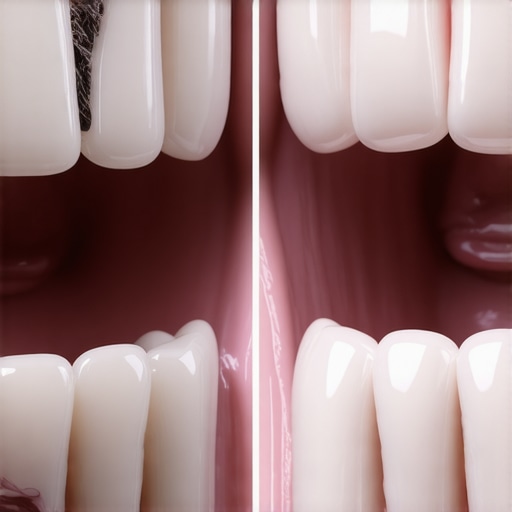
The Silent Danger of a Leaking Crown
You might think the truth about how long a porcelain crown actually lasts before replacement depends solely on how much you chew hard foods. In reality, the seal at the margin is what dictates the longevity of the restoration. If you feel a tiny snag with your tongue or a strange sensation when drinking cold brew, you need to learn how to tell if your dental crown has a small leak. A leak is essentially an open door for bacteria to enter the sterile environment beneath the cap. Once they get inside, they rot the natural tooth structure from the inside out, often without triggering a single nerve ending until the tooth is unsalvageable. Have you ever noticed a weird click when you bite down? You should definitely find out why your dental crown feels like it has a click when you bite before it turns into a painful emergency. Have you ever fallen into this trap or ignored a minor mouth weirdness that turned into something bigger? Let me know in the comments!Once you’ve ruled out a food allergy, the focus shifts to protecting the investment you’ve made in your smile. I used to be haphazard about my tools, grabbing whatever toothbrush was on sale, but that changed when I realized that teeth cleaning secrets aren’t really secrets at all—they are just about consistency and the right gear. For those of us with crowns, a standard manual brush often isn’t enough to reach the tricky margins where the restoration meets the gum.
Stop guessing and start using the right gear
I personally switched to a high-end electric toothbrush because of the data. A study by the Cochrane Oral Health Group found that electric brushes, specifically those with oscillating-rotating technology, reduce plaque by 21% more than manual brushing over a three-month period. When you have a crown, that 21% is the difference between a restoration that lasts twenty years and one that fails in five. I also added a water flosser to my nightly routine. If you find that food always gets stuck in the same spot, especially near a bridge or crown, a water flosser with a specialized orthodontic tip is a lifesaver. It flushes out the bacteria that a string simply can’t vibrate loose. 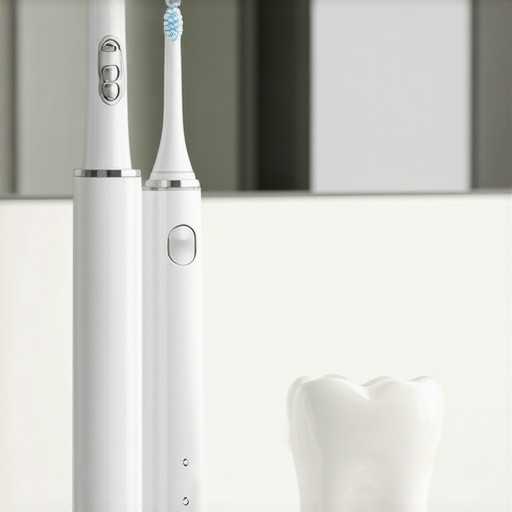
How can I keep my crowns looking new for a decade?
Maintenance is a marathon, not a sprint. To achieve expert advice on crowns and teeth cleaning for lasting results, you have to be mindful of your abrasive choices. I stopped using charcoal toothpastes immediately after learning they can micro-scratch the glaze on porcelain restorations, making them look dull over time. Instead, stick to a low-abrasivity fluoride paste. Additionally, maintaining your dental crowns means wearing a nightguard if you have even a hint of a grinding habit. The sheer force of nocturnal bruxism can fracture even the toughest zirconia.
The future of dental care is digital
Looking ahead, I predict that the ‘wait and see’ approach to dental health is dying. We are moving toward a world where intraoral scanners and AI-driven diagnostics will identify microscopic leaks in crowns years before a human eye can see them. This shift toward proactive family dentistry will mean fewer emergency root canals and more simple, preventive adjustments. Even now, many offices are using technology to show you why ultrasonic cleaning is faster and more comfortable than the old-school scraping. This tech doesn’t just save time; it preserves the integrity of your gum attachment. I strongly recommend you ask your hygienist about how often you actually need a professional scaling based on your specific digital records rather than just a standard six-month clock. Try this one tip tonight: use your water flosser on the lowest setting before you brush; it loosens the biofilm so your toothpaste can actually reach the tooth surface.
Why I Stopped Blaming the Fruit and Started Checking the Gums
The most important thing I learned was that my mouth isn’t a collection of separate parts; it’s a living ecosystem. When I first felt that ‘fuzzy’ sensation, I treated my gums like an enemy to be scrubbed into submission. My lightbulb moment came when I realized that localized itching is often a signal for expert advice on crowns and teeth cleaning for lasting results, while widespread tingling is usually the immune system overreacting. I also discovered that ignoring a tiny click or a snag because it ‘doesn’t hurt yet’ is the fastest way to lose a restoration. By taking proactive oral-health-tips-every-family-should-follow-in-2025, I stopped reacting to crises and started maintaining a stable environment. Lastly, I learned that a crown isn’t a ‘set it and forget it’ solution—it’s a partnership between your home care and your dentist’s professional tools.
#IMAGE_PLACEHOLDER_E#
The Toolkit That Saved My Sanity and My Teeth
If you want to move past the anxiety of itchy gums and potential dental failure, you need the right gear. I personally rely on three main pillars for my daily routine. First, an oscillating-rotating electric toothbrush is non-negotiable; it cleans the junction between my natural teeth and my crowns better than any manual brush ever could. Second, I swear by a high-quality water flosser. It’s the safest way to remove food stuck between your teeth without accidentally tugging on the margin of a crown. Finally, I always keep a digital ‘itch log’ and the AAAAI website bookmarked. Knowing which pollens are high helps me decide if I should eat my fruit raw or give it a quick zap in the microwave to stay comfortable.
Your Path to a Comfortable Smile
You don’t have to live in a state of hyper-vigilance every time you bite into a peach or an apple. By identifying your triggers and maintaining your dental crowns, you can reclaim the joy of eating. Realizing how crowns can transform your dental confidence starts with the peace of mind that comes from knowing your mouth is healthy and your immune system is in check. Take it one step at a time—change your brushing technique tonight, or start that food log tomorrow. Your smile is worth the extra effort. Have you ever experienced that strange tingling after a snack and immediately checked your teeth in the mirror? Let me know your story in the comments below!