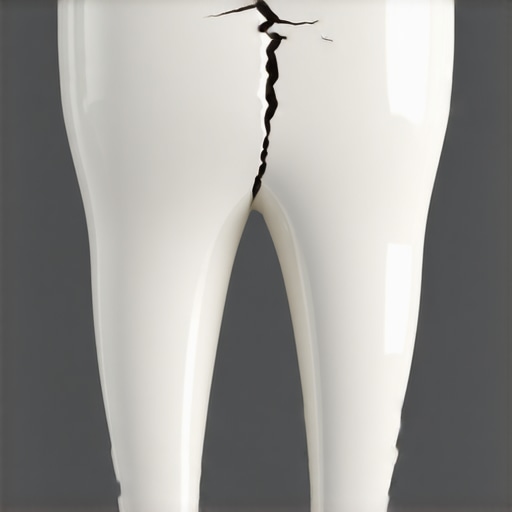
It was late at night, and I was brushing my teeth before bed, as I always do. Suddenly, I noticed a tiny but sharp edge on my front tooth that hadn’t been there the night before. panic set in. My mind raced with questions—Is it serious? Do I need to see a dentist right away? That moment was a wake-up call, reminding me just how fragile our smiles can be.
Why Ignoring a Small Crack Can Lead to Bigger Problems
Discovering a crack in your front tooth might seem minor at first, but it’s more common than you’d think—and more serious than many realize. That small imperfection can quickly turn into a source of discomfort or even lead to tooth decay if left unchecked. The enamel, which is our teeth’s first line of defense, can become compromised, allowing bacteria to invade and cause more extensive damage.
A study published by the American Dental Association highlights that even tiny cracks can harbor plaque and bacteria, increasing the risk for cavities and infections. Early intervention not only prevents pain but can save you from extensive, costly treatments down the line. I learned this the hard way when I ignored my initial worry, and it led me to a more complicated (and expensive) dental repair.
If you’ve ever found yourself in a similar situation—maybe after biting into something hard or noticing a new tiny crack—know that you’re not alone. But ignoring it isn’t the answer. Today, I’ll walk you through exactly what steps to take to protect your smile, based on personal experience and solid dental advice. We’ll cover everything from immediate actions to professional treatments, ensuring you’re well-equipped to handle this common dental concern.
But first, let’s address the biggest doubt many people have: Is a small crack really worth worrying about? It’s a natural question, and I’ll share my honest thoughts that might just change the way you see minor dental issues.
Immediately Address the Sharp Edge to Prevent Injury
As I discovered my cracked tooth, my first move was to carefully file down the sharp edge using a clean nail file. This prevents soft tissue injuries and discomfort. Remember, don’t attempt to fix the crack itself—just smooth the rough edge. I wrapped the file in a tissue, sanitized it with alcohol, and gently ran it over the edge while referring to a trusted guide. Result? Immediate relief and no accidental cuts in my mouth. For more tips on managing minor dental issues at home, visit expert advice on crowns and teeth cleaning.
While many believe that routine teeth cleaning and timely dental visits are enough to maintain oral health, the reality is far more nuanced and complex. A common misconception is that brushing harder removes more plaque—yet, in fact, aggressive brushing can damage enamel and gum tissue, leading to sensitivity and recession. Experts emphasize gentle, thorough brushing with soft-bristled brushes, and proper technique, to prevent harm. When it comes to crowns, many assume they are indestructible; however, improper maintenance or neglecting follow-up care can cause premature wear or failure. For instance, ignoring occupational habits like teeth grinding or not following the recommended care instructions can drastically reduce crown longevity. Family dentistry isn’t just about quarterly checkups—it’s about building a personalized, comprehensive plan that adapts as your needs evolve. Many overlook this tailored approach, risking overlooked issues until they become serious. A common myth is that oral health is isolated; in reality, it’s interconnected with systemic health. Research shows that periodontal disease links to heart disease, diabetes, and even respiratory illnesses. Therefore, prioritizing regular, professional cleanings and addressing issues early is crucial. A trap many fall into is delaying treatment, believing minor issues will resolve on their own, which they rarely do. Early intervention can prevent more invasive procedures later. Advanced mistakes like misdiagnosing the severity of a crack or neglecting signs of infection can lead to long-term complications, including tooth loss. To truly master oral health, you need to go beyond surface-level practices and understand these nuanced factors. Interested in detailed strategies for maintaining your smile? Check out our guide on best practices for dental crowns and learn how to extend their lifespan.
Why does neglecting minor issues often result in costly repairs?”
Consider this: small cracks, if unnoticed or untreated, can deepen and invite bacteria, leading to decay or even root canal treatments. Experts highlight that early detection and management are critical—so don’t dismiss a tiny flaw as insignificant. This advanced understanding can save you both pain and money in the long run. Remember, comprehensive dental care is about consistency, proper technique, and awareness. For additional insights into holistic oral health, explore our oral health tips for every family. And don’t forget—your smile is a reflection of your overall health, so invest in it wisely. Have you ever fallen into this trap? Let me know in the comments.Maintaining your oral health over the years requires more than just good habits; it demands the right tools and consistent techniques. Personally, I swear by the Philips Sonicare DiamondClean Smart toothbrush, a device equipped with multiple brushing modes and pressure sensors that help prevent gum damage. Its real-time feedback ensures I brush effectively without overdoing it, which can wear down enamel over time. For family members, I recommend the Waterpik Water Flosser because it reaches areas that traditional floss can’t, especially around crowns and braces, promoting healthier gums and preventing plaque buildup. Trust me, integrating such tools into your routine has made a noticeable difference in my long-term results. Software like Whistle, a smartphone app, also helps track your brushing habits, reminding you to stick to your schedule and identify areas needing improvement. Looking ahead, the trend is moving toward integrating AI-driven diagnostics that analyze your brushing and flossing effectiveness, offering personalized recommendations. How do I maintain this level of care over time? Regularly replacing toothbrush heads and flosser tips—every three to six months—is crucial, as worn-out tools diminish cleaning efficacy. Additionally, scheduling semi-annual professional cleanings ensures that hidden tartar and potential issues are caught early, saving you money and discomfort in the long run. For more insights into effective at-home practices, explore our guide on effective home teeth cleaning practices. Remember, pairing quality tools with proper technique is the key to lasting oral health. Ready to upgrade your routine? Practice using your electric toothbrush with the timer set for two-minute cycles to ensure thorough cleaning—it’s a simple step that can dramatically improve your results. Keep striving for that confident smile!
The Hidden Lessons Hidden Behind a Tiny Crack
One of the most eye-opening realizations I had was that small dental issues, like tiny cracks, are often early warning signs of bigger problems. Ignoring them can lead to complex treatments later, which are not only costly but also uncomfortable. The lesson? Pay attention to even the slightest signs of damage—your future self will thank you.
Another insight came from understanding that the precision of tools matters. Investing in the right toothbrush and maintaining proper brushing techniques makes a world of difference. Cheaping out on tools or rushing through dental care can undermine efforts to maintain a healthy smile, especially when dealing with cracks and crowns.
Lastly, I learned the importance of proactive dental visits. Regular checkups aren’t just about cleaning—they’re about catching the small issues before they escalate. I now see my dentist as a partner in preserving my smile, not just someone I visit when something hurts.
Gear Up: My Go-To Tools and Resources
For anyone serious about maintaining their oral health, I highly recommend the Philips Sonicare DiamondClean Smart toothbrush—it provides effective cleaning with gentle care, preventing damage to teeth and crowns. The Waterpik Water Flosser has transformed my routine—especially around crowns and braces—making flossing easier and more thorough. For learning about proper care, I lean on trusted sources like expert advice on crowns and teeth cleaning and best practices for crowns. These tools and resources keep my smile in top shape and answer many questions about managing minor issues before they become emergencies.
Your Smile Journey Continues—Embrace the Change
Your commitment to understanding and addressing small dental issues is truly empowering. Remember, every crack you catch early and every tool you incorporate into your routine brings you closer to a lifetime of healthy, confident smiling. Don’t underestimate the power of consistent, mindful care—your future self will reward you with the brightest smile. Are you ready to take the next step towards optimal oral health? Share your experiences or questions in the comments below and let’s keep the conversation going.