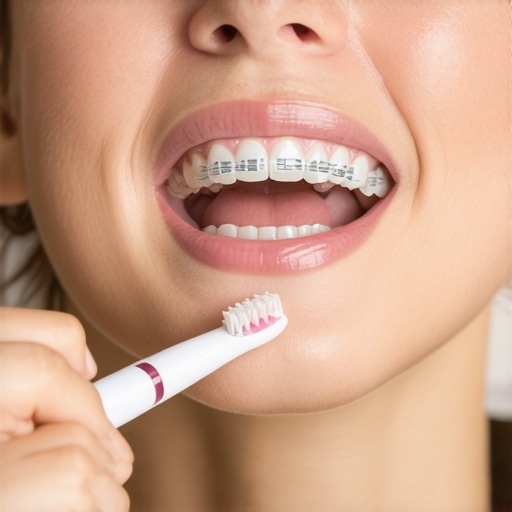
I remember the day I realized I had overlooked something simple but crucial in my dental routine—braces made it so much harder to keep my teeth truly clean. That tiny feeling of leftover plaque after brushing? It haunted me. No matter how diligent I was, that stubborn stuff just wouldn’t budge in certain spots. It was a lightbulb moment that changed everything. If you’re wearing braces or have dental crowns, I bet you’ve experienced a similar frustration. The struggle to maintain that squeaky-clean feeling, especially when traditional brushing feels insufficient or time-consuming, can be downright discouraging. But here’s the good news: there’s a solution that transforms your oral hygiene routine and achieves results you can see and feel.
Why Traditional Brushing Just Isn’t Enough with Braces and Crowns
Many people underestimate how complex cleaning becomes once you have braces or dental crowns. Brackets, wires, and the nooks of crowns create hiding spots for plaque and food debris. Regular manual toothbrushes often lack the reach and pulsating power needed to clean these tricky areas thoroughly. I used to think that a quick brush before bed was enough—until I noticed my gums looked inflamed and my dental visits became more frequent for deep cleanings. That mistake, a simple neglect, taught me the importance of better tools. Did you know that improper cleaning around braces can lead to cavities and gum disease, jeopardizing your smile? According to recent studies, using the right electric toothbrush can reduce plaque buildup by up to 21%, making the fight against germs significantly easier for those with orthodontic appliances or crowns.
If you’ve ever felt overwhelmed by the intricacy of your dental work and wondered if your current routine is enough, you’re not alone. I was there too. The key turning point came when I started exploring electric toothbrushes designed specifically for orthodontic care and crown maintenance. Now, I want to share these insights with you, so you don’t have to experience the same pitfalls I did. But first, let’s address that lingering skepticism—you might still be wondering if investing in an electric toothbrush is truly worth it.
Is an Electric Toothbrush Actually Worth the Hype?
Back in the day, I thought manual brushing was sufficient—until I realized I was missing the full picture. I used to dismiss electric models as luxury gadgets rather than essential tools. My mistake was assuming all brushes are created equal; some are simply more effective at reaching around brackets and under crowns. When I swapped my manual brush for a high-quality electric one with oscillating-rotating action and pressure sensors, my dental health noticeably improved. If you’re skeptical, I encourage you to look into the science behind electric toothbrushes—they’re proven to remove plaque more efficiently, especially in hard-to-reach areas. Want to learn more about how they can make a difference in your routine? Check out this comprehensive guide on effective home practices for family dental health.
By understanding the limitations of traditional brushing and embracing the right tools, you can protect your investment in dental health—your smile. Next, I’ll walk you through choosing the best electric toothbrush for braces or crowns and share tips to make your daily routine both effective and manageable. Are you ready to upgrade your oral hygiene game?
Choose the Right Tools to Reach Every Corner
Start by selecting an electric toothbrush with oscillating-rotating action and a smaller brush head tailored for orthodontic appliances or crowns. I once swapped my generic brush for a specialized model and immediately noticed a cleaner feeling after brushing. The small head allowed me to navigate around brackets and under crowns, much like a precision tool in a craftsman’s hand, tackling spots that manual brushes constantly missed. Make sure to replace your brush head every three months for optimal performance.
Employ Proper Brushing Techniques for Maximum Reach
Position your toothbrush at a 45-degree angle to your gumline and gently move it in circular motions. Focus on the areas around brackets, under wires, and along the gum margins where plaque tends to hide. I remember a time when I dedicated two minutes to thoroughly brush each quadrant, gradually mastering the gentle pressure needed to avoid gum irritation. Using a timer helps ensure consistency and effectiveness—consider setting one for your routine.
Incorporate Flossing with Specialized Tools
Use floss picks or interdental brushes designed for braces and crowns to clean between teeth and around hardware. I personally found that floss threaders made the process easier, threading floss beneath wires without struggle. Regular flossing dislodges debris that brushing alone might miss—a crucial step for avoiding cavities and gum issues, especially around crowns. Check out this guide for more about caring for crowns effectively.
Utilize Additional Cleaning Aids Effectively
Add an oral irrigator or water flosser to your routine, especially if you find traditional flossing cumbersome. I remember the first time I used a water flosser; it transformed my cleaning routine, reaching behind brackets and along gums with ease. Start with low pressure and gradually increase. Rinsing with an antiseptic mouthwash after cleaning helps reduce bacteria trapped in hard-to-reach areas, promoting healthier gums and preventing inflammation. For comprehensive tips, see this resource.
Schedule Regular Professional Cleanings and Checkups
Despite diligent at-home care, professional cleanings are irreplaceable. I learned this lesson when during a routine visit, my dentist removed hardened tartar beneath my gum line—something I couldn’t reach at home. Visiting a dental professional every six months ensures deposits are removed and appliances checked for damage or wear. They can also provide tailored advice for your specific situation, especially if you have dental crowns. For more on maintaining your crowns, visit this article.
Stay Consistent and Vigilant
The key to success lies in consistency. Even the most advanced tools won’t help if used irregularly. I set reminders and established a routine that became second nature, turning thorough cleaning into a daily habit rather than a chore. Remember, neglecting these steps can lead to plaque buildup, cavities, or gum disease, which threaten your dental investments like crowns and braces. Regular attention safeguards your smile and ensures your dental work remains durable and attractive. For a complete routine, check out this guide.Many people believe that brushing thoroughly twice a day and flossing regularly suffice for maintaining optimal oral health, but let’s dig deeper into what most get wrong—especially if you have crowns, braces, or complex dental work. A common misconception is assuming that all oral hygiene practices are universally effective; however, the nuances of individual dental conditions demand tailored strategies. For instance, overconfidence in manual brushing can lead to neglecting interdental spaces where plaque tends to hide, increasing the risk of cavities around crowns or beneath braces. Advanced mistakes include using abrasive toothpaste that erodes enamel or neglecting the importance of professional cleanings, which remove tartar buildup inaccessible to DIY methods. Did you know that improper brushing angles—like 45 degrees—are critical to dislodge plaque along gum margins? Failing to adopt this technique compromises your efforts and might accelerate gum recession or cause sensitivity.
One trap to avoid is underestimating the role of water flossers. While traditional floss is effective, water flossers can reach around brackets and under wires more comfortably, reducing missed debris that leads to inflammation. I once dismissed water irrigation as unnecessary until I experienced the difference firsthand—my gums responded with less bleeding and irritation. Moreover, some believe that crowns are immune to decay; in reality, decay can occur at margins if meticulous cleaning isn’t maintained. Regular professional checkups are crucial for identifying issues hidden beneath the surface, preventing costly repairs later.
Now, you might ask: “Is there a way to optimize brushing and flossing for complex restorations?” Absolutely. Techniques like gentle circular motions, using smaller brush heads for tight spaces, and incorporating interdental brushes can significantly elevate your routine. Additionally, choosing dental products designed specifically for crowns or braces, such as low-abrasive toothpaste or special flossers, makes a real difference. For detailed tips on caring for crowns, see [this guide](https://periodontistcare.com/maintaining-your-dental-crowns-dos-and-donts-for-best-results). Remember, neglecting these nuanced practices can lead to pocketing bacteria at the margins, risking crown longevity and overall oral health.
Proactive measures include scheduling regular professional cleanings, typically every six months, where a dental hygienist can remove hardened plaque and assess your restorative work’s integrity. Don’t forget to reinforce your routine with proper techniques and the right tools—your smile’s future depends on it. Have you ever fallen into this trap? Let me know in the comments.Maintaining a healthy smile over time requires more than just good intentions; it hinges on the tools you choose and how you use them daily. Personally, I swear by the Philips Sonicare DiamondClean Smart toothbrush. Its adaptive cleaning modes and pressure sensors help me target hard-to-reach areas around crowns and braces, ensuring plaque doesn’t hide in those tricky spots. The sonic technology generates up to 62,000 brush strokes per minute, which effectively dislodges debris without causing gum irritation. I replaced my manual brush after noticing that my routine wasn’t enough to keep my dental work pristine, especially after I started using this advanced device. Recent studies indicate that sonic toothbrushes can reduce plaque by over 70% compared to manual brushing—making them a must-have for long-term success.
Another game-changer I recommend is the WaterPik Aquarius Water Flosser. Traditional flossing often feels like a chore, especially around wires and crowns. I set up my WaterPik with a tapered jet tip, which enables gentle yet thorough cleaning beneath brackets and around crown margins. The pulsating water pressure helps eliminate debris trapped where brushing alone can’t reach. As per research published in the Journal of Clinical Dentistry, water flossers can remove up to 99% of plaque from treated areas, which is instrumental in preventing decay and gum disease.
To keep these tools working efficiently, I replace my toothbrush heads every three months and clean my water flosser’s reservoir monthly with vinegar to prevent mineral buildup. Consistent use of the right tools, combined with proper technique, prolongs the lifespan of your restorations and maintains optimal oral health.
Looking ahead, I believe the trend will lean towards smart dental devices that sync with smartphone apps, offering real-time feedback and tailored advice. Such innovation could make home maintenance even more effective, especially for those with complex dental work.
For those wondering how to sustain these benefits over time, focus on consistent technique and equipment upkeep. Regular professional cleanings remain essential, so schedule visits every six months. Want to get started? Try incorporating the Sonicare DiamondClean’s advanced modes into your routine today and experience a noticeable difference.
For more detailed insights on maintaining your crowns and ensuring they last, check out this helpful guide [[maintaining-your-dental-crowns-dos-and-donts-for-best-results](https://periodontistcare.com/maintaining-your-dental-crowns-dos-and-donts-for-best-results)]. Remember, the right tools, used correctly, are your best allies in preserving your smile for years to come.
Hidden Pitfalls I Wish I Avoided Early On
One of my toughest lessons was realizing that even with diligent brushing, ignoring interdental spaces around braces and crowns invites trouble. It taught me that effective cleaning requires more than just routine—it’s about understanding the unique challenges your dental work presents. I used to think my manual brush was enough, but neglecting specialized tools meant plaque found its way into tiny crevices, risking future decay. Now, I know that investing in the right equipment, like water flossers and small-headed electric brushes, makes a world of difference in preserving a healthy smile.
Tools That Transformed My Daily Routine
Switching to a Sonicare diamondClean was a game-changer. Its adaptive modes and gentle pulsations reached spots my manual brush couldn’t, especially around crowns and braces. Water flossers like the WaterPik Aquarius simplified cleaning between teeth and beneath wires, reducing debris buildup without frustration. These tools, combined with regular professional checkups, became vital in maintaining my dental health. If you’re serious about protecting your dental investments, exploring specialized devices tailored for crowns and orthodontics is a smart move—learn more from this resource.
Waiting for Perfect Moments Might Cost You
Consistency is the real secret to success. I used to skip days, thinking I’d catch up later, only to realize that small, daily efforts build up over time. Regular visits every six months are essential—they catch issues before they escalate, especially around hard-to-reach areas. Incorporating proper technique, like gentle circular motions and appropriate pressure, ensures thorough cleaning without damaging delicate tissues. The habit of diligent care isn’t just about aesthetics; it’s about prolonging the life of your crowns, braces, and natural teeth alike. Want to refine your routine? Discover expert tips at this guide.