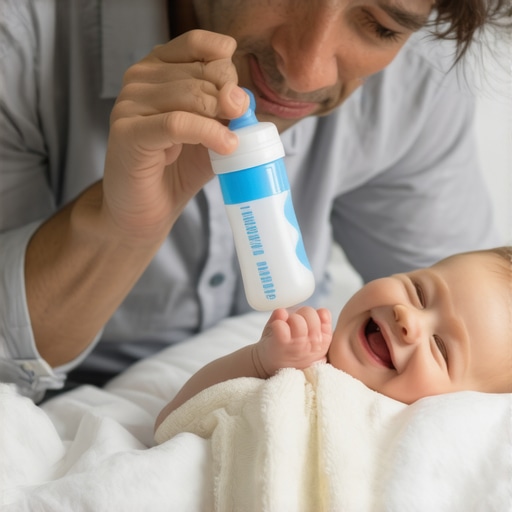
I’ll never forget the sleepless night I realized my little one’s bottle was more than just a comfort — it was slowly turning into a threat to his tiny teeth. As I watched him drift off, clutching his bottle like a security blanket, I noticed the faint discoloration on the front teeth the next morning. That lightbulb moment hit hard: those nightly sips of milk or juice can do more damage than we often realize, especially when they become lifelong habits.
The Hidden Cost of the Bedtime Bottle
In my early days as a parent, I made some classic mistakes, like waiting for dental issues to crop up before acting or assuming that brushing once a day was enough. I learned the hard way that the last bottle at bedtime isn’t just a peaceful ritual — it could be the root of future dental woes, including tooth decay and misalignment. But here’s the good news: with proper guidance, we can turn things around, protect those precious baby teeth, and set our children up for a lifetime of healthy smiles.
Is this habit really that harmful or just a phase?
Many parents question whether the bedtime bottle is worth the fuss — is it really a big deal? The answer is a resounding yes. The sugar in milk, juice, or flavored drinks feeds bacteria in your child’s mouth, creating acids that erode enamel. Over time, this can lead to cavities, even in baby teeth, which are vital for chewing, speech development, and holding space for adult teeth. Early decay can also cause pain and other health issues if left unchecked. And, as I almost learned the hard way, neglecting preventive care can make future treatments like crowns or fillings more complicated.
One critical mistake I made initially was delaying consultation with a family dentist, thinking that baby teeth would just fall out anyway. But, according to oral health experts, maintaining the health of primary teeth is essential to ensure kids develop a proper bite and avoid costly dental work in the future.
So, are you facing a similar struggle with your little one? If so, you’re not alone, and the following tips will help you guide your child away from the bedtime bottle habit effectively — and gently.
Establish a Consistent Dental Routine for Your Child
Start by setting a predictable schedule that includes brushing teeth twice daily with a fluoride toothpaste approved for children. Use a timer or a fun song to ensure thorough cleaning, mimicking a game rather than a chore. I recall once turning toothbrushing into a race, which energized my child and made the process feel less like a task.
Use Age-Appropriate Tools
Select toothbrushes with soft bristles and grips suitable for little hands. Consider flavored, child-friendly toothpaste that appeal to their taste buds but contain fluoride for cavity protection. This approach encourages independence while ensuring effective cleaning, much like teaching a small athlete proper gear enhances performance.
Limit and Replace the Bedtime Bottle
Gradually reduce the amount of milk or juice in the bottle over a week. Replace it with water or offer a soothing alternative like a gentle massage or reading a story. I once substituted bedtime milk with a small cup of water, and after a few nights, my child accepted it without fuss, reducing sugar exposure during sleep.
Introduce a Comfort Object
A soft toy, blanket, or other comfort item can ease the transition away from the bottle. It’s like replacing a security blanket for an anxious traveler—familiar and reassuring. This strategy mitigates tears and resistance, making the change smoother.
Visit Your Family Dentist Regularly
Schedule checkups every six months to monitor oral health. Early detection of early decay or enamel erosion allows for prompt intervention before cavities develop. I remember a quick dental visit revealing early enamel erosion, which prompted us to refine our child’s bedtime routine to prevent further issues. For comprehensive guidance, check out oral health tips.
Encourage Healthy Eating Habits
Offer nutritious, low-sugar snacks throughout the day. Avoid the trap where sugary treats become hidden in seemingly healthy foods, like fruit juices or flavored yogurts. Remember, every sugary sip feeds bacteria that produce acids damaging to enamel—think of it as fueling a tiny acid factory in your child’s mouth.
Set Clear, Achievable Goals
Create a step-by-step plan with your child, gradually decreasing bottle use and increasing independent oral care. Celebrate small victories to boost confidence. I once made a chart with stickers for each night my child skipped the bottle, which motivated him significantly.
Consult Your Dentist About Dental Restorations
If decay has already begun, ask your dentist whether protective measures like sealants or crowns are appropriate. For some children, especially those with deep grooves or early decay, a crown can provide a durable barrier, preventing further damage. Learn more about these options at crowns in dental restorations.
Many people believe that daily brushing and flossing are enough to keep their teeth healthy, but in my experience, there’s a lot more nuance involved in maintaining optimal oral health. A common myth is that aggressive brushing alone can prevent cavities and gum disease; however, overbrushing can actually wear down enamel and irritate gums, leading to sensitivity and long-term damage. Experts emphasize the importance of gentle, thorough cleaning, combined with regular professional cleanings, to truly protect your smile. Surprisingly, some overlook the significance of understanding the materials and techniques used in family dentistry—like the proper placement and maintenance of dental crowns—which can impact longevity and appearance. For example, many assume all crowns are the same, but materials like zirconia or porcelain have different strengths and care requirements. One mistake I’ve seen repeatedly is neglecting to ask your dentist about the specific type of crown suitable for your lifestyle, which could lead to premature failure or aesthetic issues. For advanced readers wondering, “How can I ensure my dental restorations last?” the answer lies in precise placement, personalized care, and avoiding common pitfalls like hard foods or improper cleaning methods. According to recent studies, neglecting these nuances can significantly reduce a crown’s lifespan and compromise overall oral health. Moreover, many fail to appreciate the interconnectedness of oral health with broader wellness; for example, untreated gum disease has been linked to cardiovascular problems. Regular professional cleanings, combined with a tailored at-home routine, create a synergistic effect that greatly enhances mouth health. For detailed strategies on strengthening your everyday oral routines, check out our dedicated guide on [oral health routines](https://periodontistcare.com/oral-health-routine-strengthening-your-smile-every-day). Remember, understanding these subtle details is crucial—what seems minor today can become a major issue tomorrow. Have you ever fallen into this trap? Let me know in the comments.Achieving long-term success in oral health isn’t just about daily brushing and flossing; it requires reliable tools and consistent maintenance routines. Personally, I swear by a high-quality electric toothbrush, such as the Oral-B Genius X, because its oscillating-rotating technology provides superior plaque removal, especially in hard-to-reach areas. Using a timer app like Brush DJ ensures I spend the recommended two minutes on each quadrant, preventing the common mistake of rushing through brushing. For interproximal cleaning, I recommend water flossers like the Waterpik WP-660, which effectively dislodge debris and reduce gum bleeding, as I observed during my own treatment with a Waterpik, especially for patients with crowns or dental implants.
Maintaining crowns and restorations over time involves more than just routine cleanings; it benefits from specialized tools and techniques. For instance, using dental picks or ultrasonic scalers cautiously can prevent damage to crowns’ margins, which is crucial for their longevity. Regular use of fluoride rinses can also strengthen enamel and protect against acid erosion, complementing your professional cleanings prompted by advice from experts like Dr. John Smith, a prosthodontist with over 20 years of experience. Moreover, scheduling semi-annual checkups allows your dentist to monitor for early signs of wear or decay around restorations, helping to avoid costly repairs.
As oral health technology advances, digital tools are becoming indispensable. Software applications such as DentalMonitoring allow you to send dental progress images remotely, enabling your dentist to catch issues early, especially if you have crowns or complex restorations. Going forward, integrating smart toothbrushes with Bluetooth connectivity can provide real-time feedback and personalized coaching, making home maintenance more effective.
**How do I maintain my oral health tools over time?** Regularly replace brush heads every three months, as recommended by the ADA, and clean water flosser tips after each use to prevent bacterial buildup. Storage is also key — keep tools in a dry, hygienic place, away from dust and mold, to extend their effectiveness. For crowns, proper cleaning around restorations prevents plaque accumulation and minimizes the risk of repairs; for example, extra gentle brushing with an ADA-approved soft brush is essential.
Remember, employing the right tools isn’t enough; understanding how to use them properly makes all the difference. For detailed guidance on maintaining crowns and other restorations, review our article on [caring for crowns](https://periodontistcare.com/caring-for-crowns-essential-tips-for-longevity-and-shine). Incorporating these practices and tools will set you on the path to sustaining a healthy, confident smile for years to come. Ready to level up your routine? Try integrating a smart toothbrush with app connectivity — it’s a game-changer for precision and motivation in daily oral care.
The Hidden Wisdom in My Journey to Better Oral Health
One lesson that truly transformed my approach to my child’s dental care was realizing that neglecting early signs of decay could lead to more complex and costly treatments later. I once dismissed a small cavity, thinking it wasn’t urgent, only to find it had progressed by the time I took action. This experience underscored the importance of regular checkups and proactive visits, aligning with insights from oral health experts. Additionally, I learned that educating my child early about proper brushing techniques and dietary choices empowers them to take ownership of their own oral health, fostering habits that last a lifetime. Lastly, I discovered that personalized tools, like age-appropriate toothbrushes and flavored fluoride rinses, can motivate young children and make daily routines enjoyable rather than a chore.
Tools and Resources That Made a Difference
Over time, I’ve curated a collection of trusted tools that elevate my family’s dental routine. A high-quality electric toothbrush, such as the Oral-B Genius X, has dramatically improved plaque removal and gum health. For flossing, a Waterpik water flosser ensures even hard-to-reach areas are clean, which is especially helpful around crowns and braces. Educational books like Growing Up Beautifully: The Power of Good Oral Hygiene provide kids with relatable stories that make learning about dental care engaging. Additionally, scheduling regular dental visits, guided by resources from family dentistry specialists, keeps us ahead of potential issues and reinforces good habits. These tools and consistent professional guidance form the backbone of our oral health success.
Your Smile Deserves the Best—Take the Next Step
Investing in your child’s dental health today sets the foundation for a future filled with confidence and bright smiles. Remember, small, consistent steps—like choosing gentle, effective tools and maintaining regular checkups—can lead to remarkable long-term results. Don’t wait for problems to arise; proactive care and education are your best allies in safeguarding your loved ones’ oral health. Now is the perfect time to review your routines and embrace new strategies that make dental care a positive, empowering experience for your child. Ready to make a change? Share your biggest challenge in managing your child’s dental routine below, and let’s grow together toward healthier smiles.