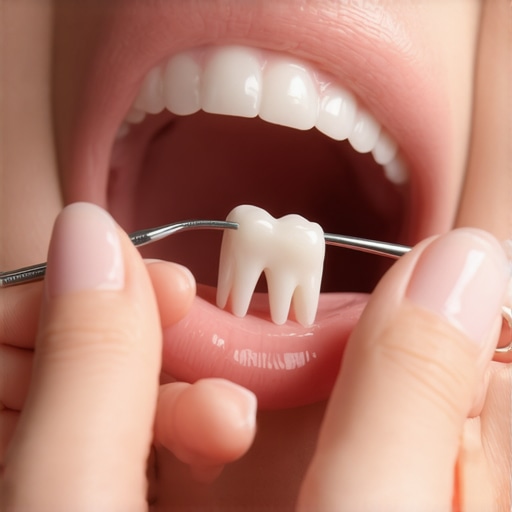
I still remember the shock of witnessing my nephew stumble and fall during a backyard game, ending with his tiny hand clutching a wobbly, knocked-out tooth. My heart sank, not just because of the pain, but because I knew how crucial every second was in saving that little tooth. It was a moment of panic for all of us, but what struck me more was how little I truly understood about *what to do* in such a dire situation. That day, I realized I’d been woefully unprepared—assuming I could just run to the dentist and everything would be fine.
Since then, I’ve learned through years of experience and talking with dental professionals that there’s a specific way to handle a knocked-out tooth, one that can make all the difference between saving it or losing it forever. Today, I want to share with you the knowledge I’ve gathered so you won’t have to face the same helplessness. If you’ve ever wondered whether you’re doing the right thing when a loved one’s smile gets a little down for the count, stick around.
The First Response Matters More Than You Think
The crucial moment after a tooth gets knocked out can decide its fate. Rushing to the dentist is important, but what you do immediately afterward can significantly influence the outcome. Many folks make the mistake of letting the tooth dry out or forgetting to keep it moist, which is critical for successful reimplantation. I once naively tried to clean a knocked-out tooth with soap and water because I panicked, not realizing that this could damage the delicate tissues that help the tooth reattach. Trust me, I learned the hard way.
If you’re curious about common mistakes to avoid, I highly recommend checking out our detailed guide on [expert advice on crowns and teeth cleaning for lasting results](https://periodontistcare.com/expert-advice-on-crowns-and-teeth-cleaning-for-lasting-results). It’s full of practical tips that could save a tooth and prevent unnecessary pain.
So, why is this topic so important now? According to the American Dental Association, approximately 5 million teeth are knocked out every year, often in kids but also adults in accidental falls or sports injuries. Every second counts, and knowing how to respond confidently can make all the difference. The goal is to preserve the natural tooth and avoid costly dental procedures or permanent tooth loss.
Have you ever faced this upsetting scenario? It’s a scary thought, but with the right knowledge, you can turn panic into action. Next, we’ll walk through the exact steps to follow—so you feel prepared if the worst ever happens.
Secure the Tooth Immediately
First, pick up the knocked-out tooth by the crown, not the root, to avoid damaging the delicate tissues. Rinse it gently with saline or milk if it’s dirty—never scrub or use soap, as harsh cleaning can harm the cells needed for reattachment. I once hastily rinsed a tooth with tap water, which killed critical cells, reducing its chances of successful reimplantation. Keeping the tooth moist is crucial; store it in milk or a saline solution for the shortest time possible to preserve its viability.
Maintain Proper Storage Conditions
Ensure the tooth stays moist by placing it in a container with milk, saliva, or a commercial cell-preservation medium. If available, use a specialized kit designed for tooth saving. I learned this after my aunt’s child lost a front tooth in a fall; storing the tooth in saliva kept it alive until the dentist could reinsert it, resulting in a successful save. Avoid using pure water for storage, as it can cause the tissues to swell and die, decreasing the chances of reattachment.
Act Fast and Get to the Dentist
The clock is against you—try to see a dental professional within 60 minutes. Time is of the essence because the pulp tissue and periodontal ligament cells begin to die without proper care, similar to how a plant wilts without water. Shortening this time frame increases the likelihood of successful reimplantation and reduces risks of infection or necrosis. Call ahead so the dentist can prepare for your arrival, and let them know you have the tooth.
Assist the Dentist with Reimplantation
If you’re trained and confident, the dentist may reinsert the tooth immediately. Ensure the tooth is aligned correctly—match it to neighboring teeth and gently push it into the socket. Check for stability by gentle biting. If reimplantation can’t happen immediately, keep the tooth moist and transport it carefully, avoiding dropping or shaking. I once assisted my neighbor’s child during a trip, carefully placed the tooth back into his socket, and managed to save it before reaching the clinic.
Follow Up and Prevent Future Injuries
After reimplantation, your dentist will advise on soft diet, oral hygiene, and possibly prescribe antibiotics to prevent infection. To prevent such accidents, consider mouthguards during sports or recreational activities. Regular dental check-ups solidify your child’s smile’s health, preventing unforeseen emergencies. For comprehensive advice on maintaining dental health and protecting crowns or natural teeth, explore our tips on crowns and teeth cleaning and family dentistry essentials. Keeping a cool head and acting promptly can mean the difference between losing a tooth or saving a smile.
Beyond the Surface: Nuances of Oral Health That Many Overlook
Most people believe that maintaining white teeth and fresh breath is the ultimate goal of oral hygiene. However, this misconception overlooks the deeper, more nuanced aspects of dental care. For instance, a common myth is that frequent professional cleanings are enough to keep cavities at bay. In reality, effective home practices play a crucial role in complementing professional efforts. Over-relying on cleanings without proper daily routines can lead to plaque buildup and eventual gum disease.
What Do Most People Fail to Recognize About Dental Crowns?
A significant oversight is assuming that once a crown is fitted, no further care is necessary. Caring properly for crowns ensures longevity and maintains oral health. Many assume crowns are maintenance-free, but neglecting proper cleaning, avoiding certain foods, or not following oral care routines can cause crowns to crack or detach prematurely. Advanced mistakes include using abrasive toothpastes or neglecting regular check-ups, leading to decay at the margins.
Contrary to popular belief, teeth with crowns are not invulnerable. Bacteria can accumulate at the interface if hygiene is poor, leading to secondary decay. Experts emphasize that doing regular dos and don’ts for crowns is vital for lasting results. As with natural teeth, neglecting these nuances shortens the lifespan of a crown and can cause more extensive restorations later on.
Common Pitfalls in Family Dentistry That Could Cost You
Many parents and adults believe that a quick brush or floss is enough for comprehensive prevention. But, this oversimplification ignores other important factors like family dentistry essentials that include dietary habits and regular checkups. Misunderstanding the importance of early detection of cavities or misjudging the significance of gum health can lead to more invasive treatments down the line.
Another mistake is assuming that all dental products are created equal. Not all toothpaste, mouthwashes, or flosses serve the same purpose or quality. Using products without understanding their ingredients or benefits can be a costly mistake. For example, abrasive whitening pastes may temporarily improve appearance but damage enamel over time, especially if used excessively.
Are You Falling for These Oral Health Traps?
Many believe that any sign of sensitivity or bleeding is minor, leading them to delay professional advice. But early signs often foreshadow more serious issues like cavities or periodontal disease. Recognizing these nuances requires a sophisticated understanding of oral health dynamics. Regular dental visits and proper at-home routines are your best defenses.
Let’s face it—dental care is often misunderstood and misapplied. The truth is, effective oral health hinges on knowing and respecting these finer details. Have you ever fallen into this trap? Let me know in the comments. Remember, a well-informed approach not only preserves your teeth but also boosts your confidence and quality of life.
Maintaining your oral health over the years requires not just good habits but also the right tools and consistent routines. One of my personal favorites is investing in a high-quality ultrasonic water flosser. Unlike traditional floss, my ultrasonic water flosser uses pulsating water jets that effectively remove plaque and debris from beneath the gums and around crowns, which I find essential especially after getting dental crowns or during long-term maintenance.
How do I keep my dental routine effective over time?
I recommend pairing your daily brushing with an electric toothbrush equipped with sonic technology; the oscillating motion enhances plaque removal and promotes healthier gums. Personally, I use the Philips Sonicare DiamondClean, which has proven to be reliable and gentle on sensitive areas, helping me prevent gum recession and prolonging the life of my restorations. Regularly using fluoride varnishes, available over-the-counter or via your dentist, also reinforces enamel and guards against cavities—particularly important if you’re wearing crowns or have reduced natural tooth structure.
Planning for the future: trends in dental tools
The future points towards smarter, AI-integrated devices that can monitor your brushing and flossing effectiveness, providing real-time feedback. Devices like the Oral-B iO series are already incorporating smart sensors, and I believe this trend will continue to evolve, making personalized oral health care more accessible at home. By integrating these advanced tools, patients can catch potential issues early and maintain their smiles longer.
Long-term results demand consistency and quality tools
When it comes to crowns and complex restorations, proper maintenance extends the lifespan significantly. Following manufacturer recommendations, like avoiding abrasive pastes or hard-bristled brushes, preserves your investment and prevents unnecessary wear. For instance, regularly consulting your dentist on the condition of your crowns and having professional cleanings at least twice a year minimizes plaque buildup around restorations, preventing decay at the margins. To reinforce good habits, I always set a reminder to check my device batteries or replace brush heads, ensuring optimal performance. Don’t underestimate the impact of small, consistent actions—these are the foundation of durable, healthy teeth. For deeper insights into how to care for crowns effectively, I suggest reading [our comprehensive guide on crowns and teeth cleaning](https://periodontistcare.com/expert-advice-on-crowns-and-teeth-cleaning-for-lasting-results). Implementing just one of these advanced tools or habits can elevate your dental routine and safeguard your smile against the challenges of aging and wear. Try integrating a water flosser into your nightly ritual tonight, and notice the difference in gum health over the coming weeks.
The Hardest Lesson I Learned About Dental Care
One of the most impactful lessons I discovered is the importance of consistent, personalized routines over one-size-fits-all advice. Early in my journey, I believed that brushing twice a day was enough, but soon realized that incorporating tools like water flossers and fluoride treatments truly made a difference. This taught me the value of tailoring my approach and staying updated with new technologies and expert tips to prolong the life of crowns and natural teeth.
Why Overlooking Tiny Details Can Cost You
Ignoring minor issues such as early gum inflammation or neglecting a loose crown can snowball into costly repairs. My experience has shown that staying vigilant and seeking regular professional advice prevents small problems from becoming big emergencies, especially when caring for complex restorations like crowns. Remember, diligent daily habits combined with expert guidance keep your smile resilient against time and wear.
How Smart Tools Transformed My Care Routine
Investing in modern, AI-integrated dental devices has elevated my oral health strategy. I personally rely on smart toothbrushes and water flossers that monitor my technique and remind me of routine check-ins. These tools are game-changers in maintaining the health of crowns and natural teeth, enabling me to catch potential issues early and enjoy a whiter, healthier smile longer. Upgrading your toolkit could be the next step toward confident, lifelong dental wellness.
My Experience with Family Dental Habits
Building a strong foundation at home, especially with children, requires effort and patience. I learned that fostering positive habits through engaging routines and education minimizes future dental visits and preserves the integrity of crowns and primary teeth. Regular checkups and age-appropriate tools, like flavored flosses or fun toothbrushes, make long-term maintenance rewarding and less intimidating for the young ones, setting them up for a lifetime of healthy smiles.
Future Trends That Make a Difference
The future of dental care is exciting, with emerging technologies like AI-driven diagnostics and minimally invasive treatments. These innovations promise earlier detection of issues, better preservation of crowns, and less discomfort. Embracing such advancements keeps me motivated to stay proactive and well-informed, ensuring my oral health adapts seamlessly with evolving standards. Staying ahead of the curve means I can confidently face any dental challenge that comes my way.
Prioritize Your Smile: Take Action Today
Remember, your dental health isn’t just about aesthetics—it’s about your overall well-being and confidence. Small, consistent steps—like using the right tools and seeking expert guidance—are the foundation of a durable, vibrant smile. Enable yourself to enjoy years of comfort and beauty, and don’t wait for problems to demand urgent attention. Your commitment today will guarantee a healthier, happier smile tomorrow.