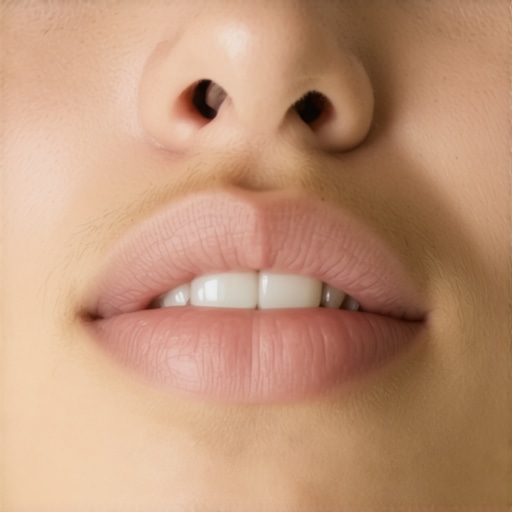
I remember the first time I accidentally burned the roof of my mouth on a hot slice of pizza—pain shot through my palate like an unexpected lightning bolt. It was a jarring experience that left me frustrated and searching for—frankly—anything that could bring relief fast. And let me tell you, navigating that discomfort was no walk in the park. It made me realize just how disruptive a burned palate can be to your day, your sleep, even your appetite.
Why Smooth Relief Should Be Your Priority
If you’ve ever been in that fiery, burning agony on the roof of your mouth, you know how hard it is to focus on anything else. The good news? Quick, effective relief isn’t impossible, and I’m here to share what worked for me—and what I wish I’d known from the start. When dealing with a burn, time is of the essence, and acting swiftly can prevent your pain from escalating or leading to infection. Early action can make a significant difference in how fast you heal.
Is It Really Worth Wasting Time on Home Remedies?
Honestly? I used to think that slathering on random remedies from the internet would do the trick. Spoiler alert: not all home cures are created equal, and some can even make things worse. My mistake was trying things without knowing what’s safe and effective. That’s why I’ve researched and spoken with dental health professionals—so I could confidently share real solutions. And trust me, not everything you find online is a miracle cure. For instance, some folks swear by icy cold water or ice packs—these can provide quick numbness, but they aren’t a substitute for proper care. You can learn more about safe oral health practices by visiting trusted sources like expert advice on crowns and teeth cleaning.
So, if you’re facing that fiery discomfort right now, or just want to be prepared if it happens, let’s dive into the most effective steps to treat a burned roof of the mouth quickly and safely. Because, believe me, relief is closer than you think, and you don’t have to suffer in silence.
Cool Down the Area Immediately
As soon as you notice a burn, rinse your mouth with cold, sterile water or use an ice cube wrapped in a clean cloth. This initial step is like putting out a small fire—removing heat quickly to prevent further tissue damage. In my experience, swishing with ice water for a minute quickly numbed the area, providing immediate relief and reducing swelling. Remember, avoid using very hot liquids or rinses, as they will exacerbate the burn.
Apply Gentle, Soothing Agents
Next, coat the area with a safe, soothing agent such as a sugar-free herbal gel or a dab of honey. Honey, in particular, has natural healing properties and acts as an antibacterial barrier. After my first burn, applying honey helped keep the tissue moist and sped up healing. Use a clean finger or a cotton swab to gently place the agent over the affected tissue. Avoid acidic or spiced foods at this stage to prevent irritation.
Maintain a Soft, Cool Diet
Eating soft, cool foods minimizes discomfort and prevents aggravating the burn. Think yogurt, smoothies, or cooled soups. I made a banana and yogurt blend that was easy to swallow and soothing. Avoid hot, spicy, or crunchy foods, which can trigger pain or cause additional trauma. Staying hydrated is equally important; sip water frequently, ensuring it’s room temperature or cool, never hot.
Manage Pain Effectively
Over-the-counter pain relievers like ibuprofen or acetaminophen can significantly reduce discomfort. Take them as directed, and consider applying a topical anesthetic gel containing benzocaine for temporary relief. I used a small amount of numbing gel after meals, which made eating less painful. Be cautious to follow instructions and avoid overuse, as excessive application can delay healing.
Protect and Prevent Further Damage
While healing, avoid behaviors that could worsen the burn, such as biting the area or eating hard foods. Using a soft-bristled toothbrush and gentle rinsing can help avert infection. I also found that avoiding smoking or alcohol during this time sped up recovery. For persistent or severe burns, consulting a dental professional is essential—they might recommend specific treatments or protective measures.
Monitor Healing and Seek Professional Advice
Keep an eye on the burn’s progress. Mild burns typically heal within a week, with tissue gradually returning to normal. If pain worsens, blisters form, or you notice signs of infection, consult a professional promptly. Regular dental visits can also help maintain overall oral health and prevent similar injuries in the future. Check out family dentistry for comprehensive oral care.
Many assume that regular brushing and an occasional visit to the dentist are enough to maintain optimal oral health, but the reality is far more complex. One common misconception is that teeth cleaning alone can prevent serious issues like gum disease or cavities. While professional cleanings are essential, they are just one component of a comprehensive oral health routine. Overlooking factors such as diet, genetics, and proper crown care can lead to preventable problems, even with consistent cleanings. For example, improper care of crowns—like neglecting to avoid sticky or hard foods—can compromise their longevity, despite regular check-ups.
How can advanced techniques in family dentistry benefit your long-term oral health?
Incorporating newer diagnostic tools like 3D imaging can reveal hidden issues not visible through traditional X-rays, leading to earlier intervention and better outcomes. Studies have shown that advanced imaging improves detection of root infections and bone loss (source: see more here). However, many patients remain unaware that skipping routine screenings can allow minor issues to escalate into costly or painful emergencies. Likewise, the myth that teeth whitening is universally safe without professional guidance can backfire. Over-the-counter products often contain abrasive or harmful chemicals that can damage enamel if misused. Consulting with a dental professional before whitening ensures the safest and most effective results, especially if you have crowns or veneers.
Common pitfalls family dentistry patients should avoid to save money and time
An often-overlooked mistake is delaying treatment for minor concerns, which can result in more complex procedures like crowns or root canals later on. Additionally, neglecting routine maintenance—such as daily flossing or addressing early signs of gum recession—can undermine even the best cleaning schedule. The key takeaway is that effective oral health relies on understanding these nuances and integrating preventive measures with regular professional care. For personalized advice, schedule a consultation through our contact page. Remember, being proactive is your best defense against serious dental problems. Have you ever fallen into this trap? Let me know in the comments.Maintaining excellent oral health requires more than just routine visits; it calls for the right tools and methods to ensure long-term success. For me, integrating advanced dental equipment has made a significant difference in sustaining healthy teeth and gums. One essential device I personally swear by is the ultrasonic scaler, which effectively removes plaque and tartar that traditional brushing might miss, especially around crowns and hard-to-reach areas. Using this regularly at home, with a device like the Waterpik Sonic-Fusion, enhances plaque control and helps prevent issues that could compromise your dental restorations.
Another critical aspect is software that tracks your oral hygiene progress. I recommend apps like DentalMonitoring, which allow you to upload photos for professional review without frequent office visits. This not only keeps you accountable but also helps catch emerging issues early. When combined with professional cleanings, such digital tools contribute to more predictable outcomes and healthier smiles.
For long-term results, I emphasize the importance of high-quality whitening kits supervised by professionals. Unlike over-the-counter options, professional kits deliver safe, consistent results, especially when used in conjunction with routine check-ups. They help maintain your brightness while protecting enamel integrity. Additionally, investing in a good electric toothbrush with pressure sensors, like the Oral-B Genius X, ensures you clean thoroughly without damaging delicate tissues or crowns.
Looking into the future, I believe dental technology will continue to advance rapidly, with AI-driven diagnostics becoming more commonplace. Imagine clinics that can predict and prevent issues before they appear, similar to the predictive analytics used in other medical fields. Staying informed about these developments can help you adopt tools early and stay ahead of potential problems.
### How do I maintain my dental tools and long-term results?
Regular replacement of brush heads, sterilizing your electronic devices, and following manufacturer instructions are crucial. Additionally, scheduling periodic professional evaluations ensures that your at-home tools remain effective and your restorations last longer. Don’t forget, utilizing tools like dental monitoring apps can provide ongoing insights—making your dental routine smarter, not just harder.
If you’re serious about extending the lifespan of your crowns and teeth cleaning efforts, try integrating an ultrasonic scaler into your routine and leverage digital tracking apps. These small enhancements can dramatically improve your oral health journey. To explore more about how to maximize your crown care, check out essential tips for crown longevity. Remember, persistence with the right tools today paves the way for a healthier smile tomorrow.
What the Real Cost of Ignoring Small Signs Taught Me
Over the years, I realized that overlooking minor oral issues, like a slight gum bleed or sensitivity, often leads to more complex problems down the line—sometimes even crowns that need replacement. Recognizing these early signs, much like catching small cracks before they become fractures, can save money and discomfort. My lightbulb moment? Regular check-ups combined with attentive at-home care, using tools like proper crown maintenance, prevent the escalation of minor issues into major repairs.
Tools and Resources That Reshaped My Approach
Discovering high-quality dental tools was a game-changer. The ultrasonic scaler, for example, not only deep cleans beyond standard brushing but also helps preserve crowns and prevent decay. I also rely on digital monitoring apps like DentalMonitoring, which provide ongoing insights and early warnings—kind of like having a dentist in my pocket. Books such as Expert Advice on Crowns and Teeth Cleaning have deepened my understanding, enabling me to take proactive steps without waiting for problems to become urgent. Building this toolkit transformed my dental routine from reactive to preventative.
Empower Your Smile: Take the Next Step Today
Your oral health journey is personal, and the best time to start protecting and enhancing your smile is now. Embrace new tools, stay informed with trusted resources, and don’t hesitate to seek professional advice tailored to your needs. Remember, consistent effort today becomes the foundation of a confident, healthy smile tomorrow. Ready to make that move? Share your experiences or ask questions below—your journey toward optimal oral health begins with action.