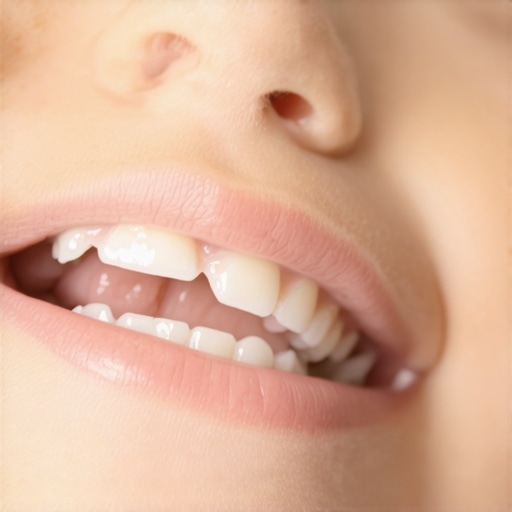
It was a morning like any other, but as I sat at the breakfast table, I noticed my little one frowning at her yogurt, clutching her cheek. That sharp, sudden cry told me everything—I had missed something. Sure enough, discovered a cavity in her tiny baby tooth, and I couldn’t believe it. How could such a young child be plagued with dental decay so early?
Facing the Unexpected: When Baby Teeth Fall Prey to Cavities Too Soon
The truth hit me hard: cavities in baby teeth aren’t just a rite of passage or minor setbacks—they’re signs of underlying issues that can affect your child’s overall health, confidence, and future smile. I used to think, “Baby teeth will fall out anyway, so what’s the big deal?” But I learned the hard way that early cavities can lead to pain, infections, and even impact how permanent teeth come in.
Through my journey, I’ve realized it’s not just about brushing twice a day; it’s about understanding why some kids are more prone to early decay. And trust me, once I unraveled the puzzle, I was able to help my child stay ahead of cavities and build healthier habits together.
This post isn’t just theory—it’s a practical guide based on real experience. I’ll share the common pitfalls, the mistakes I made early on, and most importantly, simple steps you can take today to protect your little one’s teeth. Because, honestly, no parent wants to see their child in pain over something that’s easily preventable.
So, if you’ve ever wondered why your child’s smile is flashing a cavity when they’re just a toddler, keep reading. And if you’ve already encountered this problem firsthand, know that you’re not alone—and there are effective ways to combat it.
Is it really possible to prevent cavities in baby teeth?
One mistake I made early on was relying solely on age-appropriate brushing without addressing diet and routine checkups. It’s a common oversight that can cost kids dearly. According to a study published in the Journal of the American Dental Association, early childhood cavities are largely preventable with proper preventative care and education ([source](https://jada.ada.org/article/S0002-8177(15)30852-7/fulltext)).
As we move forward, I’ll walk you through actionable tips—things I wish I knew when my kid was starting to get teeth—that will help you avoid unnecessary dental distress. After all, the goal is a healthy, happy smile that lasts a lifetime.
Implement a Solid Brushing Routine
Start by brushing your child’s teeth twice daily with a fluoride toothpaste suitable for their age. Use a soft-bristled toothbrush and gentle circular motions, focusing on all surfaces. I once had a messy morning where I tried to rush through my child’s teeth brushing—she ended up gagging, and I missed a few spots. That taught me the importance of patience and thoroughness, especially in young children. Regular brushing mechanically removes plaque, the sticky film full of bacteria responsible for cavities.
Introduce Fluoride Properly
Fluoride strengthens enamel, making it resistant to acid attacks from bacteria. Use a pea-sized amount of fluoride toothpaste and supervise to ensure your child doesn’t swallow it. Incorporate age-appropriate fluoride treatments when recommended by your dentist. I learned this the hard way when my kid accidentally swallowed a large amount at once; since then, I’ve become more vigilant, knowing fluoride’s critical role in cavity prevention. Keep in mind that professional fluoride applications during dental visits can provide extra protection.
Monitor and Limit Sugary Foods and Drinks
Diets high in sugar fuel harmful bacteria in the mouth, increasing cavity risk. Replace sugary snacks with healthier options like fresh fruit, cheese, or nuts. Be cautious with juices and flavored drinks—they can stick to teeth longer and promote acid production. I made a mistake early on by allowing my child to sip juice throughout the day, which led to increased decay. Now, I restrict sugary items and encourage water instead. Remember, consistent dietary habits are key to maintaining oral health.
Schedule Regular Dental Checkups
Routine dental visits are essential to catch early signs of decay and to professional clean teeth that home brushing can’t reach. Ideally, schedule checkups every six months, or more often if advised. During one appointment, my dentist identified early cavities that weren’t visible brushings—preventing them from worsening was a game-changer. Regular exams also educate parents about proper techniques and reinforce good practices at home. Don’t wait for symptoms; early intervention is your best defense.
Use Sealants on Baby Teeth
Sealants create a protective barrier over the chewing surfaces of molars, sealing out food particles and bacteria. They are especially beneficial for children prone to cavities. I was initially hesitant, but after my child’s dentist applied sealants, I noticed less food trapping in those teeth. They’re quick to apply and almost painless, making this a simple preventative step. For more details on how sealing teeth benefits long-term oral health, check out this guide.
Educate About Proper Oral Hygiene Habits
Make brushing and flossing a fun, routine activity to instill lifelong habits. Demonstrate correct techniques and supervise until your child can do it effectively alone. I once tried to teach my toddler to floss, but it was a messy process—her hands were everywhere, and she kept swallowing the floss! That’s when I learned about alternative methods and more engaging tools. Early education about oral health makes a big difference in preventing cavities. For further advice, visit this resource.While common dental advice emphasizes brushing twice daily and routine checkups, many overlook the complex factors that truly influence lifelong oral health. One prevalent myth is that more frequent or aggressive brushing always leads to cleaner teeth; in reality, overbrushing can erode enamel and irritate gums, making teeth more vulnerable rather than protected. Experts like Dr. Mark S. Wolff warn that improper brushing techniques often cause recession and sensitivity, which many don’t associate with their habits. Another misunderstood aspect involves the role of crowns; some assume that crowns are temporary or only for aesthetic purposes. However, modern crowns can improve function, protect weakened teeth, and even support overall bite health, especially when placed with attention to occlusion and tissue integration. Neglecting the importance of proper crown fit can lead to decay underneath or gum irritation. Additionally, many think that professional cleaning alone suffices, but studies show that at-home practices like flossing, interdental brushing, and fluoride application significantly enhance results (see [here](https://periodontistcare.com/teeth-cleaning-secrets-effective-home-practices-for-family-dental-health)).
A common trap is underestimating the impact of oral microbiota. The mouth hosts a dynamic ecosystem where imbalance—often caused by sugary diets or insufficient hygiene—can lead to chronic issues like gingivitis or even systemic health problems. A nuanced approach involves understanding that maintaining a healthy microbiome through diet and targeted interventions is as crucial as mechanical cleaning.
Advanced mistakes include overlooking marginal plaque buildup around crowns or restorations, which can harbor bacteria and lead to decay unnoticed during standard exams. Regular tailored assessments, including radiographs and tissue evaluations, are vital to spot these hidden threats early. For instance, invisible decay beneath a crown margin demands personalized intervention strategies, emphasizing that crowns are not just cosmetic but functional assets that require ongoing care (explore [this resource](https://periodontistcare.com/expert-advice-on-crowns-and-teeth-cleaning-for-lasting-results)).
Finally, a lesser-known nuance is the importance of saliva as a natural protector. Salivary flow and composition influence mineralization and bacterial balance; issues like dry mouth dramatically increase decay risk. Addressing these factors often requires specialized diagnosis and personalized treatments, underscoring that oral health is a sophisticated interplay of many factors, not just brushing and flossing.
Have you ever fallen into this trap of overlooking the deeper nuances? Let me know in the comments and share your experiences. Remember, understanding these subtleties empowers you to make informed decisions and achieve a healthier, more resilient smile.Maintaining your dental tools meticulously is essential for ensuring optimal oral health and prolonging the lifespan of your equipment. I personally rely on ultrasonic cleaners to give my fluoride trays and mouthguards a thorough scrub, as they effectively remove bacteria and debris that manual cleaning might miss. Using a high-quality, device-specific brush for cleaning your electric toothbrush head, such as the Oral-B Precision Clean Brush Head, helps prevent bacterial buildup and maintains bristle integrity over time. Schedule regular replacements of parts like brush heads and crowns with your dentist’s guidance—this small step can prevent bacterial invasion beneath restorations and safeguard long-term health. Consider investing in a digital imaging system like DentiVue, which offers detailed diagnostics that help identify potential issues before they become costly problems. Prediction-wise, as digital and remote tools evolve, integrating AI-driven maintenance tracking could soon alert you when your tools need attention, making preventive care even more accessible.
How do I maintain my crowns and other restorations over time? Ensuring your crowns and bridges stay in good condition requires consistent at-home cleaning with interdental brushes, and periodic professional checkups. Using specialized tools like floss threaders allows you to clean beneath bridges effectively and prevent plaque accumulation that could lead to decay underneath. Regular visits to your dentist not only facilitate professional cleanings and checks but also enable early detection of issues like marginal deterioration. For instance, I make a point to schedule semi-annual examinations where my dental team examines the fit and integrity of my crowns, ensuring they last longer and function properly. Additionally, applying a sealant or bond after professional cleaning can help maintain the smooth surface of crowns, reducing plaque buildup. Don’t ignore subtle signs—they could indicate that your restorations are compromised. For comprehensive guidance on maintaining crowns, check out this detailed resource. To optimize your long-term results, I highly recommend adopting a multi-faceted approach: combine regular professional evaluations, diligent home care with the right tools, and staying informed about advancements like laser cleaning techniques. These methods help ensure your restorations serve you well for years. Incorporate a weekly routine using an oral irrigator, like the Waterpik, to flush out hard-to-reach areas around crowns and bridges—I’ve found it remarkably effective in preventing plaque buildup. Remember, a proactive attitude toward your dental tools and restorations plays a significant role in maintaining your oral health. So, try implementing this advanced care tip today: incorporate interdental brushes into your routine to clean beneath bridges thoroughly. Your future self will thank you for taking these extra steps to keep your smile healthy and resilient.
Through my years of caring for young smiles, I’ve uncovered some powerful insights that can truly change how you approach your child’s dental health and your own. These aren’t just tips; they’re lessons learned from experience, revelations that might prevent unnecessary discomfort and setbacks for your family.
Three Lessons That Changed My Whole Perspective on Family Dentistry
- Early cavities signal more than just bad habits—they hint at larger health patterns that deserve attention. When my child’s first cavity appeared, I realized it was a wake-up call about diet, hygiene, and routine exams. Addressing these underlying factors early can save lots of pain and expense later.
- Proper sealing and protective measures can be game-changers in cavity prevention, especially in stubborn, cavity-prone children. I was hesitant about sealants at first, but after seeing their impact, I recommend them wholeheartedly for lasting protection.
- Crowns aren’t just for aesthetics—they’re critical for restoring function and preventing further decay when a tooth’s integrity is compromised. Learning this helped me prioritize quality treatments over quick fixes, ensuring my family’s oral health stays strong long-term.
Must-Have Tools and Resources for Real Family Dental Success
- Professional crown care guides that teach you how to maintain restorations and avoid costly repairs.
- Home cleaning secrets that make routine brushing and flossing more effective and less stressful.
- Oral health tips for 2025 to stay ahead of emerging challenges and adapt your habits with confidence.
Embrace Your Power to Transform Your Smile Journey
The path to lifelong dental health is more than just routine visits and brushing—it’s about understanding, adapting, and taking proactive steps every day. Your family’s smile is the most beautiful gift, and with the right mindset and tools, you can ensure it stays vibrant and healthy for years to come. So, don’t wait—start applying these insights today and watch your confidence soar!
Have you ever been surprised by an unexpected dental issue in your family? Share your story below—I’d love to hear how you tackled it and what it taught you about oral health.