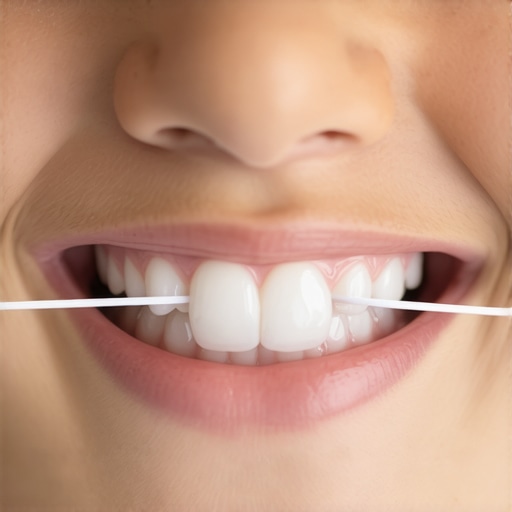
I remember the exact moment I realized I’d been missing a crucial step in my child’s oral hygiene. It was after a routine dental checkup, and the dentist gently pointed out that our toddler’s molars were already showing signs of plaque buildup—despite our diligent brushing efforts. That feeling of guilt and failure hit hard. It made me wonder: how many parents overlook the importance of flossing so early?
Why Flossing When Two Teeth Touch Matters
For a long time, I believed that brushing was enough. I thought flossing was only for older kids or adults. But the truth is, as soon as two teeth start to touch, it’s time to introduce flossing into your child’s routine. This small but mighty habit can prevent cavities and gum disease before they even begin. Plus, developing good flossing habits early can set the foundation for a lifetime of oral health.
Did you know that microscopic bacteria and food particles can hide in the tight spaces between teeth where a toothbrush can’t reach? If left unattended, this can lead to cavities, gum inflammation, and even more serious issues down the line. Starting early helps children get accustomed to the routine, making it less of a battle as they grow older.
My early mistake was waiting until my child had a cavity or gum discomfort to consider flossing. Looking back, I realize that proactive prevention is always better than reactive treatment. Regular flossing not only keeps the teeth clean but also promotes healthier gums, which is vital for overall well-being. For additional insights, check out [the impact of regular teeth cleaning on overall oral wellness](https://periodontistcare.com/the-impact-of-regular-teeth-cleaning-on-overall-oral-wellness).
In the sections ahead, I’ll guide you through how to introduce flossing gently and effectively. Trust me, once you start, you’ll wonder how you ever skipped this essential step in your child’s dental care. Ready to make flossing a simple, successful part of your family’s routine?
Begin with the Right Tools
Start by choosing a child-friendly flossing product, such as flavored, easy-to-hold floss picks designed for small hands. My first attempt involved grabbing a pack of multi-flavored floss picks, but I quickly realized that patience and demonstration were more critical than the tool itself. Use a mirror and demonstrate how to gently slide the floss between two teeth, mimicking the motion of a seahorse wrapping around coral, to make it easy for your child to understand.
Make Flossing a Game
Children respond well to play. Turn flossing into a fun activity by using a timer or singing a short song. For example, I set a 30-second timer and challenged my son to finish flossing both sides of his mouth before it buzzed. The use of animated characters or rewards encourages consistency and reduces resistance. Remember, the goal is temporary compliance now, not perfection.
Lead by Example and Practice Together
Young children imitate adults. Perform your own flossing routine alongside your child, narrating your actions: "Now I am gently sliding the floss between my teeth to clean away food, just like I want you to do." This micro-story helped my child see flossing as a normal part of dental care. Initially, I did it together, ensuring the floss reached all necessary areas. Be patient if your child spits out or fidgets; consistency fosters familiarity.
Supervise and Guide the Technique
Initially, guide their hands to ensure correct flossing motion. Use your index fingers and thumbs to hold the floss at both ends, gently pressing it against each side of the tooth with a C-shaped curve. Be cautious not to force or press too hard; hurt or gagging can occur if the floss is too tight or aggressive. Practice on a few teeth first, then gradually expand to a full mouth routine.
Address Messes with a Calm Approach
Expect toothpaste-like messes or food debris at first. During my first attempt, I found bits of apple and stringy floss on the sink and clothes. I approached this calmly, showing my child how to rinse and clean up without frustration. Consistent, gentle reinforcement helps your child associate flossing with a positive experience, reducing resistance over time.
Integrate Flossing into Daily Routines
Choose a consistent time—perhaps after brushing in the evening—to embed flossing naturally into your child’s daily hygiene routine. Making it a family activity not only motivates your child but also reinforces the habit. I found that doing it right after brushing made my child more receptive, as they already associated that moment with oral cleanliness. Remember, patience and persistence are key to establishing this vital habit.
Many people assume they know everything about maintaining their family’s oral health, but surprisingly, misconceptions are widespread. One myth is that regular brushing alone is sufficient for preventing cavities. While brushing is crucial, it doesn’t clean between teeth or remove plaque lurking beneath the gumline, especially around crowns and implants. Overlooking this can lead to issues that require more extensive treatments later, such as crowns or deep cleanings, which could have been avoided with proper flossing and professional cleanings. Another common misunderstanding is that dental visits are only necessary when there’s pain. In reality, routine checkups help detect problems early, saving both money and discomfort. A more nuanced mistake involves thinking that all dental procedures, like crowns, are purely cosmetic. However, crowns serve vital functions—they restore tooth integrity, prevent decay, and protect the underlying structure. Failing to understand this can lead to neglecting necessary restorations, risking further damage.
How Can Advanced Dental Nuances Save You Money and Preserve Your Smile Better?
For example, understanding the materials used for crowns and their longevity can influence your choice and maintenance routines, ultimately enhancing durability and appearance. According to a study by the American Dental Association, proactive management of dental restorations extends their lifespan significantly. Be cautious of the trap that neglects the importance of professional advice—DIY solutions or over-the-counter products can’t replicate the tailored care provided by your dentist. Regular maintenance, visiting experts like those at [family dentistry practices](https://periodontistcare.com/family-dentistry-focus-building-a-lifetime-of-healthy-smiles), and understanding the clinical nuances can prevent costly repairs and ensure healthier teeth for years to come. Want to keep your family’s smile shining brightly? It starts with recognizing these misconceptions, avoiding common pitfalls, and trusting expert guidance. Have you ever fallen into this trap? Let me know in the comments.Maintaining excellent oral health over the long term requires more than just daily brushing and occasional flossing. Investing in the right tools and understanding proper maintenance routines can significantly extend the lifespan of dental restorations like crowns and ensure your family’s smiles stay bright and healthy. One essential practice is scheduling regular professional cleanings, which have a proven impact on overall wellness, as detailed in [this comprehensive report](https://periodontistcare.com/the-impact-of-regular-teeth-cleaning-on-overall-oral-wellness).
What I Wish I’d Known Before Making Flossing a Habit
One of the most profound realizations in my dental journey was that early flossing routine shaped my children’s lifelong oral health. The lightbulb moment came when I understood that postponing flossing until problems arose was a mistake. Starting this habit early not only prevented cavities but also built confidence and comfort for my kids during dental visits.
The Power of Small Changes That Saved Our Smiles
Incorporating simple tools, like flavored floss picks, made the routine enjoyable rather than a chore. Choosing wisely from trusted resources like professional-recommended tools transformed our experience. These small adjustments created consistency, turning flossing into a natural part of our daily life.
Why Trust in Experts Transformed Our Family’s Dental Outlook
Consulting with skilled family dentists and reading authoritative articles shifted my understanding of procedures like crowns and deep cleanings. This knowledge prevented unnecessary treatments, boosted confidence, and saved money. I learned that routine checkups and personalized advice, accessible through sites like family dental experts, are essential for maintaining a vibrant smile.
Your Turn to Embrace Real Dental Confidence
Remember, staying proactive with routine dental care—including early flossing and understanding advanced treatments—can significantly impact your family’s health. The journey to a lifelong bright smile is built on informed choices and consistent habits. Take that first step today and experience the confidence that comes with a healthy, happy family smile.