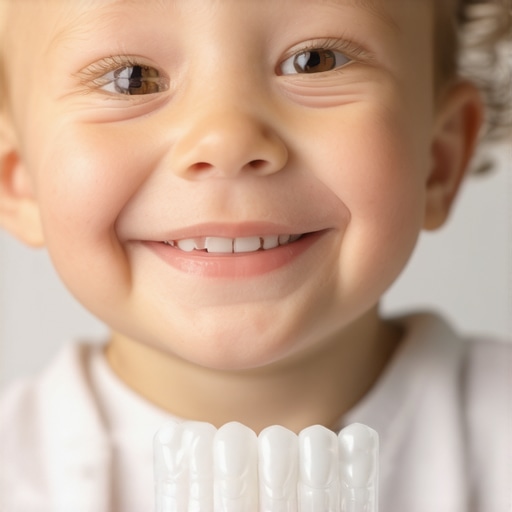
Have you ever found yourself in a panic over a loose baby tooth, wondering if it’s just a temporary phase or something worth stressing over? I remember the first time my child’s tooth wobbled and I thought, “It’s just baby teeth—what’s the big deal?” That moment was a lightbulb for me. I realized I had been brushing it off, quite literally, assuming that since they fall out anyway, there’s no real need to fuss. But as I dug deeper, I uncovered some eye-opening facts about why those tiny teeth are crucial, even if they’re destined to be replaced.
The Hidden Power of Baby Teeth
It turns out, baby teeth do more than just make your little one look adorable—they set the foundation for a healthy adult smile. They help with proper speech development, ensure that adult teeth come in correctly, and contribute to good nutrition by enabling proper chewing. Neglecting them can lead to a cascade of problems, like misaligned teeth or even long-term dental issues down the line. Personally, my early mistake was dismissing small cavities because I didn’t think they mattered; however, poor baby teeth health can cause more discomfort and dental interventions later in life, often more complicated and costly. To get tips on maintaining your family’s oral health, check out this essential guide.
Skeptical? Is Baby Teeth Care Really That Important?
Admittedly, I struggled with this concept at first. I thought, “They’re just going to fall out anyway, so why invest too much effort?” My mistake was thinking that caring for temporary teeth is optional. Experts stress that early dental habits and oral health directly influence the development of permanent teeth and overall health. A study published by the American Dental Association highlights that early dental issues can predict future dental problems, emphasizing the importance of gentle but consistent care from the very beginning.
If you’ve ever overlooked the small cavities or skipped regular dental checkups for your child, you’re not alone. But this simple oversight can lead to bigger problems down the road, including pain, infections, or even difficulty in speech development. Fortunately, understanding why those tiny teeth matter can change how you approach your family’s dental routine. So, let’s delve into practical steps to safeguard your child’s beautiful, healthy smile.
Establish a Consistent Brushing Routine
Start by choosing the right toothbrush—consider a soft-bristled one designed for children—similar to selecting gentle brushes for delicate fabrics. Every evening and morning, supervise your child’s brushing to ensure they reach all surfaces. I once stayed up late helping my toddler brush, making it a fun game with a timer—this not only made the process enjoyable but also thorough. Remember, proper brushing removes plaque and prevents cavities, especially in tiny, hard-to-reach areas.
Use Kid-Friendly Toothpaste
Opt for fluoridated toothpaste formulated for children, which strengthens enamel. Applying a smear or pea-sized amount is typical—less is more for little mouths. I learned this practice after my child gagged with a large dollop; keeping it small ensures safety and effectiveness. Regular use of fluoride-rich toothpaste helps in remineralizing enamel, making teeth more resistant to decay.
Encourage Proper Flossing Habits Early
Introduce flossing when two adjacent teeth touch—think of floss as a tiny bridge removing debris where brushes can’t reach. Use floss picks with a handle for better control, and guide your child through the process. One time, I demonstrated flossing using a bright string to show how it removes sneaky food particles, which fascinated my child and instilled a new routine. Flossing prevents plaque buildup between teeth, reducing the risk of cavities and gum problems.
Set Up Regular Dental Checkups
Schedule visits with a family dentist every six months—think of it as routine car maintenance for your child’s smile. During these visits, the dentist will gently examine teeth and apply preventive treatments like sealants or fluoride varnishes. Previously, I delayed checkups out of busyness, but after a professional cleaning, my child’s teeth felt noticeably cleaner, and I caught early signs of decay that I might have overlooked. Consistent dental visits ensure any issues are addressed proactively, safeguarding long-term oral health.
Monitor Diet and Limit Sugary Snacks
Cut back on sugary drinks and sweets, which act like fertilizer for cavities. Instead, provide crunchy fruits and vegetables that naturally clean teeth—think of them as snack-time toothbrushes. Once, my family replaced candies with apple slices and raw carrots; the change was apparent in fewer cavities in subsequent checkups. Educate your children on the importance of healthy eating habits to protect their developing teeth from acid attacks and decay.
Protect Teeth During Play
Encourage the use of mouthguards during sports to prevent injury—consider it a helmet for their smile. I remember my son hitting the soccer ball hard, but thankfully, he wore a mouthguard, avoiding a potentially severe dental injury. Proper protection minimizes the risk of chipped or knocked-out teeth, which can be costly and traumatic to repair. Make mouthguard wearing a non-negotiable part of sports gear to keep smiles intact.
Maintain Clean Teeth After Meals
Have your child rinse or brush after sugary or acidic foods to neutralize harmful acids—think of it as wiping away the enemy before it causes harm. Providing a travel-sized toothbrush or mouth rinse for after school can make a big difference. I introduced this before bedtime, noticing my child’s teeth looked brighter and felt cleaner. Regular removal of debris prevents plaque buildup and preserves enamel integrity, especially in the vulnerable years of primary teeth.
Beyond the Surface: Common Myths That Can Harm Your Smile
Many people believe that brushing vigorously is the key to healthy teeth, but in reality, overbrushing can wear down enamel and damage gums. Gentle, thorough cleaning is far more effective and safe, emphasizing the importance of proper technique over brute force. Additionally, there’s a widespread myth that white teeth are always healthy; however, whitening products can sometimes weaken enamel if misused. It’s essential to consult with your family dentist to determine the best approaches for your specific needs.
Advanced Mistakes: The Nuances That Lead to Long-Term Problems
A common oversight is neglecting the importance of professional cleanings, thinking daily brushing suffices. Professional dental visits remove tartar buildup that regular brushing can’t handle, preventing gum disease and cavities. Another nuance involves crown care—many assume they can treat crowns like natural teeth, but improper cleaning or neglect can lead to decay at the margins, jeopardizing their longevity. For those with crowns, learning how to maintain them properly through expert advice can dramatically extend their lifespan, as discussed here.
How Can Minor Dental Issues Escalate Without Notice?
Even small, seemingly insignificant problems like early cavity signs or slightly loose crowns can develop into painful infections or structural failures if ignored. The key is recognizing these issues promptly, which is why regular checkups with a trusted family dentist are crucial. Subtle indicators often go unnoticed but can be caught early through professional examination, saving you discomfort and costly repairs later. For comprehensive tips on maintaining healthy dental equipment and preventing issues, visit this guide.
Why Family Dentistry Offers More Than Just Checkups
Many people underestimate the importance of a multidisciplinary approach to dental care. Family dentistry isn’t just about fixing cavities; it’s about building a preventative framework that incorporates education, customized hygiene routines, and early intervention strategies. By establishing a relationship with your dentist, you gain access to tailored advice that considers your unique risk factors and lifestyle, dramatically improving outcomes. If you’re interested in creating a lifelong partnership for your family’s health, explore this resource.
The Real Impact of Oral Hygiene Nuances
It’s tempting to focus solely on brushing and flossing, but factors like saliva flow, diet, and even posture during cleaning can influence oral health outcomes. For instance, certain medications reduce saliva, increasing vulnerability to decay. Similarly, brushing immediately after citrus can erode enamel due to acid exposure, undermining your efforts. Incorporating comprehensive knowledge—like understanding how salivary enzymes protect teeth—can empower you to make smarter choices, as supported by research here. Do you feel you might be missing some of these subtle yet impactful factors? Let me know in the comments.
Keep It Working: Essential Tools for Dental Success
Maintaining optimal oral health requires more than just regular brushing—investing in high-quality tools can make a significant difference. I personally swear by using an electric toothbrush with adaptive brushing technology, such as the oscillating-rotating toothbrush. Its precise movements help remove plaque more effectively, especially in hard-to-reach areas where manual brushing often falls short.
Complementing this, I recommend using soft, textured floss like the waxed floss sticks. They provide better control for tighter spaces around crowns and dental work, ensuring debris doesn’t linger and cause decay. For long-term results, integrating a water flosser (e.g., the Waterpik) into your routine can greatly improve gum health, especially for those with bridges or implants, by delivering targeted rinses that dislodge food particles.
How do I maintain my dental tools over time?
Cleaning your tools after each use is vital. Rinsing toothbrush heads and floss picks with hot water and letting them air dry minimizes bacteria buildup. Replace your electric brush head every three months—this frequency aligns with expert recommendations from the American Dental Association, ensuring effective cleaning and preventing bacterial transfer. Additionally, consider using a UV sterilizer for your tools weekly; this proactive approach helps keep germs at bay, especially important if you share devices or have multiple family members.
The Power of Smart Software and Scheduling
Beyond physical tools, digital reminders can boost your adherence. I use a simple reminder app to sync with my dental checkup schedule, ensuring I never miss essential appointments. Some clinics, like this one, offer automated appointment tracking, which can be integrated with family calendars to streamline your oral health routine.
Predicting future trends, dental practices increasingly incorporate AI-based diagnostics and remote monitoring—allowing your dentist to track your progress between visits. As technology advances, expect to see more personalized preventative care, tailored exactly to your unique dental profile.
How do I keep my crowns and restorations in top shape over time?
Regular inspection and proper maintenance are key. Use the recommended cleaning techniques for crowns, which include gentle brushing with non-abrasive toothpaste and avoiding hard or sticky foods that can damage them. Also, scheduling consistent checkups ensures that any early signs of wear or decay are addressed promptly, extending the lifespan of your restorations. According to a study published in the Journal of Prosthetic Dentistry, routine care and maintenance can significantly prolong crown longevity, sometimes by several years, when combined with vigilant at-home practices.
This proactive mindset can save you time, money, and discomfort down the line. I encourage you to start integrating these tools and habits today—try switching to a water flosser or setting up digital reminders for your next appointment. Small adjustments now will keep your smile healthy and functioning smoothly for decades to come!
Over the years, one of the most enlightening lessons I’ve learned about family dentistry is that every tiny tooth carries a story — and sometimes, the smallest details hold the biggest secrets to long-term oral health. I used to think that neglecting the little spots of plaque or the early signs of decay didn’t matter since those teeth would eventually fall out. But discovering how these minor issues can echo into future dental complications was a game-changer. It made me realize that nurturing your child’s baby teeth isn’t just about a bright smile today but about safeguarding their confident, healthy grin for life.
What I Wish I Knew About Early Oral Care
- I used to overlook the importance of gentle flossing in my toddler’s routine, assuming it’s unnecessary at such a young age. That misconception delayed their habit formation and led to unnoticed buildup between teeth. Now I understand that introducing flossing early not only prevents cavities but also fosters lifelong habits.
- I believed that baby teeth were disposable, so I didn’t prioritize regular checkups. That false comfort risked missing early signs of decay that could have been addressed with simple interventions. Regular visits, even with primary teeth, can catch problems before they escalate.
- The myth that brushing vigorously cleans better convinced me to use hard bristles — a mistake that damaged my child’s gums. Now, I know that gentle, thorough brushing with appropriate tools is key to protective, healthy enamel.
My Personal Miniature Toolbox for Family Dental Success
- Choosing a multifunctional electric toothbrush has transformed how I help my family maintain fresh, clean teeth, especially with features like timers and pressure sensors. I trust brands committed to gentle, yet effective cleaning, such as those reviewed in this guide.
- Using dental sealants — a simple yet mighty shield against decay — is a game-changer I recommend to every parent concerned about cavities in hard-to-reach molars. It’s a quick procedure with lasting benefits.
- I rely on user-friendly floss picks with textured grips that make flossing less of a chore for kids, a tip shared in this resource. Consistency, paired with the right tools, makes all the difference.
- Lastly, I’ve found that scheduling digital reminders and integrating dental care into our daily routine ensures that no appointment or habit falls by the wayside. Technology can be a powerful ally in maintaining a bright, healthy family smile.
Seize the Moment to Brighten Smiles Today
Your child’s journey to a resilient, radiant smile is a series of small, meaningful steps. Taking proactive care of baby teeth — from gentle brushing and flossing to regular checkups and diet vigilance — is how we nurture not just teeth, but confidence, speech, and overall well-being. Remember, the habits formed early are the foundation for lifelong dental happiness. If you’re ready to elevate your family’s oral health routine, start with attainable goals today. Because every healthy smile begins with the choices you make now.
What’s one new family dental habit you’re excited to try or improve? Share your thoughts — I’d love to hear how you’re shaping your child’s smile story!