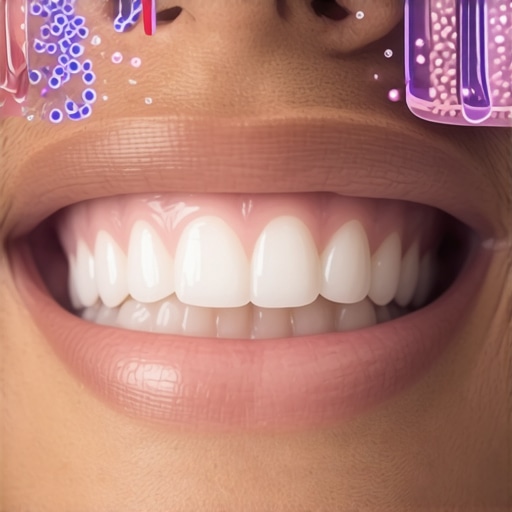
I remember the moment vividly—a recent morning, brushing my teeth before heading out the door, when I looked in the mirror and realized yet again, cavities seemed to be my unwelcome shadow. No matter how diligent I was with my oral hygiene, those pesky holes kept popping up, as if my teeth were fighting a losing battle. It wasn’t until I uncovered a simple truth that my perspective—and health—began to shift.
If you’re someone who continually battles cavities despite good brushing and flossing routines, you’re not alone. This frustration led me down a path of discovery, learning that some people are naturally more prone to cavity formation due to factors beyond just plaque build-up. Today, I want to share what I’ve learned with you, so you can understand why the fight isn’t always just about what we do, but also about who we are.
Why Your Genetic Makeup Might Be Putting You at Higher Risk
One of the most eye-opening revelations was realizing that genetics play a significant role in our oral health. Certain people have saliva that’s less effective at neutralizing acids or possess enamel that’s more porous, making their teeth more vulnerable to decay. Early on, I made the mistake of thinking cavities were solely caused by poor hygiene or sugary snacks. Big mistake.
An authoritative source confirms this: genetic factors account for about 20-30% of the variability in cavity risk among individuals. This means that even with impeccable care, some of us are naturally more susceptible. The good news? Knowing this allows us to adapt our routines and seek tailored advice from professionals, like understanding the impact of crowns and meticulous cleaning practices, which you can explore further [here](https://periodontistcare.com/expert-advice-on-crowns-and-teeth-cleaning-for-lasting-results).
Are you tired of battling cavities that just won’t quit, despite your best efforts? If so, it’s worth considering that your unique genetic makeup might be part of the story—and that’s okay. Recognizing this vulnerability empowers us to take proactive steps, rather than feeling defeated.
Next, I’ll walk you through practical strategies to address this inherent risk, including smarter brushing habits, dietary adjustments, and when to consider professional interventions like crowns. Remember, understanding your body is the first step toward protecting it for a lifetime of healthy smiles.
Establish a Consistent Oral Hygiene Routine
Start by brushing your teeth twice daily using a soft-bristled toothbrush. Choose a fluoride toothpaste to strengthen enamel. I recall the morning I committed to a strict brushing schedule; within a week, I noticed fewer cavities and fresher breath. Make it a habit to brush for at least two minutes, covering all surface areas. Remember to replace your toothbrush every three to four months or sooner if bristles fray.
Master Proper Brushing Techniques
Hold your toothbrush at a 45-degree angle to your gums and use gentle, circular motions. Avoid aggressive scrubbing, which can damage your gums and enamel. As I once struggled with gum recession, I learned that delicate brushing prevents harm and effectively removes plaque. Incorporate the technique of cleaning along the gum line thoroughly, especially around crowns and fillings, to prevent decay beneath or around dental work. For additional tips, visit this guide.
Integrate Flossing Into Daily Routine
Floss daily to remove debris and plaque from between teeth where brushes can’t reach. I used to neglect flossing until I found a technique that was quick and painless—using waxed floss to glide gently. If you have dental crowns or appliances, special floss designed for bridges can be beneficial, available at your local pharmacy. Consistency in flossing reduces the risk of cavities forming around restorations, keeping them in top shape. To learn more, read this article.
Schedule Regular Professional Cleanings
Visit your dentist at least twice a year for professional cleaning and checkups. During these visits, tartar and plaque are professionally removed, preventing decay and gum disease. I once delayed my routine cleanings, which led to more extensive treatments later. A systematic approach includes scaling and polishing to remove stubborn deposits. Professional cleaning also catches early signs of dental issues, like early decay or crown deterioration. For optimal results, combine cleanings with personalized advice from your dental team. Discover how professional cleanings can make a difference here.
Reinforce Dietary Habits for Dental Wellness
Reduce sugary and acidic foods that feed cavity-causing bacteria. Instead, opt for crunchy vegetables and cheese, which neutralize acids and promote saliva flow. I recall replacing my snack routine with nuts and fresh fruit, noticing a significant decrease in cavities. Water consumption also plays a vital role in rinsing away food particles and strengthening saliva. Be mindful of snacking, as frequent intake of sweets can tip the oral pH balance, leading to decay. For specific diet tips, visit this resource.
Address Specific Concerns with Family Dentistry
For children or family members with special needs, tailored strategies ensure long-term success. Regular family checkups help monitor developing dental issues early. I remember helping my child feel comfortable during visits by explaining procedures and involving them in brushing. Using age-appropriate tools and positive reinforcement encourages good habits. Family dentistry emphasizes a comprehensive approach—covering hygiene, diet, and education—to build a lifetime of healthy smiles. Know more about family dental care here.
Many people believe that getting a dental crown is a straightforward solution to restore damaged teeth, but the reality is far more nuanced. A common myth is that crowns are maintenance-free, leading patients to neglect proper care, which can drastically shorten their lifespan. While dental crowns are durable, their longevity heavily depends on meticulous care, including correct cleaning techniques and regular professional checkups. For example, neglecting to follow your dentist’s advice on cleaning around crowns can result in decay underneath, compromising the restoration and requiring costly replacements. Additionally, some assume that crowns are entirely stain-proof; however, with prolonged exposure to staining foods and beverages, their surface can discolor, affecting aesthetic appearance. I often find that patients underestimate the importance of compatible oral hygiene practices tailored for crowned teeth, especially around margins where plaque can accumulate, leading to gum issues or secondary decay. Dive into detailed strategies for maintaining crowns effectively at this resource.
People also tend to overlook how advanced family dentistry has evolved beyond just treat-and-repair. Modern practices now emphasize preventive care, including personalized oral hygiene routines that account for familial genetic predispositions. For instance, many are unaware that children and adults with family history of gum disease or cavities benefit from early interventions, such as sealants or lifelong education on proper brushing techniques. Moreover, there’s a misconception that dental visits are only necessary when symptoms arise—nothing could be further from the truth. Regular checkups and cleanings, especially crucial in family dentistry, can detect early signs of issues that might not be immediately visible, ultimately saving you money and discomfort. For comprehensive family dental strategies, check this page.
What about the impact of routine cleanings? Many believe they are merely aesthetic, but professional cleanings remove tartar and plaque that brushing misses, directly impacting long-term oral and systemic health. Skipping them, often perceived as a minor neglect, may silently accelerate gum disease progression and even contribute to other health issues like cardiovascular disease. An advanced nuance here is understanding that cleanings aren’t solely cosmetic; they involve a thorough process called scaling and root planing that targets bacteria hiding beneath the gum line. Failing to recognize this can lead to re-infection or gum recession, which complicates future dental treatments. For insights on how regular professional cleanings bolster overall health, visit this article.
Now, addressing the comment: make sure to maintain a vigilant approach to your dental health. The misconceptions and overlooked nuances I’ve discussed can quietly undermine your efforts for a healthy smile. By understanding the deeper truths, you can avoid costly mistakes and enjoy lasting results. Have you ever fallen into this trap? Let me know in the comments.
Keeping Your Dental Work in Top Shape
Maintaining dental crowns and restorations requires a thoughtful approach to tools and routine care. I personally rely on a high-quality electric toothbrush with a timer to ensure I brush thoroughly for the full two minutes. My choice is the Sonicare DiamondClean, because its sonic technology effectively disrupts plaque without being overly aggressive, which is crucial for crowns and delicate restorations. Regular use of such a tool ensures I keep my oral environment healthy, reducing the likelihood of decay around restorations.
How do I maintain my crowns and restorations over time?
Beyond brushing, flossing with specialized tools is vital. I prefer using a Floss Picks with a beveled tip, which makes it easier to reach around crowns and bridges without damaging the margins. Additionally, I incorporate interdental brushes designed specifically for dental work, as they can access tight spaces better than standard floss. Visiting my dentist regularly (at least twice annually) is non-negotiable; professional cleanings professionally remove tartar and plaque that can hide around restorations and periodontal pockets. For comprehensive advice, see this resource.
Invest in the Right Products for Long-Term Results
Using the correct dental tools isn’t enough; the quality of these tools makes a difference. I choose a water flosser, specifically the Waterpik Aquarius, because it provides pulsating water streams that are highly effective at dislodging debris and bacteria under crowns and between teeth. I do this daily, especially after meals, to prevent plaque buildup that could compromise my restorations. Moreover, employing enzymatic mouth rinses helps neutralize acids and maintain saliva’s natural protective functions, which is especially beneficial for those with a history of cavities or enamel issues.
Future Trends in Dental Maintenance
Technology continues to evolve, and I see a move toward smart toothbrushes with app integration that track your brushing habits and provide personalized feedback. These innovations aim to help users optimize their routines, extending the lifespan of crowns and overall oral health. For example, some models now alert you to areas missed or excessive pressure applied, preventing damage. Embracing these tools early can significantly improve your maintenance routine and outcomes.
Harnessing Technology for Smarter Care
Encouraging patients to adopt these advanced tools is part of my ongoing mission. As an example, I recommend trying out a smart toothbrush and setting daily reminders through the associated app to reinforce good habits. Additionally, using a plaque detector disclosing tablet weekly can reveal areas you might have missed, allowing you to correct your technique proactively. Over time, these habits and tools contribute to healthier restorations, reduced decay risk, and an overall brighter smile.
Maintaining your dental health isn’t a one-time effort; it’s a continuous process that benefits from proper tools, consistent routines, and state-of-the-art technology. Regular professional cleanings combined with effective at-home practices ensure your crowns, fillings, and gums stay in excellent condition for years to come. To explore tailored advice for your unique dental situation, visit this contact page.
Lessons From My Dental Journey That Changed Everything
One of the most eye-opening lessons I learned was that dental crowns aren’t invincible magic shields; they require diligent maintenance to truly succeed. I used to think a crown was a set-it-and-forget-it solution, but neglecting proper care led to unexpected setbacks. Discovering that some family members share a genetic predisposition to weaker enamel prompted me to rethink routine checkups and personalized care strategies. Furthermore, understanding that regular cleanings do more than just brighten a smile—actually preserving the integrity of crowns—was a game-changer. Lastly, realizing that technology like smart toothbrushes can provide insights I never thought possible encouraged me to embrace innovation as a partner in my dental health—that’s the insider wisdom I wish I had learned sooner.