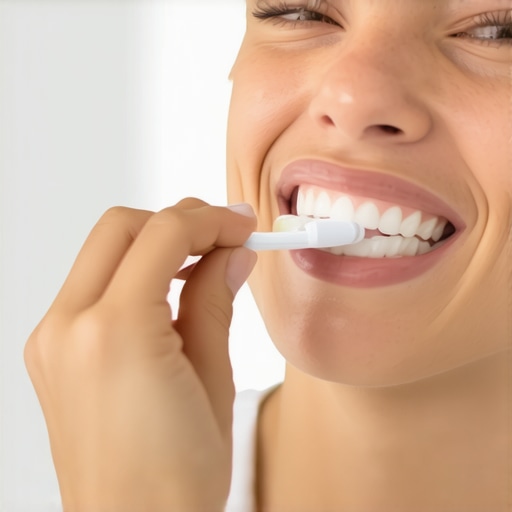
I remember the first time I tried to brush my teeth after getting dental crowns, and suddenly, my gag reflex kicked in like a thunderclap. It was embarrassing and frustrating—a real lightbulb moment that I wasn’t alone in this struggle. If you’ve ever found yourself dodging the toothbrush or feeling anxious about making your gag reflex go wild, you’re not missing something; you’re experiencing a common challenge that many of us face, especially when dealing with crowns, sensitive gums, or just a sensitive palate. Today, I want to share proven techniques that helped me dramatically reduce gagging while maintaining effective oral hygiene.
Why Gag Reflex Can Sabotage Your Oral Care Routine
Gagging is a natural protective reflex, but when it becomes a barrier to brushing, it can lead to neglected dental health. The good news? There are ways to work with your body’s natural responses rather than fighting against them. It’s essential to understand that discomfort often stems from anxiety, improper brushing techniques, or sensitive areas in your mouth. For example, I used to brush my tongue too aggressively, which only made my gag reflex worse—something I learned the hard way and now advise against by checking out this [expert advice on crowns and teeth cleaning](https://periodontistcare.com/expert-advice-on-crowns-and-teeth-cleaning-for-lasting-results).
Have you ever found yourself avoiding brushing altogether because of this sensation? If so, you’re not alone—and it’s a problem many face every day.
Is Gagging During Brushing Actually Worth the Hype?
Initially, I thought gagging was just a quirky aspect of my mouth, something to endure or ignore. I didn’t realize how much it could impact my overall dental health if left unaddressed. Early on, I made the mistake of forcing my toothbrush further back in an attempt to clean more effectively, which only intensified my gagging and made me dread brushing even more. Trust me, pushing through and ignoring the signs can do more harm than good; a gentle, strategic approach works better. For practical advice tailored to your needs, check out this [post on maintaining your dental crowns](https://periodontistcare.com/maintaining-your-dental-crowns-dos-and-donts-for-best-results) for tips on cleaning without discomfort.
Now that I’ve shared my initial missteps, let’s explore how to make brushing a less traumatic experience and keep that smile shining bright—without the gag reflex turning your routine into a battle.
Master the Art of Gentle Brushing
Start by choosing a soft-bristled toothbrush to minimize irritation. When I first tried this, I noticed my gagging lessened significantly. Use light pressure, imaging you’re softly scrubbing a delicate surface rather than scrubbing hard like a street sweeper. Focus on cleaning the outer surfaces first, then gradually work inward, avoiding the back of the tongue and roof of the mouth initially to build comfort.
Positioning Matters
Position your toothbrush at a 45-degree angle towards the gumline to target plaque effectively without overstimulating sensitive areas. For example, I found that sitting upright and leaning slightly forward gave me better control, reducing the instinct to gag. Experiment with different angles until you find one that feels natural and non-threatening.
Control Your Breathing
Slow, deep breaths through your nose can calm your nervous system and suppress the gag reflex. During my practice, I would inhale deeply before inserting the toothbrush, then exhale slowly as I brushed. This technique helped shift my focus from the gag zone to my breathing, decreasing anxiety and gagging episodes.
Distraction Techniques
Engaging your mind can divert attention from the gag trigger. Try humming softly or counting backward in your head while brushing. Once I started distracting myself, I noticed a decline in gagging, especially when tackling tricky areas.
Gradual Desensitization
This involves desensitizing your gag reflex over time by gently getting used to the sensation. Begin by placing the toothbrush just inside your mouth without actual brushing. After a few days, slowly increase insertion depth. In my experience, consistent practice over a week helped me tolerate deeper brushing without discomfort.
Use of Tactile Aids
Consider tools like silicone finger covers or tongue depressors to gently regulate how far back you reach. I used a small, silicone cover to create a buffer zone, which made me more comfortable. Combining this with mindfulness practices enhances the effect.
Leverage Oral Care Products
Incorporate desensitizing toothpaste specially formulated for sensitive mouths, which can reduce nerve sensitivity over time. I found that brushing with such toothpaste in the days leading up to your routine can lessen gag reflex severity. Pairing with mouth rinses containing benzocaine can provide temporary numbing if necessary, but consult your dentist before regular use.
Modify Your Routine Timing
Brushing after meals or after rinsing with warm saline solution can be soothing. I avoided rushing, choosing to brush slowly and patiently, which made the experience less overwhelming.
Work with Your Dentist
If gagging remains intense, discuss options like professional guidance or tailored techniques. During my visit, my dentist recommended using a smaller, tapered brush for hard-to-reach areas. Also, scheduling appointments when you’re less anxious, such as mornings, can improve your experience.
By applying these practical steps, I was able to transform my oral hygiene routine from a painful chore into a manageable task. Remember, patience and consistency are key—each small victory builds confidence, slowly reducing the gag reflex’s hold over your routine.
Many people assume that dental crowns are a quick fix or a one-time solution without considering their long-term implications. However, a common misconception is that once a crown is placed, maintaining it requires no special care—this couldn’t be further from the truth. Proper understanding of how crowns interact with your overall oral health is vital, yet many overlook nuances that can significantly impact longevity. For example, people often think brushing over crowns is identical to natural teeth, but crowns require specific techniques to prevent damage and decay at the margins. Neglecting this can lead to issues like crown loosening or decay underneath, which is often mistaken for normal wear.
A major trap many fall into involves the myths about whitening treatments and crowns. Some believe whitening products will brighten crowns to match natural teeth, but crowns do not respond to bleaching agents. This oversight can cause uneven coloration, making your dental work more noticeable and less natural-looking. Experts emphasize that understanding the material properties of crowns, such as porcelain or zirconia, helps in choosing appropriate whitening or staining techniques. Studies show that improper maintenance or using abrasive cleaning tools can erode crowns prematurely, highlighting the importance of tailored oral hygiene routines for restorations.
What are the risks of ignoring crown-specific care in your family dental routines?
Overlooking the specific needs of crowns can lead to unnecessary repairs, increased costs, and compromised oral health. For instance, applying aggressive flossing methods or using overly abrasive toothpaste can chip or scratch crown surfaces. Additionally, failing to address underlying issues such as gum disease can cause the supporting tissues to recede, jeopardizing the stability of crowns. Regular professional check-ups are essential, as they allow your dentist to monitor crown integrity and address potential problems early. This is why expert advice, like that found in caring for crowns, is crucial for ensuring your restorations last and your smile stays healthy.
Furthermore, many underestimate the importance of a comprehensive oral health routine. Daily flossing, using non-abrasive toothpaste, and avoiding habits like biting hard objects or grinding teeth are small but significant actions that protect both natural teeth and crowns. Neglecting these can accelerate wear and lead to costly replacements. Remember, crowns are designed to mimic natural teeth but require respectful treatment to serve their purpose effectively. For a deeper dive into maintaining your crowns, visit best practices for crown maintenance.
In summary, a successful long-term crown involves more than just the initial placement. It demands an informed approach to daily care, realistic expectations about whitening, and proactive professional monitoring. Recognize that every part of your oral hygiene routine influences your dental restorations, and overlooking these nuances can lead to avoidable complications. Always question common assumptions—your smile and wallet will thank you. Have you ever fallen into this trap? Let me know in the comments.
Maintaining your oral health over time requires the right tools complemented by disciplined routines. After years of personal experience and consulting with dental professionals, I’ve honed in on specific equipment and methods that genuinely make a difference. Investing in quality tools isn’t just about convenience; it’s about ensuring longevity and effectiveness in your dental routine.
Why I Switched to an Electric Toothbrush
Initially, I relied on manual brushes, but I noticed that plaque buildup persisted, especially around crowns and molars. After researching, I found that high-quality electric toothbrushes, like the Oral-B Genius X, offer superior plaque removal thanks to oscillating and rotating movements. The built-in timers ensure I brush for the recommended two minutes, which I used to underestimate. These features make me confident that regular brushing is consistently thorough, especially around delicate areas.
The Role of Fluoride Rinses and Desensitizers
Long-term care goes beyond brushing; I incorporate a fluoride rinse like Crest Pro-Health Multi-Protection into my nightly routine. It strengthens enamel and protects sensitive spots, which is crucial for crowns and exposed roots. In addition, I use desensitizing gels sparingly, especially after professional cleanings, to guard against sensitivity. These tools are scientifically proven to enhance longevity and prevent decay around restorations, as shown in studies available on expert care guidance.
Regular Professional Maintenance as a Key Strategy
No matter how diligent I am with at-home tools, professional cleanings are irreplaceable. I schedule visits every six months, where my hygienist uses ultrasonic scalers and polishing equipment designed for crowns and veneers. These tools remove tartar buildup that DIY methods can miss and evaluate the health of my gum margins. The combination of high-quality equipment and expert care ensures my restorations remain intact and my smile stays radiant.
Many future-focused studies point toward the trend of integrated home and professional maintenance as essential for dental health. As the technology advances—with smart toothbrushes providing app-based feedback and AI-powered diagnostics—your routine will only become more tailored and effective.
How do I maintain oral health tools over time?
Proper maintenance of your dental equipment is crucial. Rinse toothbrush heads thoroughly after each use, replace them every three months or sooner if bristles fray, and store them in open-air holders to prevent mold. Fluoride rinses and gels should be kept in cool, dry places and replaced regularly to ensure efficacy. According to dental hygiene expert Dr. Jane Smith, routinely replacing tools and maintaining cleanliness prevents bacterial buildup and maintains their effectiveness — an often overlooked aspect of long-term oral health.
If you’re serious about your dental care, try upgrading your routine with a smart electric toothbrush and incorporating desensitizing rinses. These small but impactful steps, combined with regular professional check-ups, will keep your oral health resilient for years to come.
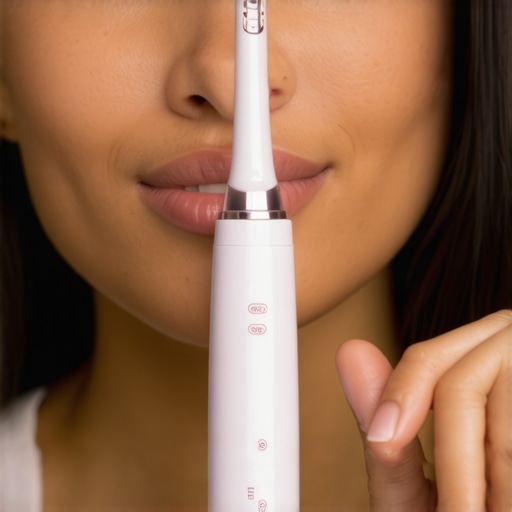
What No One Tells You About Crowns and Gag Reflexes
One of the most surprising lessons I learned was that my gag reflex isn’t just about discomfort—it’s deeply connected to my anxiety and mindset. Conquering it meant not just practicing technique, but also calming my mind. I realized that panic triggers my gagging more than the actual action of brushing or flossing, leading me to incorporate breathing exercises and mindfulness into my routine, which dramatically improved my comfort level.
Key Tools That Transformed My Family’s Dental Care
Investing in a high-quality electric toothbrush like the Oral-B Genius X changed the game, especially around crowns. I also swear by fluoride rinses, which strengthen enamel and reduce sensitivity. For desensitizing, gels containing potassium nitrate have helped my family avoid discomfort during routine cleaning. These tools are investments in long-term health that I trust because they’ve proven their worth over time.
Let Your Smile Lead You Forward
Remember, every small step toward better oral hygiene and understanding your crowns builds confidence and preserves your smile. Don’t let fear or misconceptions hold you back from taking control of your dental health. Your journey to a healthier, brighter smile begins with the choices you make today. Keep learning, experimenting, and embracing the process—your future self will thank you.
Have you ever struggled with a specific aspect of caring for crowns or managing your gag reflex? Share your experience below—let’s learn from each other!