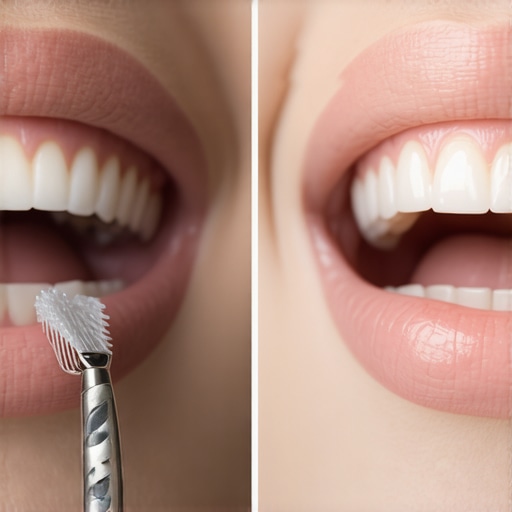
Have you ever sat in the dental chair, innocently expecting a routine cleaning, and heard the words “scaling” and “prophylaxis”? Suddenly, your mind races—what’s the real difference? I used to brush off these terms as just dentist-speak, but one day, I experienced the stark contrast firsthand. During a basic clean, my dental hygienist recommended a more intensive procedure without much explanation, leaving me confused and a little worried. That moment became a lightbulb for me: understanding the nuances between these treatments can genuinely make a difference for your oral health and budget.
Why Knowing the Difference Matters More Than You Think
For years, I thought my regular cleaning was enough to keep my mouth healthy. But I was unknowingly neglecting the deeper layers of tartar and plaque lurking beneath the gumline. It wasn’t until I faced persistent gum inflammation that I learned about the distinction between a standard prophylaxis and a more targeted scaling procedure. Recognizing when each is appropriate can prevent serious issues like periodontal disease and save you money in the long run.
Is All Dental Cleaning Created Equal or Worth the Extra Cost?
When I first scheduled a cleaning, I assumed all procedures were the same. Eventually, I discovered that simple prophylaxis might suffice for minor plaque buildup, but for stubborn tartar or gum disease, scaling becomes essential. This realization made me reevaluate my dental visits—no more just choosing the cheapest option. For comprehensive insights, check out this guide to crowns and teeth cleaning.
Early mistakes I made included assuming that if my teeth looked clean, they were healthy—big misconception. Research shows that professional cleanings significantly influence long-term oral wellness, reducing risks of systemic health issues like heart disease (source).
So, how do we tell if we need that extra oomph in dental cleaning? Stay with me—next, we’ll unravel the key differences, and I’ll share practical tips to ensure your smile gets exactly what it needs.
.
Identify When You Need a Deep Clean
First, observe your gums and teeth for signs such as bleeding during brushing or persistent bad breath, which may indicate tartar buildup. During my last routine check, I noticed my gums were a bit red and tender—prompting a discussion with my dentist. Recognizing these signs early can help you decide if a standard prophylaxis suffices or if scaling is necessary. Remember, a thorough examination by your dentist is essential to determine the appropriate treatment. For practical tips on maintaining your oral health routine, visit this guide to daily oral routines.
Prepare for Your Dental Visit Effectively
Before heading to your appointment, list any symptoms or concerns like sensitivity, bleeding, or discomfort. This preparation ensures your dentist accurately assesses your needs. During my last visit, I explained my mild gum bleeding, which helped my hygienist tailor the cleaning process. Clear communication with your dental professional can prevent over- or under-treatment. To understand what to expect during family dentistry visits, check this overview of family dental care.
Execute Proper Oral Cleaning Techniques
Master Brushing and Flossing
Using the right tools is crucial. I switched to an electric toothbrush and learned the proper brushing technique—gentle circular motions ensure plaque removal without damaging gums. When flossing, I carefully slide beneath the gumline, avoiding harsh sawing motions, which can cause bleeding. Regular flossing and brushing physically disrupt plaque, a major factor in tartar formation. For advanced tips, explore this guide to cleaning under dental bridges.
Incorporate Effective Home Practices
Improving daily routines enhances professional cleaning results. I started using a water flosser daily—it’s like a pressure washer for your mouth—especially effective around crowns and bridges. Additionally, I added tongue cleaning to my routine, which visibly reduced bad breath. Consistent home care prevents tartar buildup, making subsequent dental visits more manageable. Learn more about family-related dental habits at this resource on home cleaning secrets.
Monitor Your Oral Health Regularly
Daily self-assessment helps catch issues early. I use a mirror to check for swelling or receding gums once a week. Noticing slight redness prompted me to schedule a deeper cleaning sooner, which prevented further complications. Maintaining consistent monitoring complements professional visits and keeps your smile in top shape. For more family-focused tips, see this guide on children’s oral health.
Plan for Long-Term Dental Care
Lastly, schedule regular check-ups—ideally every six months—to ensure ongoing maintenance. During one visit, I learned that my lifestyle habits—like frequent coffee consumption—affected my whitening results, prompting changes to my daily routine. Regular professional cleaning, paired with disciplined home care, forms the foundation of a healthy, attractive smile. Dive deeper into the benefits of consistent care at this overview of teeth cleaning.
Many people believe they fully understand dental crowns, cleaning routines, and family dentistry, but in truth, there’s a lot of misinformation and overlooked complexities. One widespread myth is that all dental crowns are the same, leading patients to neglect the importance of choosing the right material or understanding their maintenance needs. While porcelain crowns are popular, zirconia crowns are often more durable and better suited for bite strength, a nuance many overlook. For advanced insights into crown longevity, explore this detailed guide.
A common misconception is that frequent dental cleanings are merely cosmetic, but in reality, regular professional care plays a critical role in preventing systemic health issues, such as cardiovascular disease. Some believe that good oral hygiene at home renders professional cleanings unnecessary; however, research highlights that no matter how disciplined your routine, professional cleanings are essential for removing tartar that toothbrushes and floss can’t reach. Read more about the impact of professional cleanings here.
In the realm of family dentistry, many assume that children require the same care as adults, but this isn’t accurate. Children’s teeth are more sensitive and require tailored techniques, such as smaller brushes and different preventive measures. Misunderstanding this can lead to ineffective cleaning or increased anxiety during visits. For effective strategies on managing children’s dental health, visit this resource.
Let’s address a hidden nuance that could save your oral health significantly: the timing of brushing and flossing. Many believe that brushing immediately after meals is always best, but acids from food and drinks can temporarily soften enamel. Brushing too soon can cause damage, so waiting 30 minutes is often recommended. This subtle point is backed by studies on enamel resilience and acid attacks, such as those found in this research.
Have you ever fallen into this trap of misconceptions? Let me know in the comments—let’s demystify oral health together.
Keep It Working: Essential Tools and Methods for Durability
Maintaining your oral health over the long term requires more than just visiting the dentist regularly—it demands the right tools and consistent techniques. Personally, I swear by my high-quality electric toothbrush, the Oral-B Genius X, which features AI-powered brushing guidance. This device ensures I scrub all surfaces effectively, minimizing plaque and tartar buildup that can compromise crowns or lead to gum issues. Additionally, I incorporate a Waterpik Ultra Water Flosser into my routine; its pulsating stream cleans beneath bridges and around crowns far better than traditional floss, reducing the risk of decay lurking at those hard-to-reach spots.
Beyond immediately visible benefits, these tools serve as investments in your long-term wellness. Advances in dental technology mean that newer models include app integrations, allowing for real-time feedback and personalized routines. I particularly find the app-connected features motivating, turning daily hygiene into a game—encouraging consistency and mindfulness. As the future of oral health trends toward smart devices, I predict a move toward more interconnected, AI-driven care systems that can alert you early to potential issues, saving time and money.
How do I maintain my crowns and repairs over time?
To keep crowns, bridges, and other restorations functioning flawlessly, routine maintenance is crucial. I follow a strict regimen outlined in this trusted guide. Key strategies include avoiding abrasive toothpastes that can scratch crowns, using interdental brushes to clean around bridges, and scheduling professional check-ups every six months. Regular professional cleanings do more than just freshen breath—they strengthen the bond between your natural teeth and dental work, preventing chips and wear over time.
Furthermore, using a gently vibrating sonic scaler periodically, as advised by dental experts, can reduce plaque accumulation without damaging restorations. Complemented by a personalized oral hygiene routine, these practices ensure that your investment in dental work pays dividends for years. Remember, maintaining your dental restorations isn’t a one-time effort but an ongoing commitment.
Equip Yourself for Success
Choosing the right tools influences your ability to sustain oral health. Besides my electric toothbrush and Waterpik, I’ve found a good-quality mouth mirror invaluable for daily self-inspections—spotting early signs of gum recession or minor chips before they escalate. Additionally, I use interdental brushes like TePe Select Compact to clean around crowns and implants more thoroughly than floss alone.
As advancements continue, expect to see more AI-enabled devices that monitor your brushing technique and flag potential issues in real time. In the meantime, integrating proven tools and techniques—such as regularly replacing your toothbrush every three months and using fluoride rinses—can dramatically improve your outcomes. For comprehensive, family-friendly routines, check out this resource.
Stay Vigilant with Ongoing Care
Long-term dental health is a marathon, not a sprint. Schedule regular professional inspections and cleanings, which are essential even if you’re diligent at home. These visits help detect early signs of wear or decay, especially around crowns and restorations, and keep your smile at its best. Adopting tools like laser-guided scanners can streamline this process, providing dentists with precise data on your oral structures. Predictably, as technology advances, we’ll see even more personalized dental care plans driven by digital diagnostics.
So, I challenge you to try out a Bluetooth-enabled electric toothbrush and set personalized alerts for replacement or maintenance. It’s a small step that can bring big benefits. Remember, combining top-tier tools with consistent habits will ensure your teeth and restorations stay durable and beautiful for decades.
What I Wish I Knew When I First Thought I Had It All figured Out
- One of the most eye-opening lessons was realizing that not all dental cleanings are created equal—what works for plaque might not suffice for tartar, especially around crowns. The importance of tailored care truly hit home for me, and it made me appreciate the nuanced expertise dentists provide beyond seemingly simple procedures.
- I learned that trusting in technology — like digital scanners and AI-guided brushes — isn’t just about convenience; it’s about empowering myself with tools that give early warnings, preventing costly repairs or replacements down the line.
- The biggest revelation? That maintaining crowns and dental work requires ongoing vigilance. Even a small oversight, like neglecting interdental cleaning around a crown, can lead to decay or damage that’s hard to reverse. Consistency is everything.
Tools and Resources That Changed My Approach to Oral Health
- Smart Electric Toothbrushes: Devices like the Oral-B Genius X transformed my brushing routine with real-time feedback, ensuring I clean thoroughly and evenly around crowns and bridges.
- Water Flossers: Incorporating a Waterpik into my daily routine made cleaning beneath dental restorations easier and more effective, saving me from future complications.
- Trusted Guides: Resources like the comprehensive expert advice on crowns and teeth cleaning have been instrumental in understanding best practices and customizing my care.
- Routine Monitoring: Regular self-assessments and scheduled professional visits create a safety net, catching issues early before they escalate — an essential strategy every family should adopt.
Your Smile Is Your Investment—Keep It Alive and Thriving
The journey to optimal oral health is ongoing, but each step you take—embracing effective tools, staying informed, and committing to routine care—builds a foundation for a vibrant smile that lasts a lifetime. Remember, your smart choices today shape your confident, healthy future.
What habits or tools have you found most effective in maintaining your crowns and overall oral health? Share your stories below—let’s learn from each other!