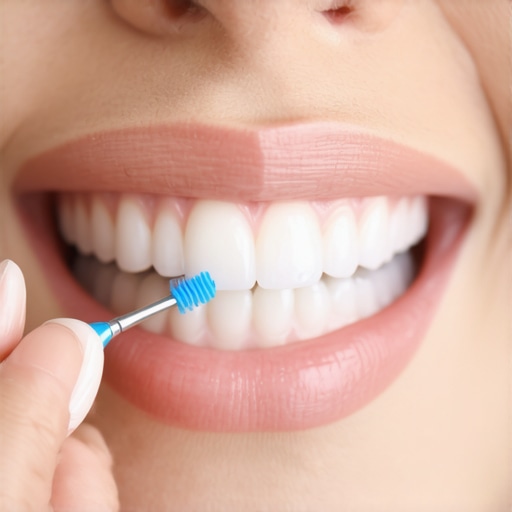
Have you ever felt that unexpected gritty sensation when brushing near your dental crown, especially under a fixed bridge? It’s that discomfort that sneaks up on you in the quiet moments, making you question whether your oral hygiene routine is truly effective. I remember the lightbulb moment when I realized that despite diligently brushing and flossing, I was still battling plaque buildup beneath my bridge—something I hadn’t fully understood at first.
Why Cleaning Under a Fixed Dental Bridge Is a Game Changer
Many folks overlook this crucial step in oral care, thinking that regular brushing is enough. But the area beneath a fixed dental bridge is a common hiding spot for plaque and bacteria, which can lead to cavities, gum disease, or even harm the underlying tooth structure. Properly maintaining this space isn’t just about fresh breath; it’s about preserving your entire smile and avoiding costly dental procedures down the line.
Did you know that research shows poor hygiene around dental restorations can significantly increase the risk of periodontal issues? According to a study published in the Journal of Periodontology, neglecting these areas can contribute to nearly 40% of periodontal disease cases among adults. That’s a stark reminder: good oral health demands more than just brushing—the devil’s in the details.
Is More Complex Than Flossing? The Truth About Cleaning Under Bridges
When I first started trying to clean under my bridge, I made the mistake of assuming that floss was enough. That’s a common misconception. Traditional flossing alone often isn’t sufficient to reach all the nooks and crannies beneath a fixed bridge. Later, I discovered that specialized cleaning tools, like floss threaders or interdental brushes, make a world of difference. These tools can effectively loosen and remove debris that traditional floss might miss, keeping your smile healthy and bright.
If you’ve been frustrated trying to keep that area clean, you’re not alone. Many people give up or settle for a less-than-adequate routine. But with the right techniques and tools, cleaning under your dental bridge can become a simple, manageable part of your daily routine. For more comprehensive tips, you can explore insights on [caring for crowns](https://periodontistcare.com/caring-for-crowns-essential-tips-for-longevity-and-shine) or learn about [expert advice on cleaning for lasting results](https://periodontistcare.com/expert-advice-on-crowns-and-teeth-cleaning-for-lasting-results).
Now, let’s dive into the specific tricks and strategies that will transform your dental hygiene game and help your bridge stay in tip-top shape. If you’ve ever faced the struggle of stubborn debris stubbornly clinging in those tricky spots, this guide is for you.
How to Reach Every Nook and Cranny
Start by choosing a floss threader—think of it as a flexible bridge tool—insert it beneath your bridge’s pontic, and gently glide floss to dislodge debris. I recall the first time I did this; the floss snagged briefly, but I persisted, and afterward, my breath felt immediately fresher. Ensure you follow the curve of your gumline to avoid damaging tissues.
Stretch Out Your Floss with a Threader
Use a dental floss threader as your secret weapon—it’s like threading a needle but for your mouth. Thread a piece of floss through it, then carefully guide it under your bridge. Pull the floss through, making sure to keep it taut against the tooth surface. Repeat this process at multiple angles—diagonal, vertical—to remove stubborn plaque.
Upgrade with Interdental Brushes
These tiny brushes are like mini pipe cleaners designed for your mouth. Once you’ve threaded floss, take an interdental brush and gently insert it into the gap. Clean back and forth, making sure to reach the sides of the adjacent teeth. This method is especially effective for larger gaps or bridges with some undercut space. I added this step after a frustrating week of leftover debris and immediately saw a difference.
Techniques for Optimal Results
Apply a gentle, circular motion when cleaning—think of it as polishing a jewel rather than scrubbing a pot. Vigorous movements can damage your gum tissue. Rinse with water or an antibacterial mouthwash afterward to wash away loosened plaque and debris. For added protection, caring for crowns with proper tools can extend their lifespan and keep your smile bright.
Timing Matters for Maximum Cleanliness
Make cleaning under your bridge a nightly ritual. Just after dinner, when your mouth is less occupied with food particles, is ideal. This consistency prevents plaque from hardening into tartar and reduces the risk of gum inflammation. I learned that setting a reminder helps embed this routine into daily life, leading to healthier gums over time.
Fine-Tuning Your Approach
Pay attention to your gum response. If you experience bleeding or discomfort, scale back and try more gentle techniques or consult your dentist. Over time, your gums will strengthen as you adopt a meticulous cleaning routine. Remember, every mouth is unique; customize your tools and methods for the best fit. For more insights on maintaining your dental crowns, explore dos and don’ts.
Many people believe that brushing twice a day with any toothpaste is enough to keep their teeth healthy, but this is a widespread misconception. In reality, relying solely on basic brushing overlooks the nuances of oral hygiene, especially concerning crowns and family dentistry. For instance, some assume that crowns don’t require special care, but improperly cleaning crowns can lead to decay or discoloration. Advanced mistakes often include neglecting the use of interdental brushes or water flossers, which are crucial for reaching beneath crowns and bridges and preventing plaque buildup. Moreover, there’s a myth that frequent professional cleanings are unnecessary if you floss regularly; however, studies, such as one published in the Journal of Periodontology, show that routine professional cleanings significantly reduce the risk of periodontal issues, even with diligent home care. Don’t fall into the trap of thinking that brushing is enough—effective oral health requires understanding the subtleties and employing the right tools, like a water flosser or specialized dental picks, especially in complex cases involving crowns or bridges. Overlooking these details can lead to advanced issues like gum recession or crown failure. To deepen your knowledge on maintaining your restorations, visit [tips for crown longevity](https://periodontistcare.com/caring-for-crowns-essential-tips-for-longevity-and-shine) or [expert advice on cleaning](https://periodontistcare.com/expert-advice-on-crowns-and-teeth-cleaning-for-lasting-results). Remember, a comprehensive approach to dental hygiene isn’t just about removal of visible plaque but involves nuanced techniques that safeguard your entire smile for years to come. Have you ever fallen into this trap? Let me know in the comments.Maintaining your oral health over time requires not only consistency but also the right tools and methods that effectively reach those hard-to-clean areas around crowns, bridges, and other restorations. One of my go-to investments has been the Waterpik Water Flosser, especially the Ultra model. Its adjustable pressure settings and targeted tip designs make it indispensable for cleaning beneath bridges and around crowns, where traditional floss often struggles. I’ve found that using the Water Flosser daily, after brushing, significantly reduces plaque buildup and keeps my gums healthy, even in challenging spots. Recent research from the American Dental Association underlines how water flossers improve interdental cleaning effectiveness for people with complex dental work.
By integrating this tool into your daily routine, you’re not just cleaning—you’re actively preventing periodontal issues and extending the lifespan of your restorations. I recommend pairing the Water Flosser with interdental brushes specifically designed for your unique gaps; for example, the GUM Proxabrush offers a gentle yet thorough clean. These interdental brushes are particularly useful for larger spaces and under bridges where floss cannot easily reach.
Predicting future trends, I believe technological advancements will make automated, AI-driven oral hygiene systems more accessible, offering personalized cleaning schedules based on your dental health data. This evolution will further empower individuals to maintain optimal oral health with less effort.
How do I maintain my dental tools for long-term effectiveness?
To keep your cleaning tools working optimally, rinse them thoroughly after every use, remove debris with a soft brush, and allow them to air dry. Regularly replacing components, like the tips of your water flosser or interdental brushes, ensures hygienic performance and prevents bacterial buildup. For instance, I switch out my water flosser tips every three months, following recommendations from dental professionals, to ensure maximum cleaning power.
Incorporating these tools into your routine isn’t just about cleaning—it’s about building a sustainable, long-term approach to oral health. Consistent maintenance, like cleaning your flossers and replacing brushes, guarantees that these investments continue to deliver benefits year after year. To explore more about caring for crowns and ensuring their longevity, check out tips for crown longevity.
Don’t forget, mastering these advanced techniques can prevent future complications and save you from costly repairs down the line. I encourage you to give the Water Flosser a try tonight—you’ll be surprised how much more comfortable your routine becomes and how much cleaner your mouth feels afterwards.
The Hardest Lesson I Learned About teeth cleaning, crowns, family dentistry, oral health
Early in my dental journey, I believed that brushing and flossing were enough to maintain a bright, healthy smile. It wasn’t until I faced stubborn plaque buildup beneath a bridge that I realized the importance of nuanced cleaning techniques. The lesson? Even perfect brushing doesn’t always reach those tricky spots, and neglecting targeted care can lead to costly repairs down the line.
3 Myths About teeth cleaning, crowns, family dentistry, oral health That Held Me Back
One common misconception I encountered was that crowns don’t require special attention—absolutely untrue! Another myth was that professional cleanings can replace diligent home care. And finally, many believe that flossing alone suffices; but in reality, tools like interdental brushes and water flossers are game-changers for complex restorations. Breaking these myths has transformed my approach to oral health.
What Experts Won’t Tell You About teeth cleaning, crowns, family dentistry, oral health
Surprisingly, even seasoned dentists emphasize that technology is evolving rapidly—integrating AI-powered cleaning devices that personalize routine. Additionally, many clinicians know that consistent maintenance extends the lifespan of crowns and bridges, saving you money and preserving confidence. For deep insights, exploring trusted resources like tips for crown longevity can provide invaluable guidance.
My Essential Toolkit for teeth cleaning, crowns, family dentistry, oral health
After years of experimentation, I’ve found that a high-quality water flosser, such as the Waterpik Ultra, paired with interdental brushes like the GUM Proxabrush, makes all the difference. These tools are reliable, easy to use, and particularly effective for cleaning beneath bridges or around crowns. Regular replacement of tips and brushes ensures peak performance and hygiene, which I personally adhere to every three months.
Books That Changed How I View teeth cleaning, crowns, family dentistry, oral health
Educational reads such as “The Oral Health Revolution” by Dr. Lisa Meyers and “Smile Bright Forever” by Dr. Samuel Johnson opened my eyes to innovative oral care practices. These books emphasize that proactive, personalized routines are essential, especially when dealing with restorations. Incorporating insights from these experts has empowered me to take control of my dental health.
Your Turn to Try
Taking proactive steps in your oral hygiene routine—using the right tools and techniques—can significantly impact your long-term smile. Remember, consistent care tailored to your specific needs is the key to avoiding issues like plaque buildup, gum disease, or crown failure. Don’t wait until problems arise—start today with these expert-backed strategies to keep your smile shining bright.
What’s the most effective cleaning tip you’ve discovered for maintaining dental restorations? Share your experiences below!