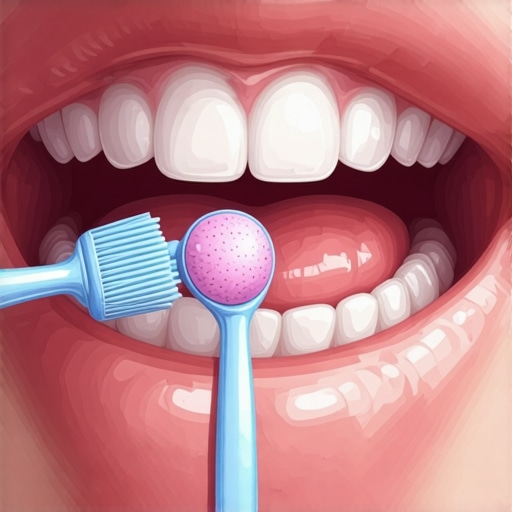
I once stumbled out of bed in the middle of the night, feeling a strange, gritty sensation on my tongue that I couldn’t ignore. It was that moment I realized I had been neglecting an essential part of my oral hygiene routine—my tongue. That rough, fuzzy feeling wasn’t just annoying; it was a sign that my mouth’s overall health was suffering. And honestly, it was a wake-up call I needed.
The Missing Piece in My Oral Care Routine
For years, I was diligent about brushing my teeth, flossing, and visiting the dentist regularly. But my tongue? Well, I didn’t think much about it. Until that night. The more I ignored it, the worse the coating became. That was my lightbulb moment. I learned that just like your teeth, your tongue plays a crucial role in your oral health. It hosts bacteria that can cause bad breath, plaque buildup, and even contribute to periodontal issues if left unchecked.
After some research, I discovered that cleaning my tongue daily could make a tangible difference. It’s not just about fresh breath—though that’s a nice bonus. Proper tongue hygiene can reduce bacteria in your mouth, decrease your risk of cavities, and even improve your overall health. So, if you’ve ever dismissed that fuzzy film as just a minor annoyance, think again. Your tongue’s health is directly linked to your long-term oral wellness.
Have You Faced This Sticky Situation?
If you’ve ever woken up with a coated tongue or noticed a constant bad taste, you’re not alone. Many overlook this simple step. Let me ask you: how many times have you skipped cleaning your tongue because it seemed unnecessary or just plain uncomfortable? My early mistake was using a rough brush that irritated my tongue, thinking I was doing it right. That only made things worse. The good news? There are effective, gentle ways to keep your tongue healthy—methods I wish I’d started earlier.
Ready to learn how to give your tongue the attention it deserves? Keep reading, because the next steps can transform your oral hygiene and your confidence. Plus, I’ll share expert tips to avoid common pitfalls—like using the wrong tools—that can do more harm than good. Trust me, a little extra effort here can lead to big improvements in your smile and overall health. And for insights on related topics, you might find it helpful to explore how everyday habits affect your gums and overall well-being, such as why your gums bleed when brushing too hard or how hydration influences gum health.
Start With the Right Tool
Choose a gentle, stainless steel or silicone tongue scraper instead of a rough toothbrush, which can irritate your taste buds. I learned this the hard way when my first attempt left my tongue sore, making me hesitant to use it daily. After switching to a softer scraper, I experienced immediate comfort and more effective cleaning.
Position and Technique for Effective Cleaning
Stick out your tongue slightly and place the scraper at the back of your tongue—avoid pushing too far or gagging. Gently press forward, applying light but firm pressure to lift the coating. Repeat this motion 3-4 times, rinsing the scraper after each pass. This helps dislodge bacteria and dead cells, reducing bad breath and improving taste.
Establish a Routine
Consistency is key. Incorporate tongue cleaning into your morning and evening brushing routine. If you forget, set a reminder on your phone. When I started doing this, I noticed my breath stayed fresh longer, and my mouth felt cleaner overall. Remember, neglecting this step allows bacteria to build, which can lead to issues like plaque buildup and gum inflammation.
Complement With Proper Oral Hygiene
Brush your teeth for at least two minutes twice daily using fluoride toothpaste, paying attention not to brush too aggressively—finishing too fast can cause gums to bleed. When I realized I was brushing too hard, my gums looked pale and felt sensitive (learn why gums look pale). Use a soft-bristled toothbrush and replace it every three months to maintain optimal cleaning without damage.
Incorporate Flossing or Alternative Interdental Cleaners
Clean between your teeth daily using floss or interproximal brushes. If flossing feels uncomfortable, try water flossers or interdental picks. This step prevents plaque accumulation that can cause cavities and gum disease. If flossing hurts or causes bleeding, explore alternative methods here.
Stay Hydrated and Watch Your Diet
Drink plenty of water—aim for at least 8 glasses a day—to help wash away bacteria and neutralize acids. Dehydration reduces saliva production, which is vital for mouth cleansing. For tips on how much water you should drink for healthy gums, visit this guide. Minimize sugary foods that feed harmful bacteria and incorporate crunchy fruits or vegetables to naturally clean your teeth during meals.
Monitor Your Oral Health Symptoms
Pay attention to signs like bleeding gums when brushing (what bleeding indicates) or persistent bad taste. If you notice darkening around old dental work, excessive sensitivity, or other concerns, consult your dentist promptly, especially if problems persist despite good hygiene routines.
Many believe that brushing twice daily and regular flossing are enough to maintain optimal oral health, but there’s a layer of nuance that often goes unnoticed by laypersons. For instance, the misconception that all toothbrushes and toothpaste are equally effective can lead to subpar results. In reality, choosing the right toothbrush, such as a soft-bristled version, and an age-appropriate fluoride toothpaste can significantly influence your long-term dental health. Additionally, many assume that flossing is universally beneficial without considering alternative interdental cleaners; water flossers or interdental brushes may be more suitable for those with sensitive gums or orthodontic appliances.
Another oversight relates to the importance of professional care. Routine dental visits aren’t just for cavities—they play a critical role in detecting early signs of gum disease or crowns loosening before they become painful or costly. For example, some folks overlook that crowns can develop microleaks over time, leading to secondary decay beneath the restoration. Being proactive and understanding the signs of crown failure, such as minor sensitivity or dark shadows at the gumline, can save a lot of trouble.
**Are You Aware of the Common Mistakes in Family Dentistry?** Sometimes, parents and caregivers focus solely on children’s brushing routines but neglect the significance of sealants, which serve as a barrier against decay—especially in molars. Learn more about why sealants are crucial even without visible cavities.
Let’s talk about advanced mistakes—like dismissing the importance of water intake for oral health. Many underestimate how dehydration affects not only general health but also saliva production, which is vital in neutralizing acids and washing away bacteria. For a detailed understanding, visit this guide on water and gum health.
One particularly overlooked aspect is the danger of using inappropriate tools to clean teeth or debride restorations. For example, using a toothpick or sharp object can damage enamel or dislodge crowns, leading to more expensive repairs. Instead, professionals recommend gentle cleaning methods tailored to your specific dental work. To avoid this trap, read about why toothpicks can be harmful.
**What about the myths surrounding oral health?** A common one is that whitening treatments weaken teeth—nothing could be further from the truth when performed professionally and with appropriate products. However, over-the-counter kits often contain abrasive agents that can erode enamel if misused. Ensuring proper technique and professional guidance is key.
Finally, let’s address crowns. Many believe that a crown is a permanent fix, but neglect that crowns are subject to wear, fracture, or microleakage over time. Recognizing early signs—like sensitivity or a rough bite—can help you seek timely replacement, preventing more extensive damage. More about crown durability and lifespan can be found here: gold vs. ceramic crowns.
Remember, understanding these nuances can dramatically elevate your oral health practices. Don’t settle for surface-level routines; your mouth’s health depends on paying attention to the details. Have you ever fallen into this trap? Let me know in the comments.
How do I maintain my dental tools and routines over time?
Keeping your oral hygiene tools in top shape is essential for long-term results. I recommend replacing your toothbrush every three months, as worn bristles lose effectiveness and can damage gums. For electric toothbrushes, ensure the brush head is replaced promptly when bristles fray or lose their shape—usually around the same interval. Regularly cleaning your tongue scraper and interdental brushes prevents bacteria buildup and maintains their efficacy.
Invest in a high-quality water flosser, like the Waterpik Water Flosser, which I personally find more effective than traditional floss for removing plaque between teeth, especially around crowns and bridges. Their pulsating streams penetrate deeper and are gentler on gums, reducing bleeding episodes (learn more about bleeding gums).
Storing tools correctly—keeping them dry and replacing protective caps—extends their lifespan and minimizes microbial contamination. Additionally, visit your dentist regularly for professional cleanings and check-ups; they can detect early signs of wear or microleakage in crowns, which if neglected, can lead to more complex issues in the future. For instance, microleakage beneath crowns can cause secondary decay, but with proper maintenance and timely visits, you can prevent this (see why fluoride remains important).
Predicting where dental care trends are heading, advancements in intraoral scanners and AI diagnostics will likely make routine maintenance even more personalized and proactive. These innovations could help detect issues early, allowing for minimally invasive interventions that preserve the longevity of restorations like crowns.
Ever wondered how to keep your crowns in perfect condition?
One often overlooked yet crucial step is maintaining a meticulous cleaning routine around your restorations. Use an electric toothbrush with a gentle setting and a soft brush head designed for crowns and bridges. Incorporate daily cleaning with interdental flossers or water flossers, especially around crowns or bridges, to prevent plaque accumulation that can lead to decay or gum inflammation. Don’t forget to regularly inspect for signs of wear or leakage and schedule professional evaluations. Regular check-ups will also help catch microleakage early; experts suggest that even the smallest demineralized areas beneath crowns can result in significant damage if ignored (read about urgent crown issues).
By combining proper tool maintenance with advanced cleaning techniques, you can significantly extend the life of dental restorations while upholding your oral health. Try upgrading your toothbrush to a sonic model today and see the difference in cleaning power and comfort. Remember, investing in quality tools and consistent routines now can save you from costly repairs and discomfort down the line.
What I Wish I Knew Before Making Tongue Cleaning a Habit
One of my biggest lightbulb moments was realizing that neglecting my tongue was undermining my entire oral health routine. I wish I understood earlier that a clean tongue isn’t just about fresh breath but about reducing bacteria that can cause long-term problems.
Learning to choose gentle, effective tools like soft tongue scrapers transformed my approach. I underestimated how much irritation from rough brushes could hinder my progress. Now, I realize that patience and correct technique are key to maintaining a healthy mouth.
The realization that consistency beats intensity in tongue hygiene changed everything. Incorporating this simple step into my daily routine prevented potential issues like plaque buildup and bad breath, emphasizing that small habits accumulate into significant health benefits.
My Go-To Arsenal for Lasting Oral Wellness
I’ve come to trust tools like the Waterpik Water Flosser for interdental cleaning, especially around crowns and bridges. Its pulsating stream effectively dislodges plaque without the discomfort of traditional flossing, making it a game-changer for me.
Books like “The Dental Diet” by Dr. Steven Lin have reshaped my understanding of nutrition’s role in oral health, guiding me to make smarter dietary choices that strengthen my teeth from within.
Seeking advice from dental professionals I trust is invaluable. Regular check-ups help catch microleakages and early signs of crown wear, ensuring proactive care and longevity of dental restorations, which ultimately saves time and money.
Embrace a Future Where Oral Care Feels Personal and Empowering
Remember, your journey to optimal oral health is personal, and small deliberate actions today build the foundation for a healthier smile tomorrow. Embrace these insights, choose the right tools, and stay committed to your routine—your future self will thank you.
What part of your oral health routine do you find most challenging to stick with? Share your experiences below, and let’s support each other in achieving lasting dental wellness.