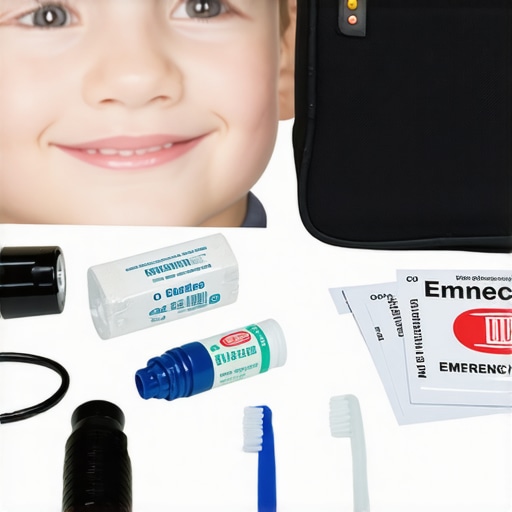
I remember the moment vividly: My child was playing happily in the backyard when suddenly, disaster struck—a loud crunch, then tears. My heart sank as I realized she had chipped her front tooth. In that instant, I felt unprepared and overwhelmed, wishing I had a better plan in place. That experience was a lightbulb moment for me—no parent wants to face an emergency and feel helpless.
Why Being Ready for Tooth Emergencies Could Save Your Child’s Smile
As parents, we juggle so many responsibilities, but one thing we must never overlook is dental emergencies. Small accidents happen—that’s just part of childhood. But the way we respond can make the difference between a quick fix and a permanent loss of a tooth. I learned this the hard way, initially thinking that a quick rinse or a visit to the dentist was enough. Turns out, having a well-stocked emergency kit can drastically reduce anxiety and improve outcomes.
Is Your Emergency Kit at the Ready, or Are You Relying on Luck?
Early on, I made the mistake of assuming I could handle a dental mishap without proper preparation. I didn’t understand how essential it is to have specific supplies on hand, like preserved tooth fragments, gloves, and instructions on what to do immediately. Trust me, being caught unprepared just adds to the chaos. To avoid similar panic, I’ve compiled a list that I believe every parent should have accessible. And after reading up, I found that many parents overlook simple essentials that can make all the difference, like knowing when to see a dentist urgently versus waiting it out. Check this out to learn more about avoiding common mistakes and keeping your child’s smile safe: https://periodontistcare.com/how-to-stop-thumb-sucking-before-it-ruins-your-childs-bite.
Now, let’s get into what practical steps you can take today to be truly ready for those unexpected tooth emergencies. With just a few items and some knowledge, you can turn chaos into calm, and ensure your child’s dental health is protected no matter what life throws at you.
.
Prepare Your Emergency Kit and Know the Basics
First, assemble a dedicated dental emergency kit that includes items like sterile gloves, gauze, a small container for saving a chipped tooth, and pain relievers. I learned this the hard way when my son chipped his front tooth during a game; having these supplies on hand allowed me to act swiftly. Think of it as your “fire drill”—you hope never to need it, but when you do, you’re grateful it’s ready.
Steps to Preserve a Chipped Tooth
If your child chips a tooth, clean their mouth gently with warm water to remove debris. If possible, locate the broken piece and keep it in milk or saline solution—avoid plain water, which can harm the tissue. This is akin to storing a delicate glass sculpture safely—protect it from shocks and keep it moist. Applying a cold pack to the cheek can reduce swelling. Immediate action within the first hour can significantly improve the chances of saving the tooth or reattaching it.
Manage Pain and Reduce Swelling Effectively
Over-the-counter pain relievers like ibuprofen are your first line of defense, but avoid aspirin as it can thin blood and cause bleeding. Applying a cold compress for 10-15 minute intervals can numb nerve endings and slow bleeding. For instance, I found that wrapping ice in a cloth and applying it to my child’s cheek stabilized her discomfort until I reached the dentist. Remember, quick pain management is critical to keep your child calm and prevent panic.
Understanding When to Seek Immediate Dental Care
Not every ache warrants an ER visit, but certain signs do—such as persistent bleeding, a displaced tooth, or severe pain. If the tooth is knocked out, act fast: hold it by the crown, rinse gently if dirty, and try to reinsert it into the socket if possible. If that’s not feasible, store the tooth in milk and head to the dentist immediately. I once kept a knocked-out tooth in milk for about 30 minutes before professional reimplantation, which gave the specialist a good chance to save it.
Addressing Common Post-Emergency Concerns
After managing the initial crisis, prevent further damage by avoiding hard foods, maintaining excellent oral hygiene, but be gentle—aggressive brushing may cause bleeding or sensitivity. If a crown has become loose or fallen off, don’t try to fix it yourself; consult your dentist promptly. Remember, regular checkups—like those involving 2026 family dental visits that require no numbing—are crucial for catching issues early and minimizing emergencies.
Practice and Education for Better Preparedness
Role-playing conversations with your child about what to do in a dental emergency can boost their confidence and reduce fear. Watch informational videos together or review a simple step-by-step guide. The more familiar you are with procedures—like managing a knocked-out tooth or controlling bleeding—the less overwhelmed you’ll feel in the moment. Remember, preparation is a critical component, similar to how regular dental crown maintenance can prevent emergencies from escalating.
Stay Ahead of Potential Dental Crises
Consistent daily habits—like avoiding hard snacks that can cause chips or cracks—are your best defense. If your child has habits like thumb-sucking, addressing them early with strategies from tips to stop thumb-sucking can prevent future issues. Regularly schedule routine cleanings and checkups, so your dentist can spot and manage small problems before they become emergencies. Think of it as maintaining your vehicle—regular service keeps it running smoothly and prevents breakdowns.
Remember, the key to confident handling lies in preparation, quick thinking, and knowing when to seek professional help. Maintain a well-stocked kit, educate your family, and keep open communication about dental health. These steps form the backbone of a resilient, prepared approach to dental emergencies.
Many believe maintaining good oral health is simply about brushing twice daily and avoiding sweets, but this oversimplification can lead to costly mistakes. One common misconception is the idea that all dental products are equally effective; in reality, some toothpastes, like those containing charcoal, can thin enamel if used excessively, as highlighted in a recent dental study. Overusing charcoal-based toothpaste might seem beneficial for whitening, but it risks eroding your enamel, leading to increased sensitivity and vulnerability to decay.
Another often-missed nuance is the importance of personalized dental care rather than relying on generic advice. For instance, while flossing is universally recommended, not everyone benefits equally from traditional floss. For those with receding gums or sensitive teeth, alternative methods like water flossers or interdental brushes may be more effective and gentler, which is why consulting with a family dentist can tailor your oral hygiene routine.
One trap many fall into involves the timing and technique of brushing. Many assume brushing harder cleans better, but excessive force can damage gums and enamel. Gentle, circular motions are proven more effective and safe, aligning with expert advice from seasoned dentists. Moreover, brushing immediately after consuming acidic foods or drinks can do more harm than good, as the enamel is temporarily softened — waiting at least 30 minutes helps protect your teeth.
Why do some people develop cavities despite regular brushing?
This question gets to the heart of more advanced nuances. Recent research indicates that fluoride exposure levels, saliva composition, and diet (like frequent snacking on high-sugar foods) play critical roles in cavity development, beyond just the brushing routine. For example, choosing the right toothpaste that supports remineralization, like those infused with peptides, can make a significant difference, as detailed in the study addressing modern advancements in dental treatments.
Similarly, many underestimate the importance of routine professional cleanings, believing they are optional or solely for aesthetic purposes. In fact, neglecting regular deep cleanings allows plaque and tartar to build up in hard-to-reach areas, increasing the risk of gum disease and even heart health issues linked with periodontal bacteria. Regular visits—like those discussed in professional cleanings—are vital to catch problems early.
Finally, misconceptions about crowns often lead to neglecting maintenance. Many assume a crown is a permanent fix, but improper care or delayed replacement can cause decay beneath or around it. For example, certain dental foods after crown placement promote longevity—check out options in this guide.
Remember, understanding these subtle details makes all the difference in your oral health journey. Are you making any of these common mistakes? Let me know in the comments below, and be sure to explore how personalized advice from your family dentist can elevate your dental care routine.
Keep Your Dental Equipment in Top Shape
Maintaining your oral health over time hinges on the tools you choose and how you care for them. Personally, I swear by investing in an electric toothbrush with adjustable settings, like the Oral-B Genius series. Its oscillating-rotating technology effectively removes plaque and reduces gum inflammation, which manual brushing often misses. Regularly replacing brush heads—every three months—ensures optimal cleaning and prevents bacterial buildup. Remember, using soft-bristled brushes is gentler on receding gums, aligning with recommendations from dental experts.
How do I maintain my toothbrush and floss efficiently?
After each use, thoroughly rinse your toothbrush and store it upright to air-dry. Consider using UV sanitizer devices or toothbrush sterilizers, especially during cold and flu seasons, to eliminate germs—a practice I adopted during the pandemic, which significantly cut down on oral infections. For flossing, I prefer water flossers over traditional string floss, like the Waterpik Nano, because they reach difficult areas more comfortably and encourage daily use. Regular cleaning of these devices, including descaling and replacing parts as recommended, prolongs their effectiveness. As technology evolves, we’re seeing smart toothbrushes that connect to smartphone apps, providing feedback on brushing habits and areas missed, which is promising for long-term maintenance.
Protect Your Investment with Routine Checkups
Even the best tools won’t substitute professional care. Scheduling biannual dental visits allows your provider to catch early signs of decay or gum disease, much like a mechanic inspecting a vehicle before breakdowns occur. Modern preventive treatments, such as fluoride varnishes and sealants, reinforce your teeth’s defenses, and are now more effective than ever. I highly recommend exploring 2026 family dental visits that require no numbing, which shows how innovations are making regular care less invasive and more comfortable. Keeping up with these visits preserves your smile’s health and saves money in the long run.
Looking Ahead: The Future of Dental Maintenance
Advancements such as AI-powered diagnostics and smart home dental kits are on the horizon, promising even more personalized and effortless routine care. Embracing new technology now, like app-connected brushes and remote monitoring devices, can significantly boost your long-term oral health. Take the initiative today by trying out a smart toothbrush that tracks your brushing habits, ensuring thorough cleaning and highlighting areas needing attention. Remember, sustained diligence and investing in the right tools are your best bet in keeping your smile healthy and beautiful for years to come.
What Really Shattered My Illusions About Dental Preparedness
I used to think dental emergencies were rare and manageable with a quick visit to the dentist. The chipped tooth incident was a stark awakening that traditional assumptions can leave you unprepared. The sudden realization that having a well-stocked emergency kit and knowing immediate steps could have made all the difference taught me the importance of proactive planning in family dental health.
Tools and Tips No One Tells You About for Emergency Situations
Beyond the basic supplies, I discovered that understanding how to preserve a chipped tooth or handle bleeding can turn chaos into control. For example, storing broken fragments in milk or saline, rather than water, significantly improves the chance of saving the tooth. Equally, cold compresses and pain relievers are vital, but using them correctly—and knowing when to seek urgent care—can prevent minor mishaps from escalating into long-term damage.
Unique Insights That Changed My View on Regular Dental Care
Many misconceptions about routine dental maintenance dissipated once I learned about advanced tools like smart toothbrushes and the importance of tailored oral hygiene routines. It’s not just about brushing often; it’s about understanding our unique needs—like choosing water flossers over traditional floss for sensitive gums or selecting products that support remineralization, such as peptide-infused toothpastes. These insights empower families to maintain oral health proactively, reducing the risk of emergencies.
How I Turned My Anxiety Into Empowerment
Preparation, education, and the right mentality transformed my initial panic into confidence. Role-playing emergency scenarios with my children and reviewing simple guides helped them understand what to do if a mishap occurs. Connecting with resources like comprehensive kits and reliable information sources fosters a family culture of readiness—making everyone less afraid and more capable when faced with dental surprises.
Resources That Became My Game-Changers for Family Dental Security
My go-to tools include an electric toothbrush like the Oral-B Genius series, which I trust for its effective plaque removal and gentle cleaning, especially for sensitive gums. The Waterpik Nano water flosser has also become indispensable, making flossing more approachable for my kids. For deeper preventive care, I rely on updates from trusted sites about the latest in dental treatments, such as the advances discussed [here](https://periodontistcare.com/why-2026-family-dental-visits-no-longer-need-numbing-shots-2), which emphasize minimally invasive procedures. These devices and knowledge sources continually reinforce my commitment to safeguarding our smiles.
Seize Control and Make Your Family Smiles Resilient
Every family can adopt a mindset of vigilant care and preparedness. Empower yourself with the right tools and information to tackle unforeseen dental issues confidently. Remember, your proactive steps today can save precious smiles tomorrow. So, what’s the first small change you’ll make to enhance your family’s dental resilience? Share your plan below, and let’s build healthier, happier smiles together.
Comments
One response to “The emergency kit every parent should keep for tooth accidents”
Reading this post really hit home for me. I used to think that most dental emergencies were straightforward, but after my son chipped his front tooth during a soccer game, I realized how unprepared I was. Having a dedicated emergency kit with items like saline solution and a small container for the tooth could have made a huge difference in that moment. It’s comforting to know that with just a few supplies and some knowledge, we can significantly improve the outcome and reduce stress for everyone involved. I particularly appreciated the step about storing broken tooth fragments in milk—that’s something I hadn’t known before and will definitely do if the situation arises. Has anyone found that practicing role plays with their kids about what to do during an emergency actually boosts their confidence? I’d love to hear your experiences or tips on how to teach children to stay calm in such situations.