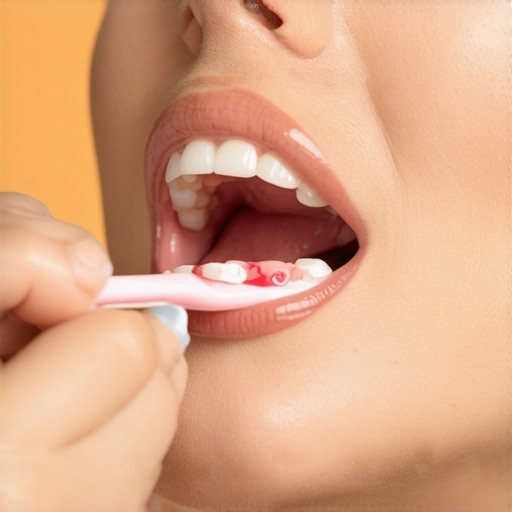
Ever been in the middle of brushing your teeth and suddenly noticed blood on your toothbrush? That sharp, nasty taste of blood can be alarming. I remember the first time I saw it—panic set in. It was a lightbulb moment for me: I was brushing too aggressively, and my gums were paying the price. But here’s the thing—many people experience this and brush even gentler, yet still see bleeding. Why does it only seem to happen when you brush quickly? Well, I’ve been down that rabbit hole, and I want to share what I learned so you don’t have to stumble through the same confusion.
Why Brushing Too Fast Causes Gums to Bleed
Addressing the Frustration and Setting Expectations
Many folks think that the harder they brush, the cleaner their teeth become. That was my early mistake—I thought scrubbing with all my might would knock off years of plaque. Turns out, this approach damages more than it helps. Brushing too fast or aggressively can injure delicate gum tissue, leading to bleeding and inflammation. When gum tissue gets hurt, your body reacts by sending blood and inflammation to the area—a natural response, but one that signals trouble. Interestingly, research shows that too much pressure is a common cause of bleeding gums during brushing, especially if you’re rushing.
Now, I’ll admit—early on, I made the mistake of ignoring this and continued to brush hard, convinced that more effort equaled better results. That was a rookie error. Proper technique matters, and understanding how to brush gently and effectively changed everything. If you’re tired of bleeding gums and want a way to clean thoroughly without causing harm, you’re in the right place.
What We Will Cover Today
In this post, I’ll walk you through the reasons why your gums only bleed when you brush too fast and share practical tips to correct your technique. We’ll explore how to identify your brushing habits, how to adopt a gentler yet effective routine, and when to seek professional advice. No more blood, only healthy, happy gums. Ready to see how small changes can make a big difference? Let’s dive into the details.
Slow Down and Focus on Technique
Establish a Relaxed Rhythm
When I first tried to correct my brushing, I imagined I was polishing a delicate piece of glass. I started by reducing my speed and focusing solely on the motion. Instead of scrubbing vigorously, I used gentle, circular strokes on each tooth, including the gum line. This approach reduces trauma to soft tissues and prevents bleeding. During my first week, I committed to being mindful, paying attention to pressure so I wouldn’t hurt my gums. I discovered that slowing my hand made the process more thorough and less messy.
Use the Right Diameter of Bristle Movement
Picture your toothbrush as a tiny paintbrush—you want precise, controlled strokes. Instead of moving the brush across your entire mouth at once, focus on small sections, about two teeth at a time. Keep your movements short and deliberate, avoiding excessive force. I put a real effort into this, and within days, I noticed my gums healing and bleeding decreasing. This micro-movement technique ensures you clean thoroughly without risking tissue injury.
Optimize Your Technique with Proper Angles
Position Bristles Correctly
Hold your toothbrush at a 45-degree angle toward your gums, ensuring the bristles reach the gumline effectively. When I practiced this tip, I visually aligned the brush so that the bristles pressed gently into the junction where teeth meet gums. This angle allows for better plaque removal and stimulates circulation, contributing to healthier gums. Initially, it felt awkward, but with consistent practice, it became second nature.
Apply Gentle Pressure to Prevent Bleeding
Pressing too hard is a common mistake that can cause gums to bleed, especially during rushed routines. I learned to assess the pressure using a simple test: if I saw white marks on my gums, I was pressing too hard. Instead, I aimed for a light touch—imagine brushing your teeth to a soft stroking, like petting a cat. Over time, I trained myself to feel the difference, leading to cleaner teeth without inflamed tissue or blood. Remember, the goal is consistent, gentle cleaning—think of it as massaging rather than scrubbing.
Incorporate Proper Timing and Sequence
Create a Routine
Establish a predictable brushing pattern, such as starting on the upper right and moving clockwise. This consistency ensures every section gets attention without rushing. During one messy morning, I hurried blindly, missing areas and causing minor bleeding. Switching to a structured sequence helped me slow down deliberately and ensured a comprehensive clean, all while being gentle.
Limit Your Brushing Time
Aim for two minutes of brushing—using a timer if necessary. This prevents over-brushing, which can damage gums and enamel. When I tracked my brushing with a stopwatch, I realized I was rushing through it in under a minute. Extending the time, and breaking it into sections, encouraged me to focus on quality rather than speed, significantly reducing bleeding episodes.
Seek Feedback and Monitor Progress
Use the Tapping Test
This simple method monitors if a crown or filling is loose, but it also helps confirm if your brushing is gentle enough. Lightly tap the crown; if it feels secure, your force isn’t excessive. When I first tried this test post-brushing, I noticed that my gentle touches felt more precise, confirming my technique was improving.
Visual Inspection
Spot-check your gums and teeth in the mirror regularly. Look for signs of reduced bleeding, inflammation, or sensitivity. I saw a clear decrease in bleeding spots week by week, which boosted my confidence that my adjustments were effective. Incorporating these visual cues kept me motivated and vigilant.
Why Flossing Isn’t Always Enough to Prevent Gum Disease
Many believe that flossing alone guarantees healthy gums, but this is a common misconception. Proper brushing technique, especially around crowns and difficult-to-reach areas, plays a significant role in preventing biofilm buildup. Relying solely on floss can lead to overlooked areas where plaque thrives, increasing the risk of inflammation. Furthermore, some assume that rigorous brushing removes all hidden biofilms, but studies show that biofilms are remarkably resilient and require adjunctive methods like bio-acoustic cleaning to thoroughly eliminate them. For comprehensive cleaning, integrating professional treatments and understanding the limitations of DIY routines is essential. Curious about how advanced cleaning techniques can impact your oral health? Discover more on the benefits of bio-acoustic buffing and ensure you’re not missing hidden biofilms.
The Myth of the One-Size-Fits-All Dental Routine
Contrary to popular belief, not all dental products or routines suit everyone. For example, using traditional whitening pastes or overly abrasive toothpaste can sometimes damage sensitive enamel or cause accelerated wear, especially around crowns. Many think that more frequent or aggressive cleaning is better, but this can lead to enamel thinning and increased sensitivity. The key is personalized care—consulting your dentist to adapt your routine based on your unique dental structure, crown material, and gum health. A tailored approach is more effective than generic advice. Want to ensure your regimen is optimized? Check out tips for maintaining white teeth between professional cleaning and avoid common pitfalls.
Advanced Insight: Correctly Assessing Crown Stability
Many individuals assume that if a crown feels stable, it’s secure. But even a seemingly firm crown could be loose enough to harbor bacteria and cause complications down the line. The tapping test is a simple yet effective way for advanced users to evaluate crown stability. A subtle, high-frequency tap can reveal looseness or micro-movements invisible to the naked eye. If you detect any instability, delaying professional evaluation can lead to decay or secondary infections. Recognizing these nuances helps prevent larger, more costly issues. Have you ever fallen into this trap? Let me know in the comments.
Keeping It Working: Essential Tools for Long-Term Oral Health
Maintaining your oral health is an ongoing process that benefits greatly from the right tools and techniques. Over the years, I’ve refined my toolkit to ensure my teeth and gums stay in top shape, especially when managing crowns, family dentistry routines, and preventive care. Investing in specialized equipment and adopting effective methods can save you time, money, and discomfort in the long run.
The Electric Toothbrush: Precision and Consistency
I personally swear by a high-quality electric toothbrush, such as the Oral-B Genius Pro. Its oscillating-rotating motion effortlessly reaches plaque in hard-to-clean areas, providing a more thorough clean than manual brushing. The built-in timers ensure I brush for the recommended two minutes, reducing the tendency to rush—especially crucial for protecting crowns and sensitive gums. Regularly replacing the brush heads, ideally every three months, maintains optimal hygiene and effectiveness. With the advent of smart toothbrush models that connect via Bluetooth, I also track my brushing habits over time, helping me identify and correct any inconsistent areas.
Precisely Cut Flossing and Interdental Cleaners
While flossing is vital, I prefer using interdental brushes for those tight spaces, especially around crowns and bridges. My preferred tool is the TePe Interdental Brushes in small sizes, which I find gentler yet more effective than traditional floss. They help remove biofilm trapped between teeth and beneath gum margins, which is essential for long-term health. For larger gaps, I use water flossers like the Waterpik Ultra, which produce pulsating streams to dislodge debris without harming delicate tissues. Using these tools consistently can prevent plaque buildup that leads to inflammation, bleeding, and decay.
Specialized Tongue Scrapers Improve Breath and Cleanliness
Another underrated device is my tongue scraper. Regular scraping removes biofilm and bacteria, reducing bad breath and decreasing the risk of gum disease. I use a stainless steel scraper for durability, but silicone versions are gentle and effective too. Incorporating tongue cleaning into my daily routine ensures a fresher mouth and prevents bacteria from migrating to other areas.
Bio-Acoustic Cleaning: The Future of Deep Cleaning
Looking ahead, bio-acoustic buffing is revolutionizing professional cleanings. This method uses sound waves to break down biofilms on the surfaces of crowns, bridges, and natural teeth, making traditional tools more effective. I’ll be exploring this tech further with my dentist, as studies suggest it can significantly enhance biofilm removal, reducing the frequency of deep cleanings needed and preventing long-term dental issues. Learn more about bio-acoustic buffing here.
For those serious about longevity, I recommend scheduling regular professional evaluations that incorporate these cutting-edge techniques. Modern dentistry is moving toward preventative sophistication, and being proactive with these tools today can save you from costly repairs tomorrow.
How do I maintain my tools over time? Best practices
To keep your dental tools effective, it’s essential to clean and replace them regularly. Rinse interdental brushes and tongue scrapers after each use, store them in a dry, ventilated area, and replace brushes every three months or sooner if frayed. For electrical devices, follow manufacturer guidelines for cleaning and charging cycles. Staying consistent with maintenance ensures your tools continue to perform optimally, giving you peace of mind and a healthier smile. Regularly reviewing your routine with your dentist can also uncover new tools or techniques tailored to your evolving needs. Want a quick way to check if your crowns are still secure? Try the tapping test for peace of mind.
Thanks to innovations like bio-acoustic buffing and precision tools, the future of oral health is brighter than ever. Don’t hesitate to ask your dental professional about adopting these advanced methods to extend the lifespan of your crowns and keep your family’s smiles shining. Ready to upgrade your routine? Start by choosing the right electric toothbrush today, and remember, consistency is key.
,
The Unexpected Truths That Changed My Dental Routine Forever
- One of the biggest surprises was realizing that rushing through brushing actually undermined my efforts. Slowing down and focusing on gentle, precise strokes made a noticeable difference in gum health and overall comfort.
- I learned that even the best tools won’t help if I don’t use them correctly. Proper angling, pressure, and technique trump fancy gadgets alone, emphasizing the importance of mindful practice.
- Regularly assessing crown stability with simple tests, like the tapping method, saved me from potential complications. Small checks can prevent big problems down the line.
- Personalized routines, tailored with professional guidance, are far more effective than generic advice. What works for one smile might not suit another—listen to your dentist’s recommendations.
- Investing in quality tools, such as a good electric toothbrush and interdental brushes, has made my routine more effective, comfortable, and enjoyable—changing the way I care for my family’s oral health.
Tools That Transformed How I Care for Teeth and Crowns
- My trusted electric toothbrush, like the Oral-B Genius Pro, combines precision with convenience, helping me reach tricky spots and maintain consistency.
- Interdental brushes, such as those from TePe, are my secret for cleaning between crowns and braces—more gentle and thorough than floss alone.
- A durable tongue scraper has become a staple, improving breath and reducing bacterial load with minimal effort.
- Exploring advanced techniques like bio-acoustic buffing through my dentist opened my eyes to the future of professional cleaning, enhancing biofilm removal around crowns and fillings.
Embrace the Journey to Better Smiles Today
Taking these insights into account, your path to healthier gums and longer-lasting crowns is within reach. Small, consistent changes can transform your oral health, making each smile brighter and more confident. Start today, experiment with your routine, and don’t be afraid to seek professional advice to discover what truly works for your unique dental landscape. Remember, a healthy smile isn’t just about appearance—it’s about lasting well-being and confidence that radiates from within. What’s one small change you’re willing to try today to improve your dental routine? Share your thoughts below and let’s inspire each other to achieve our healthiest smiles yet.